

Antique Gold Light Fitting
An antique gold light fitting brings warmth and historic craftsmanship to a room, offering everything from grand crystal chandeliers to delicate wall sconces.
Antique Gold Light Fitting
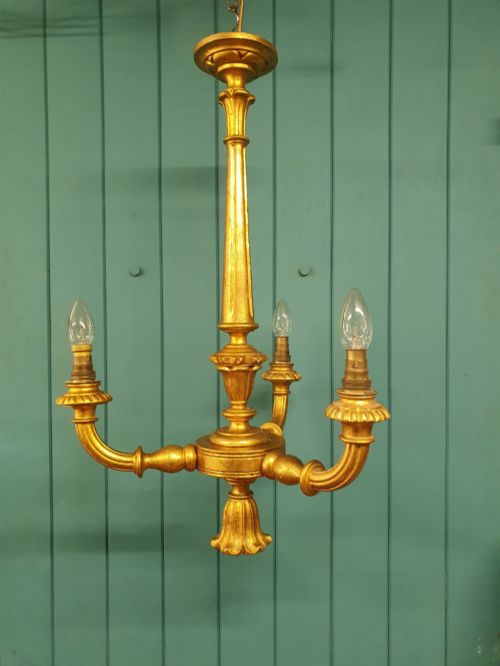
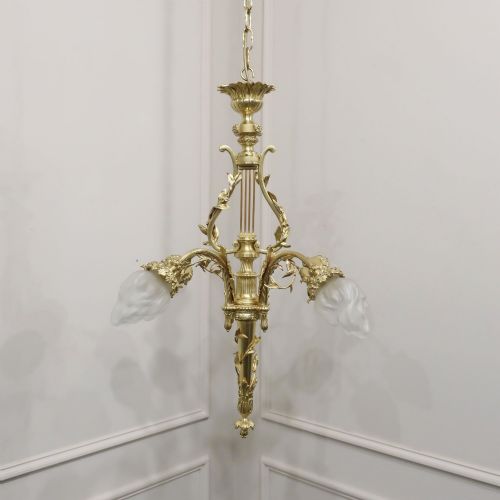
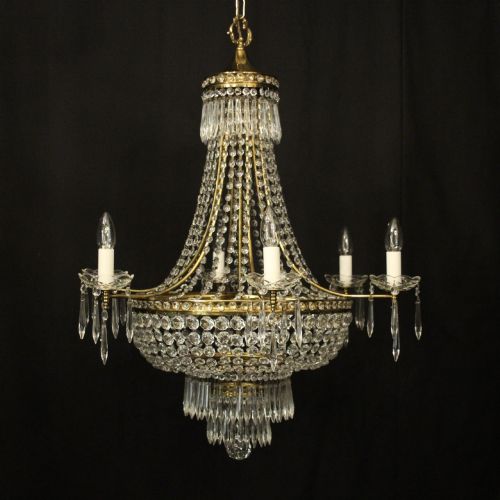
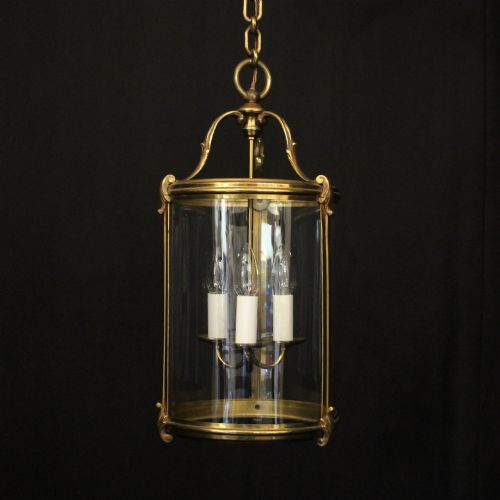
When you search for an antique gold light fitting, you encounter a variety of fixtures spanning the nineteenth and early twentieth centuries. The selection on this page focuses heavily on French and Italian chandeliers, wall lights, and hall lanterns originating from the Edwardian era up through the 1930s.
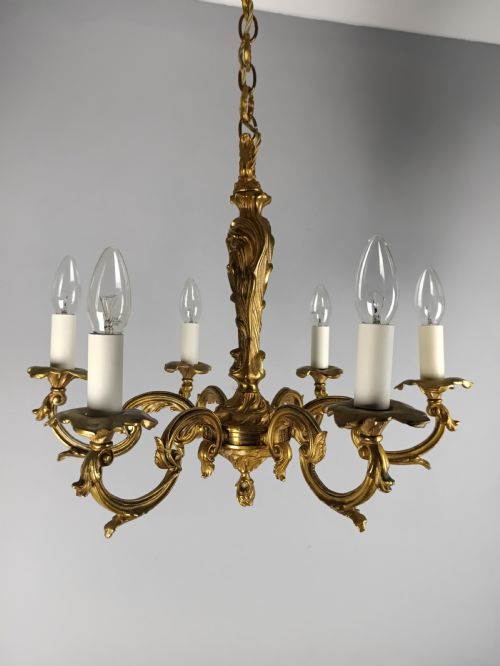
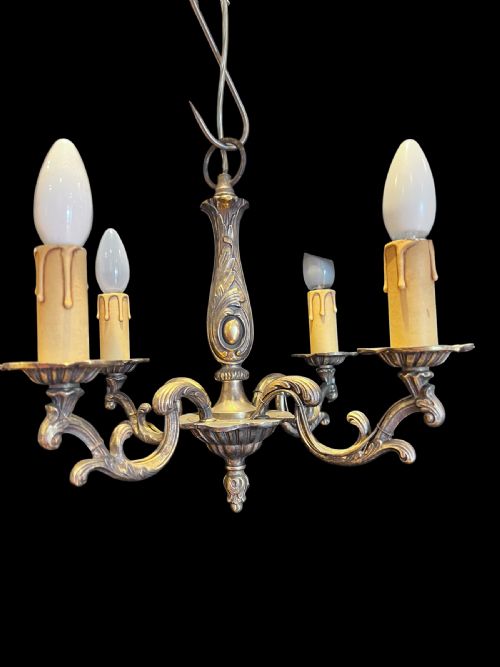
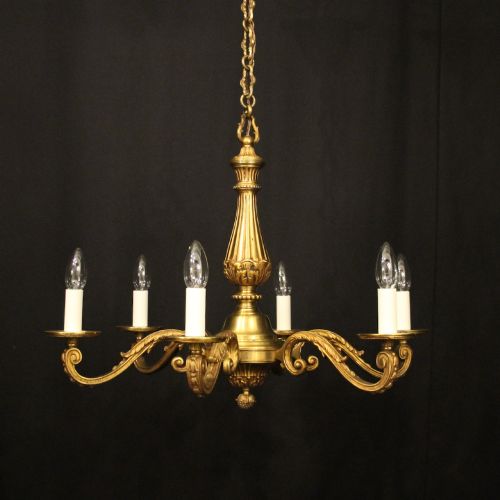
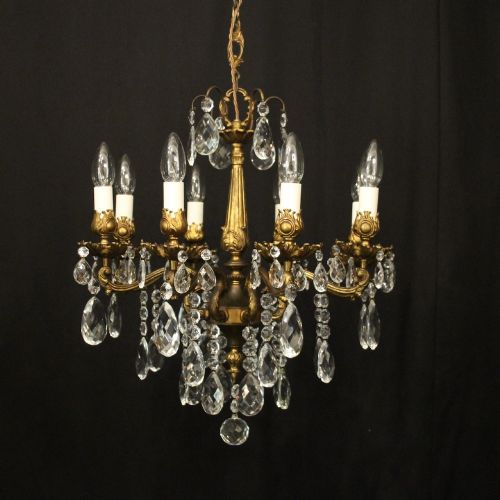
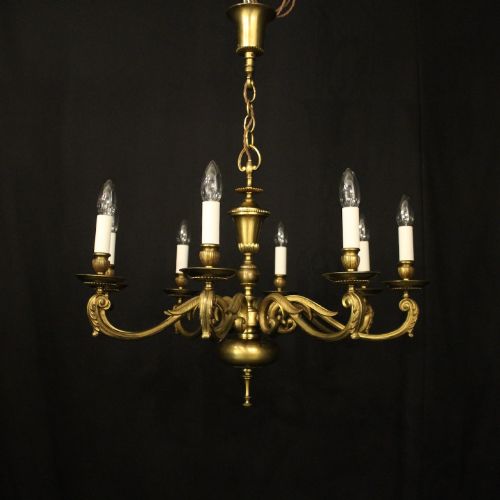
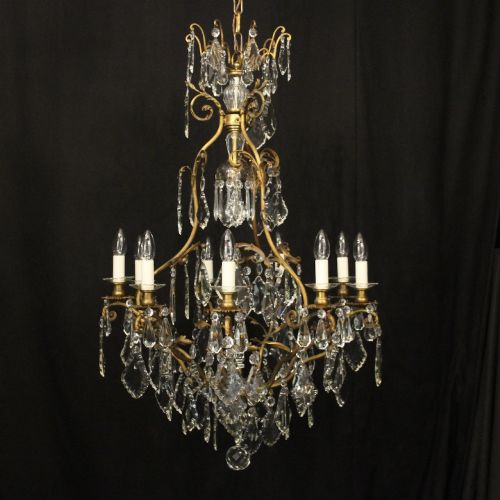
Most examples take the form of multi-arm chandeliers, pendant ceiling lights, or matching pairs of wall sconces. Pieces range from modest three-branch brass designs to large, elaborate eleven-light creations adorned with crystals.
Materials and Construction
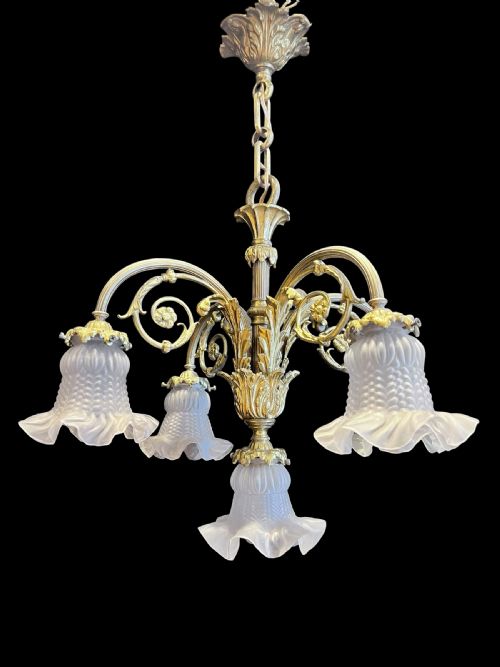
The construction of these fittings relies primarily on brass, bronze, and metal substrates finished with a gilded or gilt surface. Artisans shaped these metals through casting and hand-carving, producing detailed frames in French Rococo, Empire, and Neoclassical styles.
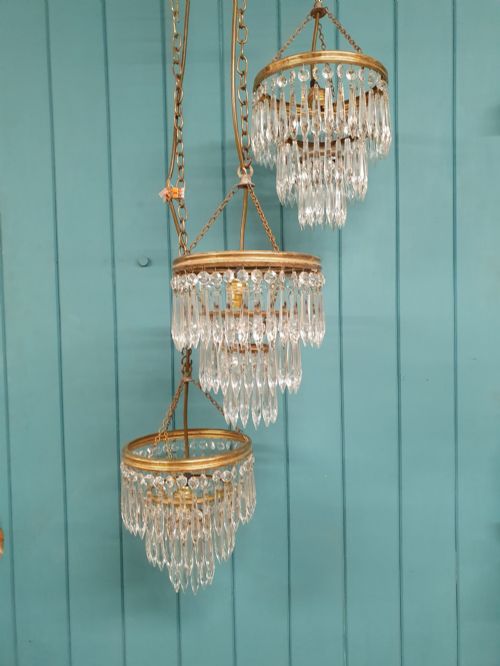
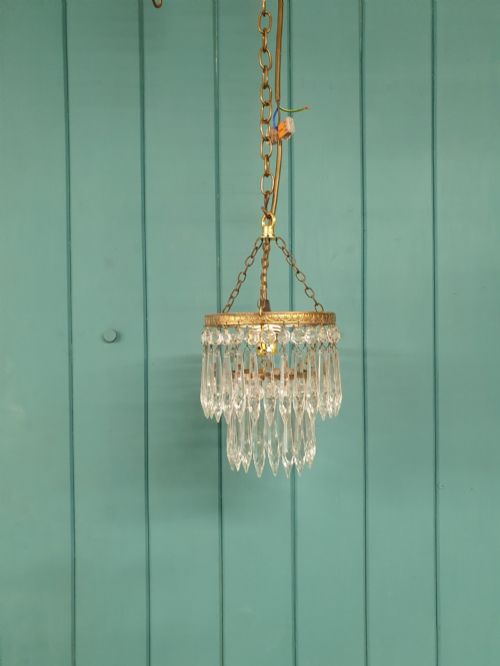
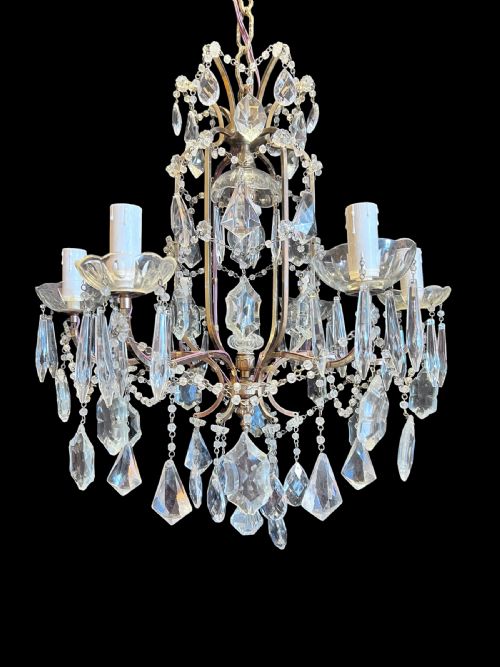
Glass and crystal components play a central role, utilising cut glass spikes, tent and waterfall arrangements, and coloured crystals. Workshops frequently combined carved wood, gesso, and ceramic floral elements alongside metalwork to achieve distinct regional aesthetics.
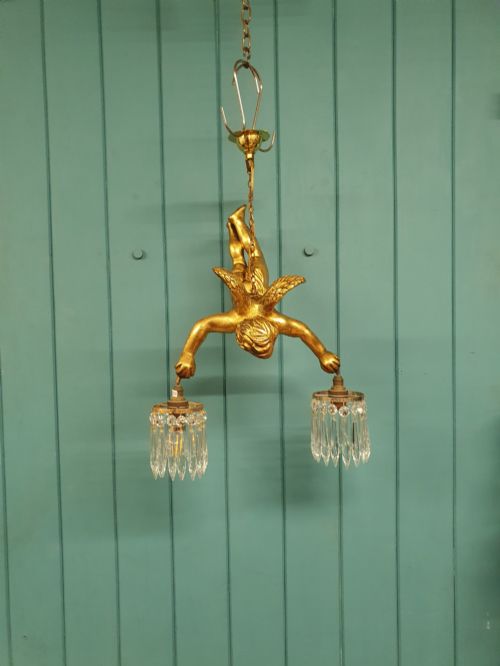
A flying cherub occasionally watches over the room from a gilded perch.
Evaluating Quality
Quality in these light fittings rests on the precision of the metalwork and the integration of the decorative elements. Finely cast bronze frames with sharp chisel work and deep gilding stand apart from simpler pressed metal structures.
The clarity and cut of the crystal pendants also dictate the standard of the piece. Superior examples exhibit heavy, hand-cut glass drops that catch the light effectively, paired with robust internal wiring structures and substantial arm assemblies.
The Antique Gold Light Fitting Glossary
- Gilt bronze
- An alloy treated with a gold application, often referred to as ormolu in French pieces. It provides a durable, rich metallic sheen.
- Tent and waterfall
- A specific configuration of crystal drops where strings form a tent shape above a cascading waterfall effect of glass.
- Spike chandelier
- A fixture characterised by upright glass or crystal spikes projecting vertically from the central body or arms.
- Tolewear
- Painted or lacquered metalware, frequently utilised to introduce colour and botanical motifs into floral chandelier designs.
- Hall lantern
- An enclosed ceiling-hung light designed for corridors or entryways, often constructed with glazed panels and a decorative metal frame.
Antique Gold Light Fitting: Frequently Asked Questions
How do I hang a heavy antique chandelier?
Heavy chandeliers require secure anchoring directly into ceiling joists using a rated ceiling hook or metal brace. Professional installation is essential to support the substantial weight of cast bronze and crystal components.
Electrical wiring must also be inspected and adapted to meet current safety standards before the fixture is suspended in position.
Are these light fittings wired for modern electricity?
Many surviving fixtures retain older wiring configurations that require updating for domestic use. Rewiring allows them to accommodate standard lamp holders while preserving the original metal frame and exterior decoration.
Qualified electricians can easily adapt French and Italian fittings to function safely with modern wall switches and dimmers.
How do I clean an antique crystal chandelier?
Cleaning involves wiping individual crystal drops and metal arms with a mild solution and a soft cloth. Removing the crystals carefully allows for thorough washing without damaging the surrounding gilt surfaces.
Harsh chemical cleaners should be avoided to protect the historic gilt bronze, brass, and painted finishes from degradation.
What is the difference between Empire and Rococo styles?
Empire style fittings, popular around the early nineteenth century, display formal symmetry, classical motifs, and military or architectural influences. They often feature clean lines, laurel wreaths, and restrained ornamentation.
Rococo designs embrace asymmetrical curves, naturalistic foliage, scrolls, and elaborate shell motifs, creating a more ornate and fluid visual movement.