

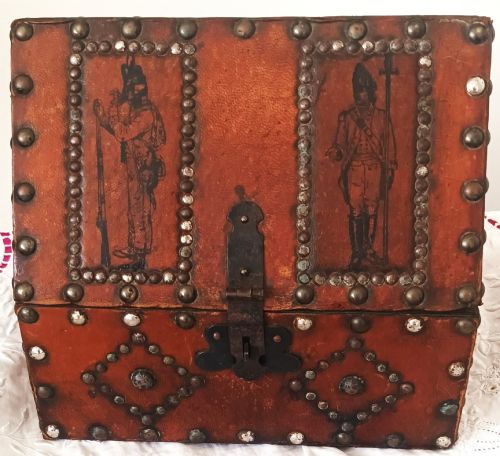


Georgian Studded Chest
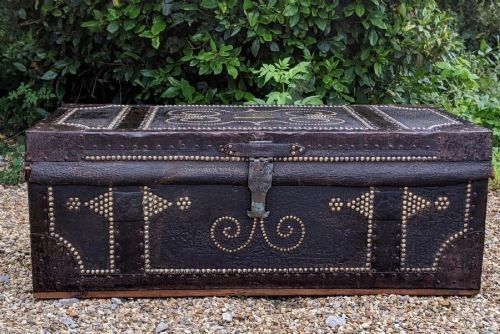
These georgian studded chest examples are robust leather and metal-bound travelling trunks built to endure hard journeys.
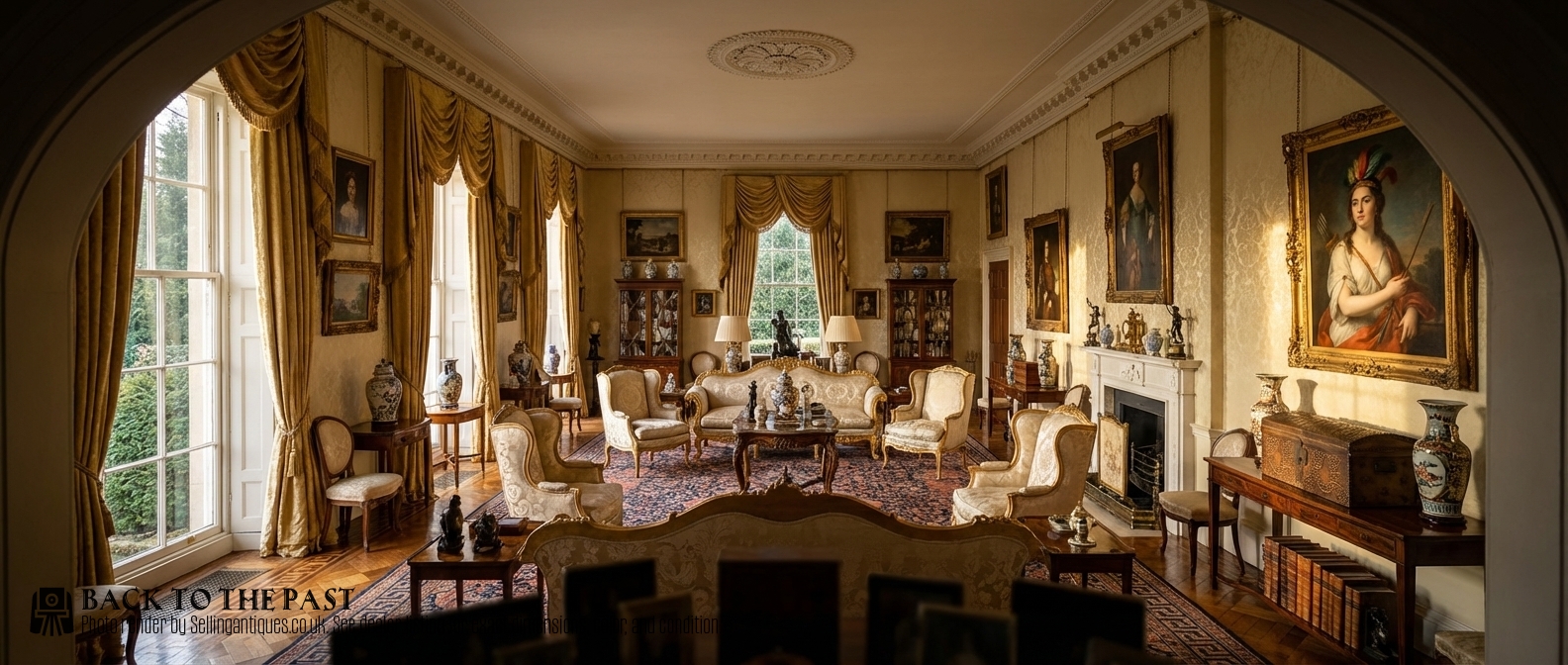
Georgian Studded Chest
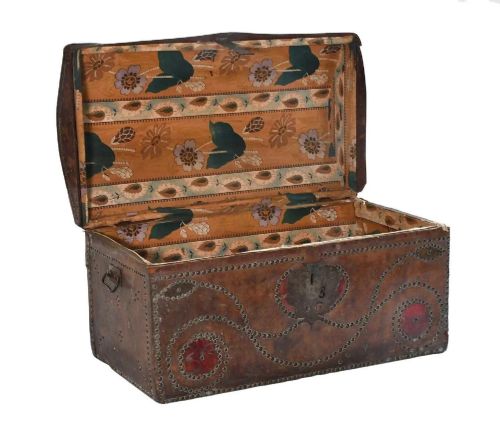
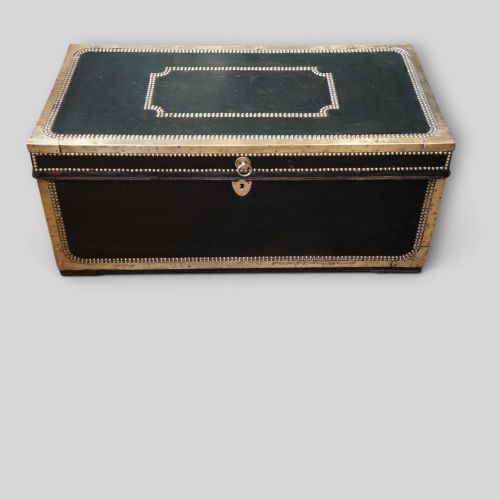
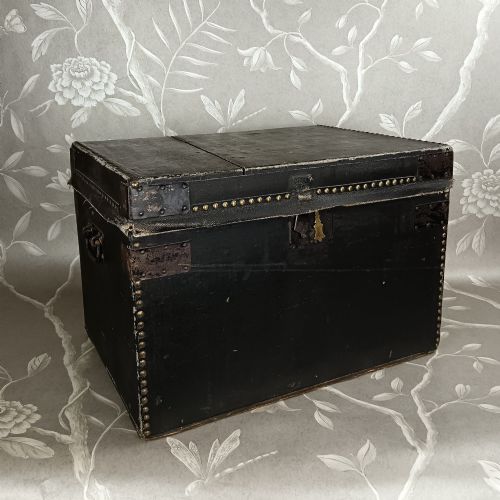
A georgian studded chest is a heavy-duty container designed for travel and storage, frequently covered in leather, hide, or pony skin and secured with brass studs and metal banding. The pieces appearing here span from the eighteenth century through the nineteenth century, encompassing Regency examples, George III pieces, and later Victorian iterations.
Most examples function as trunks, coffers, or caskets, utilising durable internal timbers such as oak and camphorwood. Domed tops and flat lids both appear across the selection, often equipped with side carry handles for transport on coaches or ships.
Buyers encounter everything from compact travelling caskets to large campaign cases bearing maker stamps or initials. The construction reflects a distinct utilitarian purpose intended to protect valuable possessions against the elements during transit.
Materials and construction
Maker workshops built the core structure from sturdy woods like oak or camphorwood, covering the exterior in leather, hide, or pony skin. Heavy iron or brass bands reinforce the corners and edges, secured firmly by rows of individual metal studs.
Hinges, locks, and drop handles fashioned from brass or iron provide functional security and leverage. Paper linings occasionally survive inside the compartments, adding a refined interior finish to an otherwise rugged exterior.
Georgian Studded Chest Retail Price Guide 2026
Typical asking prices for georgian studded chest among the pieces listed under this phrase on Sellingantiques today, from the lower quarter to the upper quarter. They describe what is for sale here now, not the wider market.
Listings feature woods such as oak and camphorwood combined with brass, iron, leather, hide, and paper across the eighteenth and nineteenth centuries.
Judging quality in studded chests
Quality rests in the integrity of the underlying timber frame and the survival of the original exterior covering. Dense woods like camphorwood and oak indicate higher-tier commissions, while complete rows of brass studs and intact metal bindings elevate a piece.
The presence of maker stamps, paper labels, or documented provenance distinguishes standard travelling luggage from elite workshop output. Original leather patination and functional ironwork separate well-preserved examples from heavily altered survivors.
Samuel Pratt·Wm. Insall of Bristol·Chapple & Sons·Seabrook of St.Pauls, London·W. Sharp
The Georgian Studded Chest Glossary
- Campaign case
- A portable chest or trunk built for military officers and travellers on the move. These pieces often feature recessed handles and robust reinforcement to withstand frequent transit.
- Camphorwood
- An aromatic timber valued in trunk construction for its insect-repellent properties. It appears frequently in chests intended for long-distance travel.
- Studded leather
- An exterior finish where animal hide is fastened to a wooden carcass using decorative and structural metal pins. The pattern of the studs often outlines the structural framework of the chest.
- Dome top
- A curved lid design that sheds water effectively during travel. This profile provides additional interior packing height compared to flat lids.
Georgian Studded Chest: Frequently Asked Questions
What were studded chests used for?
These chests served primarily as heavy-duty luggage for transporting clothing, documents, and valuables during long journeys by coach or ship. Their robust construction protected contents from moisture and rough handling on the road.
Over time, many transitioned from active travel gear into static household storage for blankets and bulky textiles. Today, their durable build allows them to function effectively as coffee tables or decorative storage trunks in modern interiors.
How do I date a studded chest?
Dating relies on examining the construction methods, materials, and hardware styles visible on the piece. Eighteenth-century and Regency examples often feature camphorwood or oak frames with hand-forged ironwork and specific brass stud configurations, while Victorian iterations display heavier machine-made elements.
Maker stamps, paper labels, and historical inscriptions provide the most reliable chronological anchors. Comparing the style of the leatherwork and the shape of the locks against documented examples helps narrow down the period of manufacture.
Are these chests suitable for daily use?
Their sturdy timber carcasses and reinforced corners make them exceptionally practical for everyday storage in domestic settings. Many owners utilise them to hold blankets, bed linen, or personal items while using the flat or domed surface as a display area.
Care should be taken to protect antique leather and hide surfaces from excessive moisture and direct sunlight. Regular dusting and occasional conditioning help maintain the aged exterior without diminishing the historical patination.
How do I care for antique leather?
Maintaining antique leather requires keeping the material in a stable environment away from direct heat sources and strong sunlight, which can cause drying and cracking. Gentle dusting with a dry cloth prevents the accumulation of dirt in the crevices around the brass studs.
Professional leather dressings should be used sparingly and only when the hide feels overly dry. Preserving the original surface texture and colour remains the primary objective of any maintenance routine.