
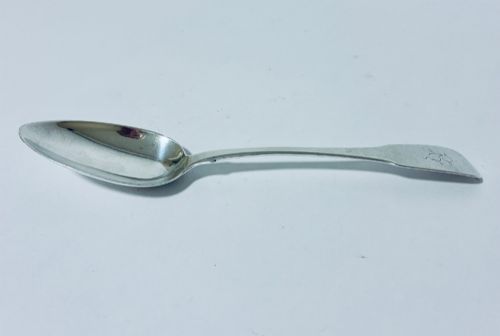
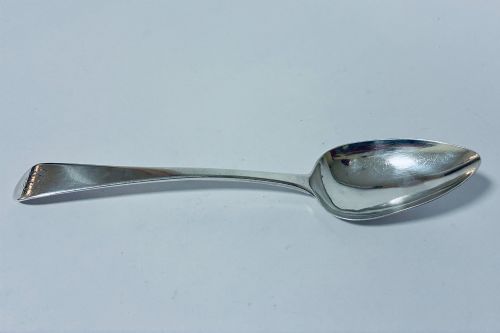
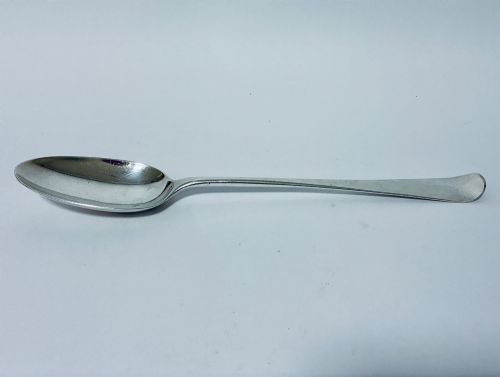
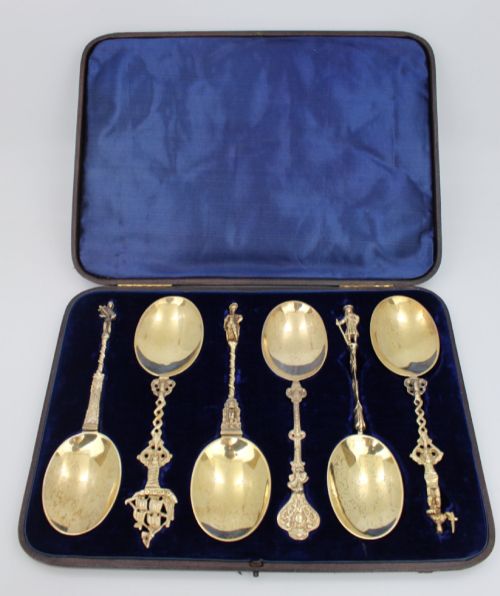
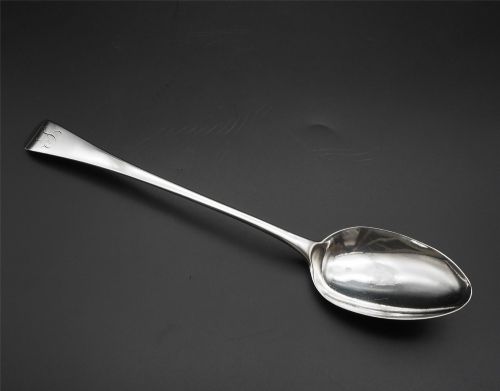
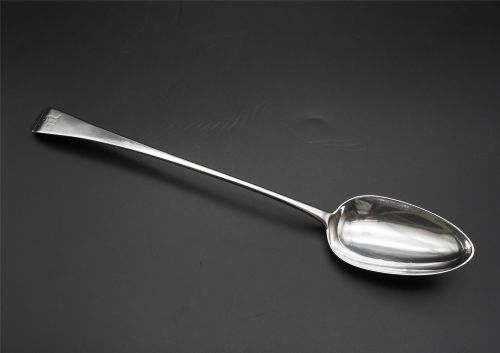
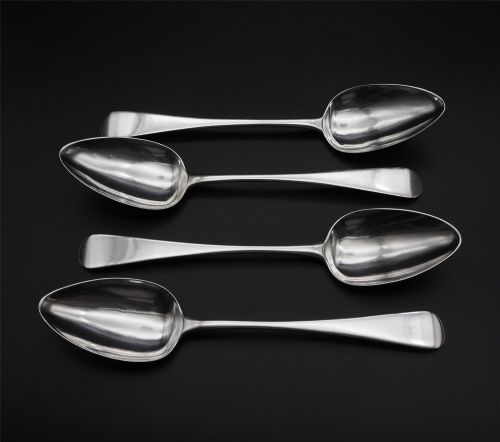
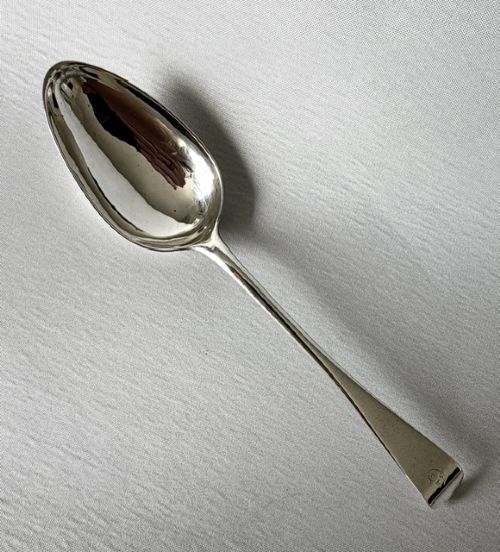
Georgian Sterling Spoon
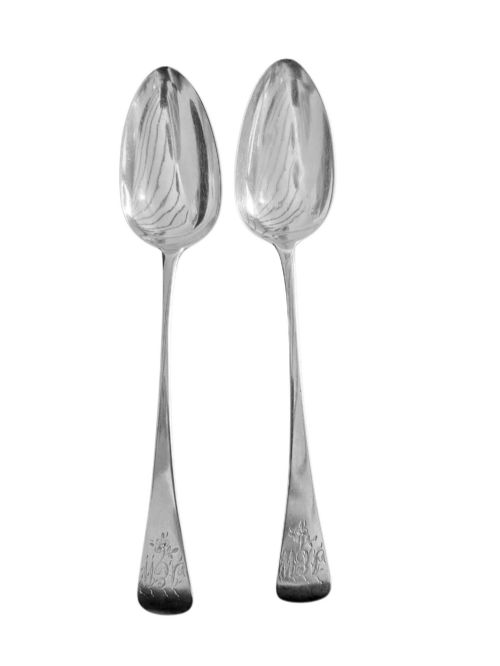
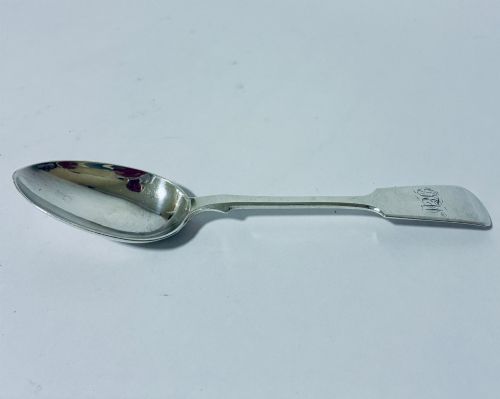
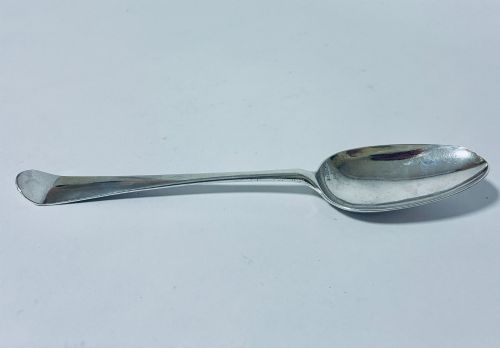
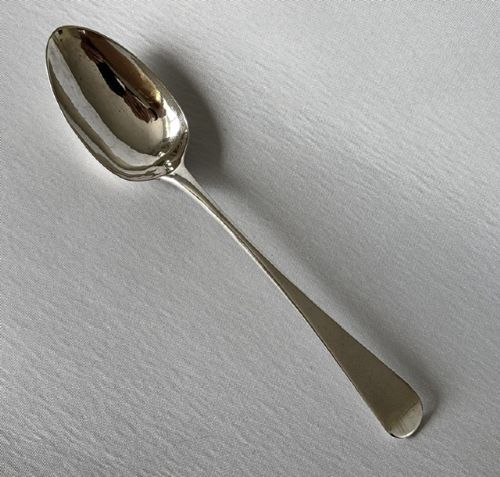
A georgian sterling spoon brings tactile weight and domestic history to the table, formed in silver through reigns spanning the eighteenth and nineteenth centuries.
Georgian Sterling Spoon
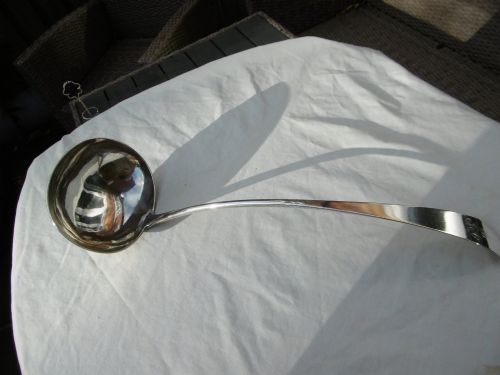
Many examples originate from silversmith workshops in London, Dublin, Newcastle, Edinburgh, and Cork. These pieces served specialised roles at the dining table, tea service, and sideboard, utilising solid silver or silver-gilt construction.
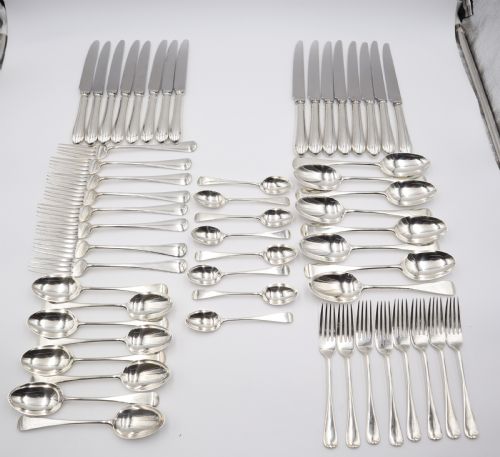
Survival rates include cased presentation pairs, crested family silver, and novelty designs shaped as leaves, birds, or hands. Collectors navigate both utilitarian implements and highly decorative serving pieces produced across generations of silversmithing.
How They Were Made
Makers fashioned these objects primarily from sterling silver and silver-gilt, hammering and shaping metal ingots into bowls and handles. Artisans applied specialised techniques such as bright-cutting, piercing, and engraving to ornament surfaces with floral motifs, crests, and geometric patterns.
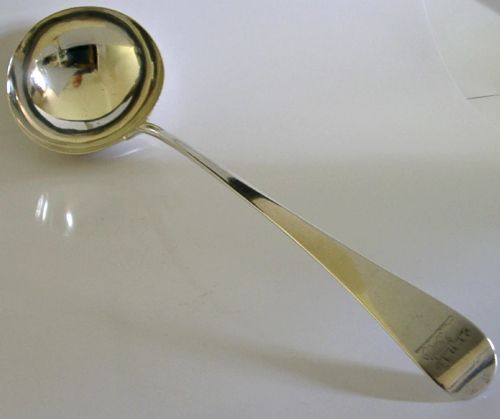
Details like fancy backs, cast handles, and parcel-gilt finishes required advanced silversmithing skill. Workshops stamped pieces with hallmarks recording the maker's mark, assay office, and date letter.
Listings span periods from the eighteenth century through the 1960s, featuring sterling silver, silver-gilt, velvet, and glass.
What Varies in Quality
Distinction across the range depends on the crispness of chased and engraved details, such as bright-cut foliage or embossed berry motifs added to bowls. Heavy gauge metal provides structural rigidity, preventing bending in long basting spoons and large ladles.
Attribution to documented makers such as the Bateman family or regional provincial silversmiths elevates significance. Original fitted cases, matching pairs, and legible hallmarks further distinguish exceptional examples from standard domestic tableware.
Peter and Jonathan Bateman·Hester Bateman·Joseph Willmore·John Pittar·Alfred Marston·Andrew Archer·John Walton·Hamilton and Inches·John Craig·Edward Power·Jonathan Hayne·R Hennell·Josiah Williams and Co
The Georgian Sterling Spoon Glossary
- Sterling silver
- A silver alloy containing 92.5 percent pure silver and 7.5 percent other metals, usually copper, chosen for durability in tableware. This standard has governed British silversmithing for centuries.
- Silver-gilt
- Sterling silver that has been coated with a thin layer of gold through fire gilding or electroplating. This technique imparts a rich golden interior to bowls or entire spoons.
- Bright-cut
- An engraving technique utilising faceted cuts made with a sharp V-shaped graving tool to reflect light. It creates sparkling geometric and floral borders on handles.
- Mote spoon
- A slender eighteenth-century spoon featuring a pierced bowl used for straining tea leaves and a pointed stem for clearing teapot spouts. These small implements accompanied early tea services.
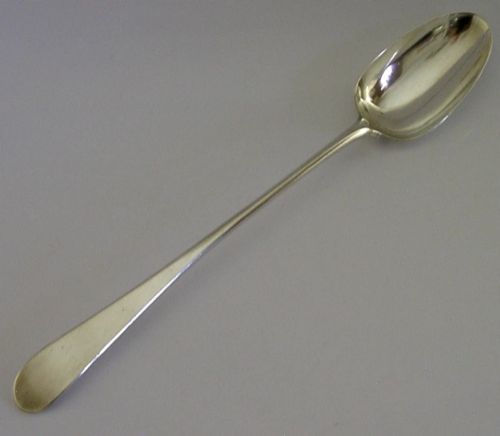
- Basting spoon
- A large utensil designed for scooping juices during roasting, measuring substantial lengths in the evidence. They often feature family crests engraved on the terminal.
Georgian Sterling Spoon: Frequently Asked Questions
How do I identify a basting spoon?
A basting spoon measures significantly longer than standard dining cutlery, built to reach deep into roasting pans. They feature robust bowls and heavy handles often engraved with family crests.
Silversmiths produced these large utensils to assist with meat preparation during formal dinners.
What are berry spoons?
Berry spoons are serving spoons featuring embossed and chased fruit designs added to the bowls during the Victorian era. Many started life as plain Georgian spoons before receiving this decorative treatment later.
Collectors find them housed in fitted velvet and silk-lined presentation cases.
Why do some spoons have pierced bowls?
Pierced bowls functioned as strainers for specific tasks like sifting sugar, serving citrus, or separating liquids from solids. Examples include sugar sifter spoons, spice sifters, and strainer basting spoons.
Perforations were cut into patterns that allowed liquid to pass while retaining larger particles.