


Georgian Sterling Pepper Pot
A georgian sterling pepper pot brings tangible history to the dining table, offering solid construction and period grace that collectors prize for everyday use.
Georgian Sterling Pepper Pot
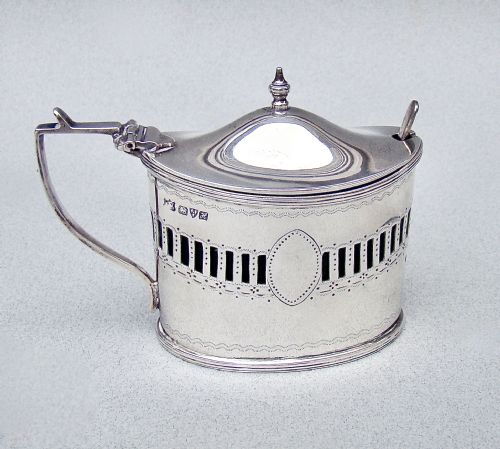
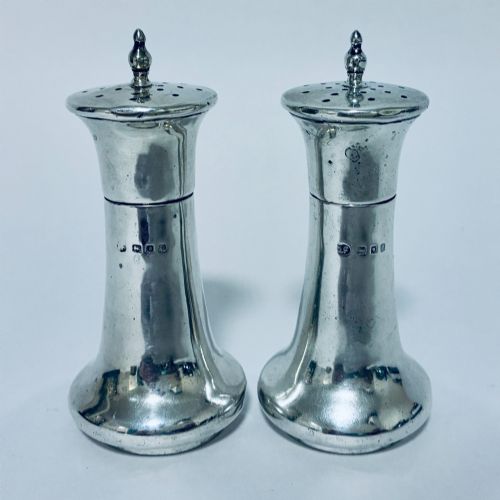
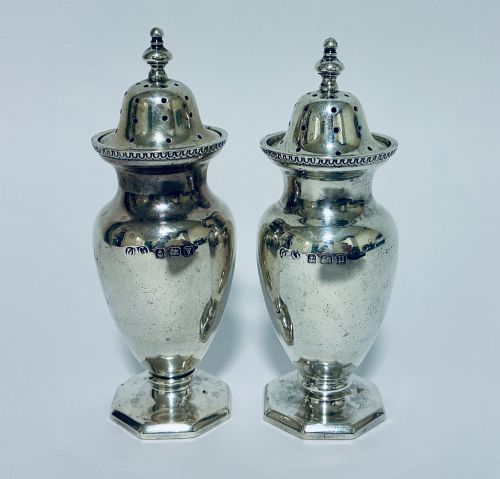
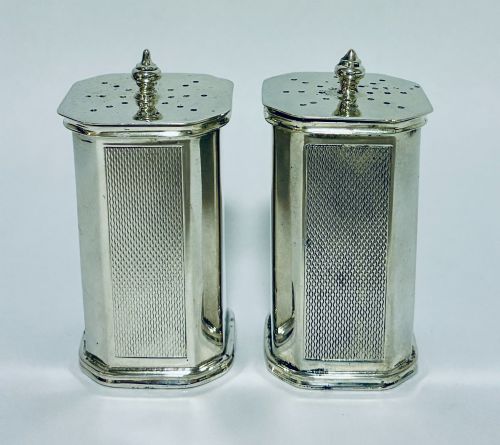
A georgian sterling pepper pot represents historic tableware designed for seasoning, appearing across this selection in forms such as pepper casters, mustard pots, and pounce pots. These domestic items formed part of larger cruet sets on dining tables from the eighteenth century onwards.
The pieces on this page span several eras including the Georgian period alongside later Victorian, Edwardian, and revival interpretations. Buyers encounter individual shakers as well as matched pairs and larger condiment sets intended for tabletop service.
Originating primarily as functional dining accessories, these silver items encompass both authentic eighteenth-century examples and twentieth-century reproductions made in the Georgian style. Each item reflects the changing tastes in domestic silver across different centuries of British craftsmanship.
How they were made
Silversmiths utilised sterling silver and solid silver to form the body of each pot, frequently incorporating pierced lids or shaker tops for dispensing contents. Production techniques include casting, as seen in earlier eighteenth-century examples, alongside later manufacturing methods.
Interior components occasionally incorporate cobalt blue glass liners, adding colour contrast to the silver exterior when viewed through pierced galleries. Protective storage is further evidenced by fitted cases lined in velvet or satin accompanying certain condiment sets.
Some seventeenth and eighteenth-century pounce pots double as tiny salt containers because guests liked to keep their sand and seasoning close.
What varies in quality
Quality in these silver pieces rests upon the crispness of the piercing on the lids and the weight of the metal used in the body. Earlier cast examples demonstrate substantial hand-finished construction compared to lighter twentieth-century production.
The presence of clear hallmarks adds significant historical value, connecting the silver to specific makers and assay offices. Maker marks from established silversmiths elevate the standing of a piece within the broader spectrum of antique tableware.
Alfred Marston·James Goodwin·Charles Stuart Harris·Thomas Pritchard·Viners
The Georgian Sterling Pepper Pot Glossary
- Sterling silver
- A standard alloy consisting of silver and other metals to ensure durability for domestic objects. This composition provides the primary material for the majority of these condiment pots.
- Pounce pot
- A small container with a perforated lid used to sprinkle sand or gum sandarac over wet ink to speed up drying. These desk accessories share a similar physical form with pepper casters.
- Castor
- A tall jar or pot with a pierced top designed for sprinkling sugar or spices onto food. They frequently appear in sets alongside mustard pots within the evidence.
- Hallmark
- A series of official marks stamped onto precious metals to guarantee the purity and origin of the material. These marks identify the assay office, maker, and date of manufacture.
- Cruet set
- A matched collection of bottles, pots, and castors held within a frame for table condiments. They organise multiple seasoning vessels for dining convenience.
Georgian Sterling Pepper Pot: Frequently Asked Questions
How do I clean antique silver pepper pots?
Clean silver pots using a soft cloth and dedicated silver polish designed to remove tarnish without harming the metal surface. Avoid harsh chemical dips that strip away desirable patination.
Wash the pieces in warm soapy water and dry them thoroughly afterwards. Take extra care around pierced lids and glass liners to prevent damage.
Can I still use these pots for pepper?
Many collectors continue to use antique silver pots for daily dining provided the interior remains clean and free from corrosion. Silver is naturally antimicrobial and safe for food service.
Ensure that moisture does not get trapped inside the shaker after use to protect the metal. Empty unused seasoning promptly after meals.
What is the difference between a pepper pot and a caster?
A pepper pot generally refers to a small vessel for table seasoning, whereas a caster often describes a taller jar with a distinct footed base. Both function to dispense dry spices through pierced lids.
Historically, casters formed part of larger dining sets while smaller pots served individual places at the table. The terms occasionally overlap in historic inventories.
How do I date a silver condiment piece?
Dating relies primarily on the assay office hallmarks stamped into the silver, which include specific date letters corresponding to the year of manufacture. Stylistic clues also indicate whether a piece is Georgian or a later revival.
Consulting standard silver reference books helps decode the specific maker marks and date ciphers. Comparing the form against documented examples narrows down the period.