



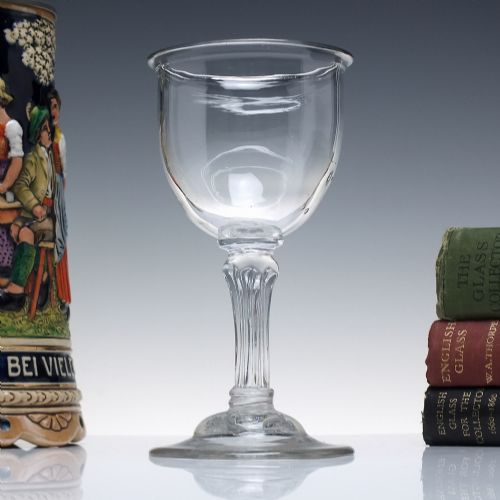

Georgian Stemware C1750
Georgian stemware c1750 comprises drinking glasses formed from lead glass and clear lead crystal with distinctive stems.
Georgian Stemware C1750
When you search for georgian stemware c1750, you are looking at drinking glasses designed for wine, ale, whisky drams, champagne, and cordials. The pieces on this page span the Georgian period and the eighteenth century.
You will most frequently meet wine glasses, ale glasses, and cordials featuring various stem formations. These vessels represent the drinking culture of mid-eighteenth-century England.
How they were made
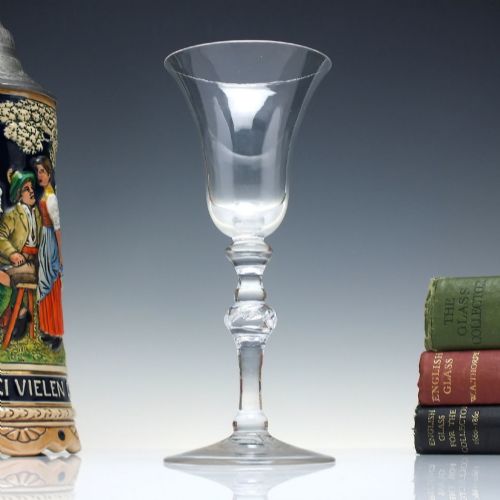
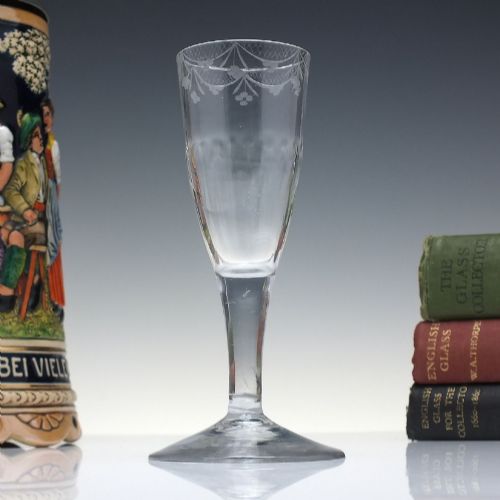
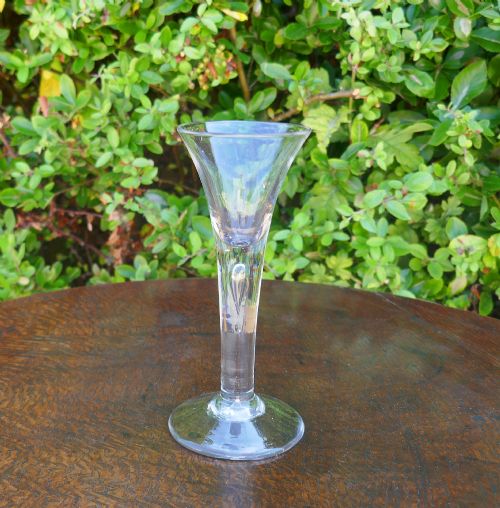
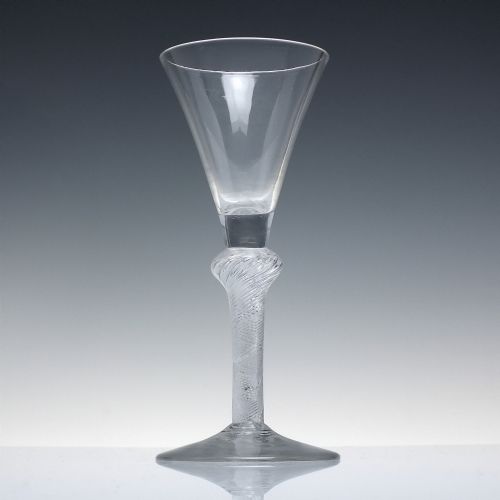
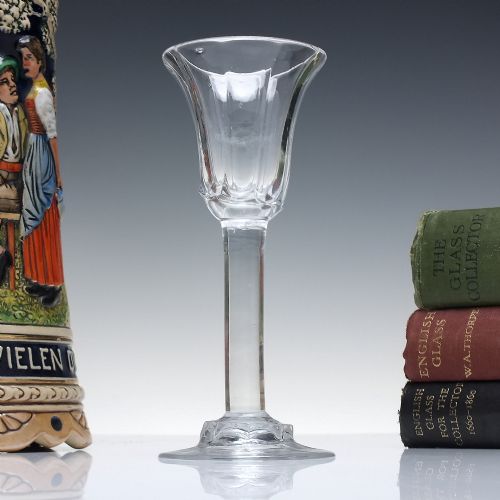
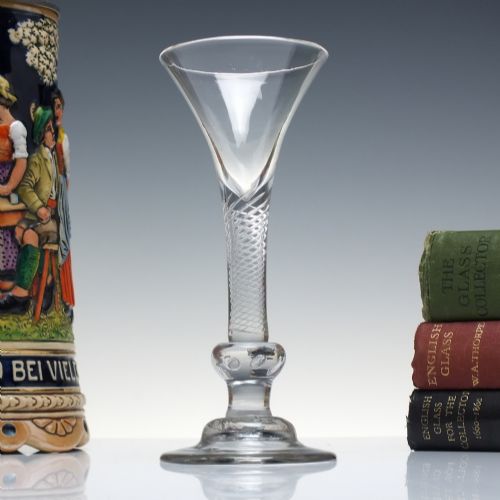
Glassmakers utilised lead glass, clear glass, lead crystal, and flint glass to form these vessels. The metal was blown and manipulated while hot to create bowls such as trumpet-bowl, pan top, and inverted petal moulded shapes.
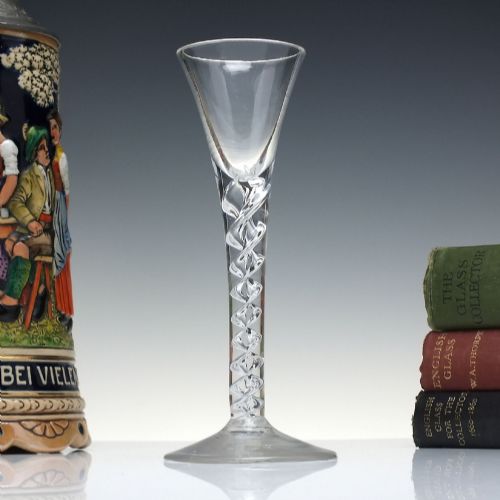
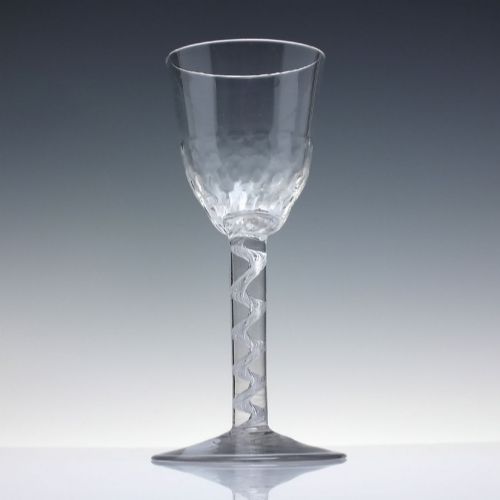
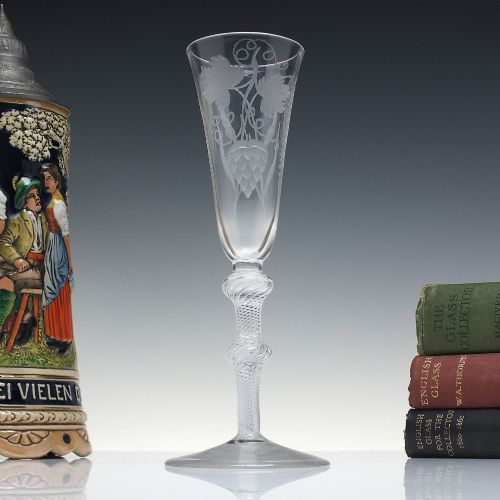
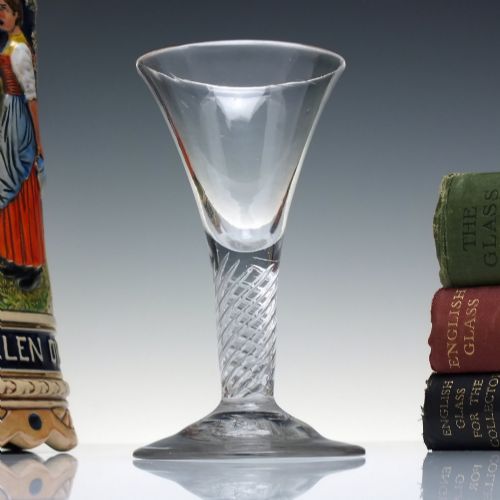
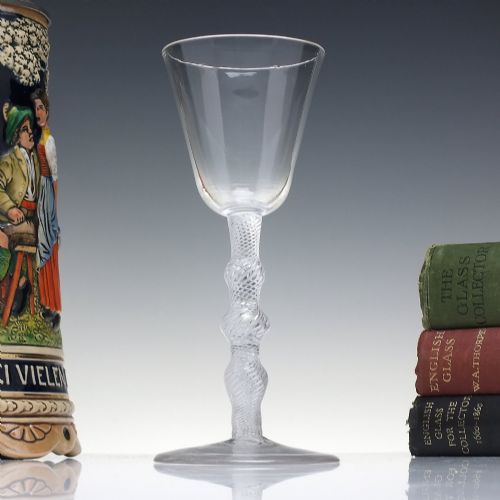
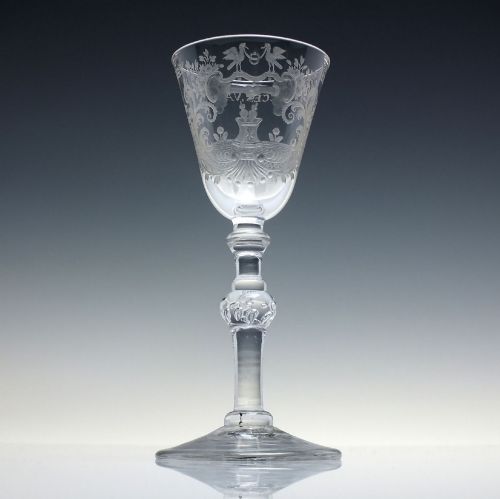
Stems were formed using specialist techniques to create air twists, multi-spiral air twists, mercury twists, plain stems, pedestal stems, and balustroid profiles. Knops were added singly, doubly, or triply to shape the profile.
Georgian Stemware C1750 Retail Price Guide 2026
Typical asking prices for georgian stemware c1750 among the pieces listed under this phrase on Sellingantiques today, from the lower quarter to the upper quarter. They describe what is for sale here now, not the wider market.
Listings feature lead glass, clear glass, lead crystal, and flint glass across wine glasses, ale glasses, whisky drams, champagne flutes, and ratafia glasses.
What varies in quality
The degree of clarity in the lead glass and clear lead crystal sets examples apart. Heavier metal and superior brilliance distinguish finer vessels.
The execution of the stem formation dictates the standard of the piece. Crispness in air twists, precise knop placement, and well-proportioned domed feet demonstrate superior hand-forming skill.
The Georgian Stemware C1750 Glossary
- Air Twist
- A stem formation created by drawing out elongated air bubbles trapped within the molten glass during manipulation. These bubbles are twisted into spirals as the stem is stretched and rotated.
- Mercury Twist
- A stem containing opaque white spiral threads resembling a column of mercury. Also known as silver twists or air bead chains, they are created using different techniques from standard air twists.
- Knop
- A knob or swelling on the stem of a glass. They occur singly or in multiples to add weight and decorative interruption to the profile.
- Ratafia Glass
- A tall, narrow drinking glass designed for sweet fruit liqueurs or cordials. The bowl is typically small and supported by a robust stem.
Georgian Stemware C1750: Frequently Asked Questions
What is an air twist stem?
An air twist stem is formed when trapped air bubbles inside the molten glass are stretched and spiralled during manufacture.
This technique creates delicate thread-like patterns running through the clear lead crystal stem.
How were different drinks served?
Specific glassware forms suited different beverages during the mid-eighteenth century. Tall glasses served ales and champagnes, while smaller vessels held cordials, whisky drams, and wines.
Capacity and bowl shape were tailored to the beverage type.
What is a domed foot?
A domed foot rises upward from the table edge toward the centre where it meets the stem. This profile provides extra stability and visual prominence.
Many formal wine glasses and goblets feature this characteristic form.
How do I care for antique glass?
Antique lead glass requires gentle hand washing in warm water with mild soap. Avoid sudden temperature changes to prevent thermal shock.
Store pieces securely on stable flat surfaces away from edges.