

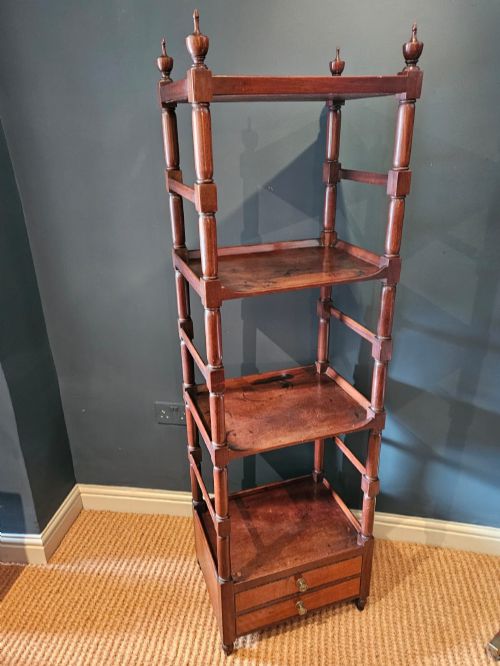
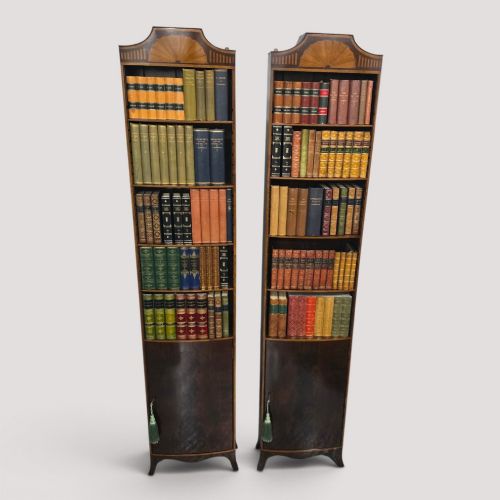
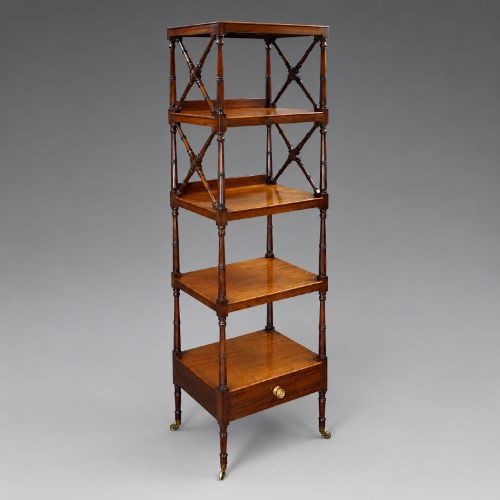
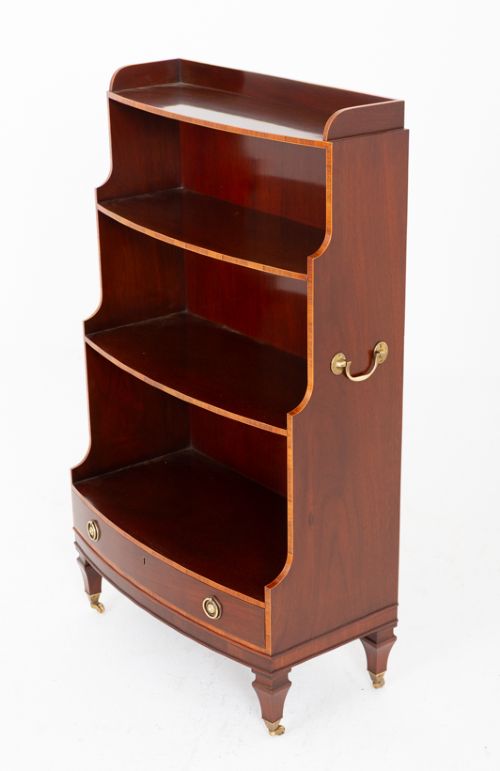
Georgian Standing Open Shelves
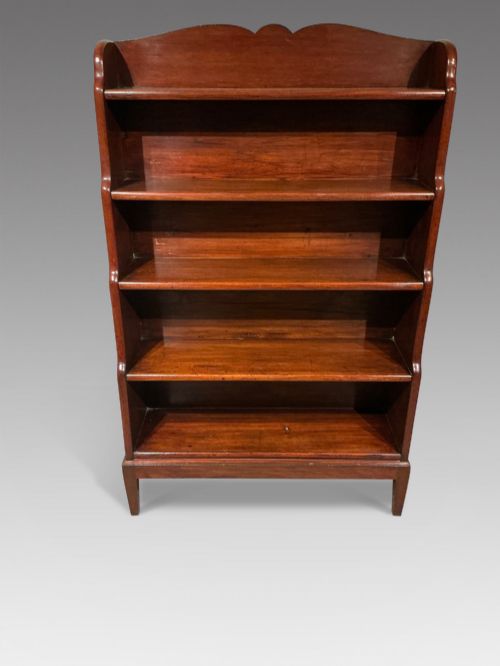
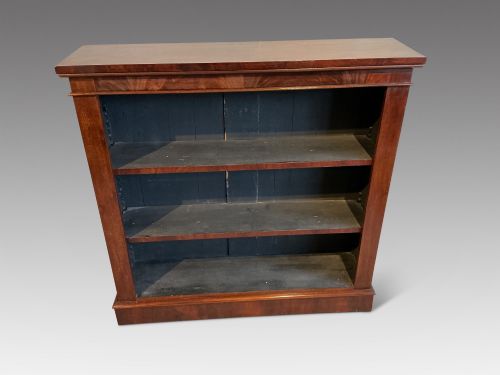
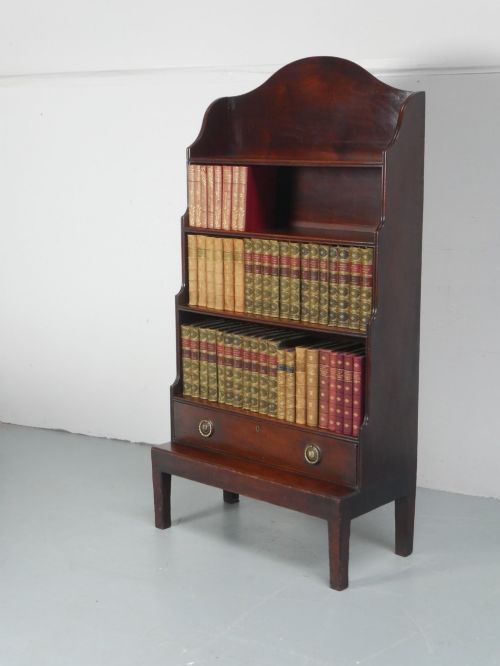
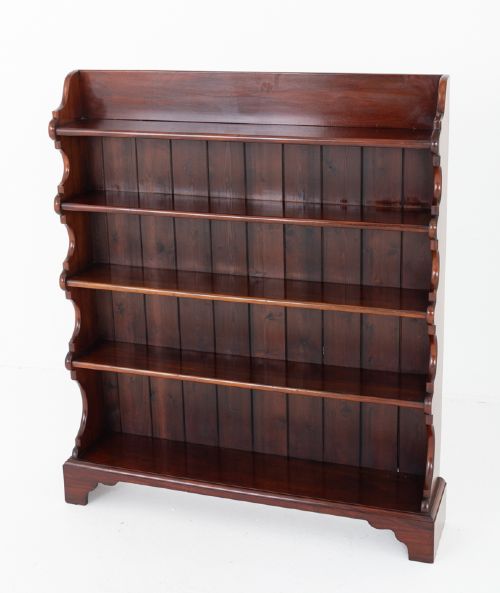
Georgian standing open shelves bring accessible display and storage into a room, offering tiered tiers for books and objects.
Georgian Standing Open Shelves
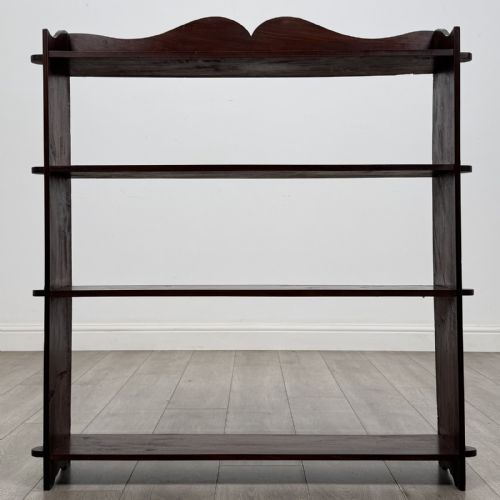
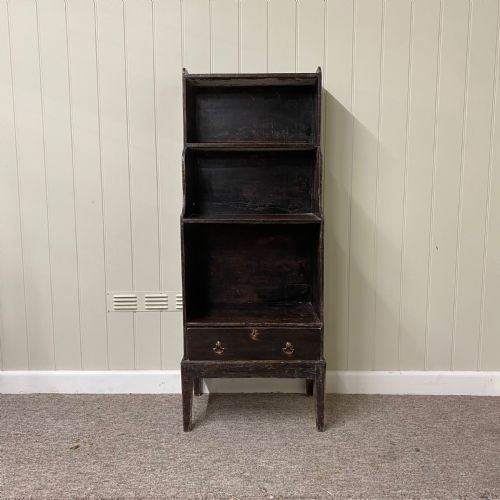
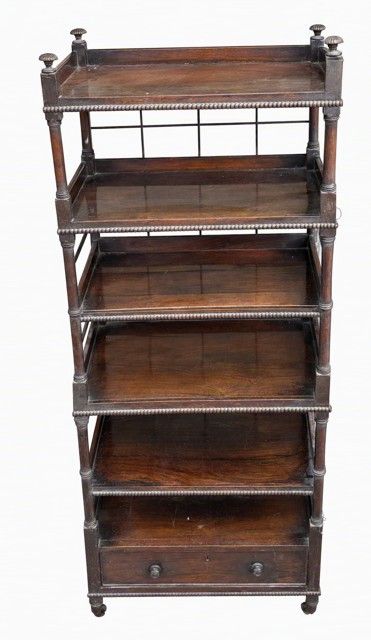
When you search for georgian standing open shelves, you encounter pieces designed for floorstanding display and storage, ranging from bookcases to multi-tiered whatnots and etageres. The selection spans the 18th century, Georgian and Regency periods, alongside later revivals such as Edwardian and early 20th century interpretations.
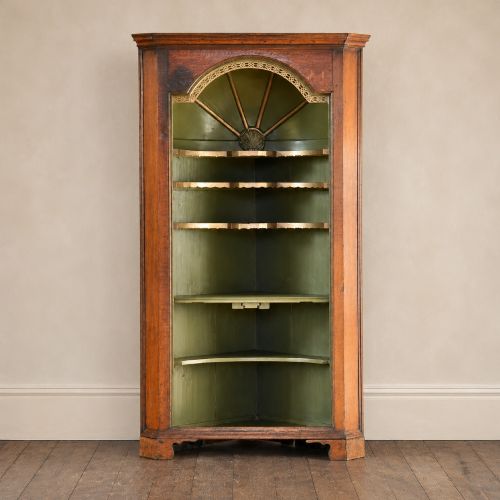
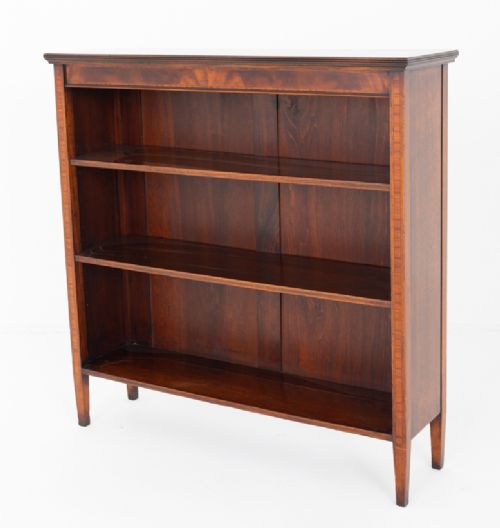
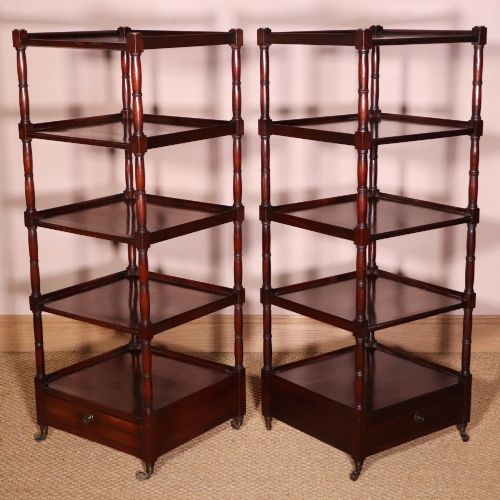
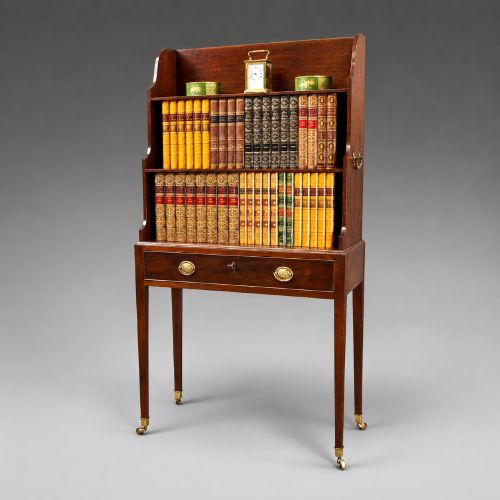
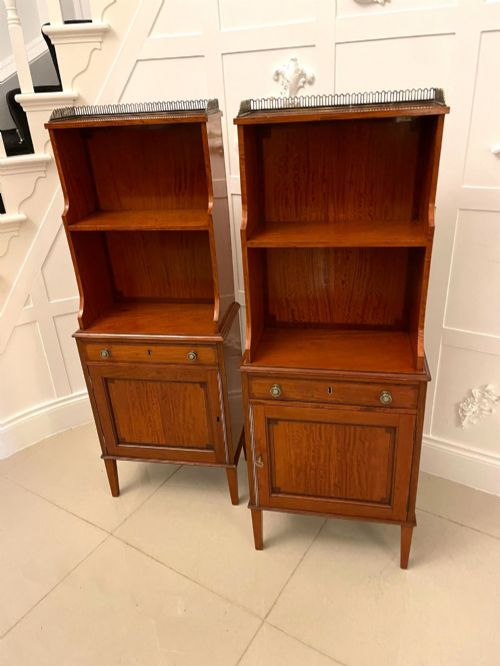
You are most likely to meet mahogany bookcases and whatnots featuring open shelving, sometimes combined with lower cupboards or raised galleries. Forms include cascading waterfall tiers, corner cabinets, and multi-tiered stands designed to sit freely against a wall or in a room corner.
How they were made
Cabinetmakers constructed these pieces primarily in solid timbers such as mahogany, oak, and rosewood, frequently incorporating decorative veneers like satinwood, burr walnut, and birdseye maple. Crossbanding, boxwood stringing, and applied paint provided visual contrast on the surfaces.
Structural details include raised galleries, carved shell motifs, brass fittings, and tiered shelving structures that required precise joinery to support books and display items safely across multiple levels.
Georgian Standing Open Shelves Retail Price Guide 2026
Typical asking prices for georgian standing open shelves among the pieces listed under this phrase on Sellingantiques today, from the lower quarter to the upper quarter. They describe what is for sale here now, not the wider market.
Materials recorded across the inventory include solid mahogany, oak, rosewood, satinwood, burr walnut, and partridge wood.
What varies in quality
The distinction between tiers of quality rests on the choice of timber and the sophistication of the decorative details, such as contrasting crossbanding and fine stringing. Pieces utilising solid mahogany, satinwood, or figured rosewood demonstrate greater ambition than later, simpler pine or basic softwood carcasses.
Proportion and execution define the upper end of the range, where balanced tiers, integrated cupboards, and carved elements display the maker's discipline. Lesser examples rely on plain surfaces and repetitive revival forms without the same clarity of line.
Gillows
The Georgian Standing Open Shelves Glossary
- Waterfall bookcase
- A set of open shelves that steps back progressively from the bottom to the top, creating a cascading profile.
- Whatnot
- A piece of furniture consisting of a series of open shelves supported by pillars or columns, used for displaying ornaments or books.
- Crossbanding
- A strip of veneer running perpendicular to the grain of the main surface, often used as a decorative border.
- Stringing
- Thin inlay lines of contrasting wood used to outline panels, drawers, or shelf edges.
- Gallery
- A low decorative railing or raised edge fitted to the top of a piece of furniture to keep items from sliding off.
Georgian Standing Open Shelves: Frequently Asked Questions
How were standing open shelves used?
These pieces served primarily for the accessible storage of books and the display of decorative objects in libraries and sitting rooms.
They allowed owners to keep frequently read volumes close at hand while showing off ceramics and small sculptures.
How do I style open shelves at home?
Position them against a solid wall in a living room or study where the timber grain and tiers can be appreciated from a distance.
Balance heavier books on the lower levels with smaller objects and lighter volumes on the upper cascading tiers.
How can I tell Georgian from later revival pieces?
Examine the timber selection, construction methods, and the crispness of any carved details like shell motifs or stringing.
Pieces dating to the 18th and early 19th centuries typically display distinct patination and joinery compared to Edwardian or 1920s revivals.
What is the difference between a whatnot and a bookcase?
Whatnots generally feature slender columns supporting multiple open display tiers intended for ornaments, music stands, or miscellaneous items.
Bookcases are typically built heavier and deeper, specifically proportioned to hold rows of books rather than decorative bric-a-brac.