
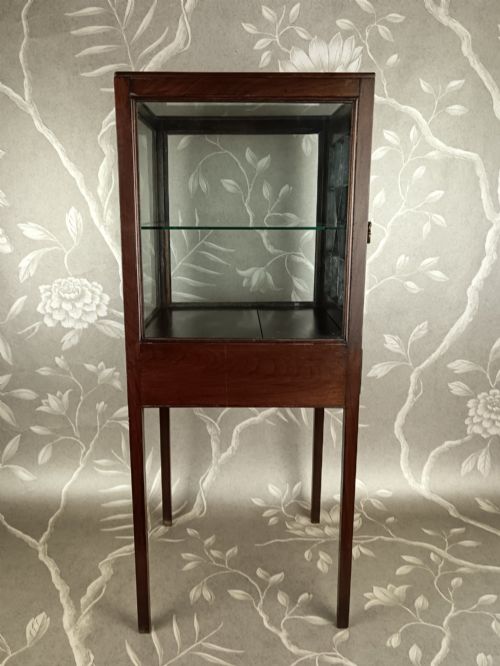
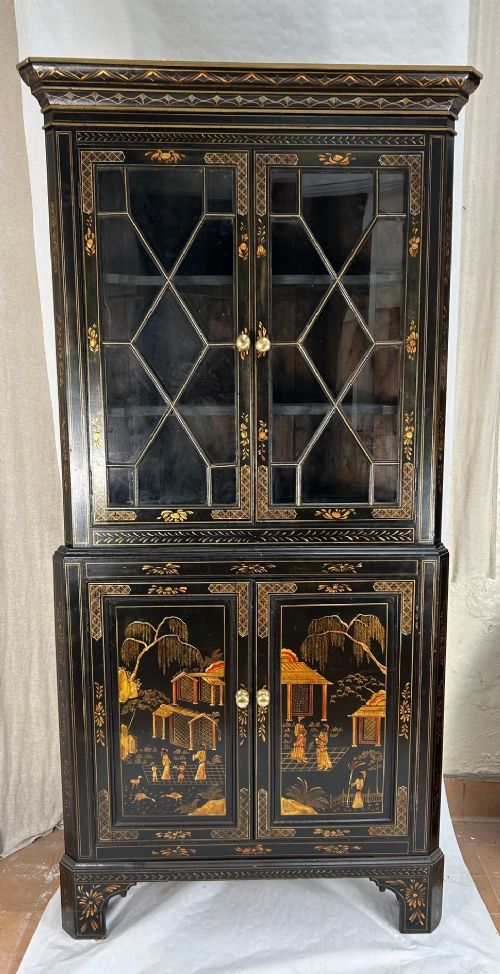
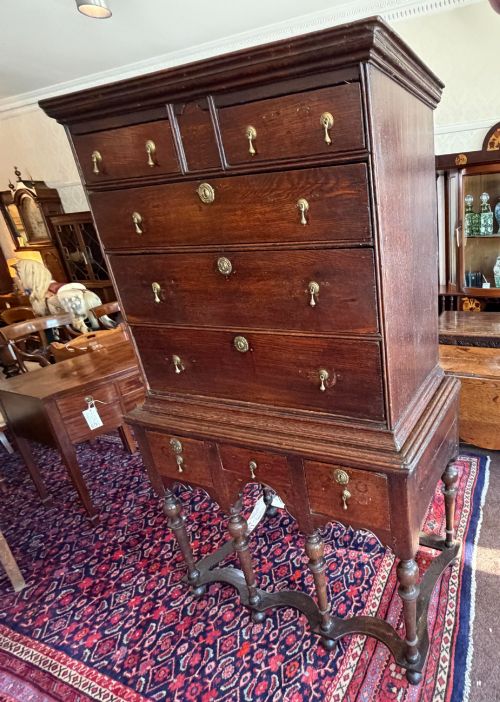
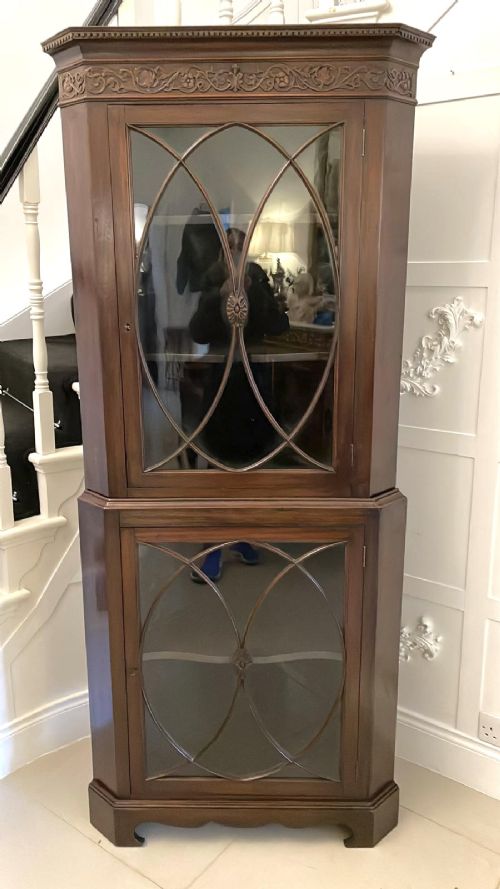
Georgian Standing Cabinet
A georgian standing cabinet brings timeless architectural presence to a room, offering upright storage designed to turn neglected corners and wall spaces into display points.
Georgian Standing Cabinet
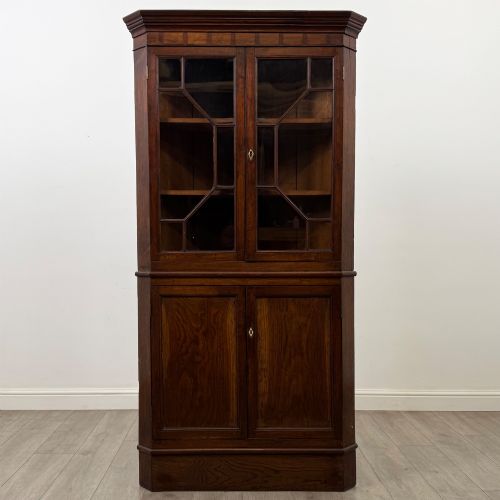
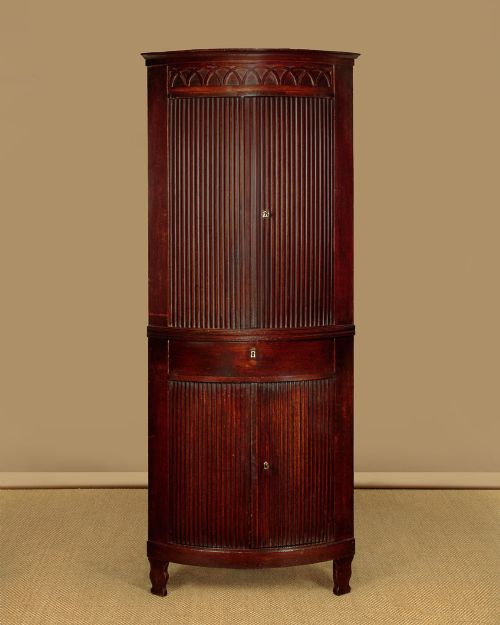
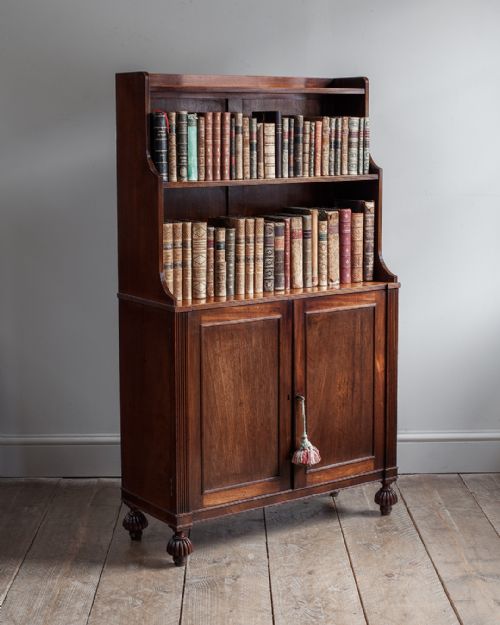
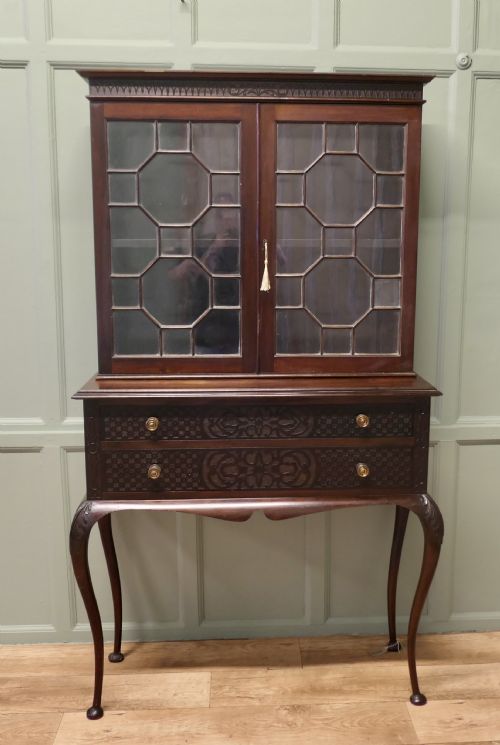
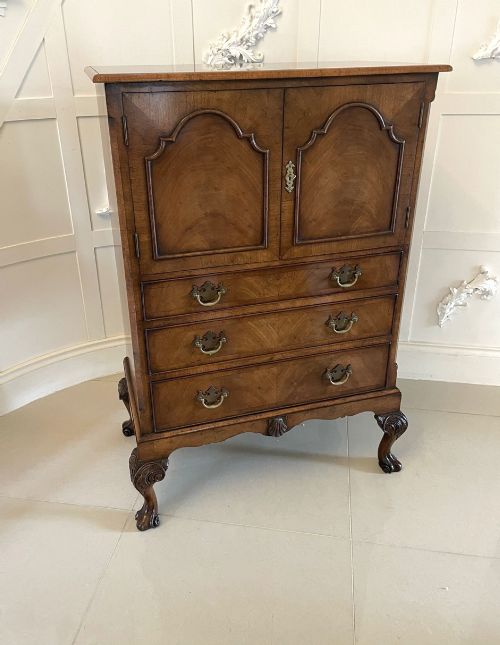
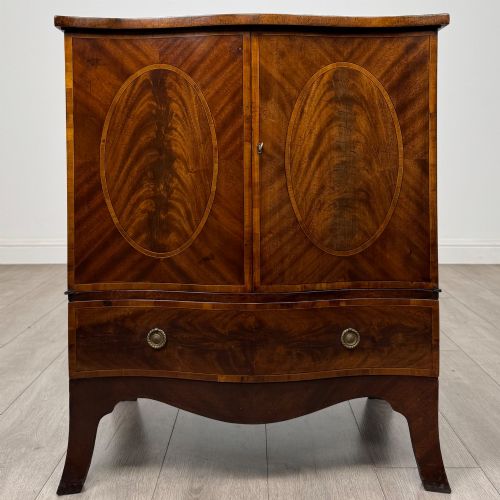
A georgian standing cabinet encompasses floor-standing corner cupboards, display cabinets, bookcases, and chests on stands originating predominantly from the eighteenth century through to later revival periods. The inventory reflects a strong preference for mahogany and oak corner units, often constructed in two parts to ease transport and placement in domestic interiors.
Buyers encountering this phrase will frequently inspect standing corner cupboards and glazed bookcases built during the Georgian and Regency eras. These pieces bridge utilitarian storage and formal display, utilising architectural cornices and fielded panels to anchor dining rooms and parlours.
Alongside eighteenth-century examples, the selection includes pieces spanning the Victorian, Edwardian, and later periods executed in styles ranging from Chippendale to Queen Anne revival. This mix allows collectors to balance period authenticity with the specific scale required for modern rooms.
Materials and Construction
Cabinet makers relied heavily on timber selection, utilising dense mahogany, figured walnut, and robust oak as the structural foundation for these upright carcasses. Secondary woods such as pine or elm frequently appear in internal shelving and drawer linings, pointing to regional workshop practices.
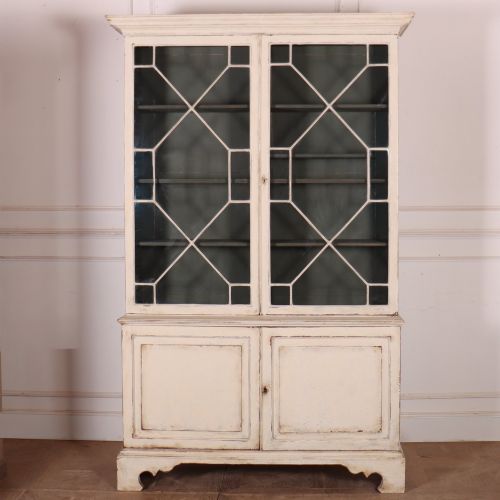
Glazing bars, brass hardware, and hand-cut dovetailing define the assembly of better examples. Astragal glazed doors and intricate cross-banding demonstrate the joinery skills employed to elevate simple storage into refined architectural furniture.
The listings show a strong concentration of mahogany and oak corner cabinets spanning the eighteenth and nineteenth centuries.
Judging Quality
The distinction between standard utility cupboards and exceptional pieces rests upon timber figuring, surface patination, and the crispness of carved details. Cabinets retaining original brasses, unblemished glass panes, and unbroken bracket feet command higher regard among serious collectors.
Proportion and architectural integrity also dictate worth, separating standard provincial workshop output from pieces designed by prominent cabinet makers. Original surface treatments, such as waxed finishes or period lacquer, preserve the tactile depth that mechanical sanding destroys.
Gillows
The Georgian Standing Cabinet Glossary
- Astragal glazed
- Glass secured by wooden bars forming geometric patterns. This technique lightens the visual weight of large bookcase and display cabinet doors.
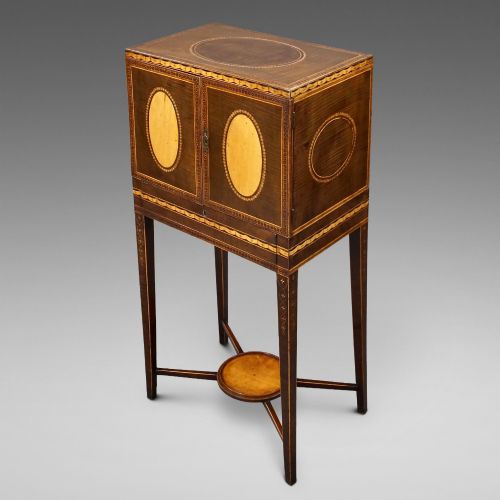
- Chest on stand
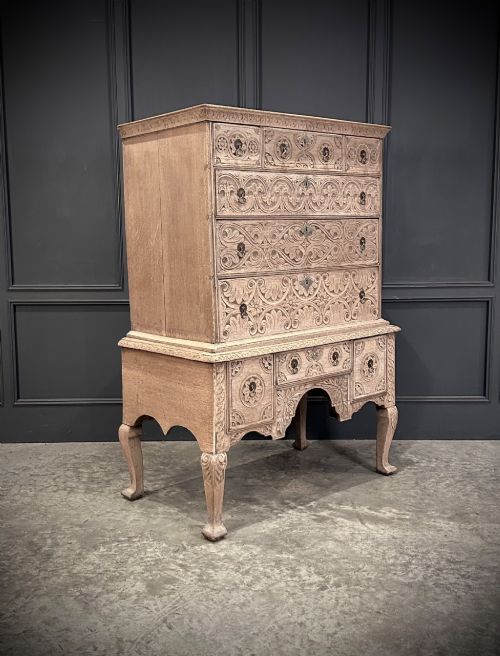
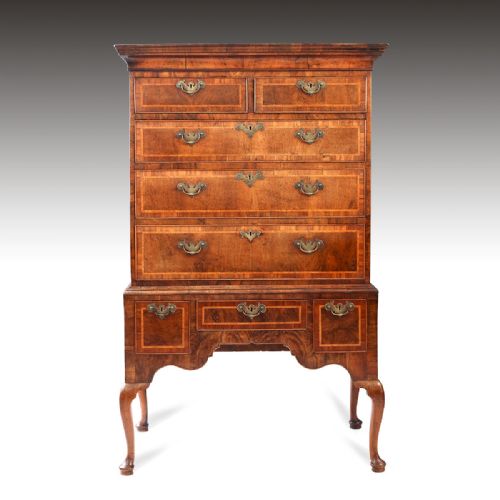
- A drawer chest elevated on a separate framework with legs. This form lifts storage off the floor to create lighter proportions.
- Bracket foot
- A structural foot supporting the corners of a cabinet. It is shaped like an architectural bracket, often taking ogee or moulded profiles.
- Cross-banding
- A narrow strip of veneer laid across the grain direction of the primary wood. It frames drawer fronts and tabletops to add decorative contrast.
- Vitrine
- A glass-fronted display cabinet intended for porcelain and curiosities. It prioritises visibility over concealed storage.
Georgian Standing Cabinet: Frequently Asked Questions
What is a standing cabinet?
A standing cabinet is an upright furniture piece designed to rest directly on the floor rather than hang on a wall or sit on a desk. These units provide enclosed shelving, drawers, or display space.
In this category, standing cabinets most commonly include corner cupboards, bookcases, and chests on stands built during the Georgian period and later revival eras.
How were corner cupboards used?
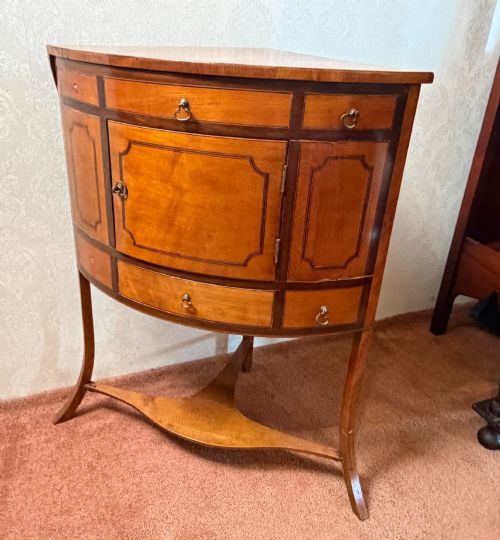
Corner cupboards made efficient use of domestic floor space in eighteenth-century rooms by fitting snugly into ninety-degree angles. They served to store and display household ceramics, glassware, and documents.
Many examples feature two distinct sections, allowing the upper display area to separate from the lower cupboard base for easier movement between rooms.
How do I spot a Georgian piece?
Identifying a Georgian piece involves examining timber choice, construction methods, and hardware placement. Eighteenth-century makers relied on dense mahogany and oak, joining drawer boxes with hand-cut dovetails.
Look for architectural elements like dentil cornices, bracket feet, and original hand-blown glass panes within astragal glazing bars rather than modern machine-made replacements.