
Georgian Soft Paste
Georgian soft paste porcelain brings together 18th-century English ceramic artistry through delicate teawares, useful table vessels, and modelled figures painted in polychrome and blue and white.
Georgian Soft Paste
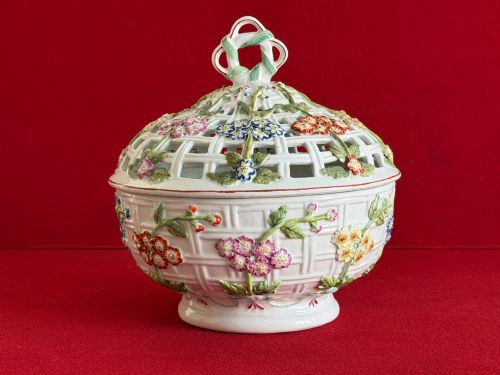
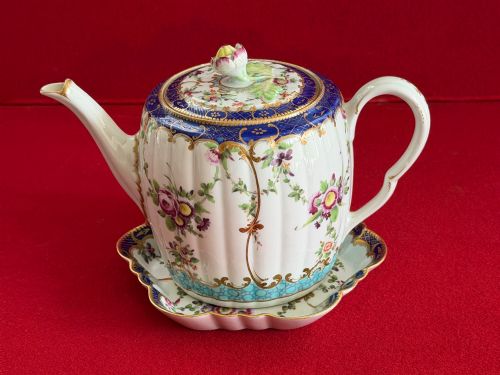
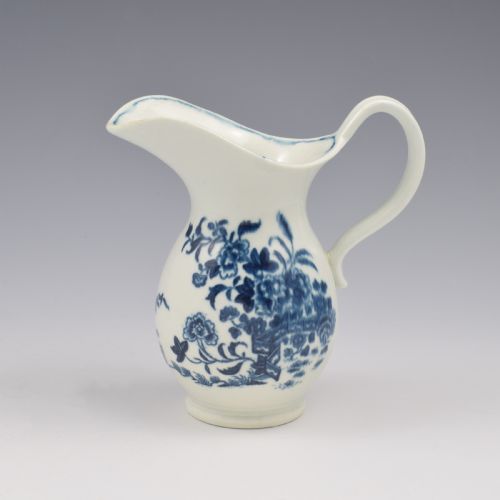
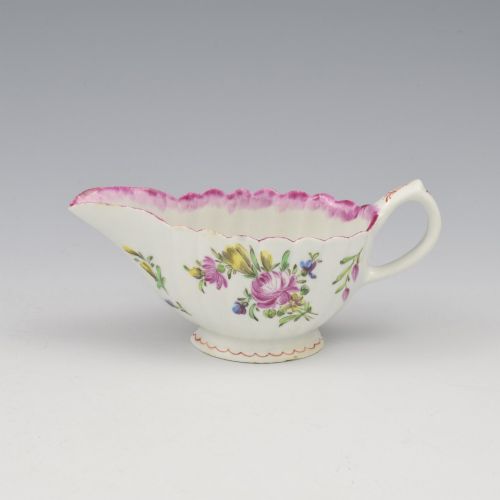
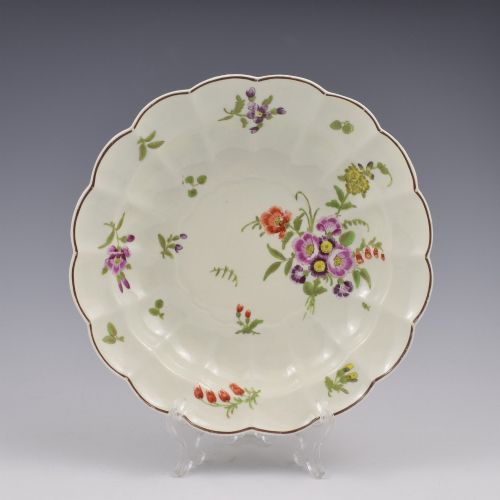
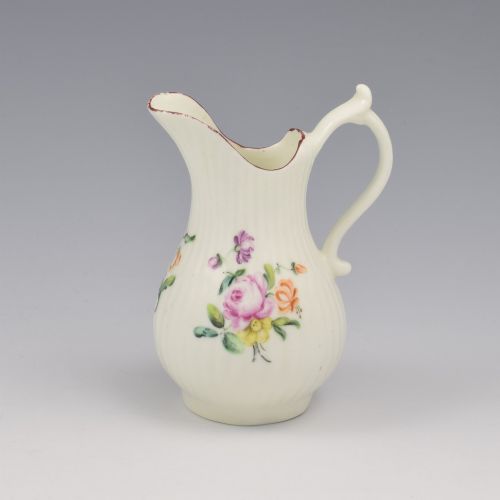
When searching for Georgian soft paste, collectors encounter domestic table wares and decorative objects produced by English factories during the eighteenth century and the Regency period. The selection on this page centres heavily on pieces from the First Period Worcester factory, alongside notable outputs from Bow, Derby, Caughley, Liverpool, Chelsea, Longton Hall, and New Hall.
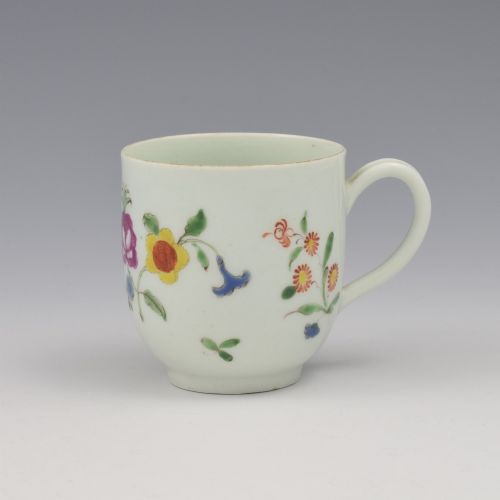
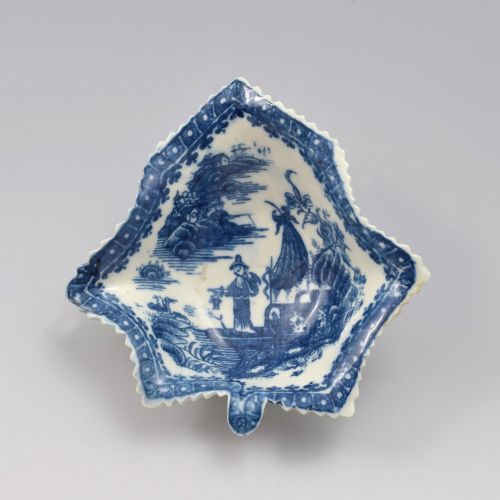
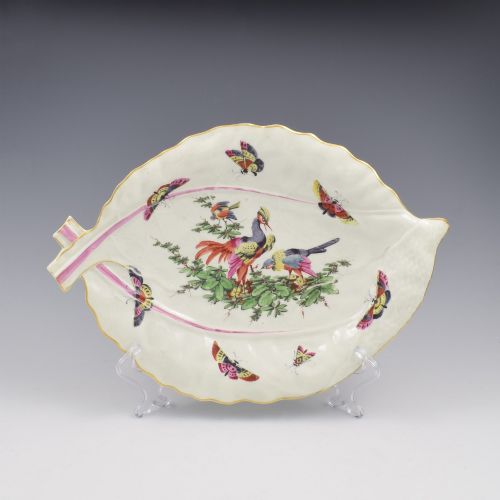
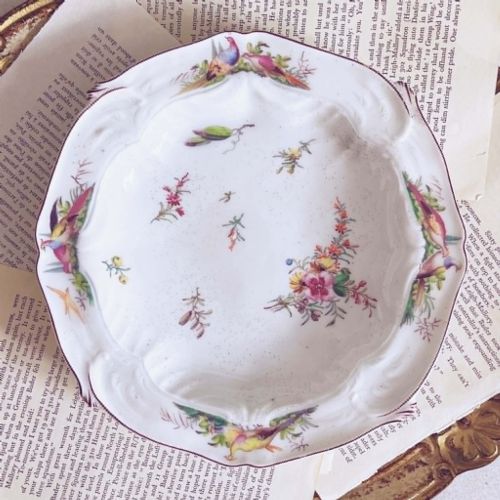
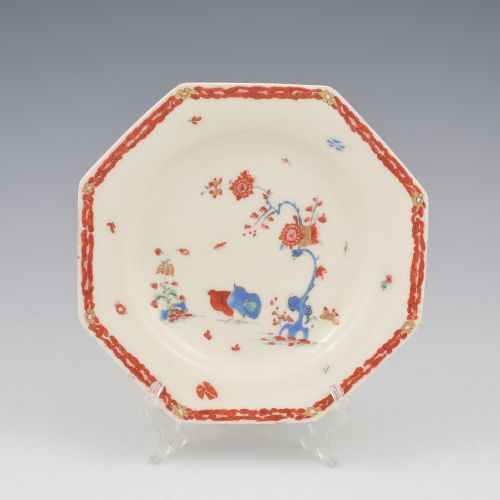
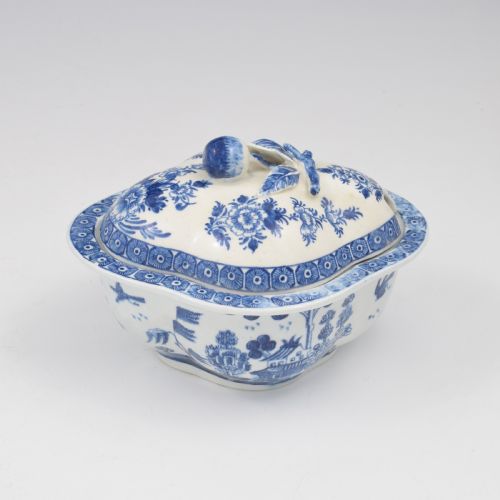
Stylistically, these ceramics span Rococo mouldings, Neoclassical shapes, and Georgian Chinoiserie decorations such as the Fisherman pattern, Kakiemon quail designs, and hand-painted polychrome birds or floral sprays. Pieces vary from simple blue and white domestic items to elaborate, gilt-trimmed baskets and bocage candlestick figures.
Materials and technique
Makers produced these ceramics using soft-paste porcelain, an artificial clay body composed of white clays, glass frit, and ground materials that fused at lower temperatures than true hard-paste porcelain. This vitreous body accepted rich glaze coatings and allowed potters to achieve creamy textures and subtle translucency.
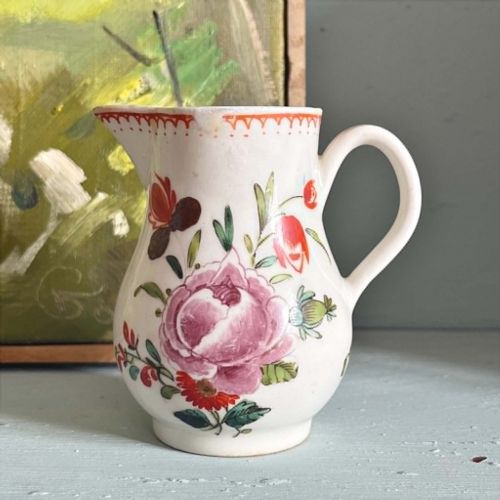
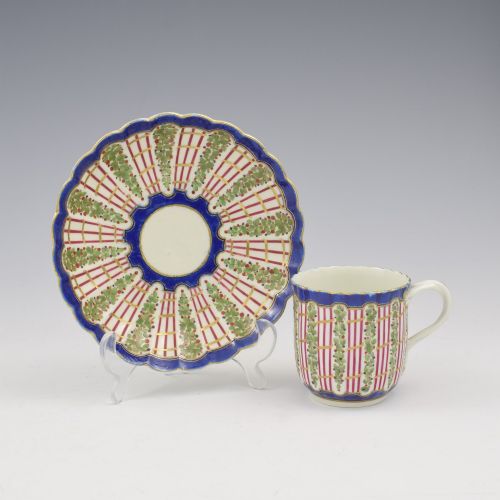
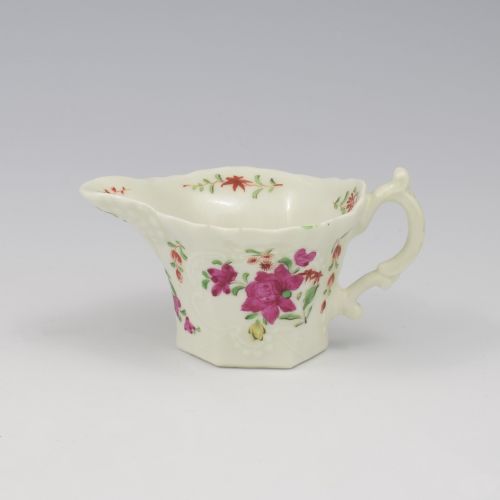
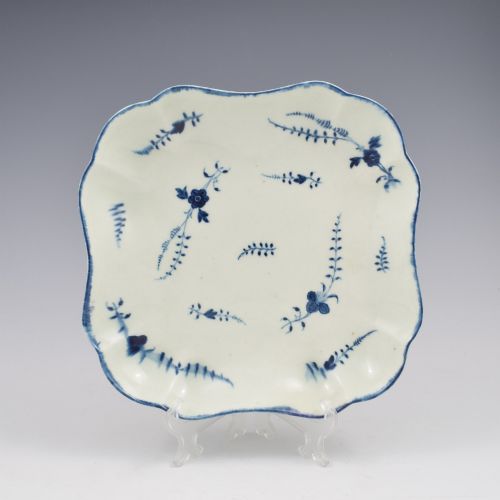
Decoration relied on cobalt glaze applied under the glaze for durable blue and white designs, or enamel colours painted over the fired glaze for polychrome birds, insects, and floral motifs. Artisans frequently applied gold leaf and gilding to rims and borders, sometimes combining these metallic accents with moulded relief elements like wickerwork, fluting, and leaves.
Georgian potters occasionally hid tiny painted insects inside tea bowls to surprise drinkers as their tea disappeared.
Variations in quality
Quality in these ceramics rests upon the crispness of the porcelain moulding and the artistic execution of the hand-painted decoration. Finer pieces display sharply defined relief work on leaf dishes, baskets, and figurine details, whereas lesser examples suffer from blurred modelling or sluggish brushwork.
The application of enamel colours and cobalt painting dictates the visual success of a vessel, distinguishing standard domestic wares from expertly rendered cabinet pieces. Additionally, the translucency of the soft-paste body and the evenness of the glaze coverage separate superior early factory output from more routine production.
Derby Porcelain·Worcester Porcelain·Richard Chaffers·Caughley Porcelain·Dr Wall·Bow Porcelain·Chelsea·Longton Hall·New Hall Porcelain
The Georgian Soft Paste Glossary
- Soft-paste porcelain
- An artificial ceramic body developed in England before true hard-paste porcelain became widespread, consisting of glass frits and white clays. It fires at a lower temperature, creating a warm, creamy body that interacts distinctively with glazes and enamel colours.
- Bocage
- An applied background of modelled leaves and flowers surrounding ceramic figures. This decorative technique appears frequently on 18th-century English figures to suggest a natural woodland setting.
- Chinoiserie
- European interpretations of Chinese and East Asian artistic motifs. Painters applied these imaginative oriental landscapes and figures to teawares and dishes.
- Biscuit
- Unglazed fired porcelain. Derby utilised this matte finish for sculptural figures to highlight the fine modelling of the human form without the distraction of a glossy glaze.
- Polychrome
- Decoration employing multiple enamel colours. Artisans painted these vibrant palettes by hand over the fired glaze before a final low-temperature kiln fixing.
Georgian Soft Paste: Frequently Asked Questions
What is soft paste porcelain?
Soft paste porcelain is an artificial ceramic mixture used by English factories during the 18th century before the discovery of local kaolin deposits. It combines white clays with ground glass and other ingredients to create a vitreous body that melts at lower temperatures than hard paste.
This material yields a warm, slightly creamy appearance beneath the glaze and allows for soft, diffused underglaze blue painting. It absorbs enamels remarkably well, producing the distinctive painted surfaces found on Georgian teawares and figures.
How do I identify First Period Worcester?
First Period Worcester porcelain, produced under the direction of Dr Wall, is characterised by fine potting, delicate blue and white transfer printing or hand painting, and translucent soft paste bodies. Look for early workman marks, crescent symbols, or square fret marks painted under the base.
The factory excelled in intricate gilding, shaped dessert dishes with moulded leaf or wicker patterns, and vibrant Chinoiserie or floral enamel palettes. Pieces frequently exhibit a pale greenish tint in the body when held directly against a strong light.
Were these items used daily?
Many of these vessels served practical functions in 18th-century dining and tea service, including teapots, cream jugs, coffee cups, and sauce boats. Wealthy households utilised them for serving tea, coffee, and rich sauces during formal meals.
Delicate figures and decorative baskets, however, served purely ornamental roles within Georgian interiors. They decorated mantelpieces and dining tables as part of elaborate dessert services or seasonal displays.