


Georgian Soft Paste China
Georgian soft paste china comprises eighteenth-century porcelain tea wares, tableware and figures modelled with early glassy bodies and hand-painted decoration.
Georgian Soft Paste China
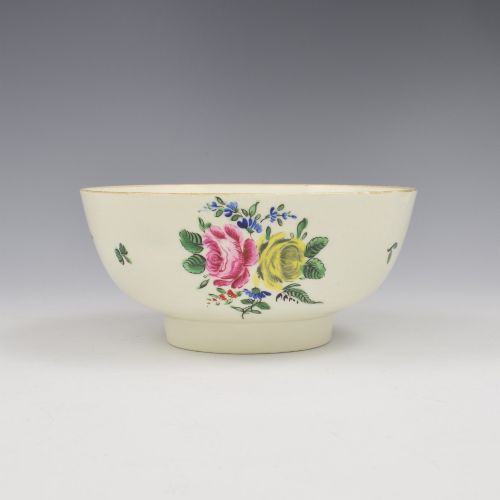
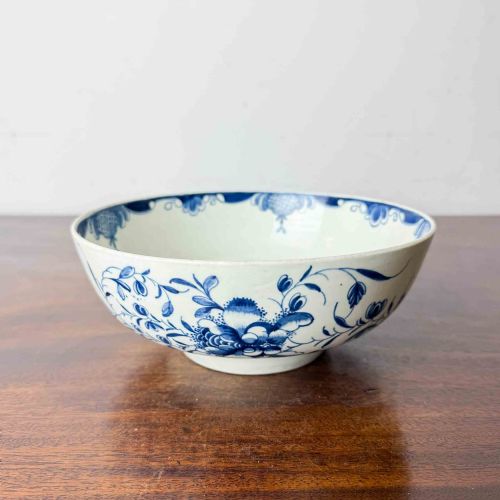
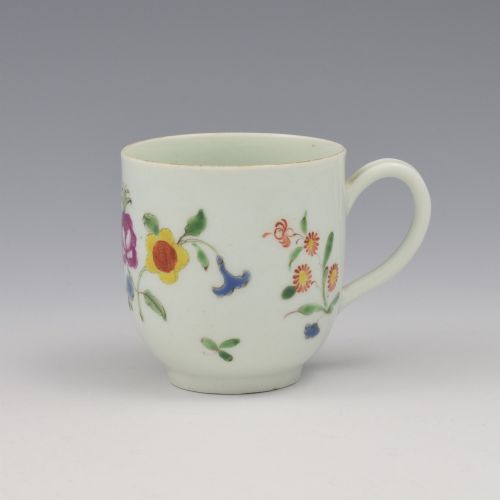
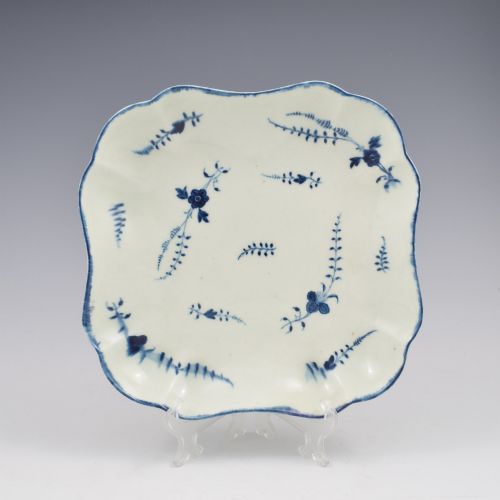
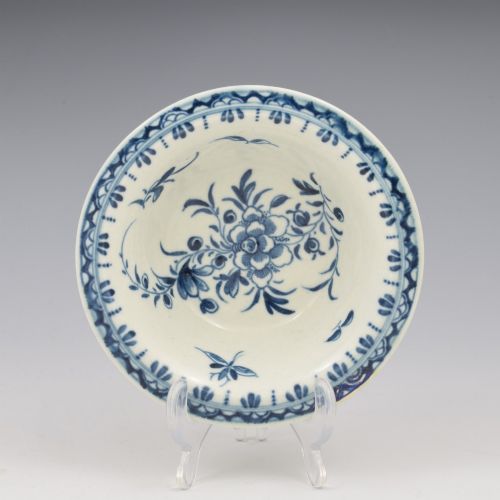
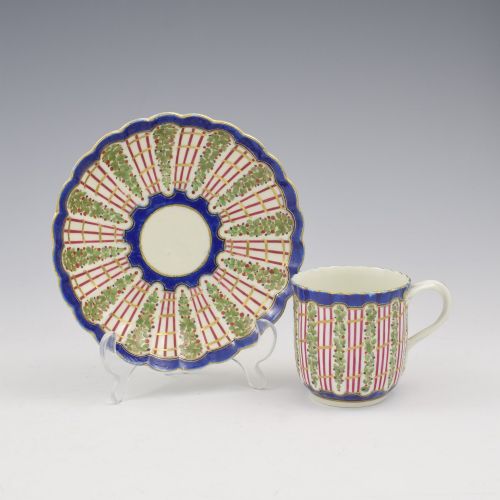
When buyers search for georgian soft paste china, they encounter early English ceramic forms produced during the eighteenth century across several prominent factories. The selection on this page centres upon domestic tea bowls, saucers, coffee cups, slop bowls, and plates, alongside sculptural figures and decorative dishes.
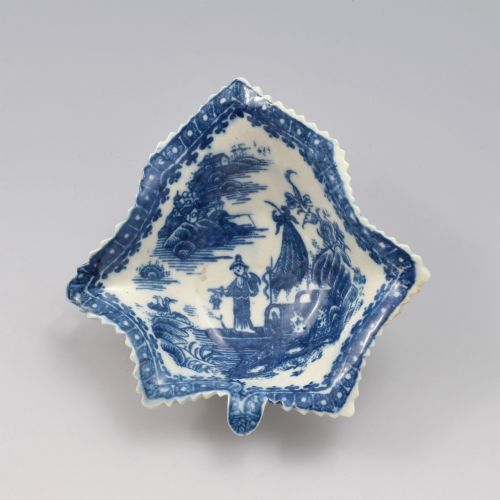
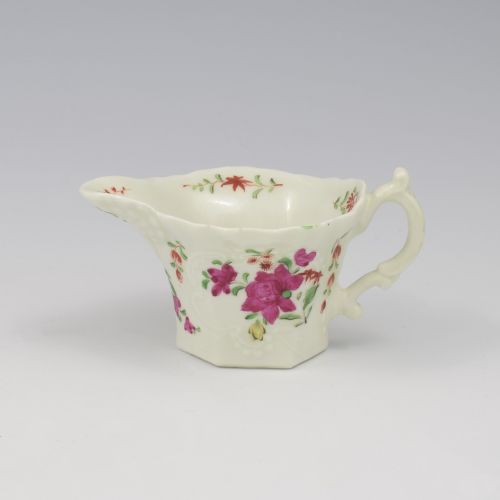
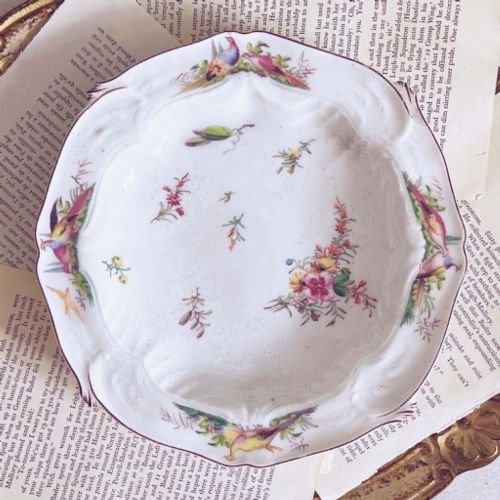
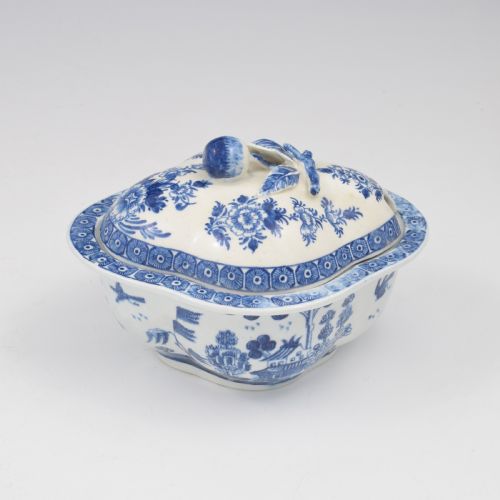
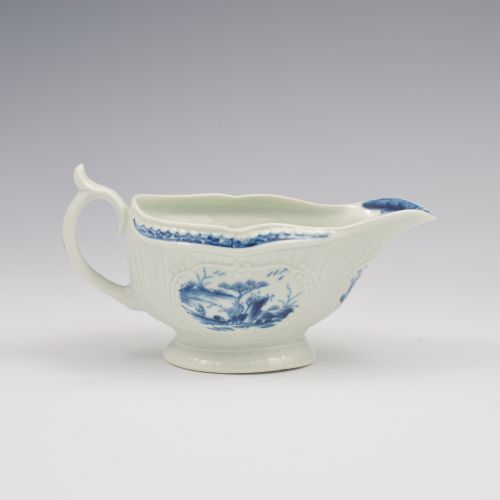
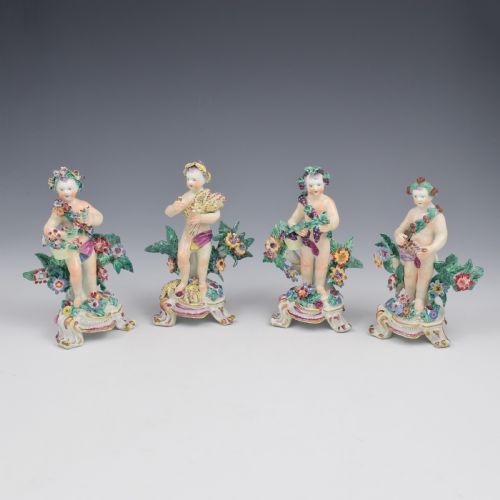
The domestic forms include pickle dishes, sauce boats, and serving dishes influenced by rococo and chinoiserie styles. Figures depict putti representing the seasons or elements, along with street vendors and theatrical characters modelled in soft-paste bodies.
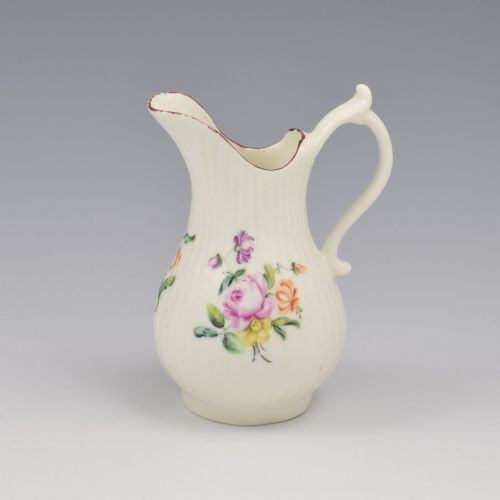
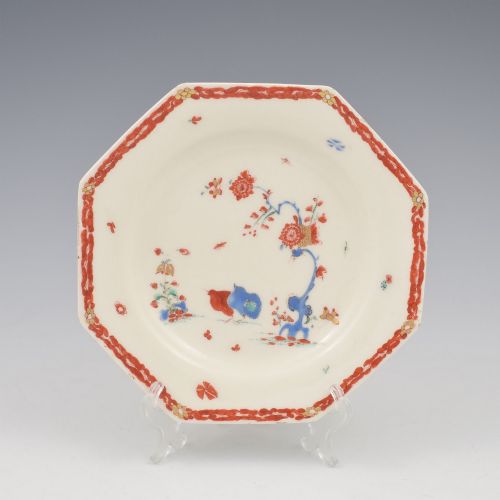
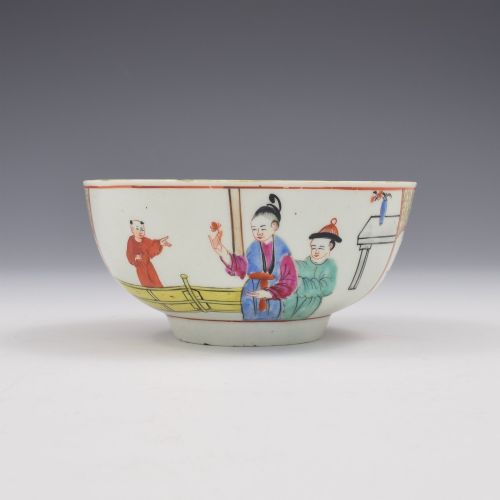
Worcester, Bow, and Derby factory pieces dominate the selection, spanning periods from the mid-eighteenth century to around eighteen hundred. These items reflect the domestic routines and dining habits of Georgian households through hand-painted underglaze blue and polychrome enamels.
How they were made
Potters formulated soft-paste porcelain using mixtures of white clay, glass frit, and ground alabaster or soapstone, which fired at lower temperatures than true hard-paste porcelain. This body produced a warm, slightly creamy translucency that absorbed glaze deeply, creating characteristic pooling and soft integration of painted pigments.
Decoration relied on cobalt blue applied directly to the unglazed body before firing, or on enamel colours and gold leaf applied over the fired glaze and fixed in a second, cooler kiln. Potters employed hand-painted brushwork, transfer printing, and moulded relief to articulate patterns such as Kakiemon motifs, fisherman scenes, and floral sprays.
Georgian Soft Paste China Retail Price Guide 2026
Typical asking prices for georgian soft paste china among the pieces listed under this phrase on Sellingantiques today, from the lower quarter to the upper quarter. They describe what is for sale here now, not the wider market.
Several charming figures depict eighteenth-century street vendors, including a dedicated bun seller and a small boy drummer.
What varies in quality
Quality in these ceramics rests upon the crispness of the modelling in figures and the precision of the brushwork on domestic wares. Superior examples display sharply defined moulded details, steady underglaze cobalt lines, and carefully controlled polychrome enamel palettes without blurring.
The smooth application of the glaze and the stability of the soft-paste body during firing dictate the refinement of the finished piece. Early wares with minimal kiln warping and well-adhered gilding command greater attention from collectors.
Richard Chaffers·Caughley Porcelain·Derby Porcelain·Chelsea Porcelain·Worcester Porcelain·Liverpool Pennington
The Georgian Soft Paste China Glossary
- Soft-paste porcelain
- An early ceramic composition of clay, glass, and flux fired at lower temperatures than true porcelain. It yields a creamy body and a distinctive glossy texture.
- Underglaze blue
- A decorative technique using cobalt oxide painted onto the raw or biscuit body before glazing and firing. It sinks into the glaze to produce a deep blue hue.
- Enamel
- Coloured glass powders mixed with an oil medium and painted over the fired glaze. These require a subsequent low-temperature kiln firing to bond with the surface.
- Kakiemon
- A Japanese porcelain style featuring asymmetrical enamelled designs of birds, quail, and floral branches. Georgian English factories frequently copied these palettes.
- Putti
- Depictions of plump, winged male infants used as decorative motifs in eighteenth-century European art and porcelain sculpture. They often symbolise allegorical themes.
Georgian Soft Paste China: Frequently Asked Questions
How do I identify soft-paste porcelain?
Soft-paste porcelain can often be identified by its slightly warmer, more translucent body and a softer glaze that may show fine crazing or small potting imperfections under magnification. The footrims frequently display unglazed patches where kiln props supported the item during firing.
Older pieces lack the harsh, brilliant whiteness and extreme hardness of later bone china or true hard-paste porcelain. Handling familiar factory bodies helps develop an eye for the distinct weight and texture of these early English wares.
What were tea bowls used for?
Tea bowls served as small, handleless cups for drinking brewed tea during the eighteenth century, when tea was an expensive commodity enjoyed in formal social settings. Guests held the small vessels in both hands to sip the hot liquid.
Saucers accompanied the bowls to catch drips or to allow tea to cool after being poured from the teapot. These matched sets formed an essential part of the Georgian tea table display.
Why do some pieces feature anchor marks?
Anchor marks serve as factory identifiers used by the Chelsea porcelain manufactory during the eighteenth century to denote specific production periods. Gold anchor marks generally indicate the later, more finely decorated output of the factory.
Red anchor marks identify wares produced during the preceding decade, which often featured lighter bodies and polychrome painting styles. These painted symbols helped retailers and customers recognise the origin of the ceramics.