


Georgian Silver Tea Box
A georgian silver tea box holds the leaves that once dictated household status, offering substance and tactile history to any collection.
Georgian Silver Tea Box
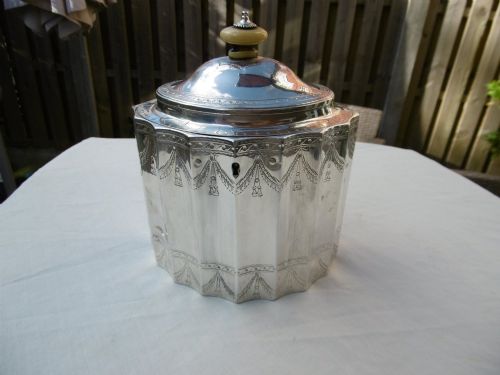
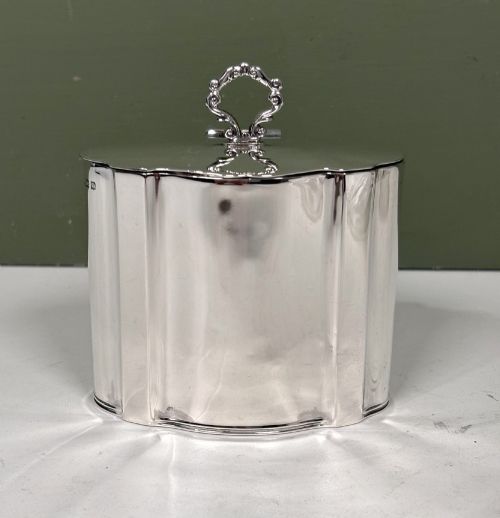
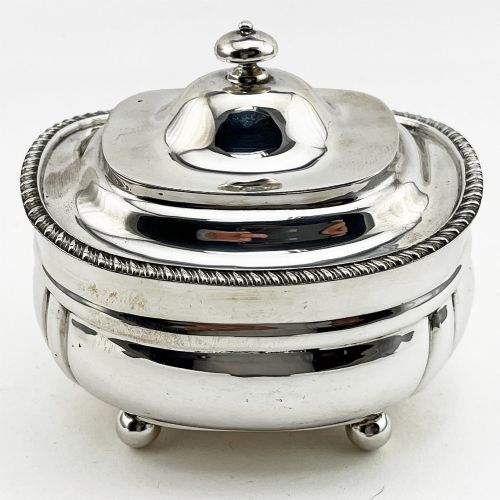
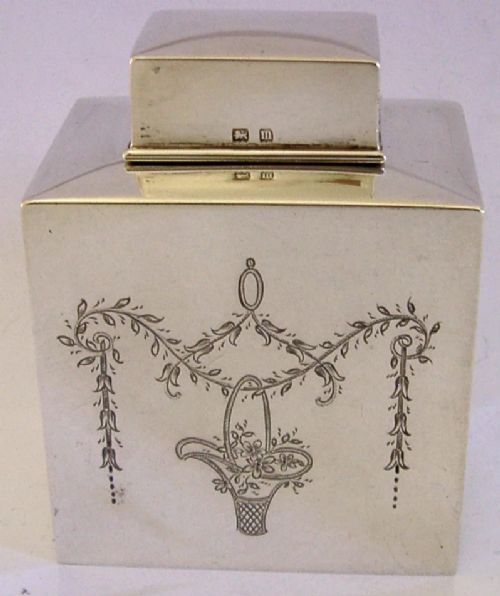
When you search for a georgian silver tea box, you encounter pieces designed to secure precious tea leaves under lock and key during the eighteenth and nineteenth centuries. These vessels survive in sterling silver, silver plate, and occasionally combined with tortoiseshell, wood, or cut glass.
The pieces on this page span the Georgian and Regency periods, alongside later revivals from the Edwardian era and the twentieth century. Alongside standard caddies, the selection includes related forms like biscuit boxes, teaspoons, and coffee spoons that complete a tea service.
Materials and construction
Silversmiths utilised sterling silver and Old Sheffield Plate, shaping metal through hammering, fluting, and casting to achieve decorative forms. Robert Hennell and other makers applied detailed rococo motifs and crisp fluting to heavy gauge silver.
Organic materials such as tortoiseshell and burr maple were applied over wooden cores, secured with bone or metal fittings and lined with velvet. Cut glass bodies were mounted with hallmarked silver collars and hinged lids.
Miniature tortoiseshell caddies remind us that eighteenth-century tea was so precious it required miniature locks.
Assessing quality
Weight and gauge of the metal set the foundation, with heavier caddies demonstrating greater substance and resilience over centuries of handling. The crispness of chased decoration and the precise alignment of hinges distinguish superior workshops from standard production.
The integration of secondary materials like tortoiseshell or shagreen requires tight joints and well-preserved veneers. Maker marks provide clear attribution to notable silversmiths, adding historical weight to the physical object.
Robert Hennell·P A W Bateman·Edward Barnard & Son
The Georgian Silver Tea Box Glossary
- Sterling silver
- An alloy consisting of 92.5 percent silver by mass, standard for quality British tableware. This standard ensures durability and longevity.
- Old Sheffield Plate
- A method of fusing a thin sheet of silver to a thicker copper base. This technique was widely utilised before modern electroplating.
- Tortoiseshell
- The outer shell of certain sea turtles, used as a decorative veneer on luxury wooden caddies. It brings rich amber and brown tones to the surface.
- Shagreen
- Undyed skin from sharks or rays, prepared with a granular surface and used to cover luxury boxes. It provides a distinct textured finish.
- Fluting
- Parallel hollows channelled into the surface of metal or glass for ornamentation. This technique catches the light and adds structural rigidity.
Georgian Silver Tea Box: Frequently Asked Questions
What is a georgian silver tea box?
A georgian silver tea box is a secure container originally used to store and protect expensive tea leaves in the eighteenth and nineteenth centuries. They were often kept locked to prevent theft by household staff.
These pieces range from solid sterling silver caddies to tortoiseshell and wood boxes fitted with silver mounts. They reflect the high value placed on tea when it was first imported to Britain.
How do I care for a silver tea box?
Silver surfaces require occasional gentle cleaning with a soft cloth and appropriate polish to remove tarnish without wearing away the underlying metal. Avoid harsh abrasives that can damage engraved details and hallmarks.
For pieces incorporating tortoiseshell, wood, or velvet linings, keep them away from direct sunlight and excessive moisture to prevent warping or fading of the organic materials.
How do I distinguish original Georgian pieces from later revivals?
Original Georgian pieces carry period hallmarks that identify the assay office, year, and maker, though some older items may show rubbed marks from centuries of use. Stylistic details such as hand-chased rococo work also point to authentic eighteenth-century production.
Revival pieces from the Edwardian era or the twentieth century often display clearer, more modern stamped marks and utilise manufacturing techniques typical of their actual production date.