

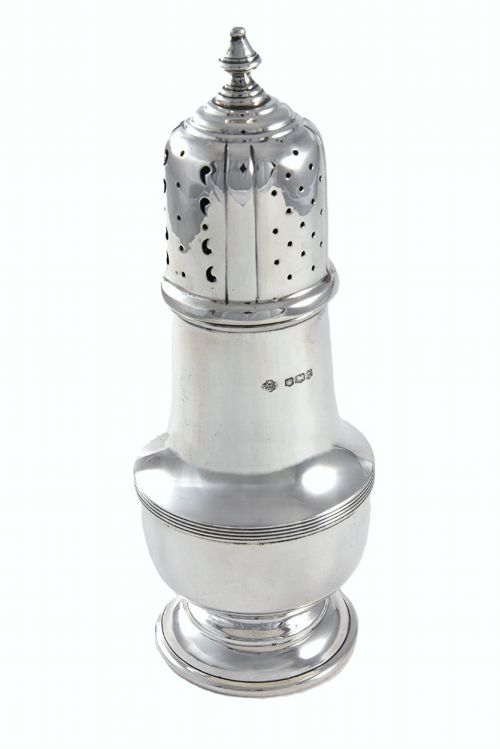


Georgian Silver Sugar Caster
A georgian silver sugar caster brings crisp period form and bright metal to the table, and collectors prize them for their sculptural presence and functional design.
Georgian Silver Sugar Caster
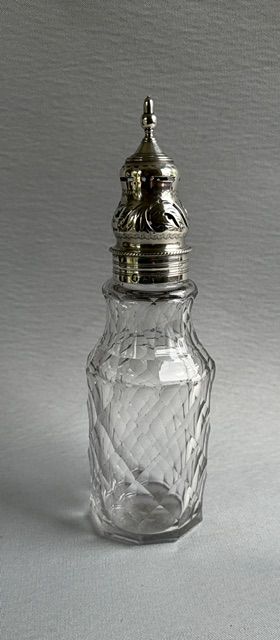
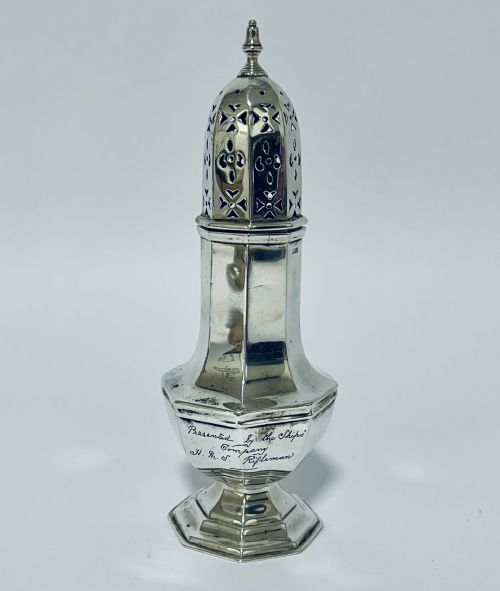
A georgian silver sugar caster takes the form of a small, footed vessel with a pierced dome top, designed for sprinkling sugar over food. The pieces on this page span the Georgian era itself as well as later revivals and twentieth-century interpretations, presenting varied silhouettes from baluster bodies to simpler cylindrical shapes.
Makers produced these objects primarily as tableware for dining rooms, though smaller examples function as muffineers or pounce pots for ink. Buyers encounter both single vessels and matched sets, alongside larger monumental casters intended for grand dining tables.
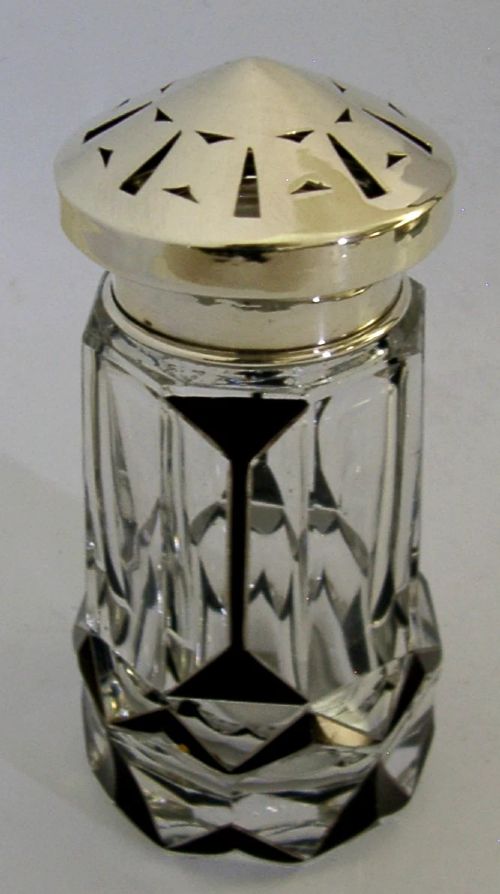
The materials recorded in the evidence range from sterling silver and vermeil to cut glass and enamel, while styles encompass George I, George II, Queen Anne, and Art Deco. This variety ensures that collectors find both authentic eighteenth-century examples and later Georgian revival pieces suited to different interiors.
How they were made
Silversmiths constructed these vessels primarily from sterling silver, shaping the bodies through raising or casting before applying decorative engraving, armorials, or crests. The evidence also records pieces incorporating cut glass and enamel, demonstrating diverse manufacturing approaches across different decades.
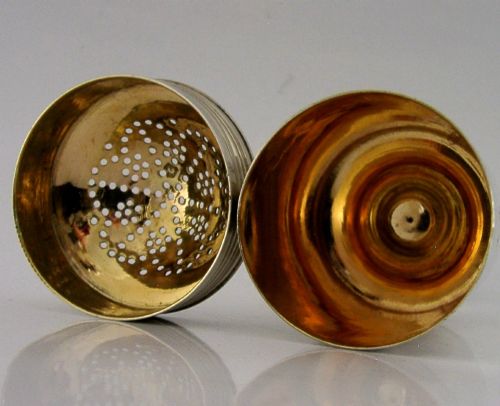
Perforated lids feature intricate pierced work, created by hand-cutting or punching patterns that allowed fine sugar to pass through evenly. Makers then secured these slip-on or bayonet-fitting caps to the neck of the caster.
Georgian Silver Sugar Caster Retail Price Guide 2026
Typical asking prices for georgian silver sugar caster among the pieces listed under this phrase on Sellingantiques today, from the lower quarter to the upper quarter. They describe what is for sale here now, not the wider market.
Some of these nimble little shakers started life dusting muffins before retiring to sideboard duty.
What varies in quality
Quality rests heavily on the crispness of the piercing on the dome and the overall weight of the silver relative to the size of the vessel. Heavier gauge metal and deeply struck hallmarks indicate superior manufacture.
The artistry of the maker also dictates distinction, with pieces by notable silversmiths or Huguenot makers exhibiting finer proportions, sharper armorial engraving, and more balanced architectural forms.
Stephen Adams·Simon Pantin·The Barker Brothers·Thomas Ross·Charles Alchorne·Thomas Pritchard
The Georgian Silver Sugar Caster Glossary
- Muffineer
- A small caster used specifically for sprinkling sugar or salt over hot muffins or buttered toast. These pieces often resemble miniature versions of standard table casters.
- Pounce pot
- A small container with a perforated lid used to sprinkle resin powder onto rough paper to prepare it for ink. They share a near-identical form to sugar casters.
- Piercing
- The technique of cutting decorative patterns through the metal of the caster lid. Fine execution allows for smooth distribution of sugar while maintaining structural strength.
- Vermeil
- Sterling silver gilt with a thin layer of gold. This finish adds a warm, rich tone to the interior or exterior of the vessel.
- Armorial
- A coat of arms or heraldic crest engraved onto the surface of the silver. These additions often denote the original owning family.
Georgian Silver Sugar Caster: Frequently Asked Questions
What is a georgian silver sugar caster?
A georgian silver sugar caster is a tabletop vessel featuring a pierced lid, designed for dispensing refined sugar onto food.
These pieces reflect the changing decorative tastes of the eighteenth century and subsequent revival periods, combining utility with fine silversmithing.
How were sugar casters used?
Households utilised these vessels during dining to dust sugar over desserts, pastries, and fruit.
Smaller variants also served as muffineers or pounce pots, adapting the same pierced-lid design for different domestic and desk tasks.
How do I identify a Georgian piece?
Examination of the hallmarks stamped on the silver provides the most reliable guide to date and origin, indicating the assay office and year of manufacture.
Stylistic markers such as baluster bodies and specific armorial engravings also help distinguish authentic eighteenth-century examples from later revivals.
How should I clean silver casters?
Gentle washing in warm soapy water with a soft cloth removes everyday dust without harming the metal.
Avoid abrasive polishes that can wear down crisp hallmarks and delicate engraved details over time.