



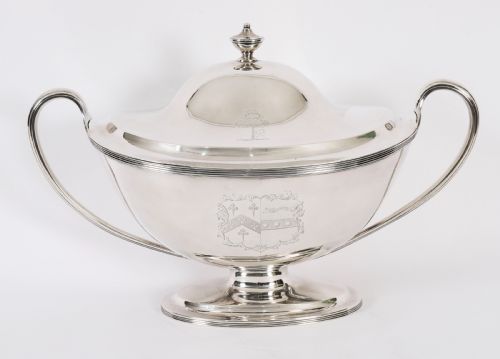


Georgian Silver Serving Dish
A georgian silver serving dish brings the weight and polish of centuries past directly to the dining table, offering a centrepiece for grand meals.
Georgian Silver Serving Dish
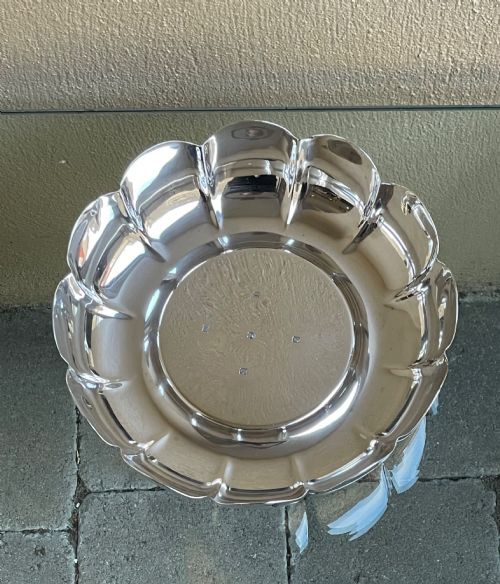
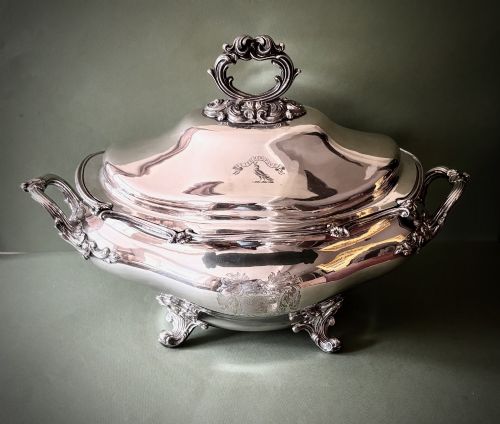
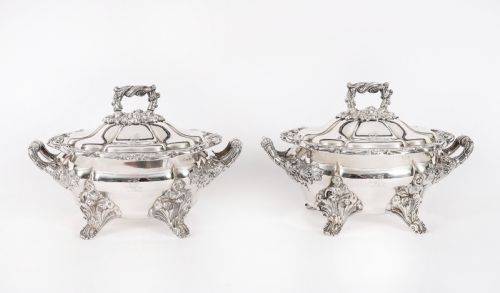
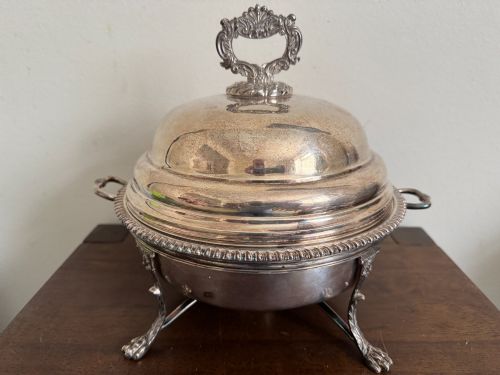
A georgian silver serving dish encompasses substantial silver and old sheffield plate tureens, platters, chargers, and meat domes. These forms originate primarily from 18th century and 19th century workshops, spanning george iii and regency periods.
The buyer meets various serveware on this page, including lidded entree dishes, warming dishes, and sauce tureens. Materials range from sterling silver to old sheffield plate, pewter, and creamware chargers.
Materials and Technique
Makers utilised sterling silver and old sheffield plate, fusing copper and silver together to create durable yet lustrous tableware. Pewter and creamware also appeared in chargers and dishes, shaped by hand or cast in metal.
Silversmiths employed techniques like hammering, soldering, and casting to form heavy rims, handles, and lids. Plating methods allowed copper cores to wear silver surfaces gracefully over decades of use.
Georgian Silver Serving Dish Retail Price Guide 2026
Typical asking prices for georgian silver serving dish among the pieces listed under this phrase on Sellingantiques today, from the lower quarter to the upper quarter. They describe what is for sale here now, not the wider market.
Listings feature items spanning the 18th century, 19th century, and mid-20th century, utilising sterling silver, old sheffield plate, pewter, and creamware.
Quality and Craft
The standard of a georgian silver serving dish rests on the crispness of its chased or gadrooned mounts and the integrity of the base metal. Heavy gauge silver and well-preserved old sheffield plate retain their structural form and surface detail far better than worn examples.
Makers' marks and London hallmarks elevate pieces, showing accountability and origin. The survival of matching covers, lampstands, or original crests separates ordinary serveware from notable collector items.
William Bennett·Henry Wilkinson·Creswick·Matthew Boulton·Robert Breading·John Hunt·Matthew Linwood·S Duncomb·Birchall and Hayne
The Georgian Silver Serving Dish Glossary
- Old Sheffield Plate
- A composite material made by fusing a thin sheet of silver onto a thicker copper core. This technique predates electroplating and creates a warm glow where copper shows through wear.
- Tureen
- A deep, large bowl with a lid used for serving soups, stews, or gravies. They often stand on fitted bases or feet.
- Charger
- A large decorative or serving platter placed beneath other courses. These items form the wider base settings of historic dining tables.
- Meat Dome
- A heavy domed cover designed to keep roasted meats warm on a platter. They frequently feature cast handles and chased crests.
- Gadrooned Rim
- A decorative, rounded ornamental border carved with repetitive curving patterns. This edge style appears frequently on trays and entree dishes.
Georgian Silver Serving Dish: Frequently Asked Questions
What is a old sheffield plate dish?
Old sheffield plate is an early layered metal formed by fusing silver and copper together under heat.
Dishes made this way offer the rich appearance of solid silver while maintaining the strength of a copper core.
How do I use a meat dome?
Meat domes sit directly over large platters of roasted food to retain heat before carving.
They serve both a practical dining purpose and display status on a sideboard.
Can I polish sterling silver dishes?
Sterling silver benefits from gentle cleaning with appropriate silver polish and a soft cloth to maintain its shine.
Avoid abrasive cleaners that wear down fine chased details and historic hallmarks.
How do I date a serving dish?
Dating relies on stamped hallmarks, maker marks, and stylistic clues like gadrooned rims or Georgian proportions.
Comparing the manufacturing technique against known active dates of silversmiths clarifies the period.