
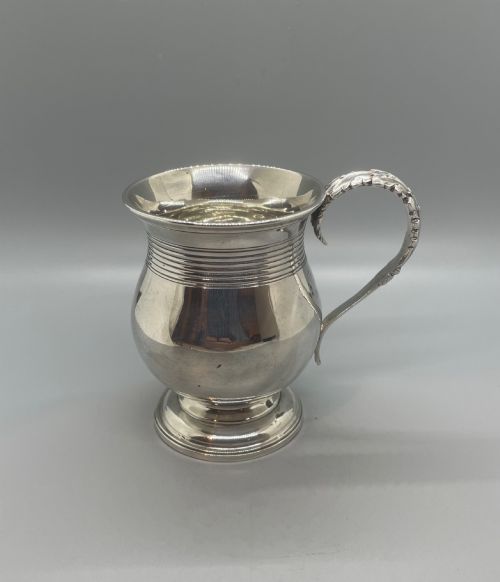
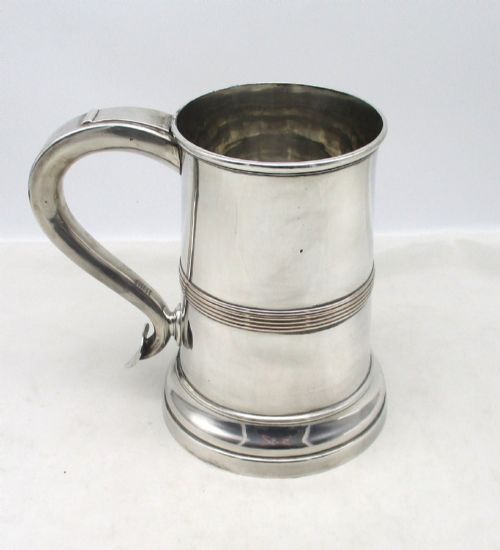
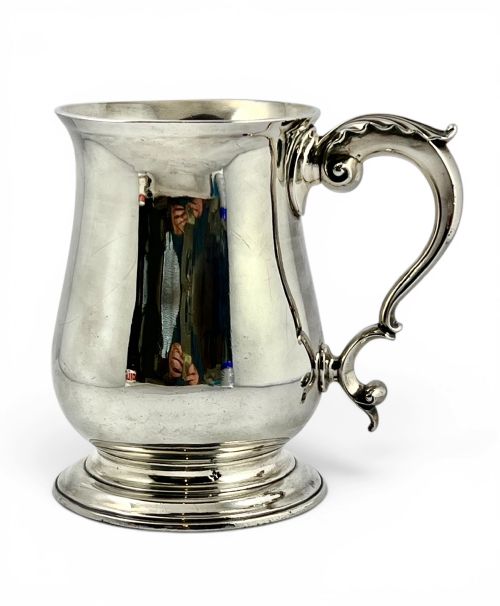


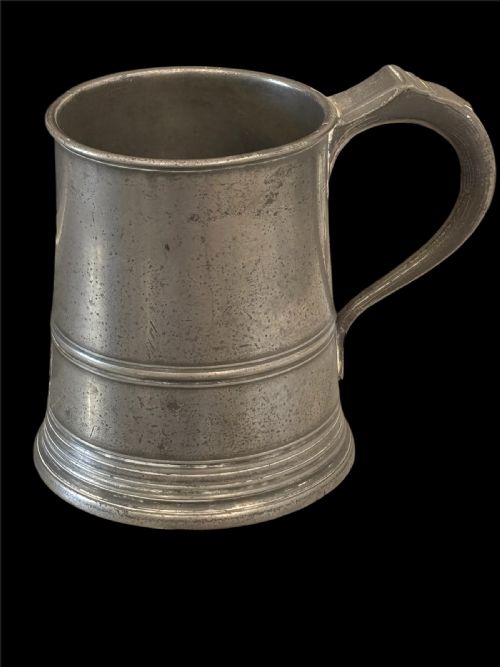


Georgian Silver Pint Tankard
A georgian silver pint tankard brings heavy metal and solid historic character to your drinkware, crafted for serious ale consumption.
Georgian Silver Pint Tankard
A georgian silver pint tankard is a sturdy drinking vessel designed to hold a specific measure of beer or ale, appearing across the eighteenth and nineteenth centuries in sterling silver or plated forms. These pieces function primarily as functional barware and display items, carrying deep historic roots from London, Newcastle, and regional makers.
You will encounter solid sterling silver versions alongside Old Sheffield Plate and pewter examples, spanning capacities from half-pints to quarts. Most pieces reflect the broader Georgian style or later revivals, often featuring scrolled handles and baluster silhouettes used for daily dining and tavern life.
Materials and construction methods
Silversmiths constructed sterling silver tankards by raising metal sheets into solid bodies, attaching sturdy scroll handles, and sometimes applying internal gilding known as gilt wash. Pewter examples offered a more affordable drinking vessel utilising soft metal alloys shaped into familiar mug profiles.
Old Sheffield Plate pieces fused a thin layer of silver onto a copper core, creating durable vessels that replicated solid silver appearance at a different cost. Makers often added reeded bands and decorative engraving, while assay offices in London and Newcastle stamped sterling pieces with standard hallmarks.
The archive includes specialised items like half-pint mugs, quart vessels, and pieces decorated with hunting dog engravings.
Factors determining quality
Quality rests significantly on the clarity of maker marks and hallmarks, alongside the weight and thickness of the sterling silver or the integrity of the Old Sheffield Plate copper fusion. Stronger examples maintain crisp hand-engraving and well-attached scroll handles without excessive wear.
The precision of the baluster form and the preservation of internal gilding separate standard production pieces from finer smith work. Provincial or London origin and documented maker attributions elevate the standing of individual tankards within the historical record.
William Grundy·Richard Morton·Robert·Frederick Brasted·Gabriel Sleath·Edward Pocock·Shaw and Priest·John Langlands I·George Smith II·Jasper Kelly
The Georgian Silver Pint Tankard Glossary
- Baluster
- A bottle-shaped architectural form with a rounded body and slender neck that influences the curved silhouette of many drinking vessels. This shape provides a comfortable grip for the user.
- Old Sheffield Plate
- A composite material made by fusing a thin sheet of silver to a thick copper base, developed in the eighteenth century. Items made this way show subtle copper lines where the silver wears thin.
- Gilt wash
- A thin layer of gold applied to the interior surface of a silver vessel, often used for drinking mugs. This technique protects the silver from the acidic contents of beverages.
- Reeded band
- A series of parallel, convex mouldings applied as decorative bands around the body or rim of a tankard. These bands add structural rigidity and visual detail to the piece.
- Assay office
- An official body responsible for testing the purity of precious metals and stamping items with hallmarks. These marks verify the standard of silver used in the tankard.
Georgian Silver Pint Tankard: Frequently Asked Questions
What is a georgian silver pint tankard?
A georgian silver pint tankard is a traditional drinking vessel made from sterling silver or plated metal during the eighteenth and nineteenth centuries. These pieces were designed for consuming ale and beer.
They typically feature sturdy scroll handles and distinctive baluster or straight-sided profiles. Collectors prize them for their combination of fine smithing and practical historic use.
How do you clean a silver tankard?
Cleaning a silver tankard requires gentle washing with warm soapy water and a soft cloth to protect the metal surface. Avoid harsh abrasives that can damage hand-engraving or remove antique patination.
For Old Sheffield Plate pieces, extra care is necessary to prevent wearing through the thin silver layer to the underlying copper core.
How can I date a silver tankard?
Dating a sterling silver tankard relies on reading the stamped hallmarks, which include maker marks, town marks, and date letters corresponding to specific assay office records. London and Newcastle hallmarks provide precise years for many pieces.
Stylistic shifts, such as the transition from plain baluster mugs to reeded nineteenth-century forms, offer additional clues when hallmarks are rubbed or missing.
What is the difference between sterling and plate?
Sterling silver consists of solid precious metal meeting a specific purity standard throughout the entire wall of the tankard. It holds intrinsic metal value and develops a deep historic patina.
Old Sheffield Plate uses a thin sheet of silver fused over a copper base metal. This technique produced durable, accessible vessels without the higher cost of solid sterling.
Can I still drink from antique tankards?
Many people continue to use antique silver and plated tankards for beverages, particularly sterling or gilt-washed examples that resist tarnishing from liquids. Pewter and plated versions require consideration of their interior condition before use.
Most owners prefer to display them as decorative barware or historical objects rather than risking daily wear on fragile historic pieces.