

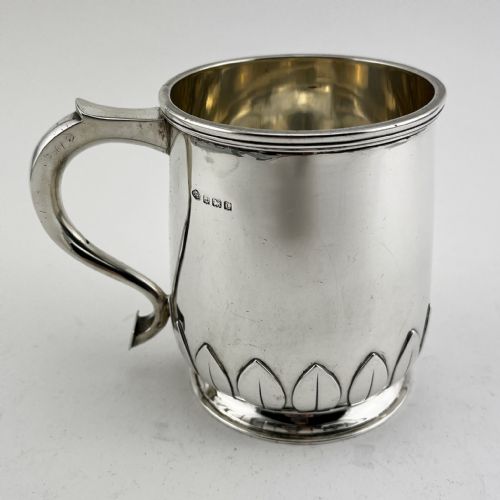


Sterling Silver Pint Tankard
A sterling silver pint tankard holds ale with satisfying weight, offering centuries of drinking tradition in solid metal.
Sterling Silver Pint Tankard
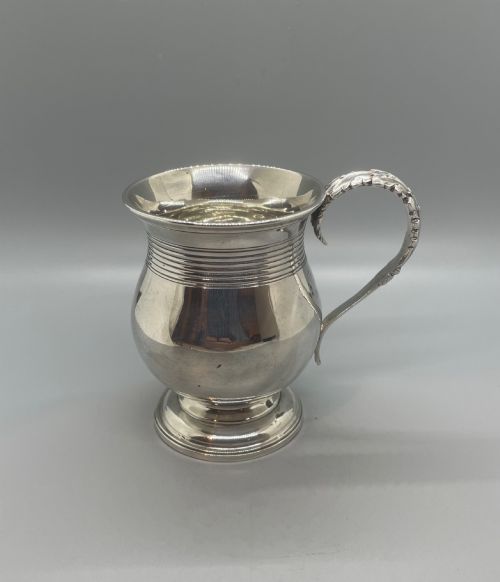
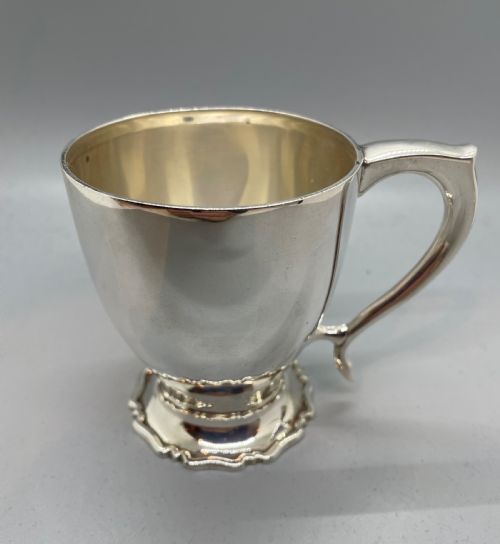
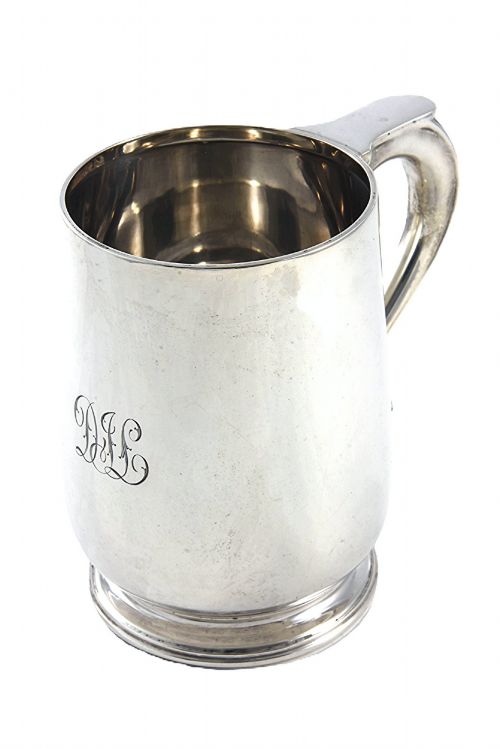
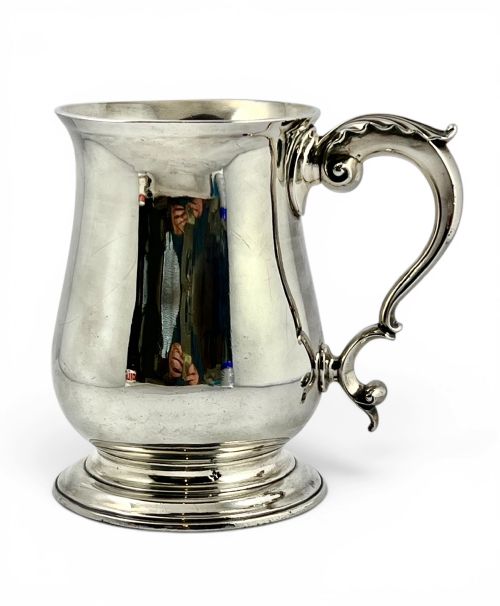
A sterling silver pint tankard stands as a sturdy drinking vessel designed for daily use or display, appearing across Georgian, Victorian, and twentieth-century periods. These pieces include both plain bodies and crested designs, with standard pint capacities most frequently encountered.
Makers shaped these items across diverse styles, ranging from plain George V cylinders to ornate Arts and Crafts interpretations. The form bridges barware and domestic silver, serving equally as functional drinkware or decorative silverware.
How They Were Made
Silversmiths constructed these vessels primarily from solid sterling silver, hammering and shaping sheets into cylindrical or slightly tapering bodies. Certain examples incorporate applied handles and reinforcement rims to handle regular lifting.
Selected pieces feature interior gilt washes or fitted glass bottoms, adding tactile contrast to the heavy metal construction. Hallmarks punched into the base record the assay office, maker, and year of creation.
A stag deer crest gazes outward from one nineteenth-century tankard, keeping eternal watch over the ale.
What Varies in Quality
The thickness and gauge of the silver distinguish heavier, more substantial tankards from lighter domestic mugs. Wall stability under pressure and the crispness of applied handles reflect the maker's technical skill.
Legibility of hallmarks and the preservation of engraved crests or plain surfaces dictate collector preference. Balance in the hand and smooth execution of the rim separate standard workshop output from exceptional work.
William Grundy·Cooke and Kelvey
The Sterling Silver Pint Tankard Glossary
- Sterling silver
- An alloy consisting of ninety-two point five percent silver and seven point five percent other metals, chosen for durability.
- Hallmark
- A series of stamped marks indicating metal standard, assay office, and date letter. These symbols provide the primary means of dating British silver.
- Gilt
- A thin layer of gold applied to the interior surface of the silver vessel. This treatment protects the metal from acidic contents.
- Arts and Crafts
- A design movement prioritising handcraftsmanship and simple forms over industrial mass production. Pieces from this style often display visible hammer marks.
- Assay office
- An official body charged with testing and stamping precious metals. Offices include London, Sheffield, Newcastle, and Exeter.
Sterling Silver Pint Tankard: Frequently Asked Questions
How do I use a silver tankard?
Silver tankards serve as functional drinkware for ale, beer, or cider, though many owners use them primarily for display or desktop storage. The metal naturally conducts temperature, keeping cold drinks chilled during use.
Hand washing with mild soap preserves the surface finish and prevents damage to historic handles. Regular gentle polishing maintains the shine without wearing away softer details.
How do I date an antique tankard?
Dating relies upon the hallmarks stamped directly into the silver, which identify the assay office and specific year of manufacture. Stylistic clues such as Georgian curves or Arts and Crafts simplicity offer secondary confirmation of the period.
Maker marks alongside these symbols further narrow down the production window. Comparing the piece against known regional styles helps verify its age.
What does a glass bottom mean?
Certain tankards incorporate a thick inset glass base that allows the drinker to see the contents and surroundings while holding the vessel. This feature became popular in domestic and tavern drinking vessels during the eighteenth and nineteenth centuries.
The glass sits securely within the silver foot rim, sealed to prevent leaks. Surviving examples demonstrate careful mounting techniques by period silversmiths.