


Georgian Silver Caddy
When you search for a georgian silver caddy, you are looking at small vessels and specialist spoons designed to hold and measure dry tea leaves.
Georgian Silver Caddy
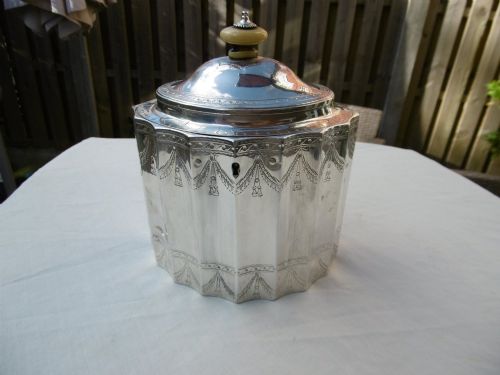
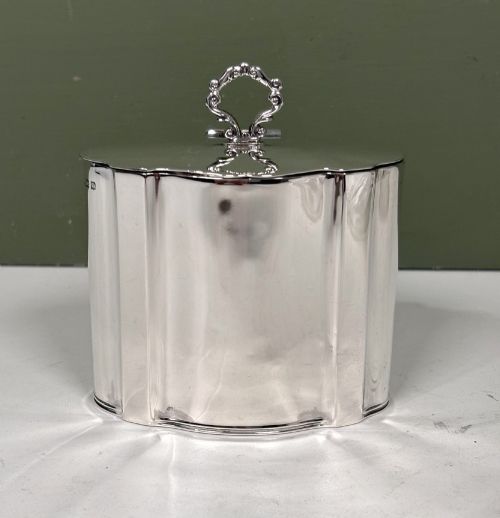
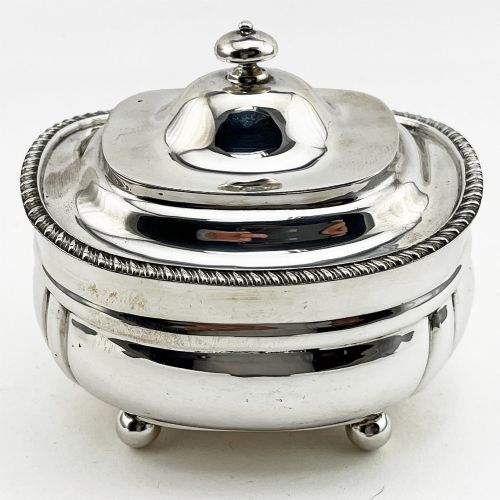
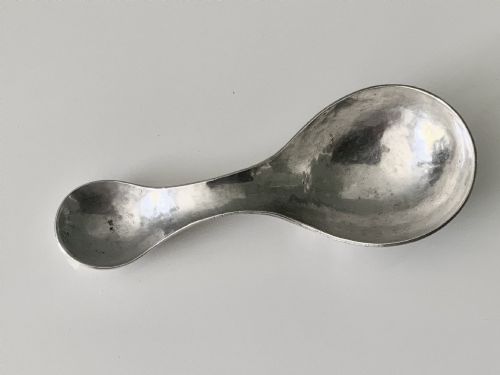
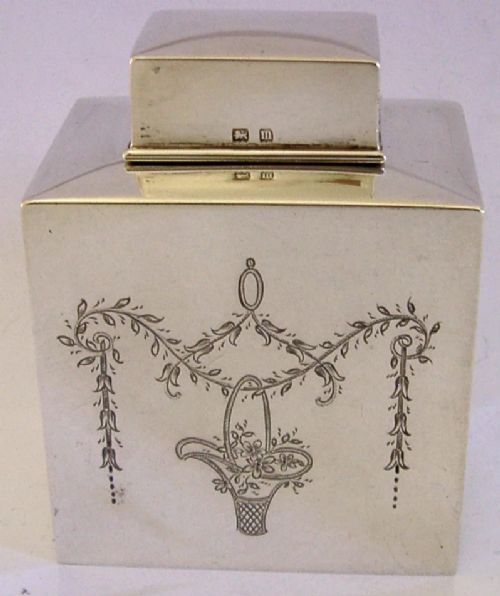
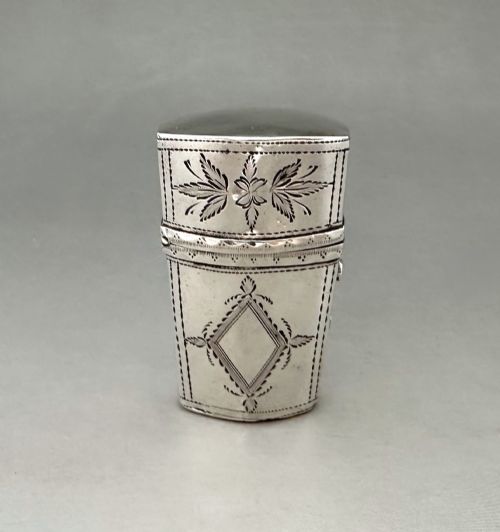
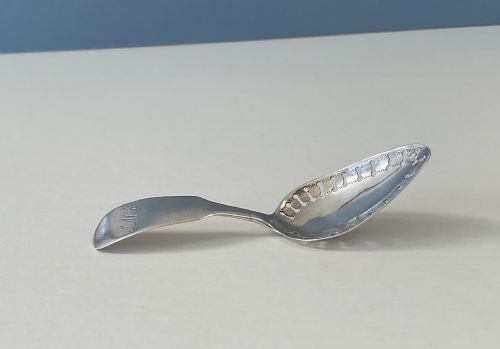
A georgian silver caddy encompasses small tea caddy boxes and individual caddy spoons originating primarily from the eighteenth and early nineteenth centuries. The majority of items encountered in this category are small silver spoons fashioned to measure tea leaves from larger containers.
Tea caddies themselves appear in forms produced from sterling silver, cut glass, and tortoiseshell, sometimes featuring wood mounts or satinwood bodies. These vessels reflect the social rituals of tea drinking during the georgian period.
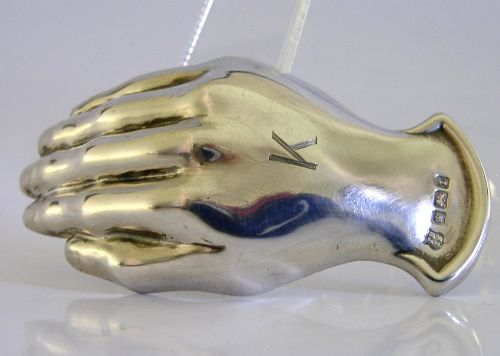
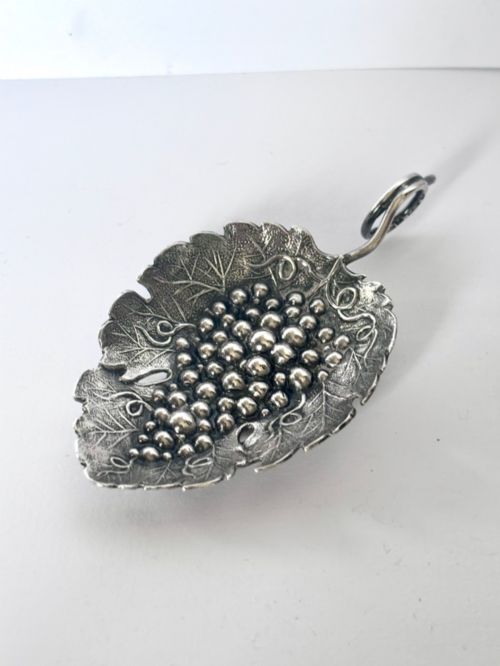
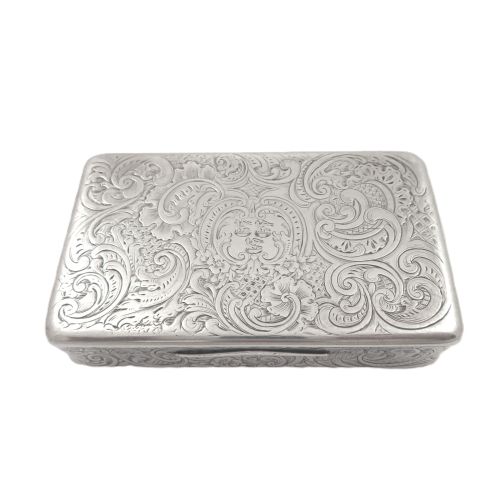
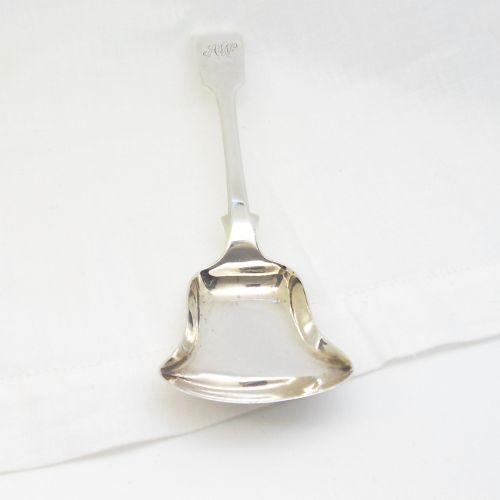
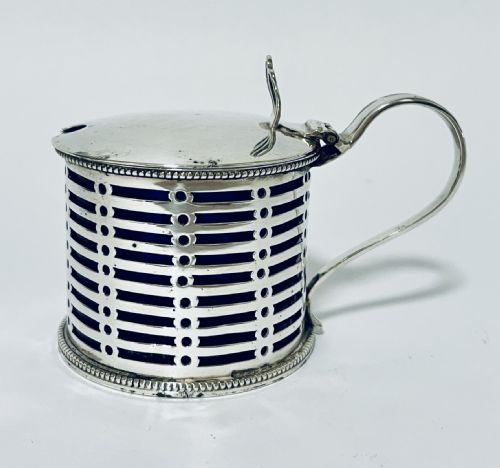
The selection also includes related small silver wares such as snuff boxes, mustard pots, and sugar shovels created during the same periods. Many spoons take naturalistic forms including leaves, hands, and acorns.
How they were made
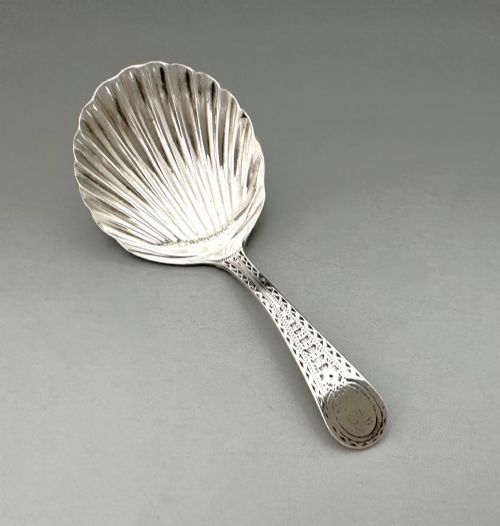
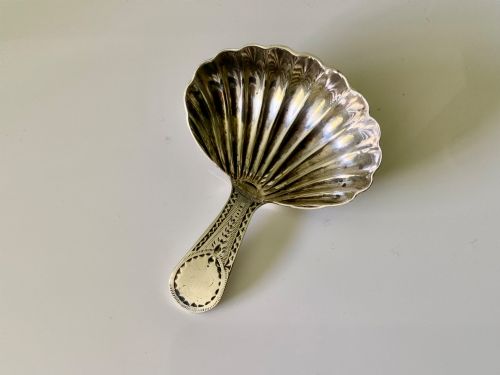
Silversmiths utilised sterling silver and silver gilt, shaping metal through hammering, casting, and piercing techniques. Spoons often display engraved handles or chased details representing vines, feathers, and shells.
Tea caddy bodies combine silver mounts with organic materials like tortoiseshell and satinwood, alongside cut glass vessels secured with fitted lids. Makers applied bright-cut engraving and floral motifs to create textured surfaces on spoons and boxes.
Spoon designs incorporate whimsical shapes including human hands, jockey caps, and natural vine leaves.
What varies in quality
Quality rests upon the crispness of the chasing and the clarity of hallmarks stamped into the metal by assay offices in London, Birmingham, and provincial cities. Pieces exhibiting distinct botanical motifs or unusual figural designs demonstrate higher craftsmanship.
The integrity of hinges on boxes and the preservation of original gilding on silver-gilt spoons distinguish finer examples. Weight and proportion also separate standard production items from master silversmith output.
Joseph Willmore·Robert Hennell·Zimmermann·John Walton·Mappin And Webb·William Rudkins·Joseph Taylor·Elizabeth Morley·Robert Rutland
The Georgian Silver Caddy Glossary
- Hallmark
- Official marks stamped on precious metals indicating the standard of purity, the assay office, and the date letter. These stamps provide precise verification of origin and maker.
- Bright-cut engraving
- A surface decoration technique using faceted cuts to reflect light from shallow angled channels. It creates geometric or floral patterns popular on spoons and small boxes.
- Silver-gilt
- Sterling silver coated with a thin layer of gold applied through chemical or fire gilding methods. This finish protected the underlying silver and added a rich golden tone to the interior of spoons.
- Caddy spoon
- A short-handled spoon specifically proportioned to measure tea leaves from a caddy into a teapot. They frequently feature bowls shaped like leaves, shells, or hands.
- Chasing
- The art of hammering metal from the front to depress the surface and raise low relief designs. This technique builds the veining on leaf-shaped spoons and floral decorations.
Georgian Silver Caddy: Frequently Asked Questions
What is a georgian silver caddy spoon used for?
These spoons were manufactured to scoop loose tea leaves from storage containers into the teapot during tea preparation. Their short handles allowed them to sit comfortably inside or alongside the caddy.
Collectors today prize them for their variety of miniature sculptural designs rather than daily domestic use.
How do you date a georgian silver caddy?
Dating relies primarily on the assay office hallmarks stamped directly onto the silver surface, which include specific date letters corresponding to active years. Stylistic clues such as bright-cut engraving or naturalistic leaf shapes also point to specific decades.
Matching the maker's mark against historical records confirms the exact period of manufacture.
What materials are used besides silver?
Many caddies combine sterling silver mounts with tortoiseshell panels, satinwood bodies, or heavy cut glass. Interiors sometimes feature gilt layers to prevent the tea from tarnishing the base metal.
These mixed media pieces highlight the decorative range available to wealthy households.
How should silver caddies be cleaned?
Gentle dusting with a soft cloth preserves the antique surface without wearing away crisp hallmarks or engraving. Aggressive chemical dips should be avoided, particularly on pieces with organic elements like tortoiseshell or wood.
Store them in dry conditions to prevent natural oxidation of the metal.