


Georgian Silver Caddy Box
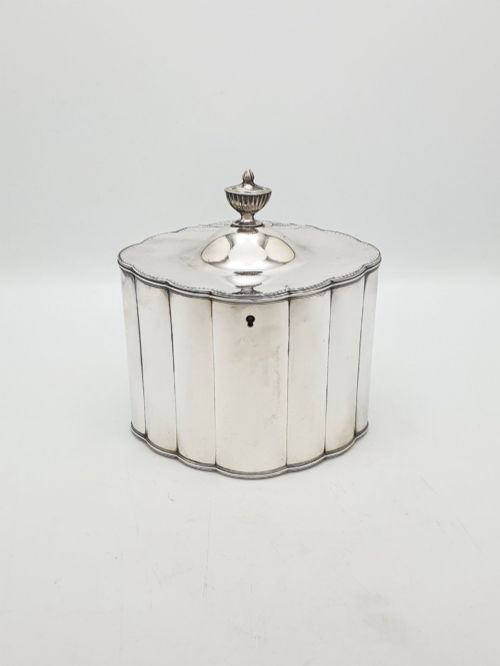
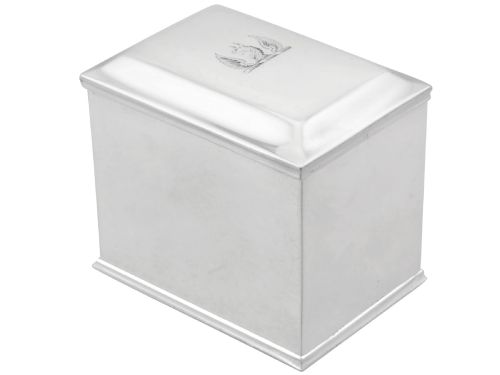
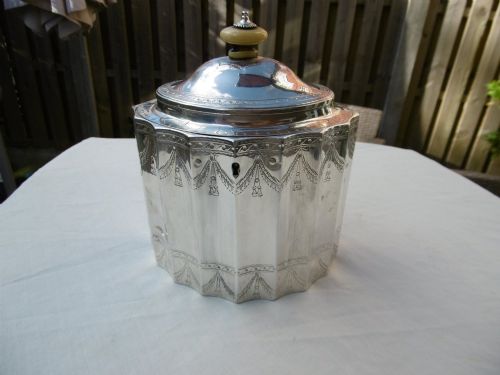
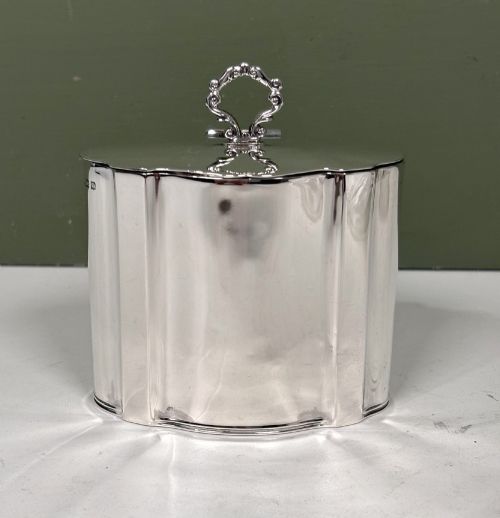
A georgian silver caddy box is a refined receptacle for precious tea leaves, offering a tangible link to the formal hospitality of the eighteenth and nineteenth centuries.
Georgian Silver Caddy Box
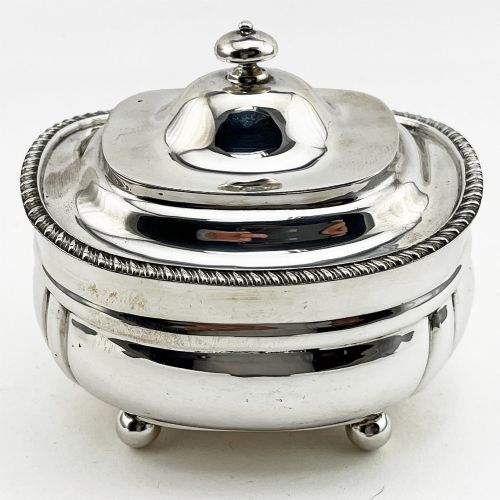
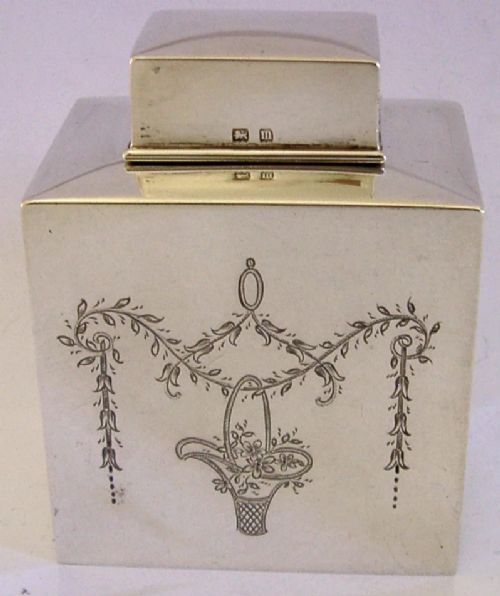
When you search for a georgian silver caddy box, you encounter pieces designed to store dry tea leaves securely under lock and key. The selection spans distinct forms, including sterling silver tea caddies, tortoiseshell boxes with silver mounts, and Old Sheffield plated vessels.
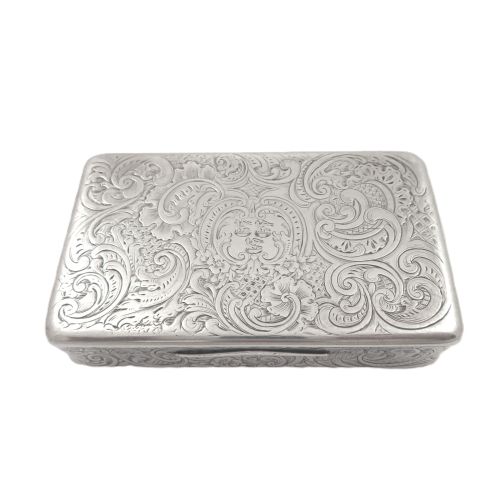
The objects frequently date from the eighteenth century and the Regency period, alongside later Georgian Revival examples from the early twentieth century. Beyond traditional tea caddies, related forms such as biscuit boxes, snuff boxes, and stationery boxes appear in the inventory.
Makers and materials vary widely across the selection, ranging from plain sterling silver canisters to burr maple and satinwood boxes embellished with silver mounts. Certain pieces exhibit classic neoclassical styling, such as fluting and Sheraton period geometry.
Materials and construction methods
Metals form the core of these pieces, utilising solid sterling silver, copper cores fused with silver in Old Sheffield plate, and delicate silver-gilt accents. Smiths shaped these metals through hammering, fluting, and casting to create crisp architectural lines and decorative crests.
Organic materials such as tortoiseshell, burr maple, and satinwood provide contrasting textures when combined with silver mounts. Craftsmen applied thin veneers over wooden carcasses and fitted intricate interior compartments for preserving expensive dry goods.
Distinctions in craftsmanship and condition
The highest quality examples demonstrate exceptional weight in their solid sterling silver or pristine preservation of delicate tortoiseshell panels over wooden frames. Finer pieces retain original locking mechanisms, interior foil linings, and crisp hand-chased detailing by notable silversmiths.
Subtleties in proportion and surface patina set superior items apart from standard production. Sharply defined fluting, well-matched wood grain, and intact silver mounts indicate superior workshop standards during manufacture.
Robert Hennell·Zimmermann·William Rudkins·John Hillery MacNamara
The Georgian Silver Caddy Box Glossary
- Sterling silver
- An alloy comprising ninety-two point five percent silver and seven point five percent other metals, typically copper. This standard composition provides the durability required for functional domestic boxes.
- Old Sheffield plate
- A composite material made by fusing a thin sheet of silver to a thicker copper base. This technique preceded modern electroplating and produces a warm, distinct visual depth.
- Tortoiseshell
- The shell of certain turtle species used as a decorative veneer over wooden box foundations. It is frequently paired with sterling silver stringing and mounts.
- Silver-gilt
- Sterling silver that has been coated with a thin layer of gold through a chemical or electrochemical process. This treatment adds a rich, warm tone to the interior or exterior details of a box.
- Sheraton style
- A neoclassical furniture and decorative style named after designer Thomas Sheraton. It emphasises straight lines, classical motifs, and fine veneering such as satinwood.
Georgian Silver Caddy Box: Frequently Asked Questions
What were tea caddies used for?
Tea was a costly commodity in the eighteenth century, requiring secure storage to prevent theft and preserve aroma. These boxes typically featured lockable lids and internal compartments to separate different leaf varieties.
Servants or hosts measured out portions using integrated spoons, keeping the valuable contents under lock between uses.
How do I tell an original Georgian piece from a revival?
Examination of hallmarks, construction techniques, and wear patterns reveals the true age of a piece. Eighteenth-century and Regency items display distinct assembly methods, such as hand-cut dovetails and period touchmarks.
Revival pieces from the early twentieth century often exhibit heavier modern standardisation and different assay office stamps despite adopting earlier styles.
Are these boxes still functional today?
Many collectors continue to use these vessels for their original purpose or adapt them to hold modern keepsakes, jewellery, or dry goods. The sturdy construction of sterling silver and hardwood boxes ensures durability.
Care must be taken with delicate materials like tortoiseshell or Old Sheffield plate to prevent environmental damage during daily handling.
What is Old Sheffield plate?
Old Sheffield plate is an early form of plated metal created by thermally fusing a sheet of silver onto a copper ingot before rolling them into sheets. This method results in a distinctive edge where the copper base metal might subtly show through.
Craftsmen utilised this technique to produce luxury items at a lower cost than solid silver while maintaining a similar visual appearance.