





Georgian Silk Tapestry
Georgian silk tapestry works bring tactile history to a wall, offering intricate needlework and textile art from past centuries.
Georgian Silk Tapestry
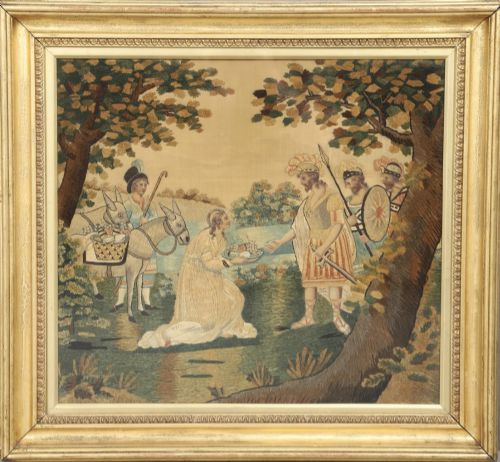
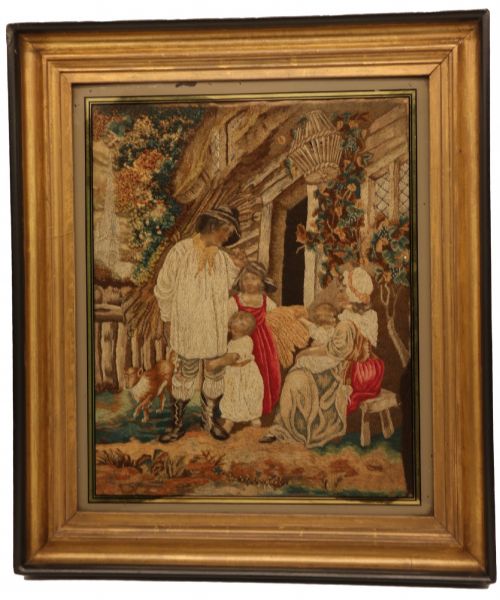
A georgian silk tapestry encompasses framed needlework pictures, embroidered silk panels, and textile art spanning the eighteenth and nineteenth centuries. These works frequently depict classical scenes, birds, maps, and figures, often housed within period timber or giltwood frames.
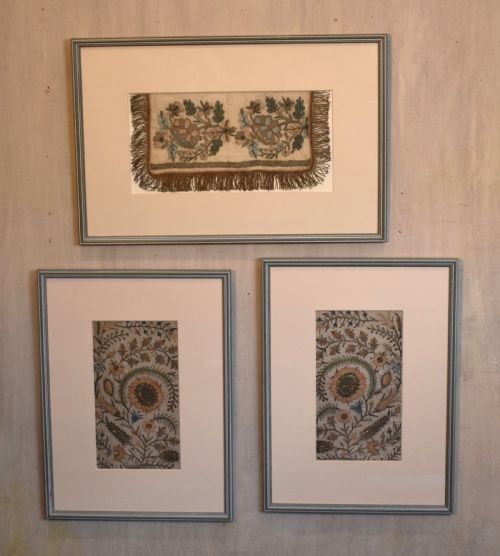
Buyers regularly encounter English needlework pictures alongside Regency silk embroideries and samplers. The selection also includes functional items such as hand-embroidered bell pulls and wall panels utilising wool and linen alongside silk threads.
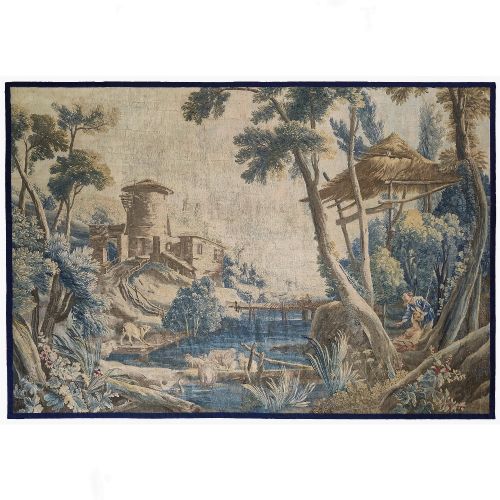
Origins stretch from eighteenth century English and French workshops into the nineteenth century, capturing domestic needlecraft and decorative wall art. Pieces range from detailed needlework samplers produced by schoolgirls to Aubusson tapestries and hand-painted silk compositions.
How they were made
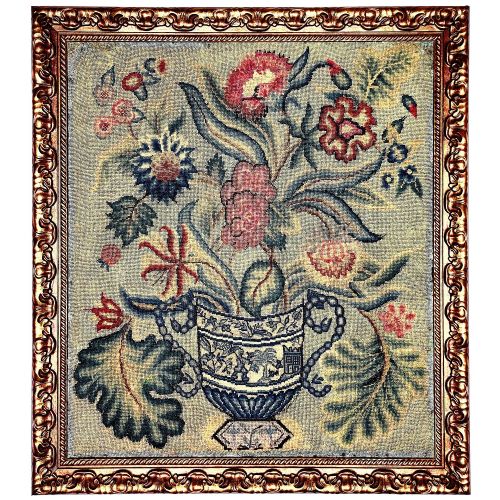
Maker execution relies on silk, wool, and chenille threads stitched onto linen or silk grounds, sometimes combined with hand painting. Artisans utilised long stitch and crewel work techniques to build texture and pictorial depth within the textile.
Framing often involves giltwood, gold leaf, and wood, occasionally incorporating Verre Églomisé glass panels to protect the delicate fabrics. Finished panels were mounted into octagonal or oval frames designed for wall display.
Georgian Silk Tapestry Retail Price Guide 2026
Typical asking prices for georgian silk tapestry among the pieces listed under this phrase on Sellingantiques today, from the lower quarter to the upper quarter. They describe what is for sale here now, not the wider market.
Schoolgirl Rachel recorded her Oswestry school days in 1831 by stitching a sampler that survives today.
What varies in quality
Detail and complexity set individual needlework pictures apart, particularly in the precision of the silk and chenille embroidery. Superior examples maintain vibrant thread colour and stable ground fabrics without extensive loss.
The sophistication of the enclosing frame, such as original giltwood or Verre Églomisé glass surrounds, elevates the piece. Map samplers and narrative pictorial works by named individuals demonstrate greater historical documentation.
The Georgian Silk Tapestry Glossary
- Aubusson tapestry
- A woven wall hanging produced in the French town of Aubusson, known for pictorial designs. These textiles bring considerable scale and classical imagery to interiors.
- Verre Églomisé
- A cold painting and gilding technique applied to the reverse of glass. It provides a decorative, reflective border often seen on antique picture frames.
- Crewel work
- Embroidery executed with wool yarn on a fine linen or twill ground. This technique yields robust texture and traditional floral or avian motifs.
- Chenille embroidery
- Stitching utilised soft, tufted pile yarn that creates a velvet-like appearance. It adds tactile depth to eighteenth and nineteenth-century pictorial panels.
- Needlework sampler
- A piece of fabric embroidered to demonstrate various stitches and alphabets, sometimes created by young scholars. These objects preserve documented dates and maker names.
Georgian Silk Tapestry: Frequently Asked Questions
How do I hang a silk textile?
Keep textile art away from direct sunlight and high humidity to protect the delicate silk and wool threads.
Secure the framed piece using appropriate wall anchors to support the weight of the timber and glass enclosure.
What is a map sampler?
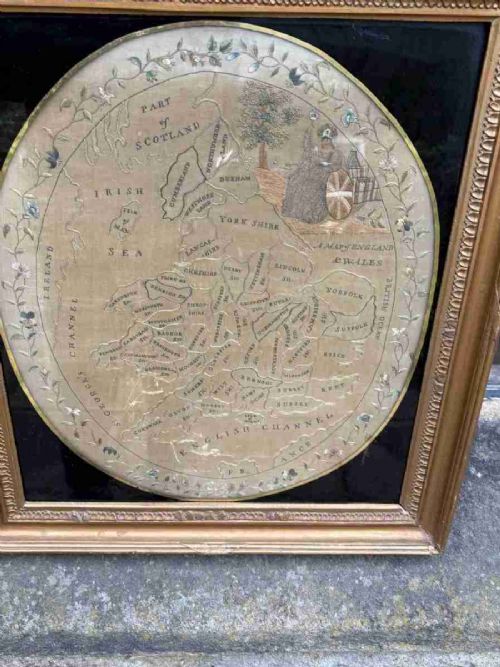
A map sampler is an educational needlework piece where the maker stitched geographical boundaries and place names onto fabric.
These textile works combine cartography with domestic craft, often dating from the eighteenth century.
How should I clean my embroidery?
Avoid liquid cleaners or washing antique textiles, as moisture damages aged silk grounds and fugitive dyes.
Dust the exterior glass gently with a dry microfibre cloth while leaving the interior needlework undisturbed.