



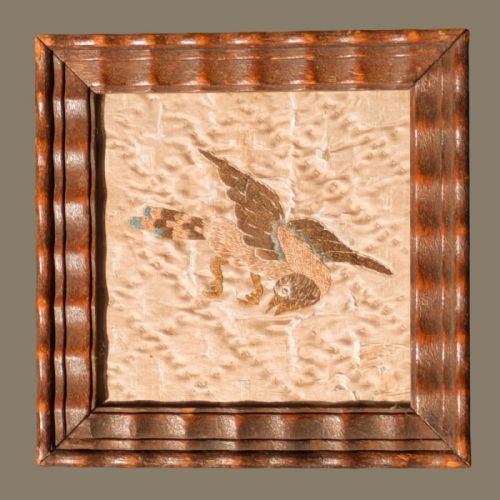


Georgian Silk Embroidered Panel
A georgian silk embroidered panel brings pastoral scenes, meticulous samplers, and centuries of hand stitching straight to your walls.
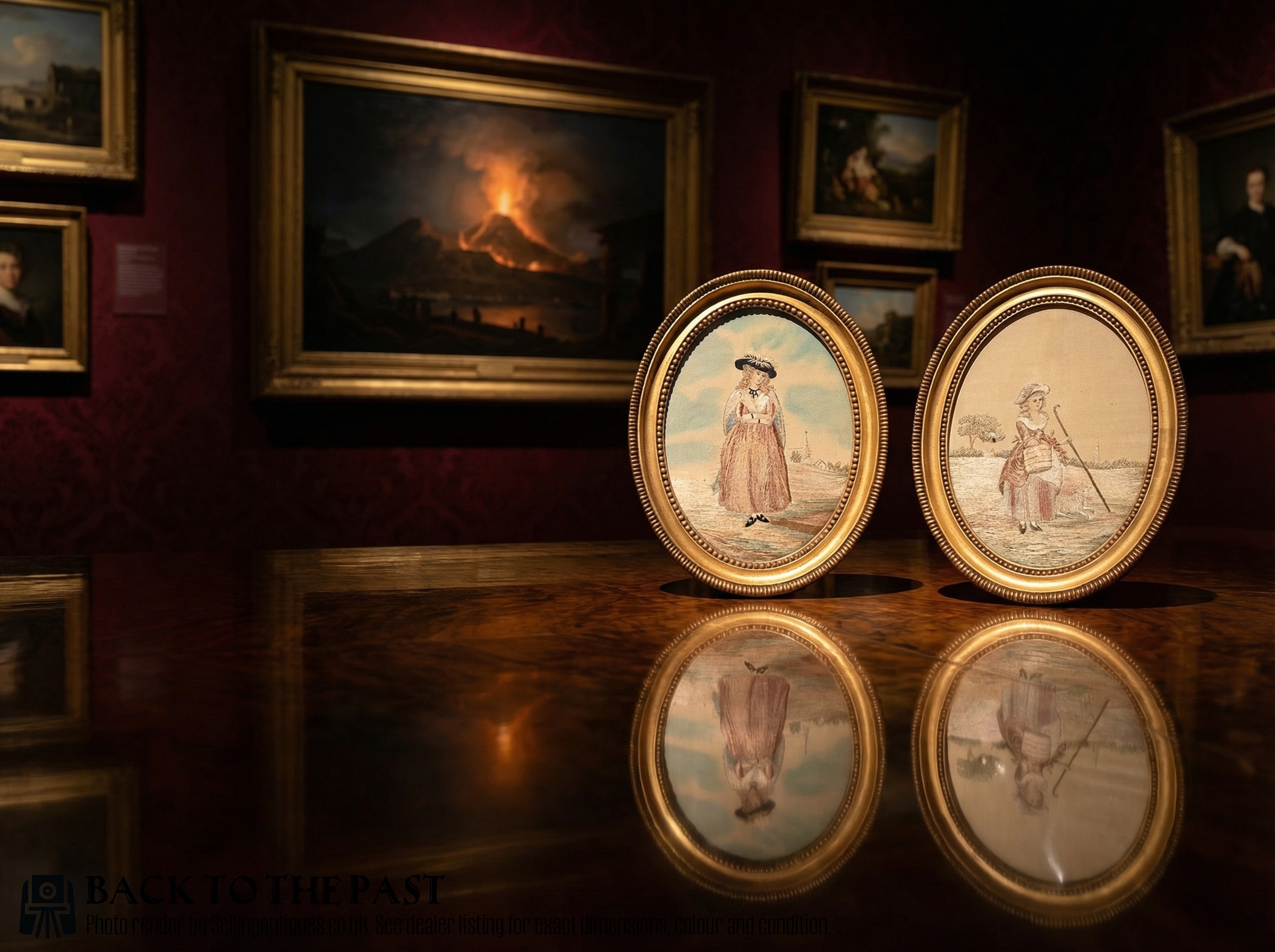
Georgian Silk Embroidered Panel
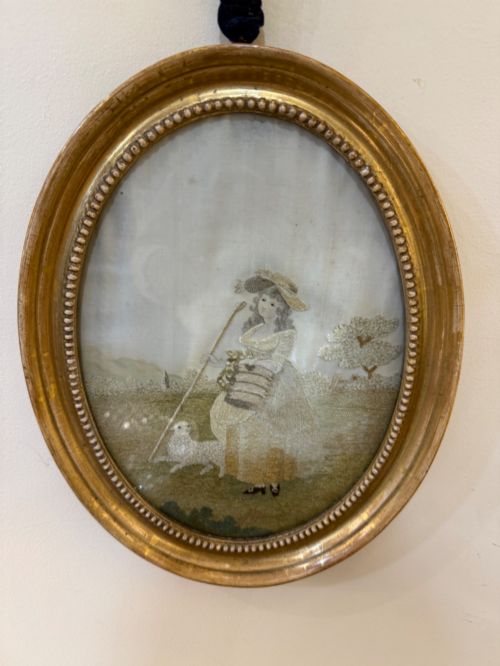
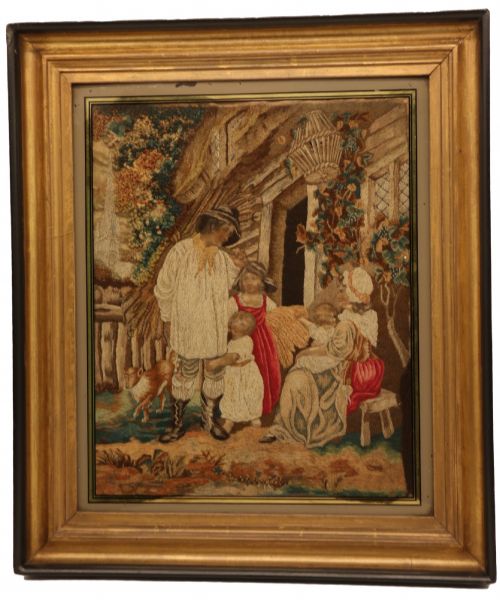
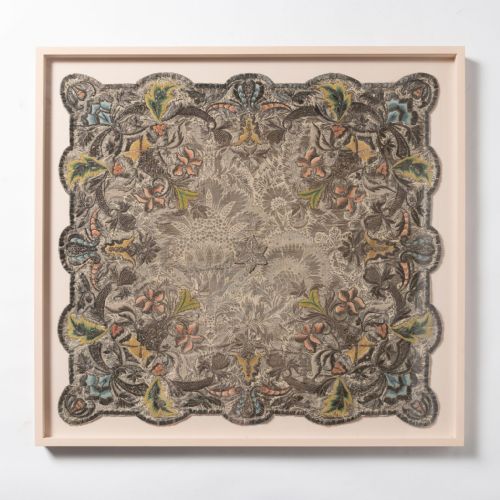
A georgian silk embroidered panel encompasses framed textile art, needlework pictures, and samplers dating from the eighteenth and nineteenth centuries. These works range from pastoral farming scenes and bird motifs to detailed pictorial narratives.
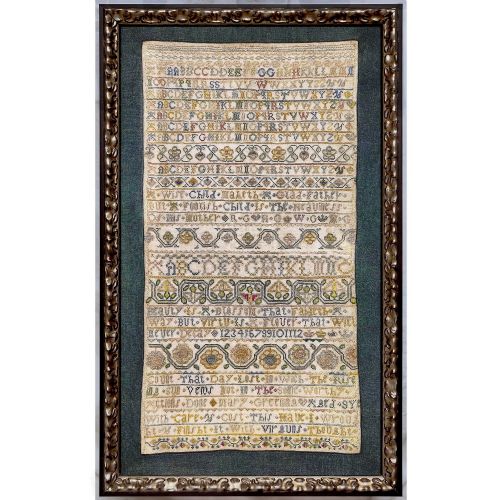
Most pieces encountered on this page originate from the Georgian era or the early nineteenth century, frequently preserved behind glass in period frames. Makers often included alphabets, dates, or personal details alongside their pictorial designs.
Framed textile art from this period serves primarily as wall art, capturing domestic skill and historical needlework traditions. Collectors find works varying from simple band samplers to complex painted silk and silk floss compositions.
Materials and technique
Makers utilised silk, silk thread, and wool worked onto linen grounds, frequently combining embroidery with hand-painted elements. Finished textiles were then mounted into wood, giltwood, or water-gilded oval and octagonal frames.
Stitching techniques involved crewel work and fine silk floss embroidery executed by hand. Many pieces incorporated glass protection to preserve the delicate threads over centuries.
Young Mary Greening and twelve-year-old Louiss Elkins left their ages and names stitched permanently into history on their eighteenth and nineteenth-century samplers.
Assessing quality
Quality rests upon the intricacy of the needlework and the preservation of the silk thread and linen ground. Pictorial depth and the inclusion of hand-painted details separate standard samplers from superior works of textile art.
The setting also dictates distinction, with original water-gilded, octagonal, or oval frames enhancing the historical value of the embroidered panel. Clean execution by named makers or young stitchers adds notable provenance.
The Georgian Silk Embroidered Panel Glossary
- Sampler
- A piece of needlework produced as a demonstration or test of skill in various stitches. These frequently display alphabets, numerals, and the maker's name.
- Crewel work
- Embroidery executed with fine wool yarn on a linen or cotton ground. This technique creates textured designs often seen in early pieces.
- Giltwood
- Wood carved and coated with gold leaf or a gold-coloured finish for framing. Period examples often use water gilding.
- Silk floss
- Unspun or loosely twisted silk fibres used for smooth, glossy stitching. It provides fine tonal gradation in pictorial embroidery.
- Needlework picture
- A framed textile composition designed purely for decorative wall display rather than a practice piece. These often depict landscapes or narratives.
Georgian Silk Embroidered Panel: Frequently Asked Questions
How do I date a sampler?
Makers frequently stitched their names, ages, and specific dates directly into the fabric of the piece. Stylistic clues such as the framing style and lettering fonts also help determine the period.
Examination of the backing materials and the type of silk or linen thread used provides further confirmation of the century of origin.
Were these panels always framed?
Most surviving textile works were mounted behind glass in period wood or giltwood frames to protect the delicate threads from dust and damage. Oval and octagonal frames were particularly common during the eighteenth century.
Unframed pieces appear less frequently, as contemporary owners preferred to display needlework as refined wall art.
Can I hang these in sunlight?
Silk thread and natural dyes used in eighteenth and nineteenth-century needlework are extremely sensitive to ultraviolet light. Direct sunlight causes the delicate colours to fade permanently over time.
Displaying your textile art away from direct windows ensures the longevity of the hand-painted details and fibres.
What subjects are most common?
Domestic samplers featuring alphabets, numerals, and moral verses represent a large portion of early needlework. Pictorial works often show pastoral farming scenes, birds, or literary narratives.
Hand-painted silk panels combined with embroidery frequently depict classical or sentimental figures set within landscapes.