

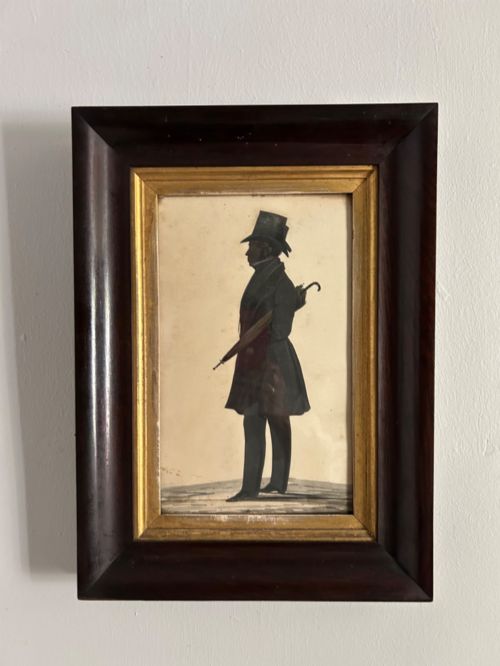


Georgian Silhouette Picture
A georgian silhouette picture captures the sharp profile of an ancestor through simple ink, paper, and glass.
Georgian Silhouette Picture
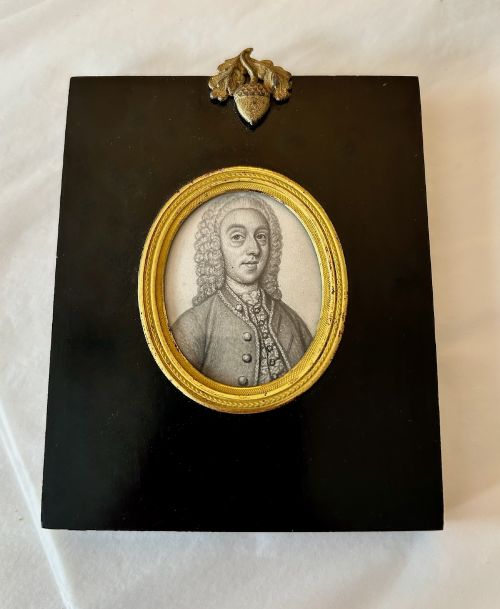
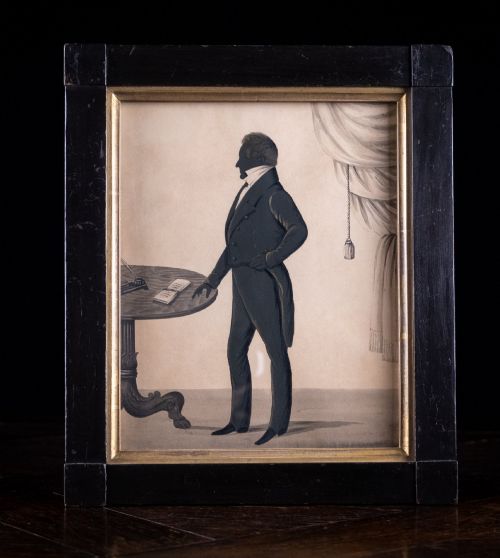
A georgian silhouette picture portrays a subject in strict profile, capturing likeness through dark outlines against lighter grounds or delicate highlights upon deep backgrounds. These framed works span the eighteenth and nineteenth centuries, including the Regency, William IV, and Victorian periods.
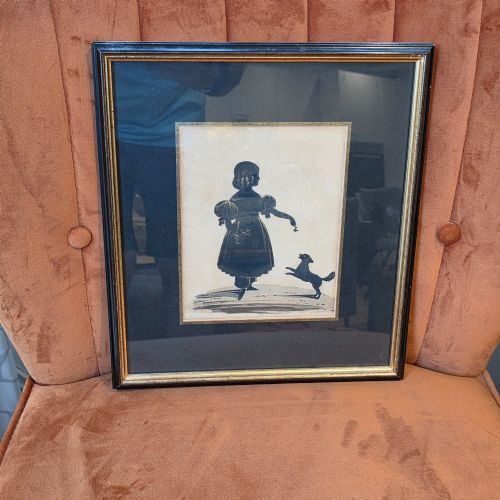
The pieces on this page appear as framed wall art, miniature portraits, and conversation pieces depicting gentlemen, ladies, children, and animals. Subjects range from solitary gentlemen and elegant ladies to children with dogs and horses.
Makers and galleries such as the Hubard Gallery, the Royal Victoria Gallery, and named artists like John Miers or Augustin Edouart appear across the nineteenth century material. Frames utilise ebonised wood, maple, and rosewood, often enclosing glass to protect the delicate paper within.
Materials and Technique
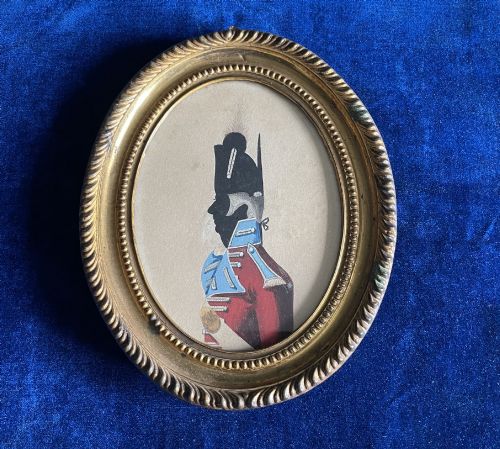
Makers shaped a georgian silhouette picture using cut paper, ink, and watercolour mounted on paper backgrounds. Some artists painted directly on glass using dark pigments and added gold leaf highlights to describe costume details.
Framing materials include ebonised wood, maple, and rosewood, frequently accented with brass components to secure the profile. The delicate paper or glass components require protective glazing to survive intact.
Georgian Silhouette Picture Retail Price Guide 2026
Typical asking prices for georgian silhouette picture among the pieces listed under this phrase on Sellingantiques today, from the lower quarter to the upper quarter. They describe what is for sale here now, not the wider market.
Several Victorian silhouettes stubbornly record beloved family dogs alongside children, proving ancestors loved their pets just as much in profile.
Evaluating Craft and Condition
The integration of gilded highlights, watercolour additions, and mottos elevates individual portraits beyond plain black paper cuttings. Original frames of rosewood, maple, or ebonised wood with matching brass hangers preserve the integrity of the period presentation.
Bateman·William James Hubard·Augustin Edouart·J. Deacon·George Atkinson·John Miers
The Georgian Silhouette Picture Glossary
- Silhouette
- A portrait profile filled in with a solid dark colour, typically black, derived from shadow tracing or freehand cutting. The form relies entirely on outline shape to convey recognition.
- Ebonised wood
- Timber treated to resemble ebony, frequently used for dark picture frames during the Georgian and Regency periods. This finish provides high contrast for gilded profile details.
- Conversation piece
- An artwork depicting a group of figures engaged in a social setting or shared activity. In silhouette work, these compositions show multiple people or animals interacting.
Georgian Silhouette Picture: Frequently Asked Questions
How do I hang a framed silhouette?
Hang your piece away from direct sunlight to protect the fragile paper, ink, and watercolour elements from fading over time. Use sturdy picture hooks matched to the weight of the original wood frame.
Keep the artwork in stable indoor humidity conditions to prevent warping of the timber frames and degradation of the internal paper components.
What periods do these profiles span?
The pieces on this page originate primarily from the eighteenth and nineteenth centuries, encompassing the Georgian, Regency, and William IV eras. Styles shift from early eighteenth century profiles to more elaborate nineteenth century conversation pieces.
Named galleries and artists active during the early nineteenth century help anchor specific dates within this broader timeframe.
Are these portraits signed by artists?
Some pieces bear signatures, artist attributions, or gallery stamps from establishments like the Hubard Gallery or the Royal Victoria Gallery. Signatures or inscriptions often appear on the reverse or directly on the mount.
Unsigned works remain common, relying on stylistic traits, framing materials, and subject matter to suggest period and origin.
What framing materials were used?
Original mountings frequently feature ebonised wood, maple, or rosewood configured as tight frames protecting glass and paper. Brass elements often secure the backing boards or provide hanging loops.
These period frames complement the dark tones of the cut paper or painted silhouettes inside.