



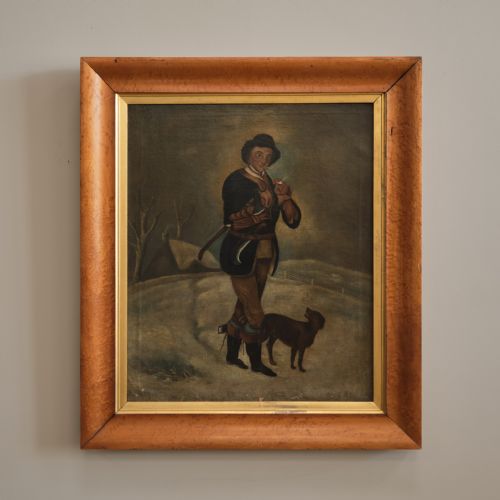


Brown Maple Portrait Frame
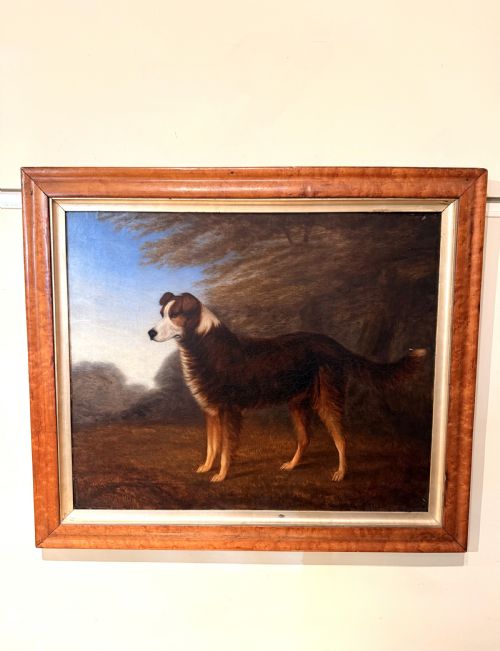
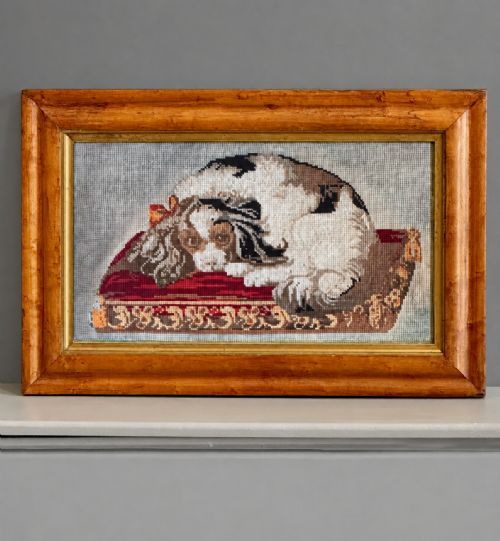
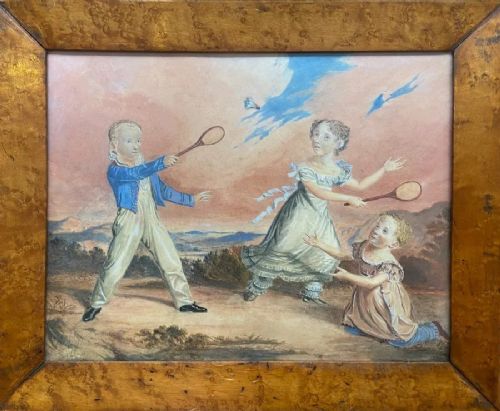
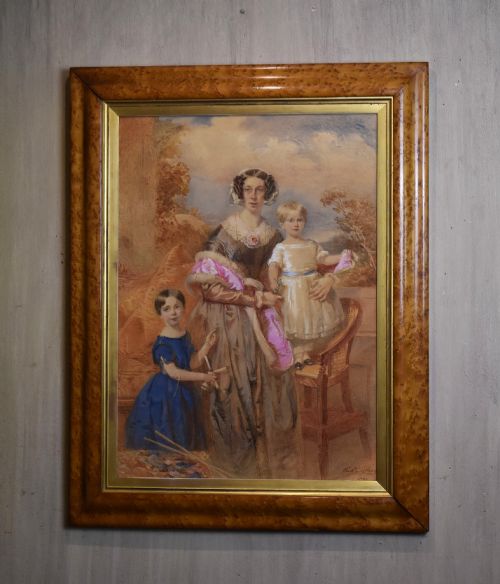
These brown maple portrait frames house watercolours, oils, needleworks and silhouettes, offering period warmth and character to elevate any wall.
Brown Maple Portrait Frame
A brown maple portrait frame contains historical works of art, ranging from delicate watercolours and portrait miniatures to naive oil paintings and silhouettes. Buyers seeking a brown maple portrait frame will most frequently encounter 19th-century and Victorian pieces, alongside earlier Georgian and Regency examples.
The contents include family portraits, animal studies, and needlework scenes, all preserved within distinct wooden borders. These items span British and Continental schools, showcasing folk art as well as formal portraiture from different decades.
How these pieces were constructed
The framing elements utilise wood, specifically employing maple veneer and burr maple to achieve distinctive grain patterns and warm brown tones. Many examples incorporate gilt highlights alongside the wooden structure to accent the artwork within.
Artworks inside are created on paper, canvas, tin, or card, utilising watercolour, oil paint, or hand-coloured techniques. Needleworks and silhouettes add texture and variety to the selection of framed pieces.
Brown Maple Portrait Frame Retail Price Guide 2026
Typical asking prices for brown maple portrait frame among the pieces listed under this phrase on Sellingantiques today, from the lower quarter to the upper quarter. They describe what is for sale here now, not the wider market.
Listings feature maple veneer, gilt, paper, and wood materials across 19th-century and Victorian periods.
Judging quality in framing and art
Quality rests in the harmony between the wooden frame and the artwork it encloses, where rich maple grain and original gilding elevate the piece. The skill of the maker shines through the preservation of the portrait or scene, whether it is a finely detailed oil painting or a charming folk art watercolour.
Condition and originality distinguish the superior examples, particularly when the antique frame and its contents remain together from their original period. Finer pieces demonstrate careful attention to both the mounting of the artwork and the finish of the wood.
The Brown Maple Portrait Frame Glossary
- Burr maple
- A wood figure showing swirling knots and growth patterns that creates a highly decorative and textured surface on a frame.
- Portrait miniature
- A small, highly detailed painting, often executed on card or ivory, designed to capture the likeness of an individual.
- Silhouettes
- Profile portraits cut from black paper or painted, popular for capturing likenesses before photography became widespread.
- Needlework
- Stitched textile art, such as Berlin work, created with yarn or thread on canvas and preserved behind glass.
- Regency
- An English design period spanning the early 19th century, known for refined classical elegance and understated frames.
Brown Maple Portrait Frame: Frequently Asked Questions
What periods do these frames represent?
The listings encompass items primarily from the 19th century, including Victorian, Georgian, and Regency eras. Some pieces date specifically around 1800, while others extend into the early 20th century.
Each period brings distinct stylistic traits to both the artwork and the surrounding maple wood framing.
What types of artwork appear inside?
Artworks include oil paintings on canvas and tin, watercolours, hand-coloured portrait miniatures, and silhouettes of children and animals. Needlework pictures also feature prominently within the wooden borders.
These varied mediums reflect the domestic artistic tastes of past centuries.
How do I care for a maple frame?
Keep wooden frames away from direct sunlight and damp environments to protect the maple veneer and any gilt details. Dust gently with a dry, soft cloth rather than using liquid polishes.
Maintaining stable room temperatures prevents the wood from warping over time.
Are the frames original to the art?
Many pieces retain their original burr maple or wood frames, which is noted in descriptions when documented. Original pairings preserve the historical integrity of the object.
Examining the backboards and fixings often provides clues to the age relationship between art and frame.