


Georgian Sheet Music Holder
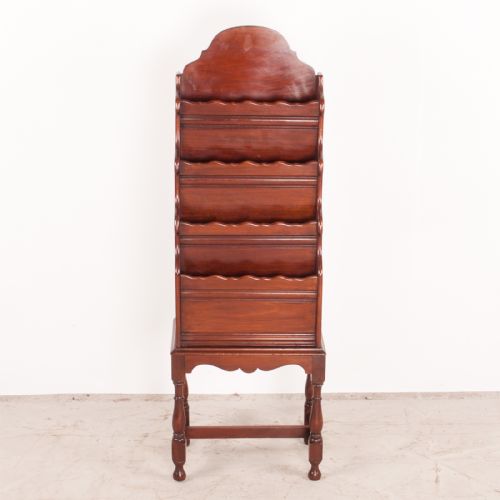
A georgian sheet music holder brings period elegance to a room, offering a clever place to organise folios, scores and periodicals.
Georgian Sheet Music Holder
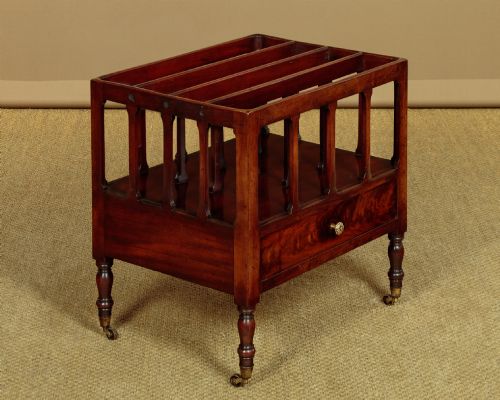
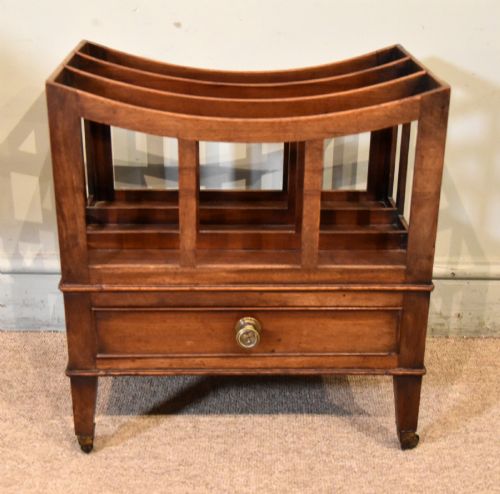
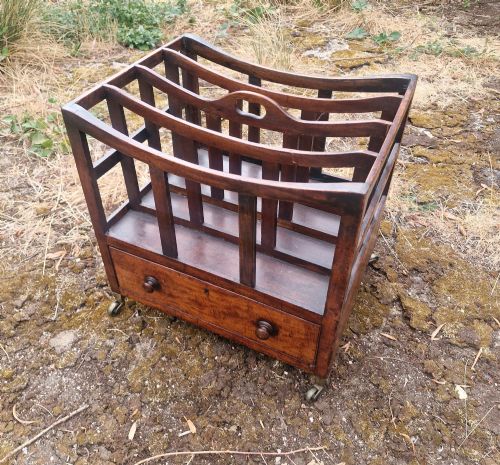
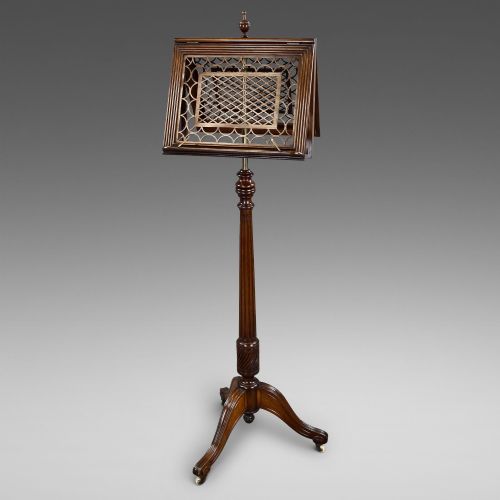
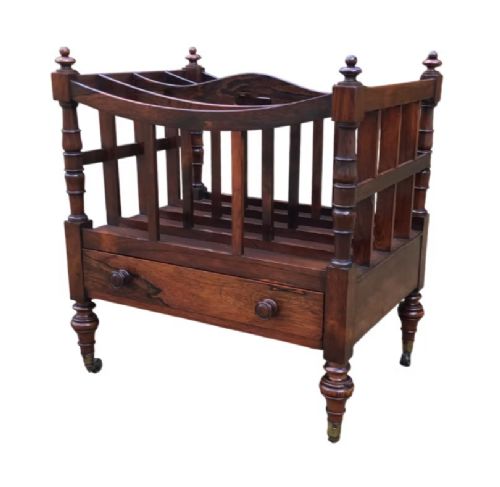
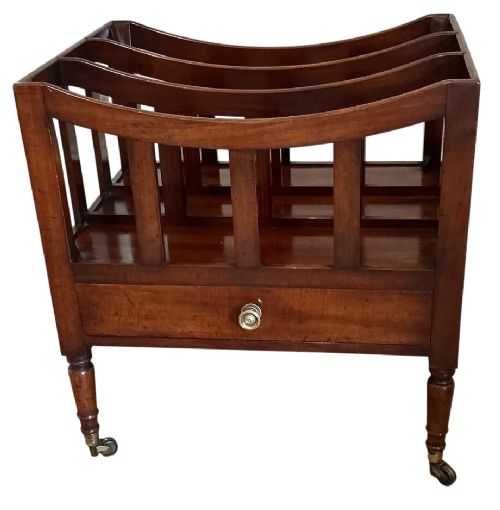
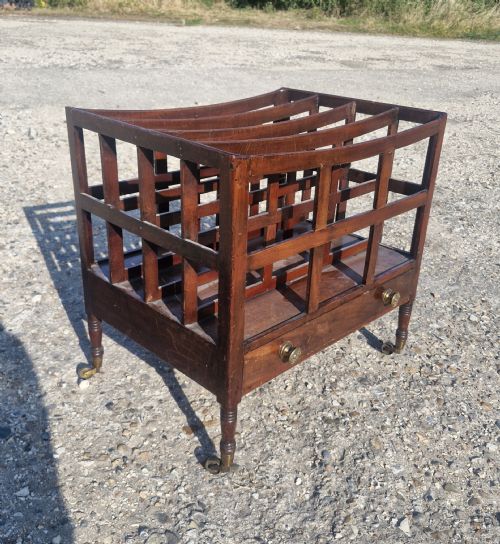
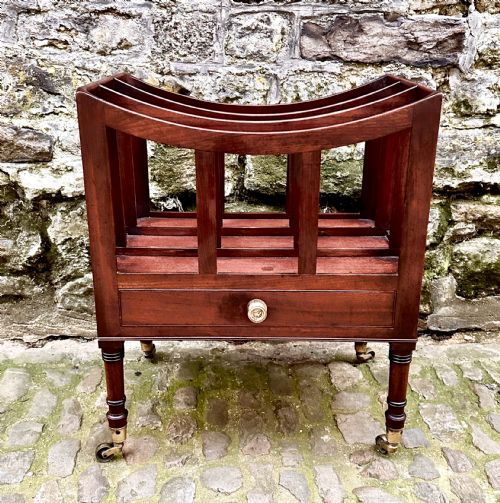
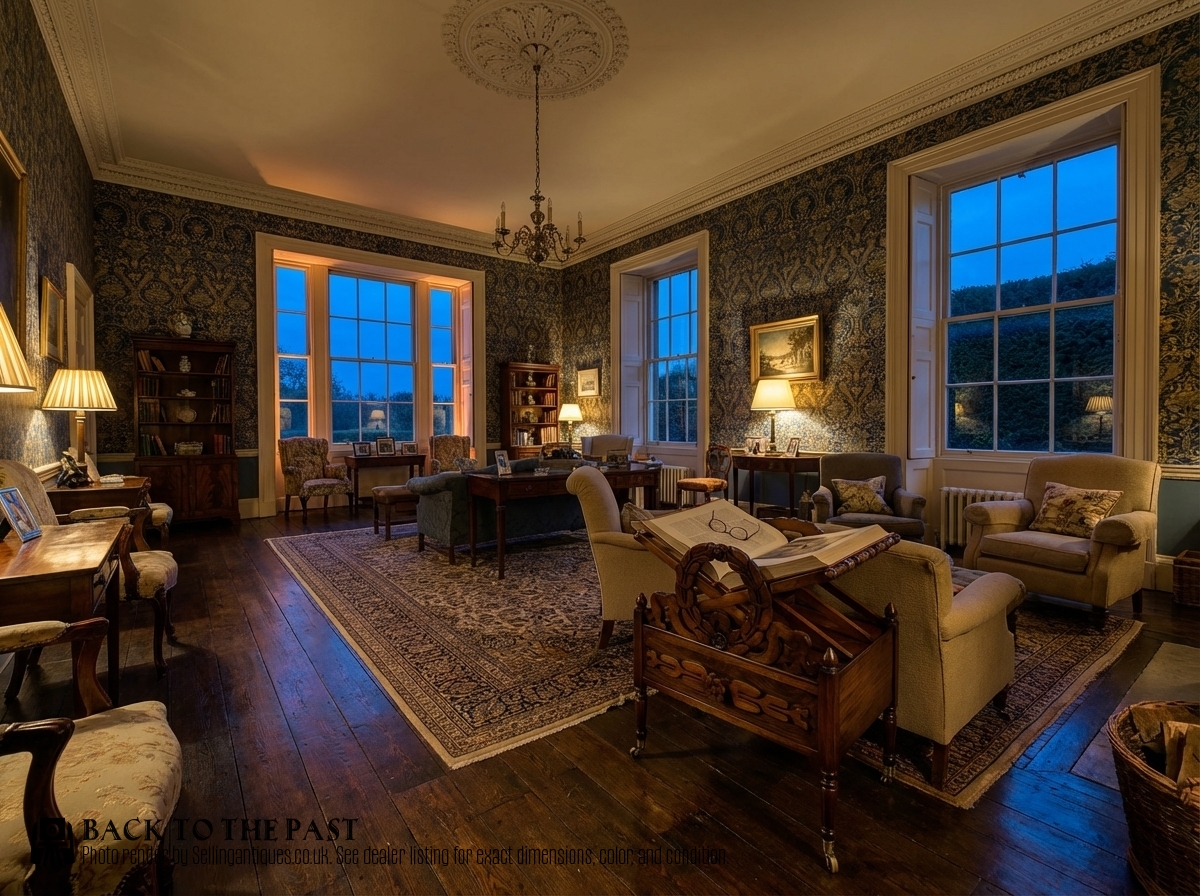
When you search for a georgian sheet music holder, you encounter pieces designed to hold unbound scores, folios and periodicals within domestic interiors. These items primarily manifest as canterburys, magazine racks and adjustable music stands originating from Georgian, Regency, William IV and Victorian periods.
The materials and styles span from standard mahogany and Cuban mahogany to rich rosewood, accented with inlay and ebony banding. Pieces range across the George III, George IV, Regency and Edwardian eras, reflecting enduring utility across more than a century of domestic music-making.
What Varies in Quality
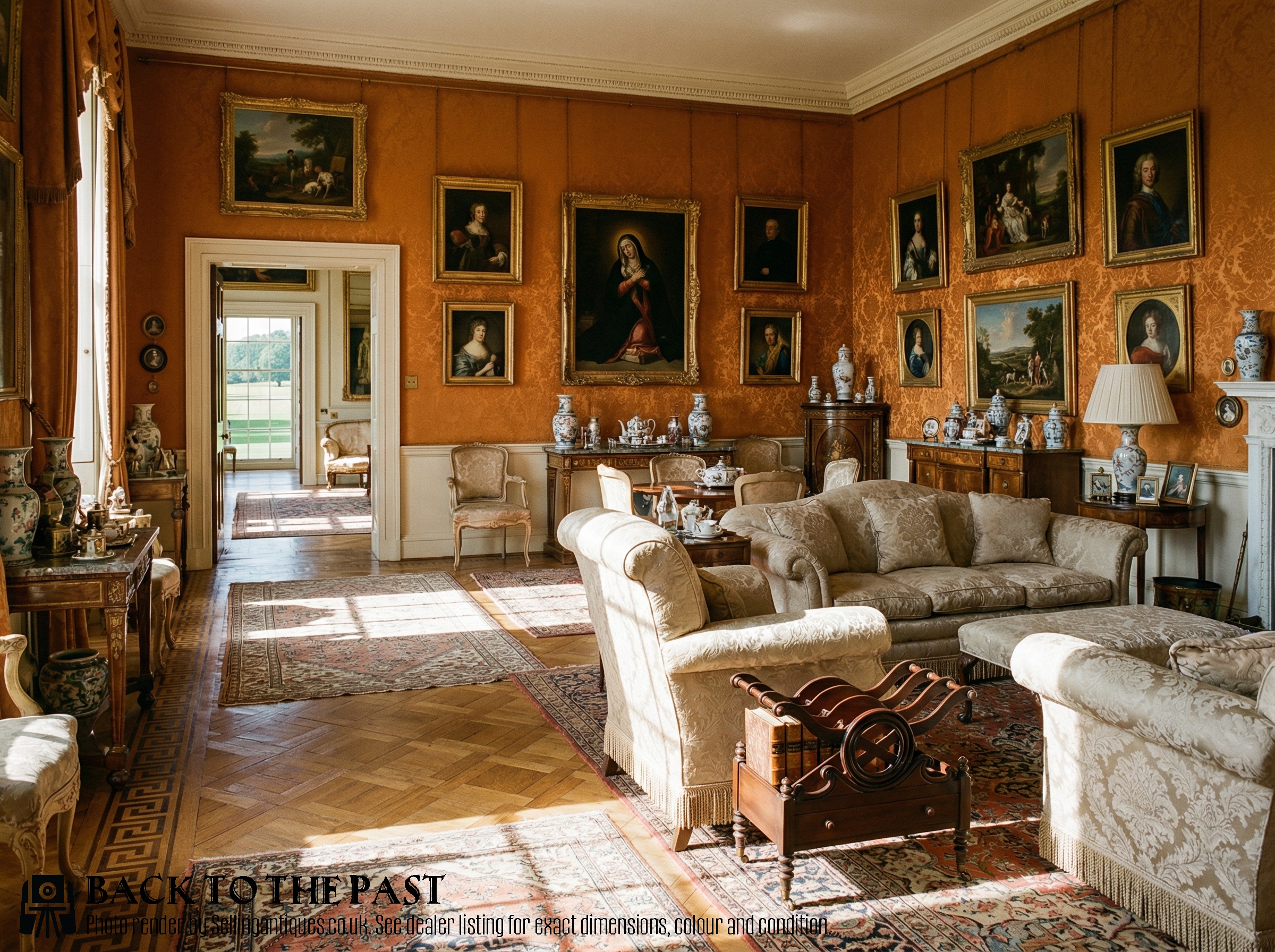
The selection of timber dictates the visual depth of a piece, with figured Cuban mahogany and richly grained rosewood sitting at the upper end of the scale. Plain mahogany examples offer simpler utility, whereas timber choice and grain selection immediately signal the original commissioning tier.
Refinement in turning, joinery and hardware separates standard utility items from pieces designed for country house drawing rooms. The presence of integrated drawers, complex four-division frameworks and finely cast brass castors elevates the status of an individual stand.
Invented to tidy up sheet music, these stands let you blame your messy piano scores on historical precedent.
The Georgian Sheet Music Holder Glossary
- Canterbury
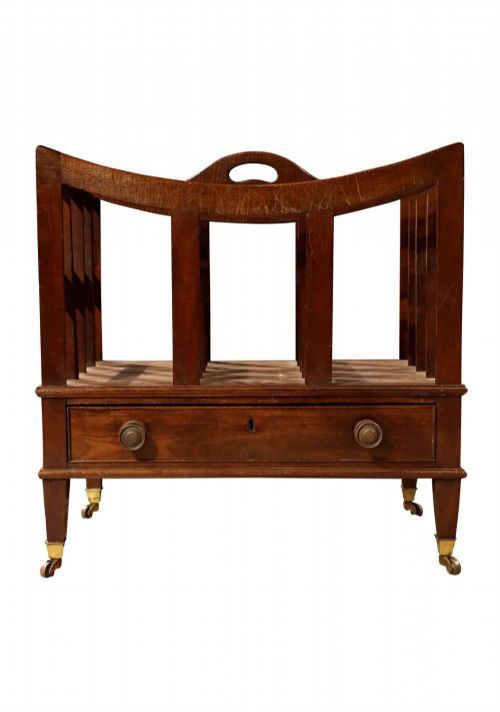
- A low freestanding rack with partitioned vertical sections used originally for sheet music and folios. It frequently incorporates a single drawer beneath the partitions and stands on small castors.
- Duet stand
- A music stand designed to hold two open scores side by side for shared performance. These pieces often feature adjustable height mechanisms and pivoting wooden book rests.
- Boat-shaped
- A descriptor for canterburys featuring curved, concave ends resembling the hull of a vessel. This silhouette is particularly prevalent among pieces produced during the Regency period.
- Ebony banding
- A thin strip of dark ebony wood inlaid along the edges of tabletops or drawer fronts to create visual contrast. It provides a crisp outline against lighter timbers like mahogany.
- Castors
- Small wheel attachments fitted to the base of furniture legs to permit easy relocation across floor coverings. On music stands and canterburys, these are often fashioned from brass.
Georgian Sheet Music Holder: Frequently Asked Questions
What is a canterbury?
A canterbury is a low stand featuring vertical divisions designed to hold sheet music, books or periodicals. They were traditionally placed beside pianos or seating areas for easy access.
Most examples include a small drawer at the base for smaller accessories and rest on castors for simple movement across a room.
How do I use a music stand today?
Adjustable music stands serve well as book holders, tablet supports or display ledges for open art volumes. Their pivoting surfaces allow you to angle reading material precisely.
They function effectively as decorative furniture pieces in studies, libraries or living spaces without requiring musical instruments nearby.
What distinguishes Regency from Georgian pieces?
Georgian pieces often display restrained classical proportions and straight lines, particularly those from the George III period. They frequently utilise solid mahogany with understated mouldings.
Regency examples introduce bolder silhouettes, such as boat shapes, richer rosewood veneers, and decorative brass details influenced by classical antiquity.
Are these stands sturdy enough for daily use?
These pieces were built from dense hardwoods like mahogany and rosewood to withstand daily domestic handling of heavy paper scores. Their robust frame construction ensures enduring structural stability.
Gentle treatment and proper maintenance of their castors and moving joints allow them to perform everyday organisational roles in modern homes.