



Georgian Reverse Painting
Georgian reverse painting pieces are historic glass works created by applying pigment from behind, offering exceptional depth and preserved brilliance to portraits and scenes.
Georgian Reverse Painting
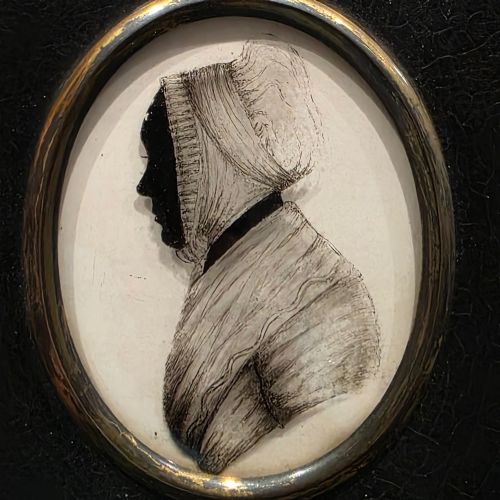
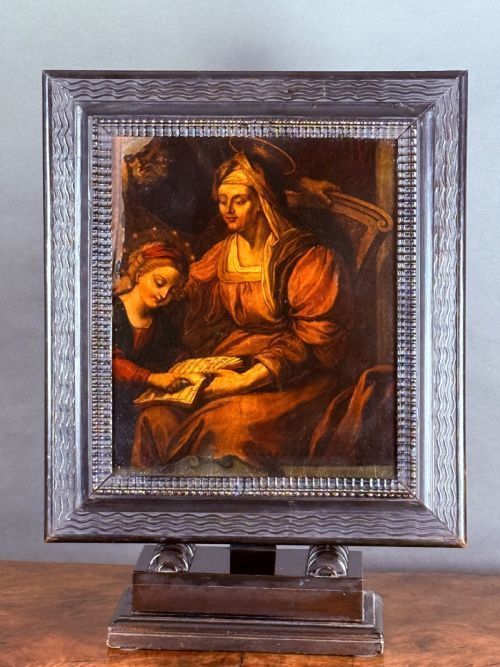
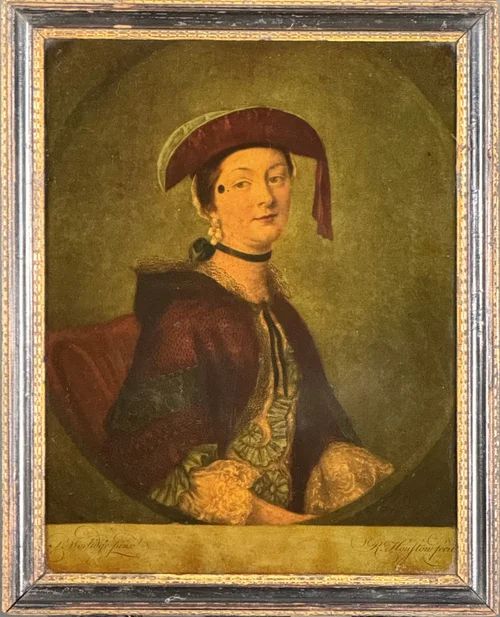
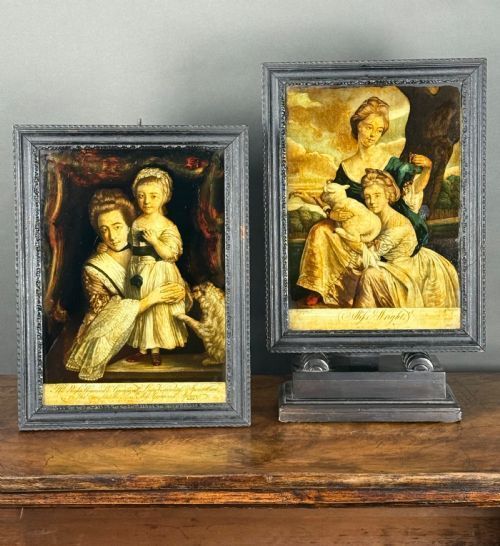
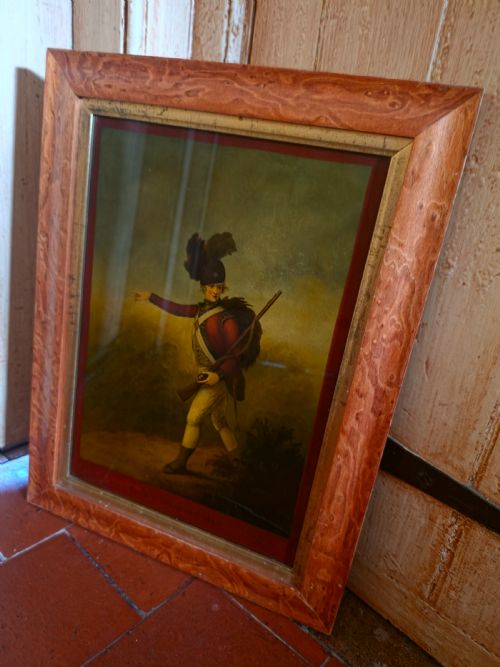
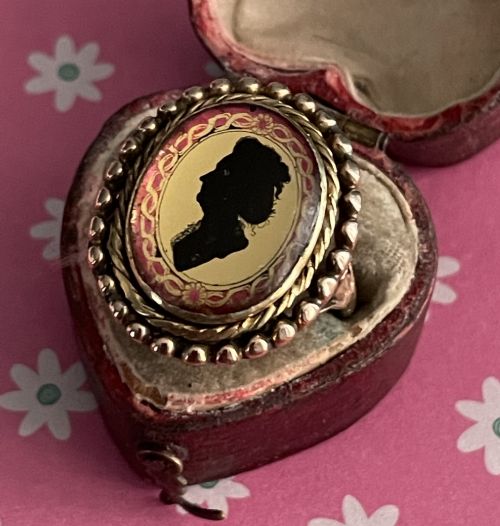
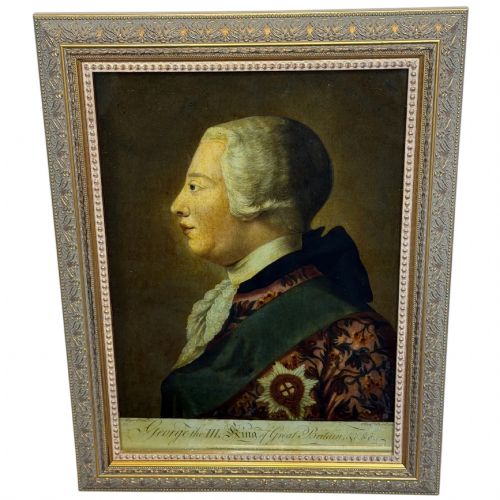
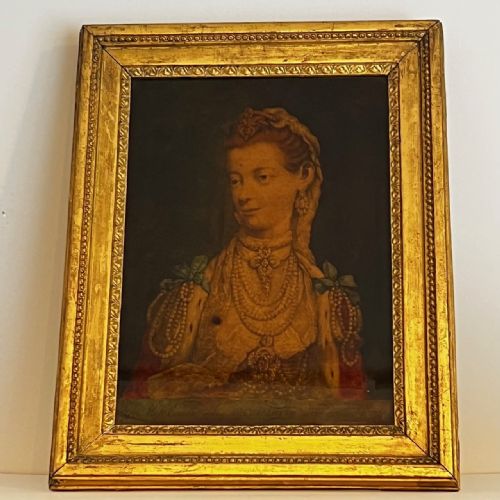
When you search for georgian reverse painting, you encounter delicate works executed directly on glass panels or incorporated into prints, silhouettes, and mirrors. The pieces span portraits of notable figures, allegorical subjects, and domestic scenes created during the eighteenth and nineteenth centuries.
Portraits of monarchs, nobility, and literary subjects dominate the selection, alongside pairs depicting the seasons or maritime engagements. Miniature silhouettes and large pier mirror panels demonstrate the varied scale of these works.
Works originate primarily from British workshops, alongside occasional Chinese export examples tailored for Western markets. Framed prints and painted miniatures reflect the distinct decorative tastes of the Georgian and Regency periods.
How They Were Made
Makers applied paint, oil pigment, and gold leaf to the reverse side of a glass sheet, working from fine details in the foreground back to broader background layers. This method protected the finished image beneath the glass while imparting a distinct luminosity.
One recorded domestic scene depicts a gentleman's morning shaving ritual abruptly interrupted by his wife.
What Varies in Quality
The precision of the brushwork and the delicacy of the applied gold leaf determine the distinction between standard decorative items and finer artistic achievements. Portrait likenesses demand meticulous control when rendered directly onto glass without the margin for error present in canvas painting.
The preservation of the underlying pigment and the stability of the glass plate govern the longevity and visual impact of each piece. Original frames, particularly period giltwood or maple housings, contribute substantially to the integrity of the object.
Fletcher·Sebastiaan Vrancx·Charles Spooner·Richard Purcell·Abraham Cooper·W. Bishop·Rolinda Sharples·William Denune·Henry Chichester Northover
The Georgian Reverse Painting Glossary
- Verre eglomise
- A cold decoration technique involving the application of gold or metal leaf onto glass, often combined with painted details. The method produces a reflective, mirror-like finish frequently seen in Regency pier mirror panels and fine frames.
- Mezzotint
- A printmaking process where the copper plate is roughened to achieve tones and dark fields, which were then transferred to glass for reverse colouring. This technique allowed for subtle gradations of light and shadow.
- Silhouette
- A profile portrait filled in with solid dark pigment or painted with colour on glass. These intimate likenesses capture subjects with striking economy of line.
- Trumeau
- A decorative wall mirror featuring an upper panel containing a painting or print. In Regency examples, this upper section frequently houses a reverse glass artwork.
Georgian Reverse Painting: Frequently Asked Questions
How do I clean a reverse painting on glass?
Clean only the exterior glass surface using a soft, dry cloth without applying liquid directly. Moisture can seep beneath the frame edges and lift the fragile pigments applied to the reverse.
Avoid chemical cleaners entirely, as ammonia or alcohol will damage aged wooden frames and historic glass surfaces alike.
Where should I hang these fragile glass pieces?
Position them away from direct sunlight to prevent the fading of delicate oil paints and gold leaf details. Stable interior walls protect the glass panels from temperature fluctuations and humidity.
Ensure the hanging wire and wall fixings match the weight of the timber frame to prevent accidental structural failure.
How can I tell a Georgian piece from a later reproduction?
Examine the reverse side and framing materials for signs of age, such as hand-cut glass, oxidation of pigments, and period timber construction. Eighteenth-century examples display distinct pigment characteristics and mounting techniques.
Reproductions often utilise modern adhesives, uniform glass plates, or twentieth-century framing methods that lack historic wear patterns.
What subjects were popular in these works?
Royalty and military figures appeared frequently, reflecting national pride during the Georgian and Regency eras. Portraits of sovereigns like King George III and Queen Charlotte served patriotic decorative functions in homes.
Allegorical sets representing the seasons or moral narratives also found favour among collectors of interior domestic art.