
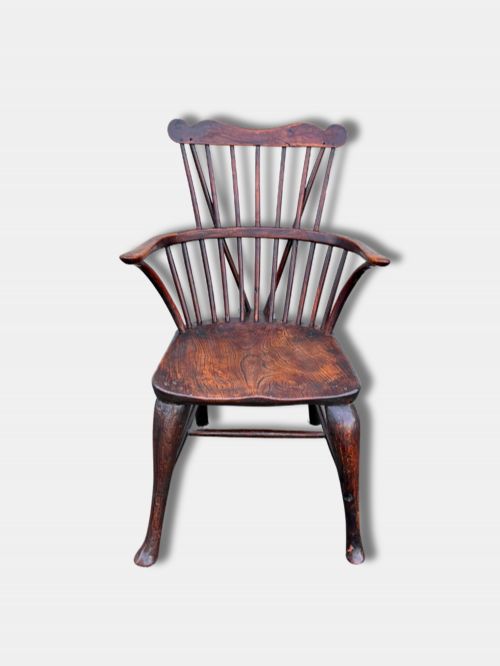


Georgian Primitive Windsor Chair
A georgian primitive windsor chair offers honest regional craft and sturdy timber construction suited to daily country use.
Georgian Primitive Windsor Chair
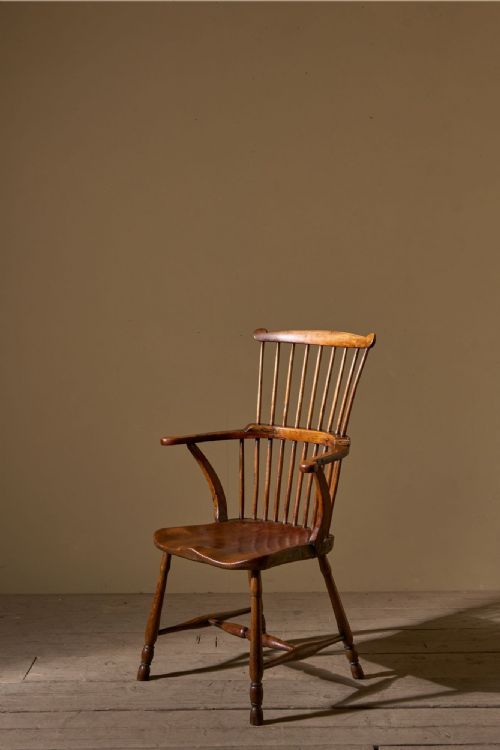
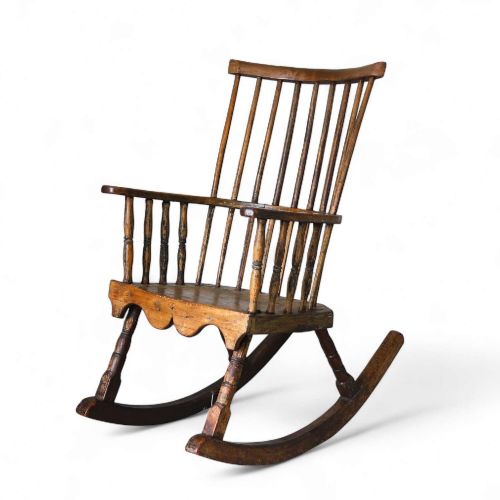
These seating pieces encompass regional vernacular forms originating across the British countryside during the eighteenth and nineteenth centuries. A georgian primitive windsor chair typically combines a solid wooden saddle seat with slender spindles and distinctive comb backs or low stick backs.
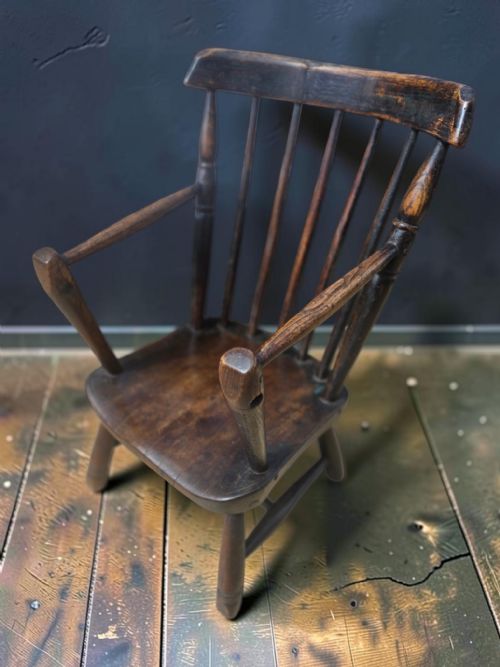
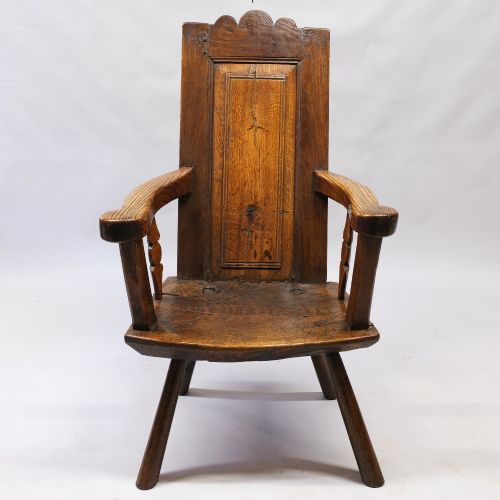
Buyers encountering this selection most frequently meet armchairs and children's chairs representing diverse local traditions from Welsh valleys to the Thames basin and the West Country. Makers utilised available local timber to build robust seating that served domestic farmhouses and cottages.
The aesthetic prioritises structural integrity and utility over refined ornamentation, resulting in varied proportions and spontaneous joinery. Each surviving example records the specific preferences of regional cabinet makers working within traditional vernacular idioms.
Factors determining quality
The distinction between standard utility items and finer regional pieces lies in the choice of timber and the sophistication of the turning. Burr elm seats and select yew wood frames demonstrate superior selection by the original maker.
Proportion and the handling of the comb back or stick back structure dictate visual harmony. Pieces retaining their original surface patination and uncompromised structural connections command greater appreciation among collectors.
Certain Welsh chairs carry the local moniker lobster pot due to the distinctive inward-curving arrangement of their rear sticks.
The Georgian Primitive Windsor Chair Glossary
- Comb back
- A chair back featuring a horizontal top rail supported by vertical spindles, resembling the teeth of a comb. This form provides robust back support in vernacular seating.
- Stick back
- A chair design where turned or cleft spindles are tenoned directly into the seat without a solid central splat. This construction method defines many regional country chairs.
- Vernacular
- Objects built by local craftsmen using traditional regional methods and materials rather than following metropolitan fashion. These pieces reflect the specific needs of rural communities.
- Saddle seat
- A wooden seat base sculpted with deep depressions and rounded edges for comfort. Makers shaped these heavy planks using adzes and scorps.
- Cleft timber
- Wood split along the natural grain rather than sawn, producing stronger components for spindles and legs. This traditional technique preserves the maximum tensile strength of the fibre.
Georgian Primitive Windsor Chair: Frequently Asked Questions
How do I date a primitive windsor chair?
Dating relies on examining tool marks, timber selection, and construction methods such as the thickness of the seat slab and the taper of the turned legs.
Earlier examples often display hand-cleft components and distinctive regional quirks in the comb back structure that evolved into more standardised forms during the nineteenth century.
Where were these regional chairs made?
Makers constructed these regional chairs in rural workshops across England and Wales, utilising local woodlands for their timber supply.
Distinctive local styles emerged in areas such as the Thames Valley, the West Country, and various Welsh valleys including Snowdonia and the Swansea Valley.
What woods were used for these chairs?
Elm served as the primary material for solid saddle seats because its interlocking grain resisted splitting under heavy use.
Ash, sycamore, yew, and fruitwood provided strong, flexible material for the spindles, bows, and arms.
How should I care for an antique wooden chair?
Maintain stable indoor humidity levels away from direct heat sources and strong sunlight to prevent the timber from drying out and splitting.
Apply traditional wax polish occasionally to nourish the surface and preserve the historic patination accumulated over centuries of use.