
Georgian Portraiture Art
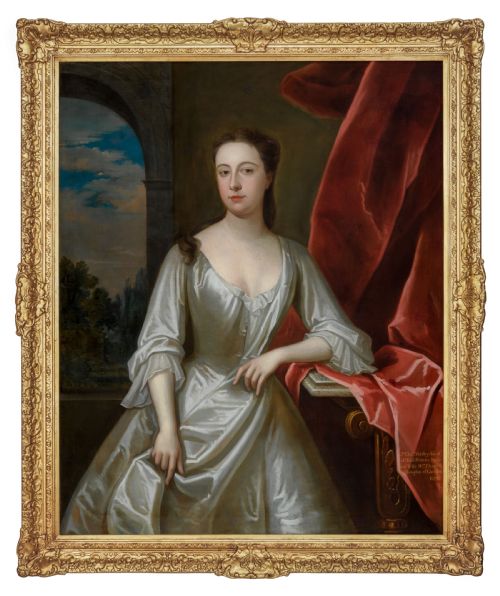
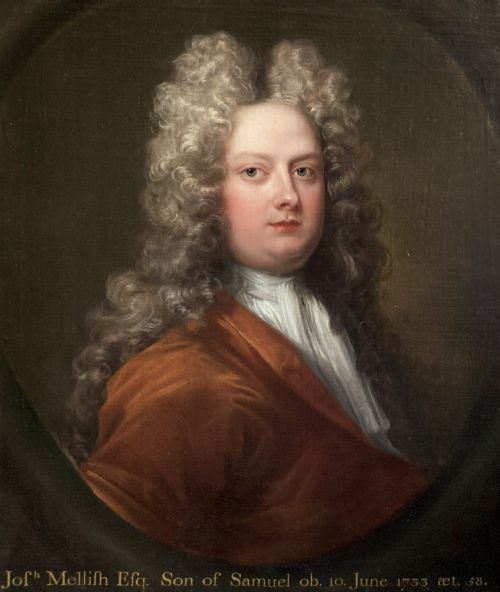
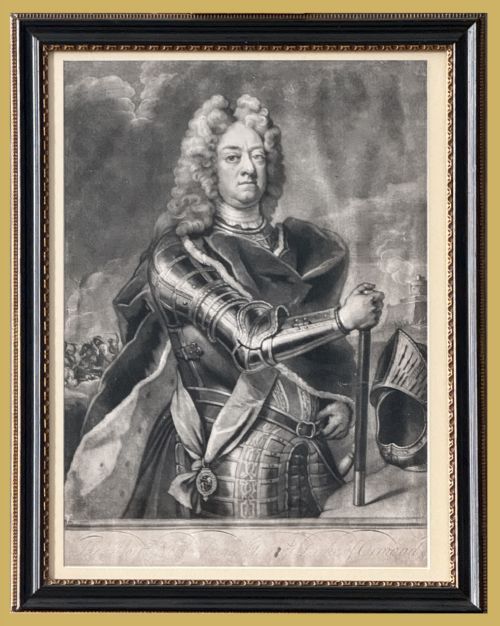
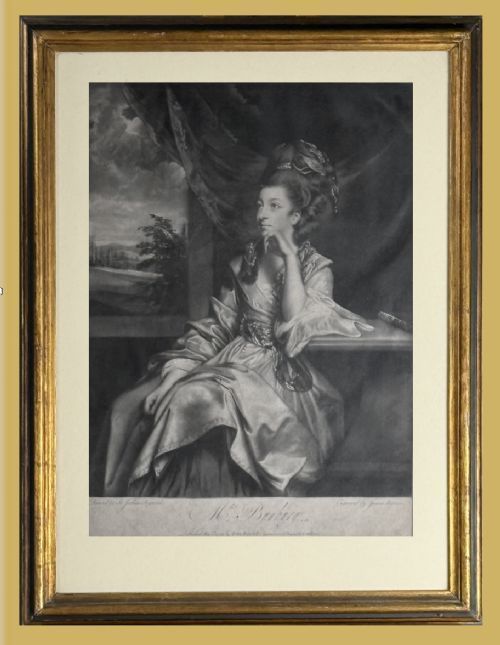
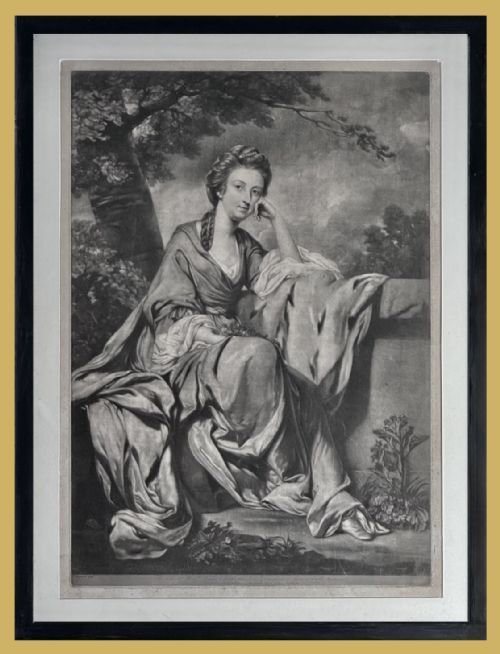
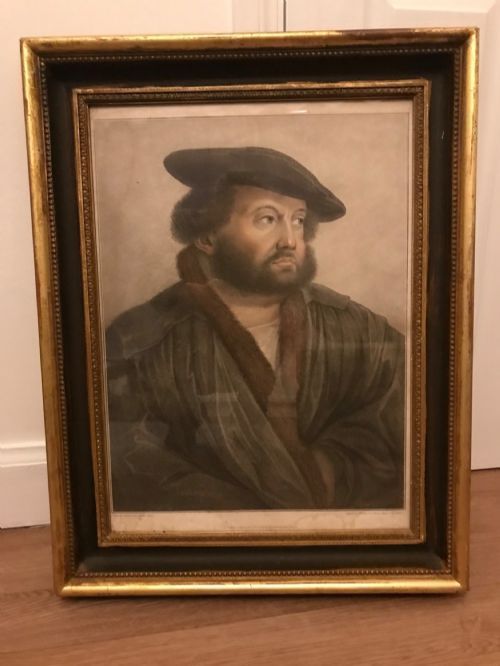
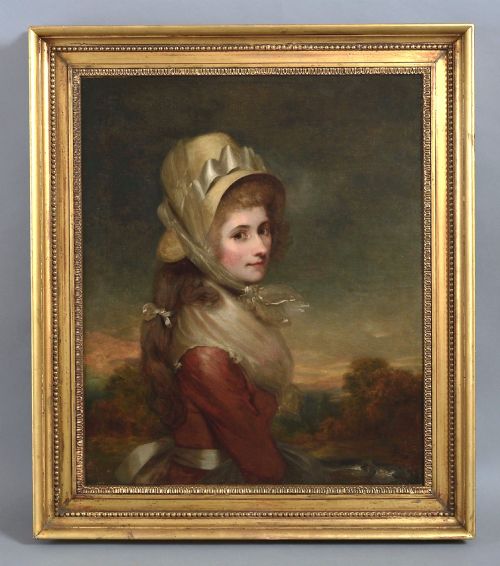
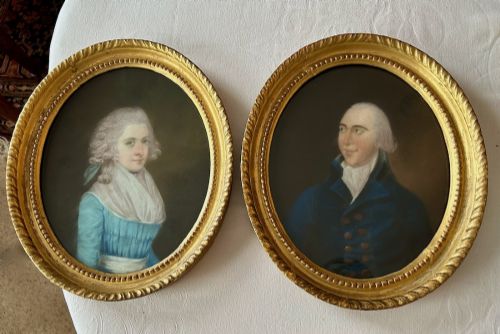
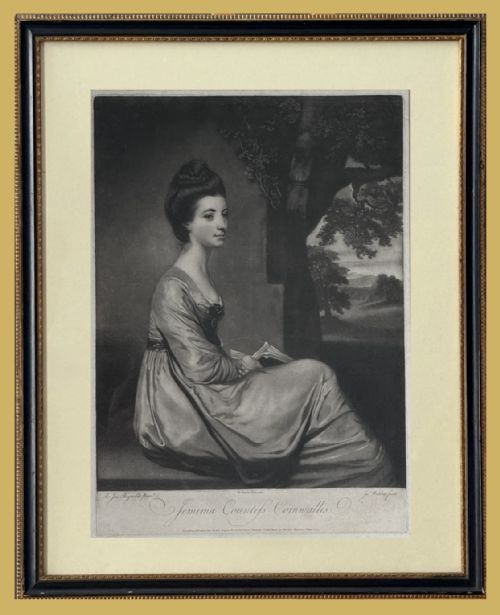
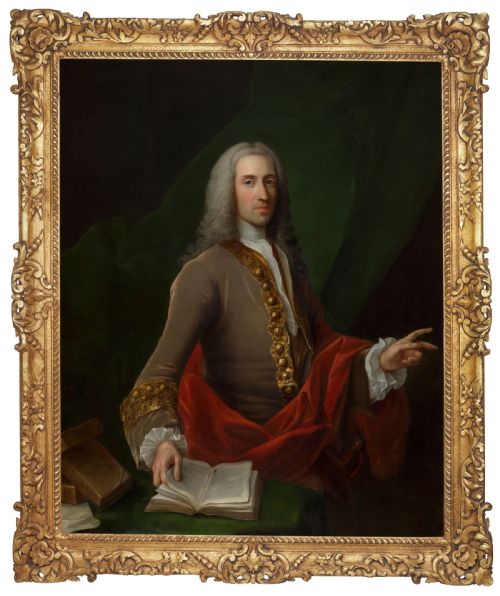
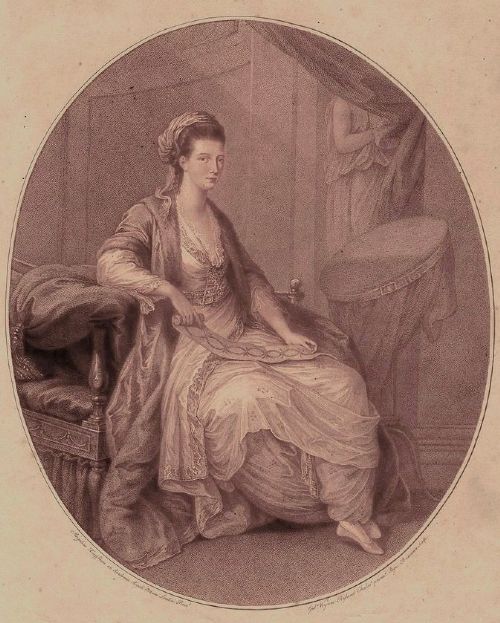
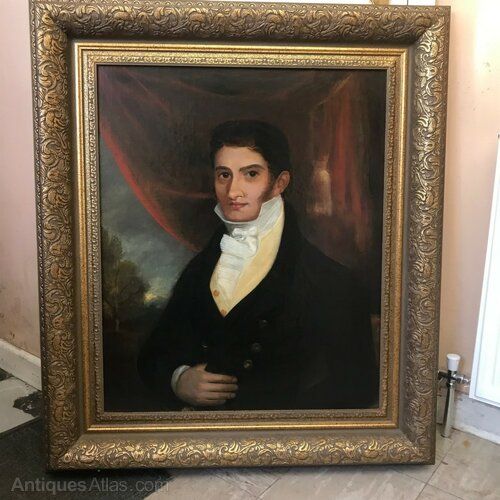
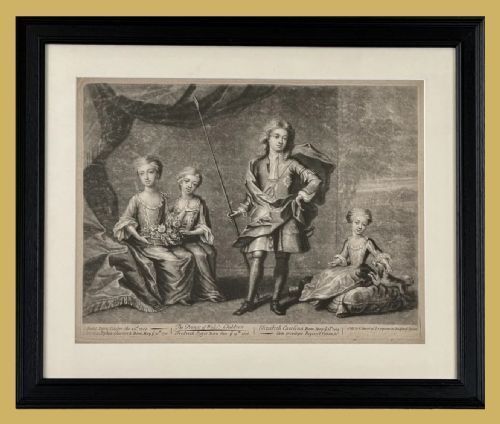
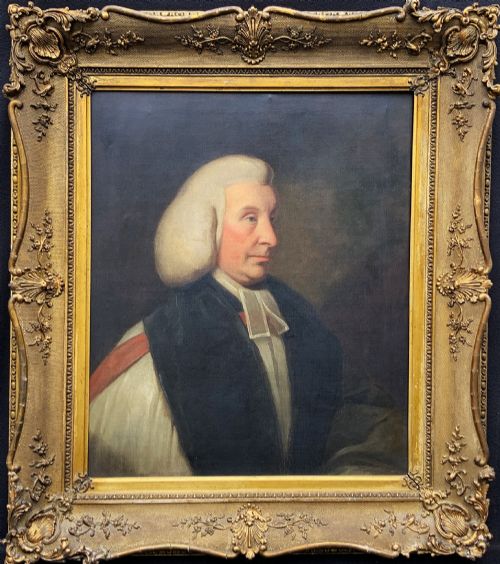
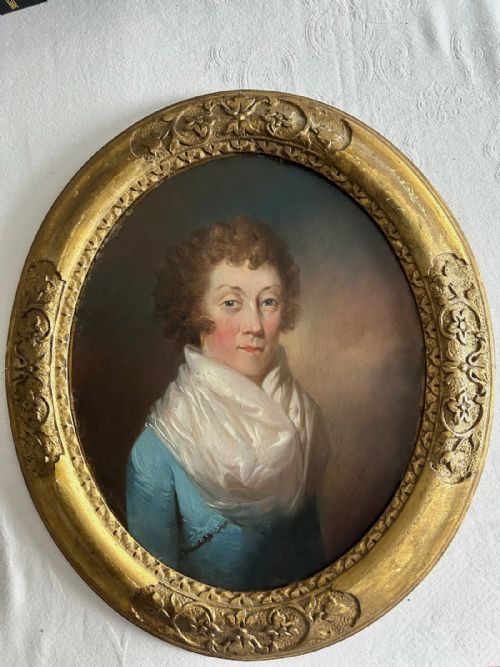
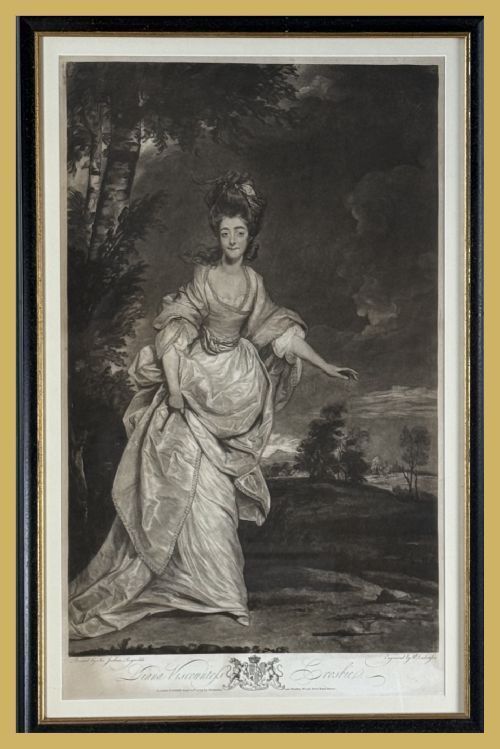
When collecting georgian portraiture art, you encounter oil on canvas paintings, delicate pastels, and detailed mezzotint prints that capture recognizable historical figures.
Georgian Portraiture Art
Georgian portraiture art encompasses oil paintings, pastels, and engravings depicting nobility, children, and gentlemen from the eighteenth and early nineteenth centuries. These works frequently arrive framed in period giltwood or wood, maintaining their historical integrity.
You are most likely to meet original oil on canvas paintings and printed mezzotints produced by British and European schools. The selection spans formal aristocratic depictions to intimate portrayals of children and everyday subjects.
How these works were created
Printmakers utilised copper plates to create mezzotints and stipple engravings, transferring detailed imagery onto paper using press techniques. Frames incorporated carved wood and gold leaf to house the completed artworks.
Gentlemen proudly held tobacco pipes and children posed alongside horses, proving that historical sitters loved showcasing their personal hobbies.
What determines quality in these pieces
Skill in handling facial expression, anatomy, and lighting separates master portraitists from regional followers. The depth of oil pigment and the crispness of a mezzotint impression dictate visual impact.
Original period frames matched to the canvas enhance historical cohesion. The subtlety in rendering textiles like silk and lace distinguishes superior output.
Sir Godfrey Kneller·Charles Jervas·Michael Dahl·James Watson·Sir Joshua Reynolds·Edward Fisher·Francesco Bartolozzi·Sir Martin Archer Shee·Jeremiah Davison·Thomas Beach·Sir Allan Ramsay·Augustin Edouart·John Russell·Thomas Gainsborough·Joseph Highmore·John Hamilton Mortimer·Sir Thomas Lawrence
The Georgian Portraiture Art Glossary
- Mezzotint
- A printmaking process where the copper plate is roughened to allow deep shades and tonal variations. This technique gained popularity for reproducing oil paintings.
- Pastel
- A medium consisting of powdered pigment mixed with a binder, applied directly to paper. It creates a matte finish with soft colour transitions.
- Giltwood
- Wood that has been coated with a thin layer of gold leaf or gilt powder. It is commonly found on period frames.
- Stipple engraving
- A method of producing prints using dots rather than continuous lines to form tones and images. It was widely used for portraits.
- British Baroque
- An artistic style characterised by grandeur, drama, and rich ornamentation. Portraits from this movement emphasise status and motion.
Georgian Portraiture Art: Frequently Asked Questions
What is georgian portraiture art?
Georgian portraiture art comprises paintings, prints, and pastels created during the eighteenth and early nineteenth centuries. These works document the likenesses of society figures, nobility, and children.
Created by prominent schools and individual artists, these pieces utilise mediums such as oil on canvas, paper, and glass to preserve historical identities.
How do I care for an oil portrait?
Keep oil paintings away from direct sunlight and dramatic fluctuations in temperature and humidity to protect the canvas and paint layers. Dust the surface and frame gently with a dry, soft cloth.
Avoid using water or chemical cleaners on the paint or historic frames, and consult a professional conservator for restoration.
How do I identify the period?
Examine the sitter's costume, hairstyle, and framing style, which often reflect the prevailing fashions of the eighteenth or early nineteenth century. Inscriptions, signatures, and labels on the reverse also provide chronological clues.
Materials such as hand-stretched canvas, laid paper, and antique glass help distinguish genuine period works from later reproductions.