
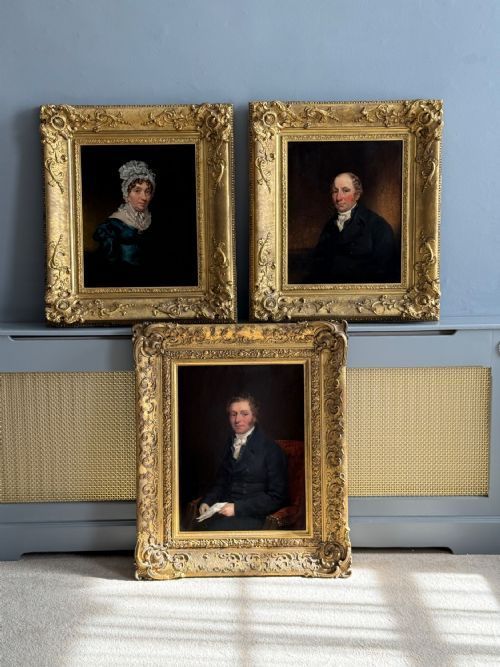
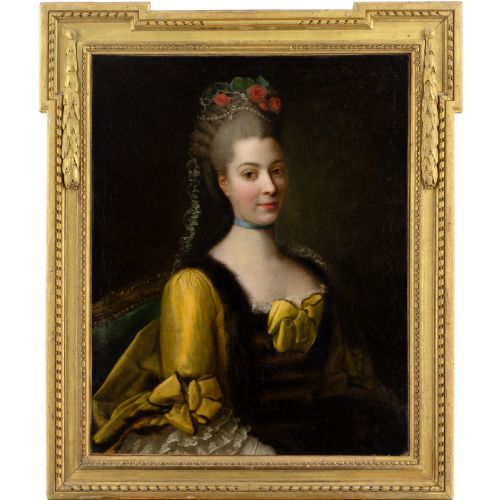
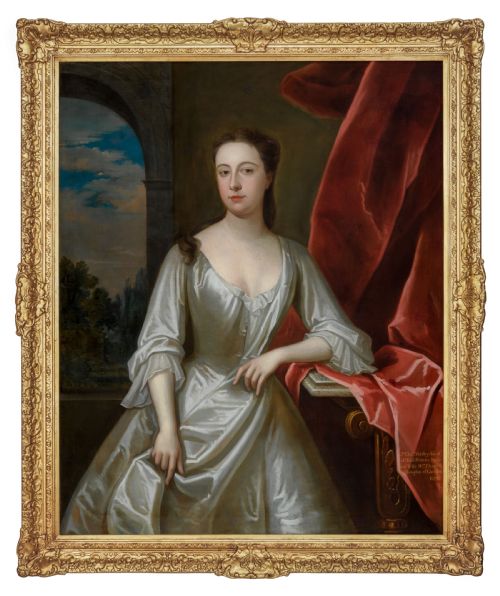
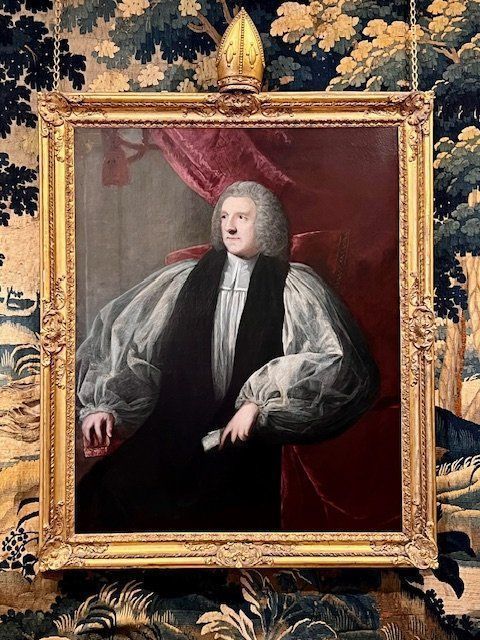


Georgian Portrait in Gilt Frame
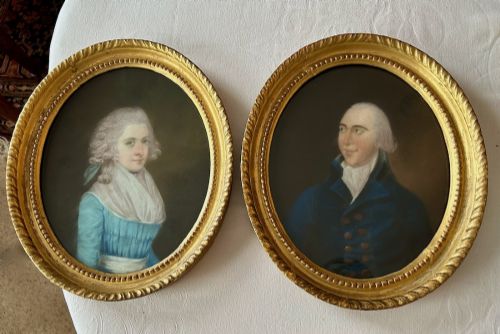
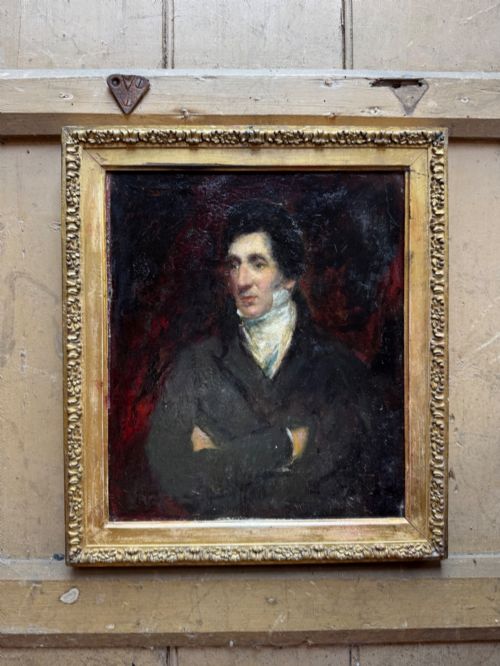
A georgian portrait in gilt frame brings the depth of oil paint, pastel, or silhouette into a room with the bright warmth of gold leaf.
Georgian Portrait in Gilt Frame
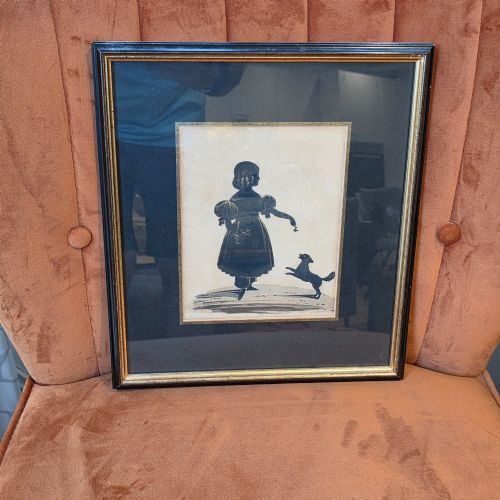
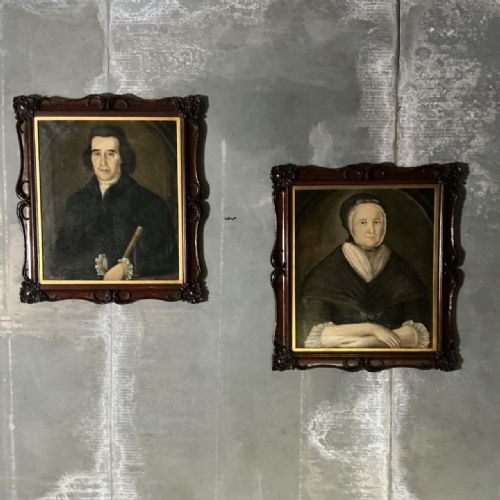
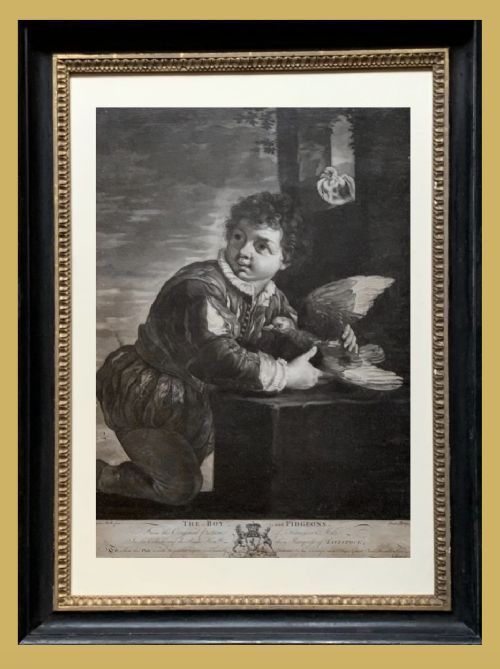
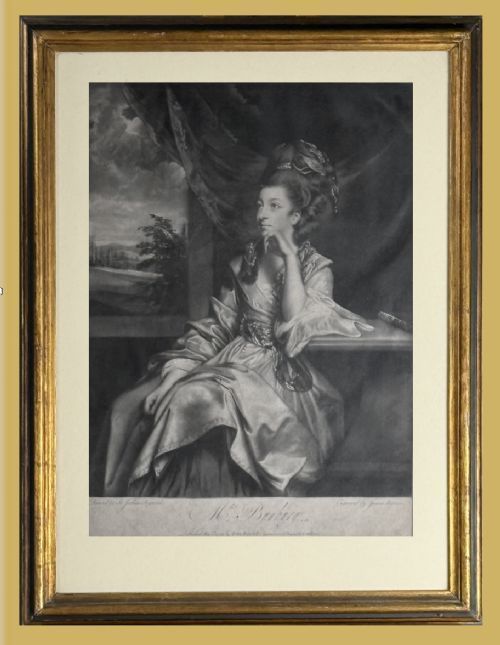
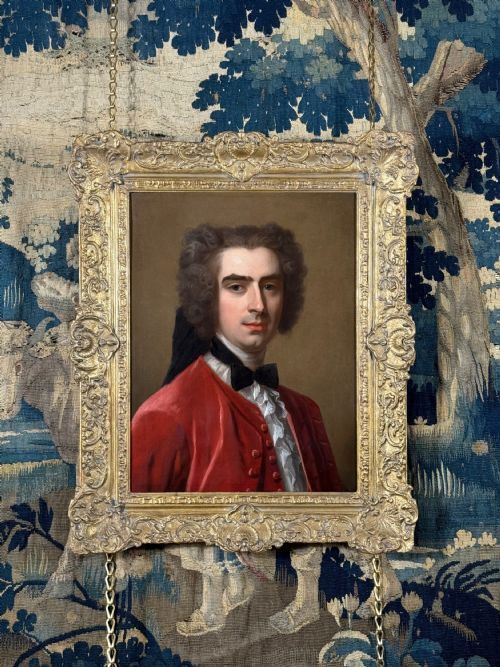
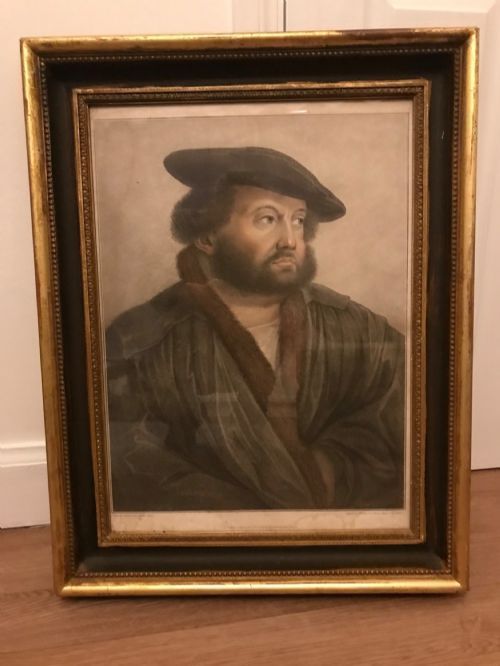
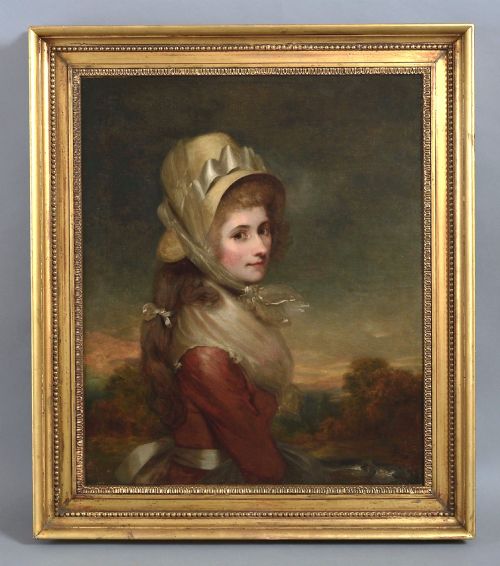
A georgian portrait in gilt frame spans oil paintings on canvas and panel, delicate pastels, silhouette miniatures, and mezzotint prints. These works capture sitters ranging from nobility to officers and country girls across the eighteenth and nineteenth centuries.
The framing defines the physical object just as much as the likeness itself. Original and period housings rely on carved wood finished in gold leaf or giltwood, framing the subject with classical or rococo moulding.
Oil paintings and watercolours dominate the selection, often carrying inscriptions or attributions to British and continental schools. Buyers find both large canvas works and intimate portrait miniatures housed behind glass.
Materials and construction
The primary supports consist of woven canvas stretched over wooden frames, wooden panels, and heavy paper sheets used for pastels and watercolours. Artists applied oil pigments, ink, and water-based paints, sometimes layering translucent glazes to build skin tones and fabric textures.
Frames utilise carved wood foundations built with corner joins and mouldings, subsequently coated in gold leaf or giltwood preparations. Glazing protects works on paper and miniatures, while mezzotint prints utilise inked metal plates pressed onto paper.
Listings feature works spanning the 17th century through the 19th century, utilising oil, pastel, paper, and giltwood.
Judging the range
Quality rests upon the skill of the brushwork and the anatomical accuracy of the hands, face, and drapery. Master painters render light across silk jackets and powdered hair with striking realism, whereas lesser studio copies appear stiff and flat.
The preservation of the original giltwood frame heavily influences the standing of a piece. Frames retaining their initial gilding without heavy modern restoration match the age and character of the canvas far better than later replacements.
Sir Joshua Reynolds·Sir Godfrey Kneller·Francesco Bartolozzi·James Watson·Thomas Frye
The Georgian Portrait in Gilt Frame Glossary
- Giltwood
- Wood carved and coated with gold leaf or metallic powder to create a bright, reflective surface. This finish is typical of formal frames from the eighteenth century.
- Mezzotint
- A printmaking technique where the copper plate is roughened to hold ink, producing rich tones and subtle shifts in shadow. It was widely used to reproduce oil paintings.
- Pastel
- A dry medium of powdered pigment pressed into sticks, used on paper to capture soft flesh tones and textures. Pastel works require protection behind glass.
- Silhouette
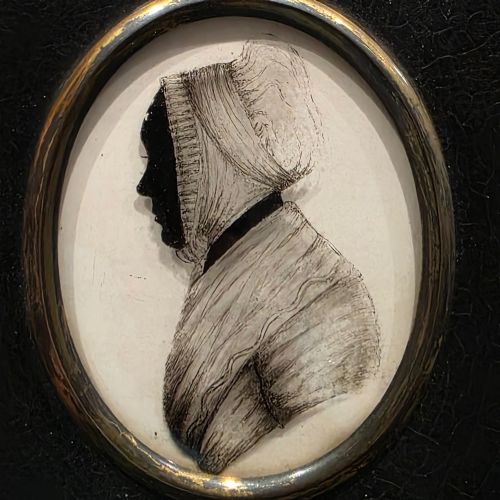
- A portrait profile cut from dark paper or painted directly onto card, glass, or plaster. Regency examples often feature fine gilt highlights.
- Panel
- A flat wooden board used as a painting support before canvas became standard. Oak and mahogany panels provide a rigid base for early oil portraits.
Georgian Portrait in Gilt Frame: Frequently Asked Questions
How do I identify a genuine period frame?
Original frames show hand-carved wooden details beneath the gold leaf rather than modern cast plaster or resin. Look for shrinkage cracks in the gesso and signs of age on the bare wood at the reverse.
Examine the corner joins and fixings to ensure they align with eighteenth or nineteenth-century cabinet-making methods. Later replacements often lack the warmth and wear patterns accumulated over centuries.
Are these portraits always painted in oil?
While oil on canvas is common, many examples utilise pastel on paper, watercolour, or reverse-painted glass silhouettes. Print forms such as mezzotints also appear frequently within period frames.
Each medium requires different care, particularly works on paper which must remain protected behind glass away from direct sunlight.
What is a silhouette miniature?
Silhouette miniatures are small profile likenesses cut from paper or painted on card, often enhanced with delicate gold leaf details. They became particularly fashionable during the Regency period.
Artists frequently housed these tiny pieces in small, convex-glass gilt frames designed for close inspection on interior walls.
How should I hang and light an oil portrait?
Hang oil paintings away from direct sunlight and sudden temperature shifts to protect both the canvas and the giltwood frame. Stable indoor conditions prevent the canvas from slackening and the wood from warping.
Use a dedicated picture light with low UV output to illuminate the brushwork without generating excessive heat close to the paint surface.