

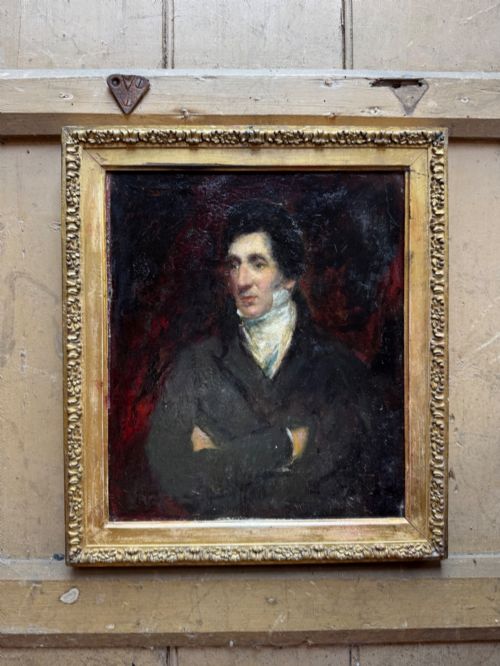
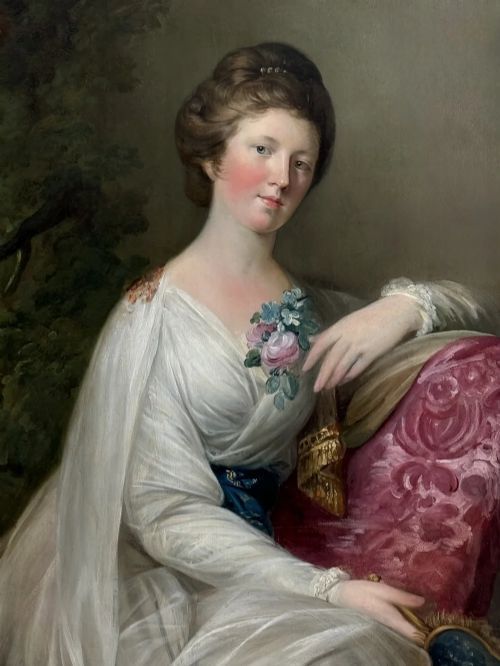
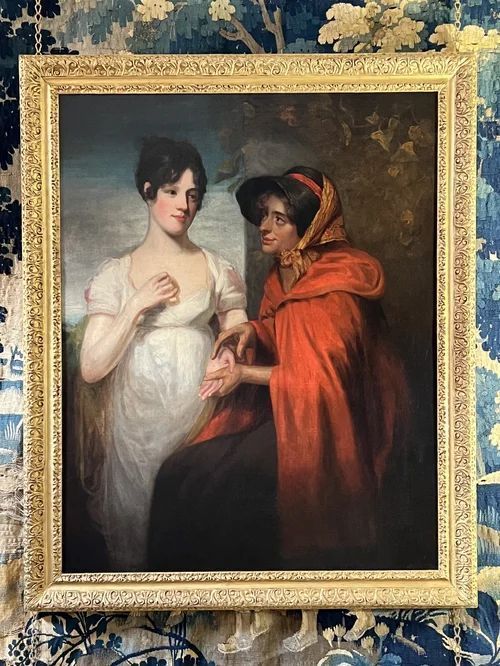
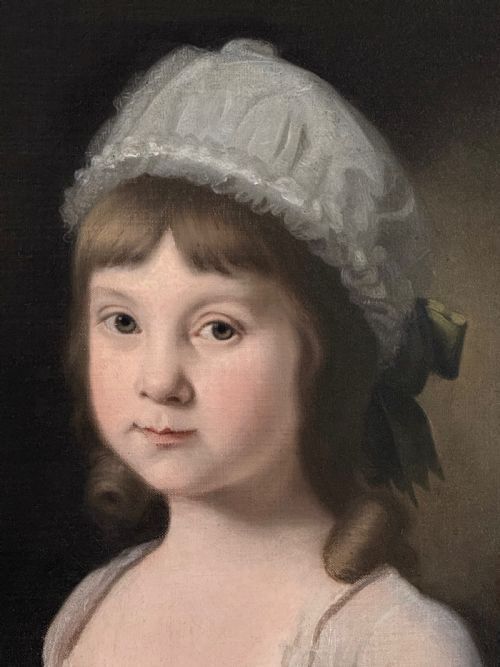
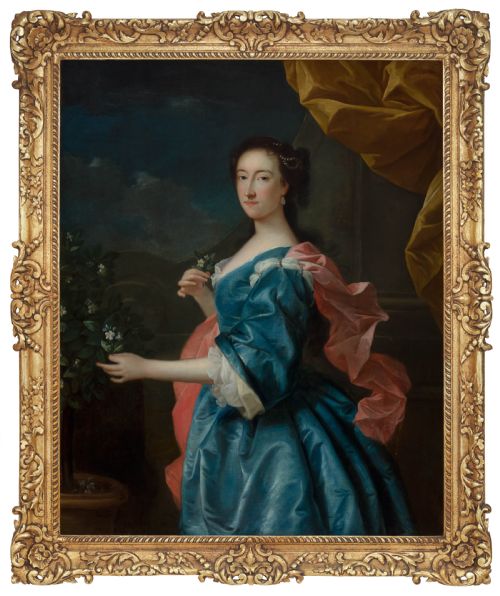
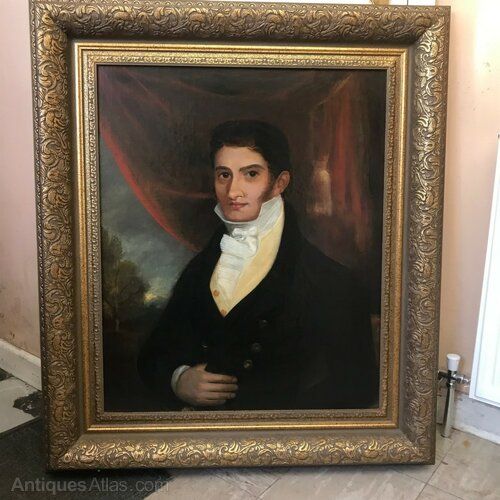
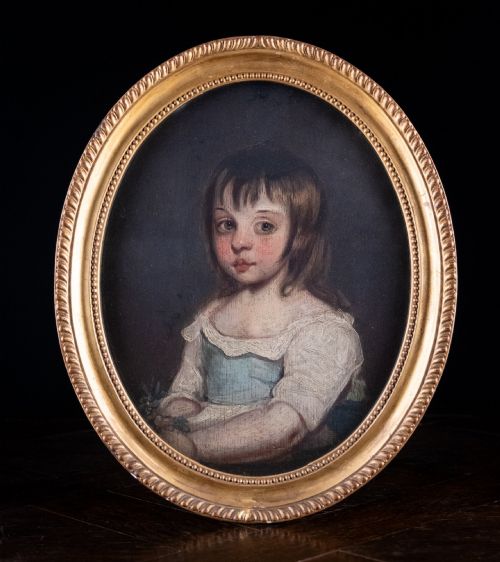
Georgian Portrait on Canvas
A georgian portrait on canvas captures the presence of an earlier century through layered oil paint and woven fabric.
Georgian Portrait on Canvas
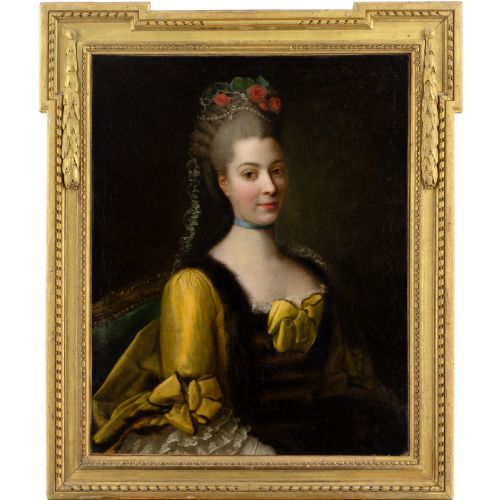
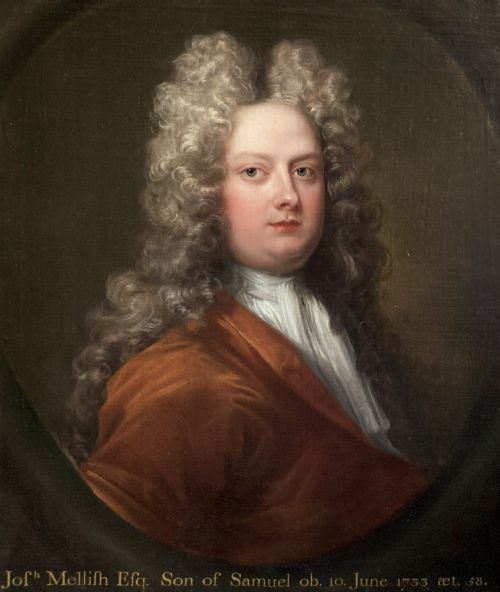
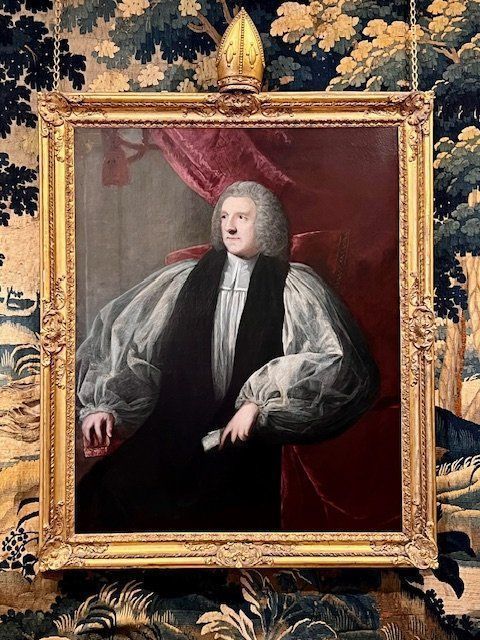
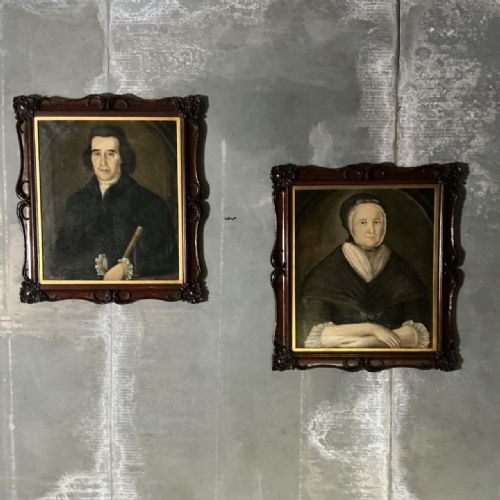
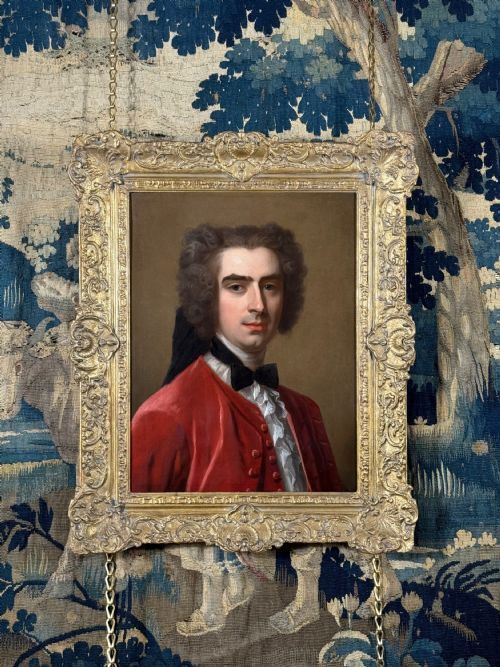
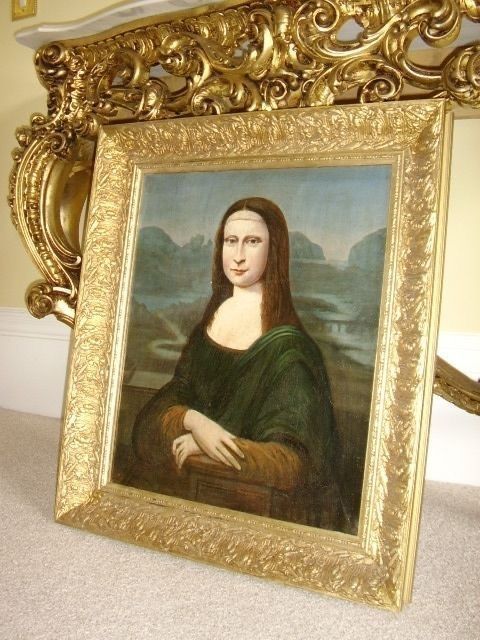
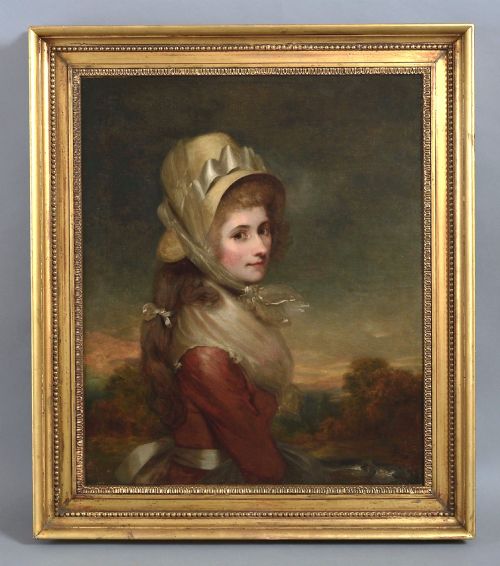
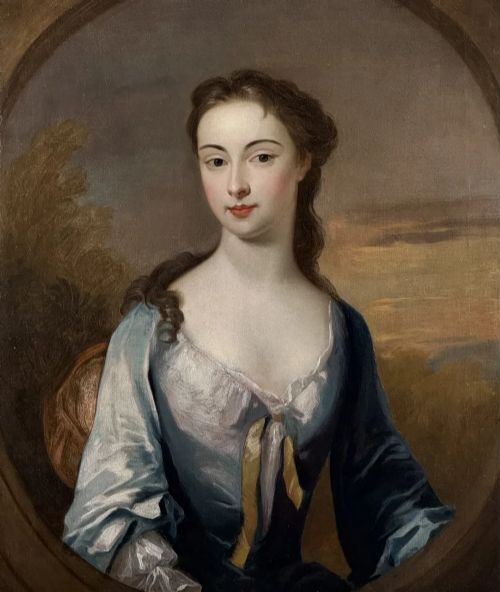
A georgian portrait on canvas encompasses fine art oil paintings produced primarily during the eighteenth and early nineteenth centuries, recording sitters from gentlemen and gentlewomen to military officers and actors. The versions most commonly encountered on this page originate from British and European schools, spanning the Baroque, Rococo, and Regency styles alongside classical compositions.
These works take the form of individual likenesses, family groups, and genre subjects executed on stretched canvas support. Surviving examples range from intimate shoulder-length studies to large-scale framed canvases depicting subjects in characteristic attire of the period.
Materials and Technique
Painters applied oil paint to woven canvas supports, often utilising ground preparations that aged alongside the pigments to create subtle surface crackle. Canvases were stretched over wooden frames or occasionally laid onto wood panels during later conservation or period mounting.
Framing typically involved carved wood ornamented with gold leaf and giltwood finishes that matched the prevailing decorative taste of the Georgian and Regency eras.
Several portraits preserve the likenesses of notable figures alongside everyday infantry officers, country girls, and domestic pets.
Assessing Quality
Quality in a georgian portrait on canvas depends upon the brushwork confidence of the hand, the anatomical proportion of the sitter, and the preservation of the original paint layers. Studio pieces and works by followers display competent execution, while primary works by named portraitists demonstrate superior tonal depth and psychological engagement.
The survival of unlined original canvas and the integrity of the period frame contribute significantly to the standing of an individual painting within the wider field of fine art.
Charles Jervas·Sir Joshua Reynolds·Jean-Baptiste Van Loo·George Willison·John Opie·Jeremiah Davison·Michael Dahl·Thomas Murray·Lemuel Francis Abbott·Stickland Lowry·Thomas Beach·Charles D'Agar·Sir Thomas Lawrence·Sir Allan Ramsay
The Georgian Portrait on Canvas Glossary
- Oil paint
- A slow-drying medium composed of pigments suspended in a drying oil, typically linseed, which allows for smooth blending and rich tonal gradations. This material forms the primary pigment layer for all canvases in this category.
- Giltwood
- Wood that has been carved and coated with a thin layer of gold leaf or metallic powder, used extensively for picture frames during the eighteenth and nineteenth centuries. The reflective surface complements the dark varnishes of oil paintings.
- Canvas
- A heavy woven fabric stretched tightly across a wooden strainer or stretcher to serve as a stable foundation for painting. Historical examples utilise plant-based fibres suited to the tension required by oil grounds.
- Regency
- A stylistic period spanning the early nineteenth century defined by neoclassical influences in British art and architecture. Portraits from this era often feature softer lighting and simplified costume details compared to earlier Baroque works.
- Baroque
- An artistic style characterised by drama, rich colour, and deep shadow play, prominent in seventeenth and early eighteenth-century portraiture. Works in this manner emphasise the grand presence and status of the sitter.
Georgian Portrait on Canvas: Frequently Asked Questions
How do I identify a Georgian canvas?
Examine the texture of the weave and the back of the stretcher frame for hand-cut wedges and oxidized wood. Nail types and canvas preparation layers also indicate eighteenth-century production methods.
Older portraits often display fine network cracking known as craquelure across the oil paint surface. Comparing the costume and hairstyle of the sitter provides further chronological context.
Where should I hang an oil portrait?
Position oil paintings away from direct sunlight and strong heat sources to prevent the canvas and paint layers from drying out or warping. Stable indoor humidity protects both the wooden stretcher and the giltwood frame.
Ensure the wall can support the weight of the framed canvas and hang the piece at comfortable eye level for viewing.
What is the difference between a studio piece and a primary work?
A primary work is executed entirely by the master artist, while studio pieces and followers' works involve assistants or later copyists working within the tradition of that master. Studio samples and copies often record successful compositions intended for wider distribution.
Both categories share the material characteristics of the period but differ in auction standing and attribution certainty.
How should I clean a historic painting?
Dust accumulation on the surface and frame should be removed gently with a soft, dry brush without applying moisture or household cleaning solutions. Professional conservators handle varnish removal and structural repairs.
Avoid touching the painted surface directly, as oils from skin contact can damage aged paint layers.