



Georgian Porcelain Tureens
Georgian porcelain tureens bring sculptural refinement to the dining table, offering collectors exquisite ceramic forms decorated with hand-painted enamels and gilding.
Georgian Porcelain Tureens
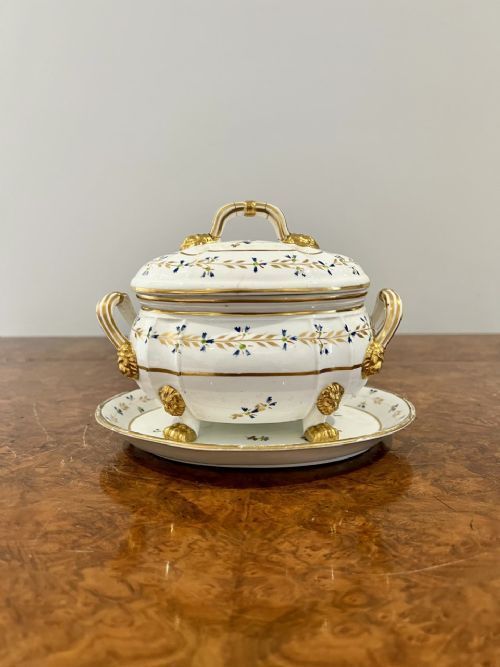
When you search for georgian porcelain tureens, you encounter covered vessels and sauce tureens designed for formal dining during the eighteenth and nineteenth centuries. These vessels served soups, sauces, and gravies on elegant tables.
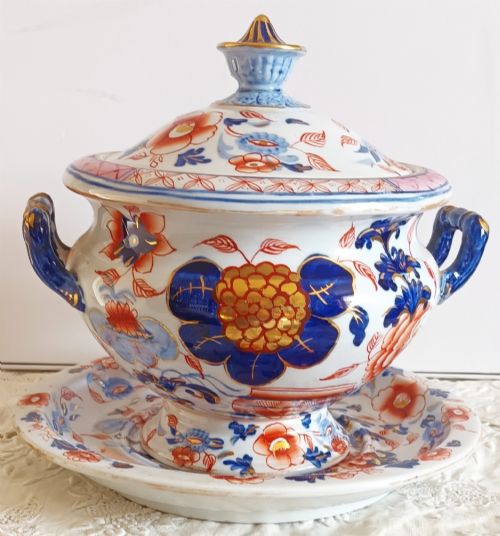
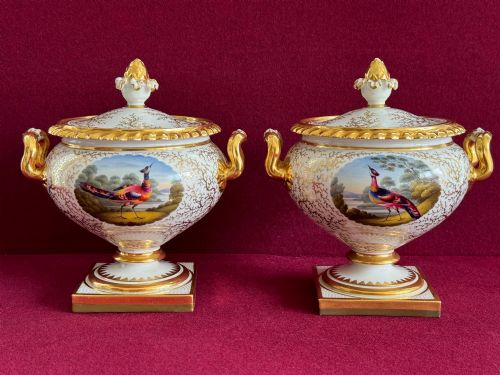
The pieces listed on this page span the Georgian, Regency, and early nineteenth-century periods, capturing the shift from mid-eighteenth-century Rococo forms to bolder Regency styles. Sauce tureens and cream tureens dominate the selection alongside larger covered serving vessels.
Originating from prominent English factories, these items reflect the sophisticated ceramic production of their era. You find both soft-paste porcelain and later ironstone bodies among the offerings.
Materials and manufacture
Potters shaped these vessels using soft-paste porcelain, earthenware, or ironstone, applying glossy lead glazes to seal the ceramic body. Many items incorporate delicate gilt highlights and gold leaf applied by hand over the glaze.
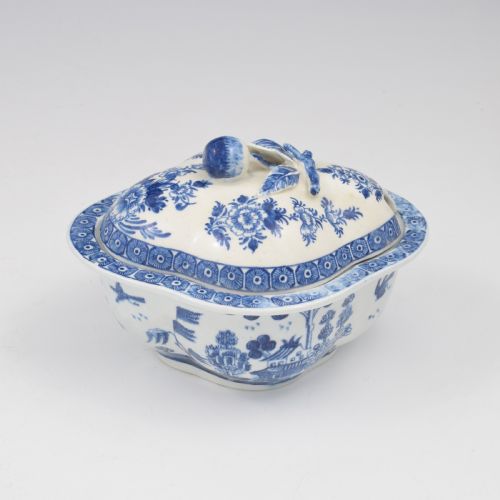
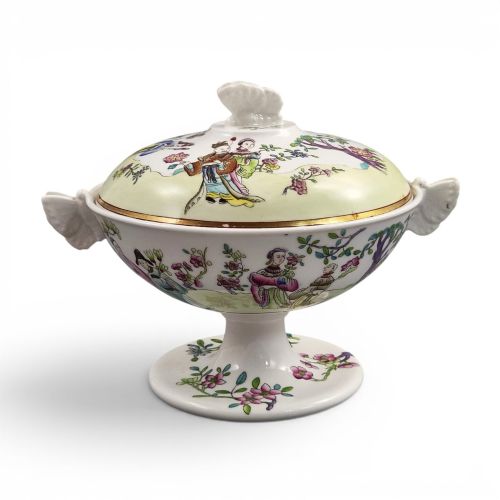
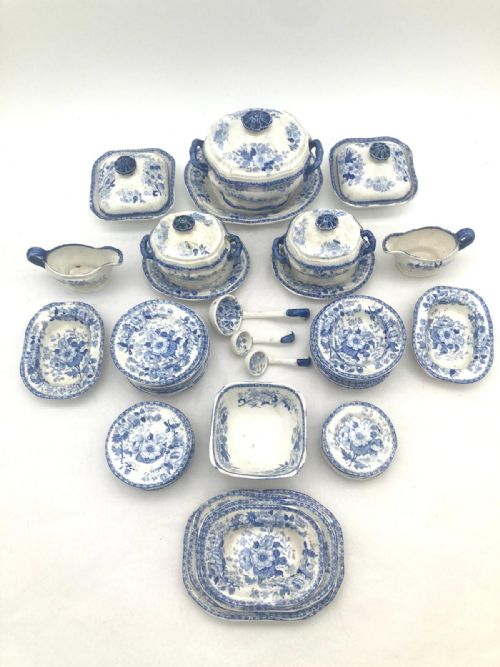
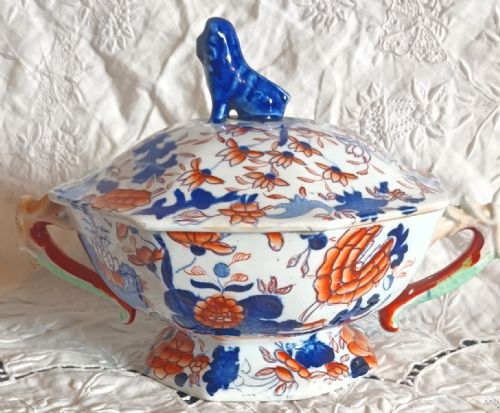
Decoration relied on underglaze blue painting, transfer printing in floral sheets, and polychrome enamel work in chinoiserie and botanical motifs. Skilled hands formed specialised handles, such as butterfly shapes or classical scroll designs, before firing the pieces in kilns.
Georgian Porcelain Tureens Retail Price Guide 2026
Typical asking prices for georgian porcelain tureens among the pieces listed under this phrase on Sellingantiques today, from the lower quarter to the upper quarter. They describe what is for sale here now, not the wider market.
Decoration across the available tureens encompasses blue and white transfer printing, Imari palettes, Chinoiserie mandarin patterns, and rich gilding.
Assessing quality and craftsmanship
Quality reveals itself in the crispness of the moulded details and the precision of the hand-painted enamels. Finer examples display clean, unblemished glaze surfaces and securely attached covers that fit their bases precisely.
The sophistication of the factory output dictates much of the distinction, with established manufactories employing superior gilding techniques and more ambitious sculptural forms. The preservation of original painted and gilt highlights without excessive rubbing marks the higher tier of these ceramics.
Flight Barr and Barr·Derby Porcelain·Spode·Minton·Mason's Ironstone·Wedgwood·Coalport
The Georgian Porcelain Tureens Glossary
- Sauce tureen
- A small covered serving vessel designed specifically for hot sauces or gravies at the dining table. These often stand on an integral or matched footed base.
- Soft-paste porcelain
- An artificial porcelain composition fired at lower temperatures than hard-paste, common in eighteenth-century English factories. It yields a warm, slightly creamy body beneath the glaze.
- Ironstone
- A dense, durable ceramic body patented in the early nineteenth century by British potters. It bridges the gap between earthenware and true porcelain.
- Enamel
- Opaque vitreous colours applied over the glaze and fired a second time at a lower heat. This technique allowed brilliant polychrome decoration.
- Transfer printing
- A method of applying intricate designs to ceramic ware by pressing paper engraved with copper plates onto the biscuit or glazed surface. It enabled uniform patterns like blue and white florals to cover complex vessel shapes.
Georgian Porcelain Tureens: Frequently Asked Questions
What were porcelain tureens used for?
These lidded vessels held and kept warm soups, gravies, or sauces during formal nineteenth-century dining. They sat prominently on the dining table as both functional tableware and decorative centerpieces.
Servants brought them filled from the kitchen to the dining room, where hosts served guests directly from the vessel.
How do I distinguish Regency tureens from eighteenth-century ones?
Eighteenth-century examples often lean towards naturalistic Rococo forms with fluid lines and hand-painted blue and white or polychrome floral motifs. They frequently utilise soft-paste porcelain bodies with distinct glaze pooling.
Regency pieces from the early nineteenth century tend toward classical architectural lines, bolder Imari palettes, and denser ironstone or felspar porcelain materials.
Are covers usually original to the tureen?
Most surviving tureens retain their matching original covers, which share the exact clay body, glaze characteristics, and decorative patterns of the base. Dealers note when a lid is a matched replacement.
Examining the interior rim of the base and the underside of the lid reveals consistent wear patterns and manufacture traits that confirm they belong together.