



Georgian Pocket Watch
A georgian pocket watch brings mechanical mastery and eighteenth-century craftsmanship into your hand, offering a tangible link to precision timekeeping of the past.
Georgian Pocket Watch
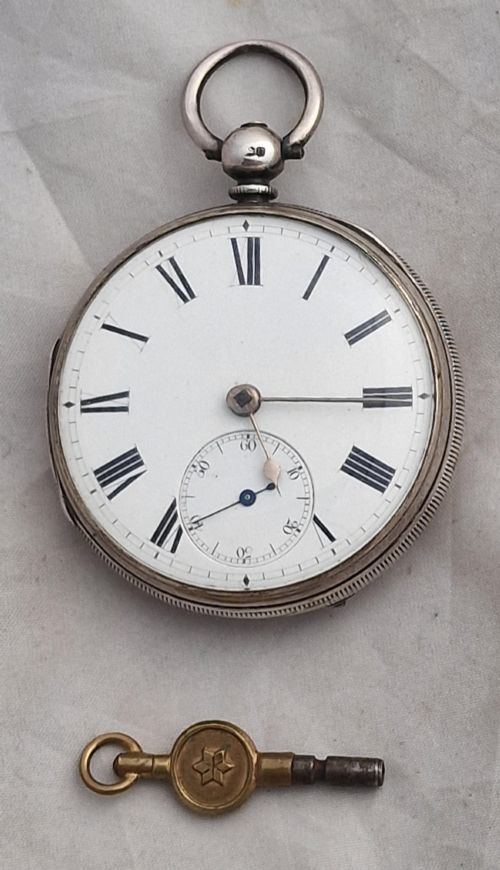
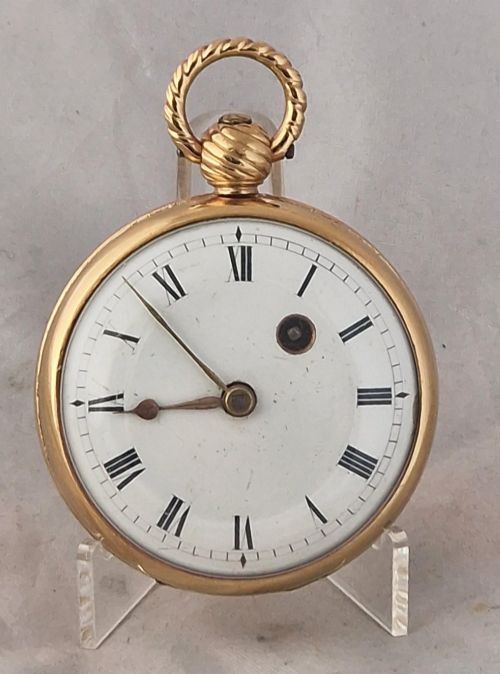
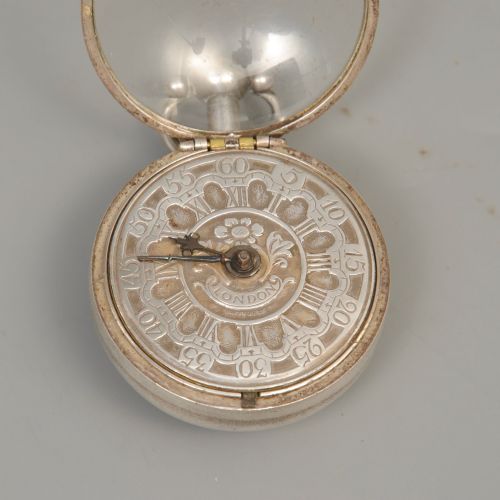
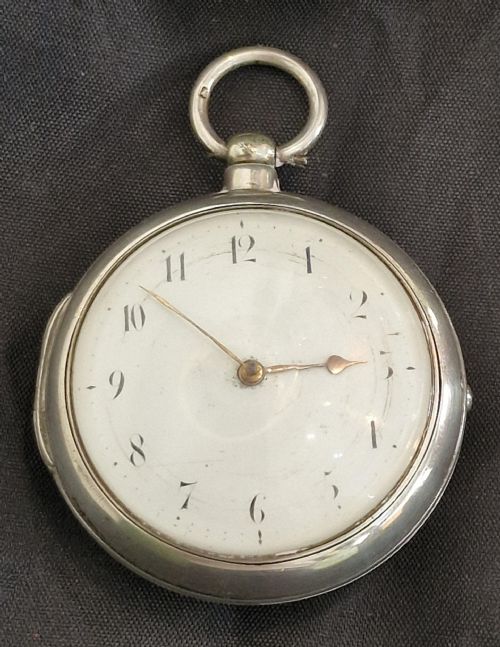
A georgian pocket watch is a mechanical portable timekeeper originating from the eighteenth century, often housed in pair cases of silver or gilt metal. Buyers encounter verge escapement movements driven by fusee chains designed to regulate power evenly as the mainspring unwinds.
Beyond the watches themselves, related items such as watch holders, fob seals, and keys appear frequently within these listings. These associated pieces share the material palette and domestic context of the primary timepieces.
Examples span silver pair cased designs, painted dials depicting scenes like ships leaving port, and intricate champlevé work. The survival of these objects depends heavily on whether movements and outer cases remain intact together.
Materials and Construction
Watchmakers utilised silver, gold, gilt brass, and steel to construct robust cases that protected delicate internal mechanisms. Pair cases often combined an inner dust cover with an outer decorative shell sometimes covered in horn or paint.
Associated accessories incorporated precious metals set with carnelian, chalcedony, or amethyst, alongside glass and treen for display stands.
Georgian Pocket Watch Retail Price Guide 2026
Typical asking prices for georgian pocket watch among the pieces listed under this phrase on Sellingantiques today, from the lower quarter to the upper quarter. They describe what is for sale here now, not the wider market.
One exceptional mahogany night watch holder takes the miniature shape of a grandfather clock.
Distinctions in Quality
Quality rests upon the original precision of the movement and the integrity of the paired outer cases. Pieces retaining signed dials from known makers demonstrate higher levels of period craftsmanship.
The degree of hand-finishing on verge movements and the complexity of enamel or repoussé work on the cases separate standard utility pieces from exceptional examples. Surviving matching keys and original horn or leather outer protection further elevate an item.
J Wilders London·Johnson of Liverpool·Henry Neve·Fryer Leeds
The Georgian Pocket Watch Glossary
- Verge escapement
- An early type of mechanical escapement utilising a crown wheel and pallet impulses. This mechanism governs the speed of the watch by swinging a balance wheel back and forth.
- Fusee
- A conical pulley used on a chain to maintain even force on the gear train as the mainspring unwinds. It compensates for the decreasing power of the spring.
- Pair cased
- A watch design featuring two separate cases, an inner case holding the movement and an outer protective case. The outer case often receives decorative treatment in shagreen, horn, or repoussé metal.
- Champlevé
- An enamelling technique where troughs are carved into the metal surface and filled with vitreous enamel before firing. The design emerges flush with the surrounding metal borders.
- Fob seal
- A small pendant bearing an engraved stone matrix used for impressing wax on letters. These hang from watch chains alongside keys and charms.
Georgian Pocket Watch: Frequently Asked Questions
How do I wind a verge pocket watch?
Verge pocket watches require a matching key inserted into the dial or back plate to tension the mainspring via the fusee chain. Care must be taken not to overwind the mechanism.
Historic keys often feature specific square apertures to fit particular winding squares on the movement.
What is a pair cased watch?
A pair cased watch uses two enclosing shells where the inner case holds the delicate movement and dial. The outer case provides an extra layer of protection against dust and impact.
These outer cases frequently display decorative finishes including painted horn or repoussé precious metals.
Where were these watches made?
Production centred in London alongside active regional hubs such as Liverpool, Leeds, and Nottingham. Guilds and independent workshops trained specialists who produced movements and cases separately.
Signatures on the dial or movement back plate often record the working location of the watchmaker.