




Georgian Plate Tankard
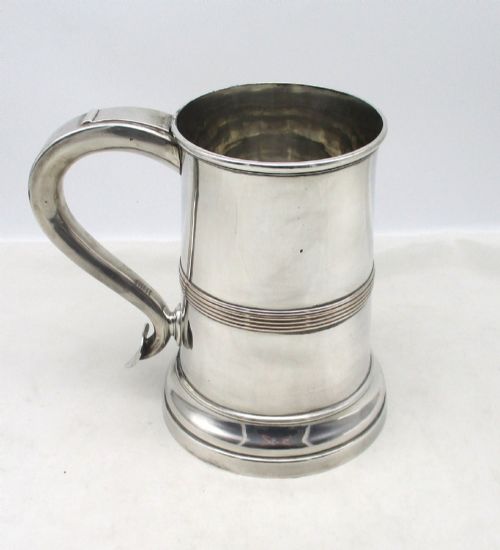
A georgian plate tankard brings heavy metal drinking vessels from the eighteenth and nineteenth centuries straight to the table.
Georgian Plate Tankard
A georgian plate tankard is a stout drinking vessel designed for beer, ale, or larger shared portions in domestic and tavern settings. These pieces primarily date from the eighteenth century into the nineteenth century, capturing the height of Georgian and Regency dining traditions.
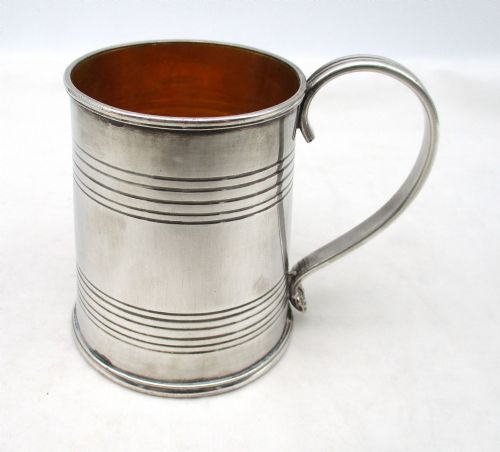
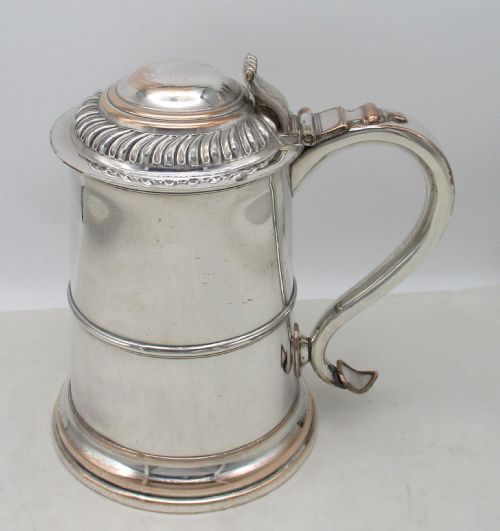
Most examples originate from English workshops of the Georgian period, displaying substantial handles and secure lids intended for regular use. Their forms range from small child's tankards to exceptionally large quart vessels.
How They Were Made
These vessels rely fundamentally on copper as a base metal, fused with silver using the Old Sheffield Plate technique to create a durable dual-layer sheet. Some pieces incorporate later nineteenth-century methods, utilising copper and nickel-plated surfaces alongside traditional gilding.
Silversmiths formed the bodies by rolling and soldering the plated metal sheets, then attaching sturdy handles and hinged lids designed for daily service. Decorative touches often include early maker marks stamped near the rim or base, alongside applied wire borders.
Georgian Plate Tankard Retail Price Guide 2026
Typical asking prices for georgian plate tankard among the pieces listed under this phrase on Sellingantiques today, from the lower quarter to the upper quarter. They describe what is for sale here now, not the wider market.
Some tiny child's tankards survive from the period, proving that Georgian infants were apparently expected to keep pace with the adults.
What Varies in Quality
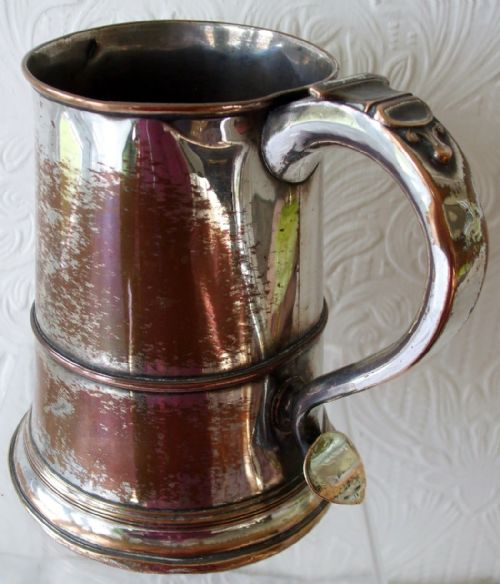
The standard of a georgian plate tankard depends heavily on the crispness of its original fusion and the survival of the silver layer over the copper base. Finer examples retain their structural weight and sharp proportions without excessive wear revealing the reddish copper underneath.
Proportion and scale also separate ordinary utility vessels from superior specimens, particularly in larger quart tankards and beer jugs. Quality shows in the balance of the handle, the secure fit of the lidded mechanism, and the clarity of any early maker stamps.
Richard Morton
The Georgian Plate Tankard Glossary
- Old Sheffield Plate
- A composite material made by fusing a thin sheet of silver to a thicker copper ingot, developed in the eighteenth century. This technique preceded modern electroplating.
- Quart Tankard
- A large drinking vessel holding a full quart of liquid, frequently fitted with a hinged lid. These substantial pieces were standard for communal ale consumption.
- Loving Cup
- A large drinking vessel featuring two or more handles, designed to be passed among company. They often appear in silver plate from the Georgian era.
- Ale Pitcher
- A ceramic or stoneware jug fitted with a metal lid, utilised for pouring malt beverages. Stoneware bodies like Mortlake provide a contrasting texture to polished metal.
- Gilding
- The application of a thin layer of gold to the interior or exterior surface of a metal vessel. This process enhances decorative appeal and protects the base metal.
Georgian Plate Tankard: Frequently Asked Questions
What is a georgian plate tankard?
A georgian plate tankard is a metal drinking vessel produced during the eighteenth or nineteenth century using silver plate or Old Sheffield Plate over a copper core.
These pieces were built for serving ale and beer in homes and public houses, combining utility with formal Georgian style.
How do I use them today?
These vessels suit display on sideboards or open shelving, bringing historical texture to a dining room or bar area.
While many remain structurally sound, owners typically treat them as decorative objects or functional pitchers rather than daily tableware.
How do I clean old silver plate?
Cleaning requires gentle cloths and non-abrasive silver polishes designed for plated items to avoid exposing the underlying copper base.
Harsh scrubbing strips the thin silver layer, so careful maintenance preserves the historical surface finish.
What is Old Sheffield Plate?
Old Sheffield Plate is an early composite material created by thermally fusing silver and copper together before rolling them into sheets.
This method differs from later electroplating by creating a thick, bonded layer that ages with a distinctive dual-metal character.