

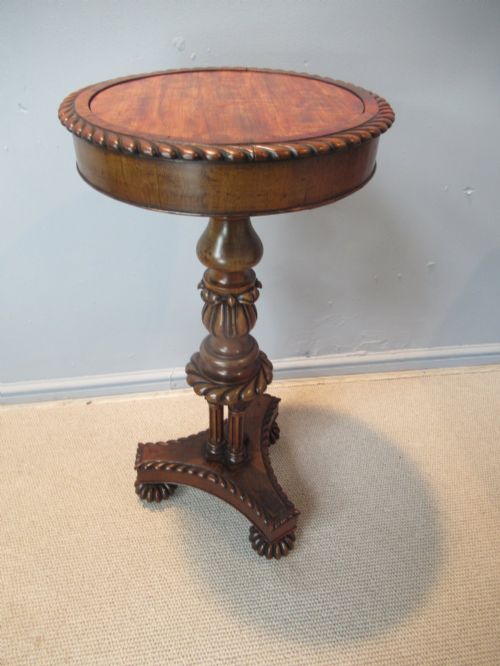


Georgian Plant Table
A georgian plant table brings architectural poise to a room, serving as a slender perch for greenery or lamps.
Georgian Plant Table
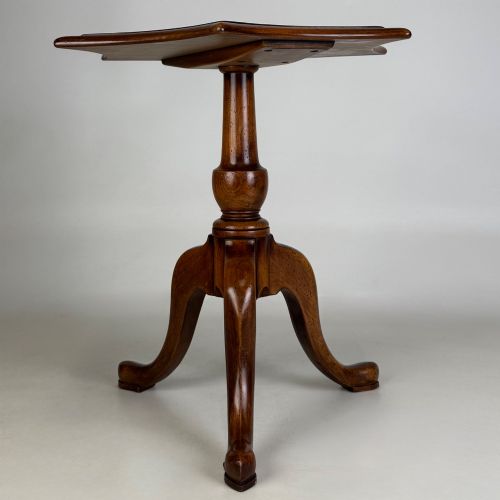
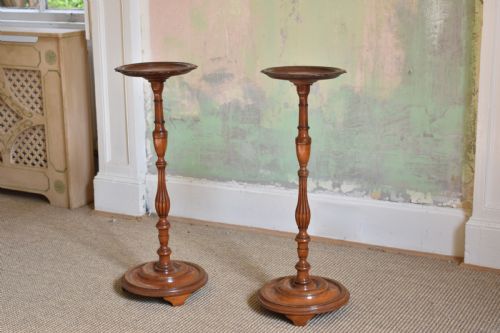
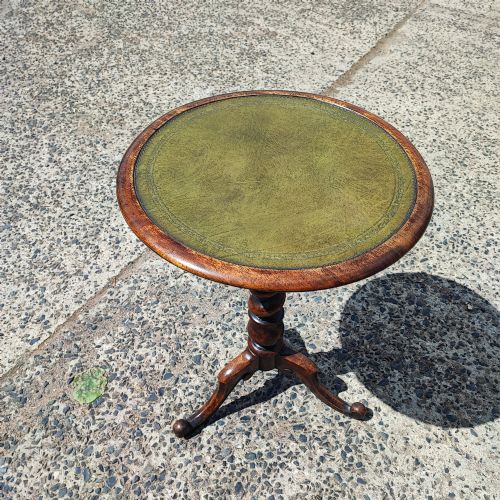
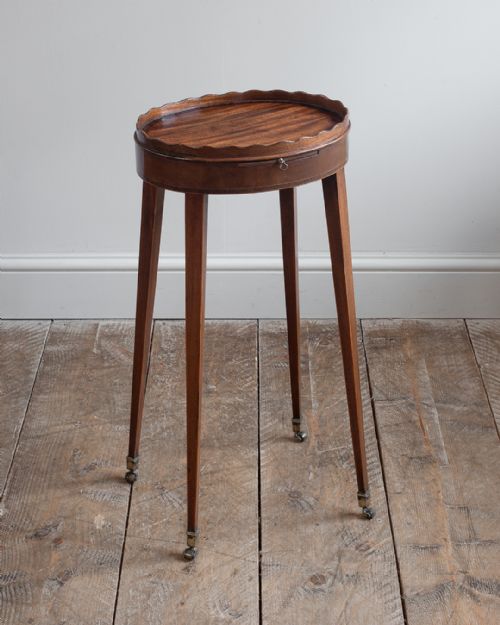
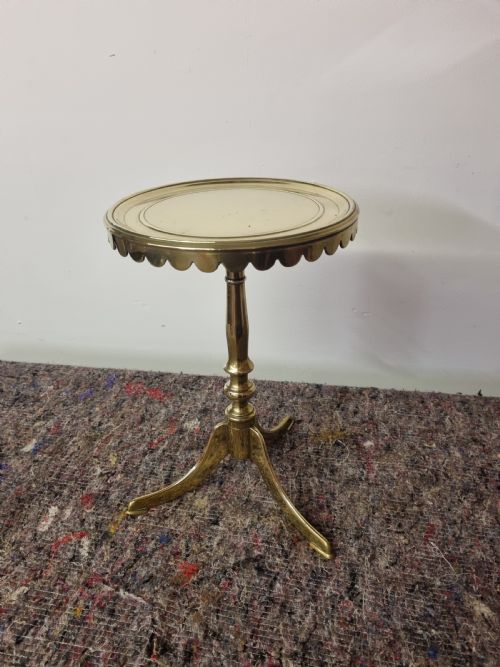
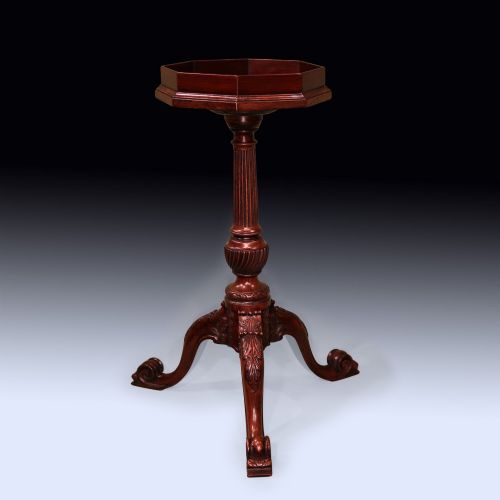
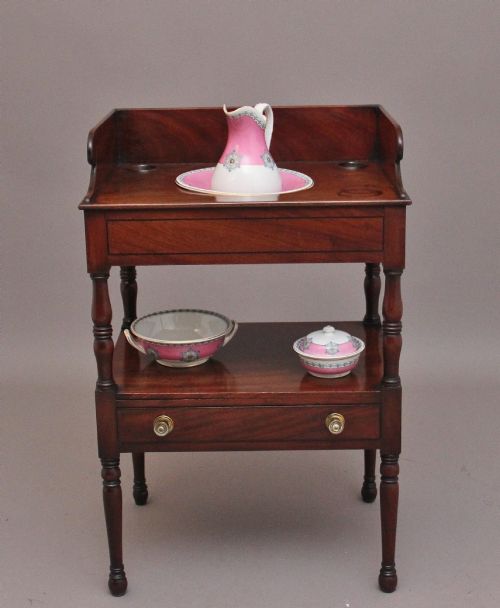
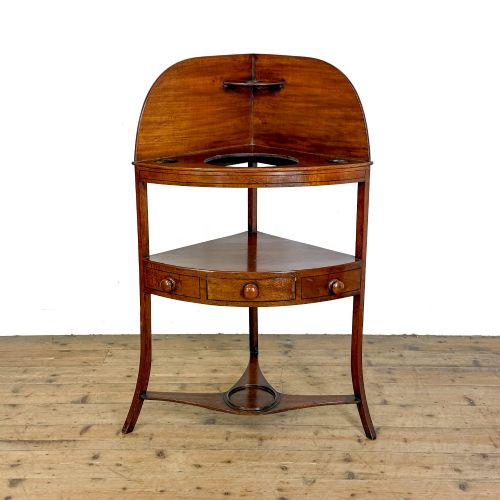
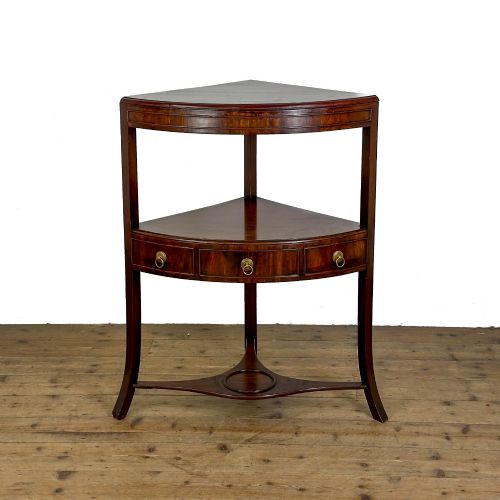
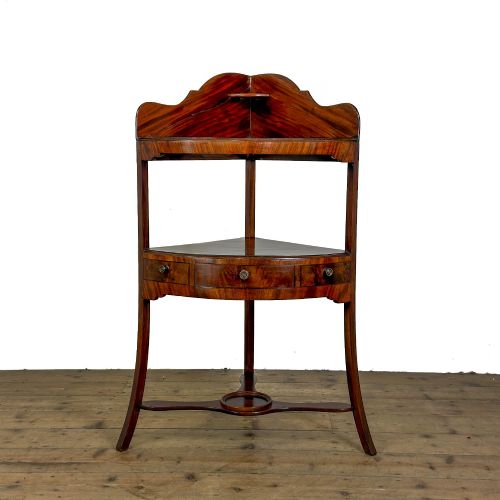
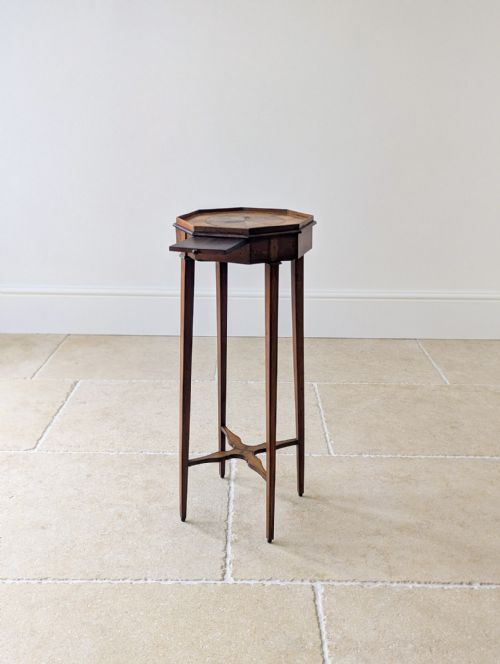
A georgian plant table encompasses various small elevated stands originally designed for urns, candles, kettles, or washing, which now function admirably for botanical displays. You will frequently encounter mahogany examples featuring tripod bases or corner forms from the eighteenth and nineteenth centuries.
The selection ranges from George III urn stands and torchere candle stands to corner washstands and occasional tables adapted for plants. These pieces often overlap with wine tables and lamp tables due to their compact top surfaces and slender proportions.
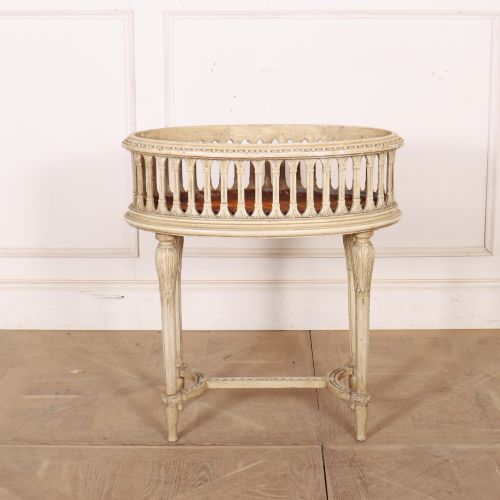
Revival pieces from later periods, including Edwardian and Sheraton revival items, sit alongside genuine eighteenth-century pieces. Inlaid satinwood, walnut, and painted timber appear alongside the predominant mahogany variants.
Materials and construction
Cabinetmakers relied heavily on solid and veneered mahogany, frequently complemented by satinwood, walnut, and oak for structural stability and decorative contrast. Turned columns and tripod legs provide the necessary balance for supporting elevated pots and urns.
Inlay work, floral marquetry, and painted finishes add surface detail to specific pieces, while cast brass fixtures appear on items such as trivets and kettle stands. Joinery techniques prioritize stability for narrow forms, utilising tilt-top mechanisms and pegged joints where appropriate.
Several stands spent their youth holding boiling tea urns before retiring to a peaceful life supporting ferns.
Judging the work
Quality rests in the crispness of carved details on tripod bases and the precision of inlaid satinwood or marquetry panels. Well-proportioned turned stems and tight joints distinguish superior examples from standard utility pieces.
The choice of timber grain and the integrity of the original polish or painted surface dictate the visual appeal of each table. Pieces retaining their original brass fittings and unaltered structural elements command greater attention from collectors.
The Georgian Plant Table Glossary
- Torchere
- A tall, slender stand designed to hold a candle or lamp. These elevated pieces feature tripod or pedestal supports.
- Urn stand
- A small, compact table created to support a heated tea urn or water vessel. Their diminutive tops suit modern plant displays.
- Tripod table
- A small table supported by a central pillar resting on three legs. This construction prevents wobbling on uneven floors.
- Corner washstand
- A triangular piece designed to fit snugly into a room angle. Their tiered shelves accommodate bowls or pots.
- Marquetry
- The art of applying pieces of veneer to a structure to form decorative patterns. Floral designs frequently embellish walnut and mahogany tops.
Georgian Plant Table: Frequently Asked Questions
What were plant tables originally used for?
Many of these pieces began life as tea urn stands, kettle supports, torchere candle stands, or corner washstands rather than dedicated botanical furniture. Their compact surfaces and elevated heights made them versatile additions to period interiors.
Over time, changing domestic habits allowed these slender stands to find new purpose holding flower pots, lamps, and decorative objects in sitting rooms and hallways.
How do I distinguish eighteenth-century pieces from later revivals?
Eighteenth-century examples display the timber ageing, hand-cut joinery methods, and wear patterns consistent with extended use over centuries. Cabinetmakers of that era utilised regional woods and construction techniques specific to their workshops.
Revival pieces from the Edwardian era or the year nineteen hundred often exhibit standardised machine cutting, different secondary woods, and cleaner, less oxidized interior surfaces.
Where should I place a small tripod stand?
The compact footprint of a tripod pedestal table allows it to occupy neglected corners, spaces beside armchairs, or narrow hallway walls. Their open bases keep rooms feeling spacious.
Ensure the floor is level so the three-legged base remains stable, and avoid overloading the top surface with heavy planters that exceed the original weight capacity.
What timber types should I expect to find?
Mahogany forms the primary material across the majority of these listings, often accompanied by walnut, oak, and satinwood. Certain items incorporate painted finishes or delicate inlay work.
Rosewood and yew wood also appear in specific regional or period pieces, offering distinct grain patterns and deeper natural colour variations.