



Georgian Barley Twist Stand
A georgian barley twist stand brings sculptural movement into a room, offering elevated display space through turned wooden columns.
Georgian Barley Twist Stand
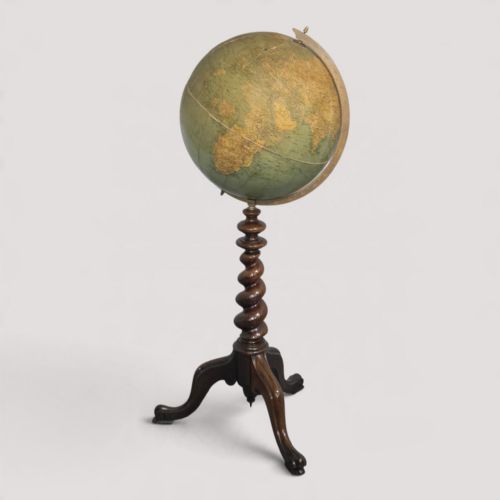
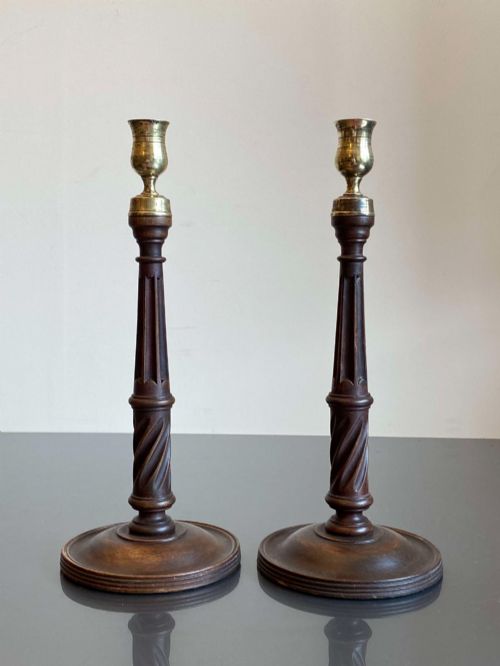
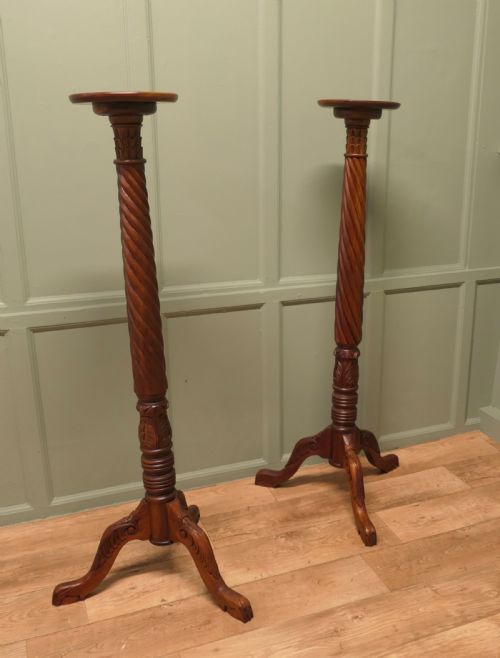
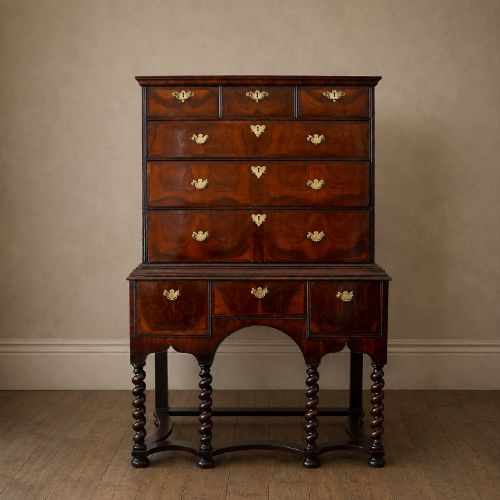
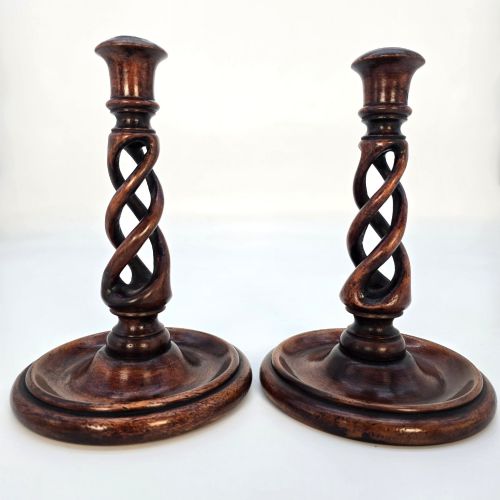
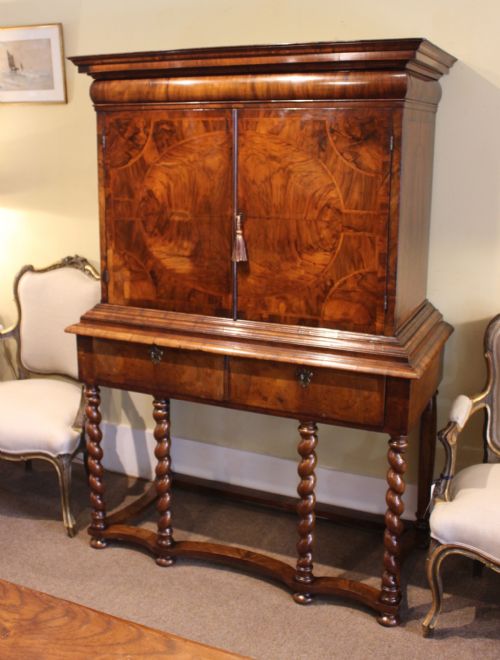
A georgian barley twist stand encompasses a variety of elevated wooden supports and display forms shaped with helical turning. The pieces encountered in this selection include occasional tables, torchere stands, pedestals, and candlesticks originating from the eighteenth and nineteenth centuries. Collectors also find related case furniture such as walnut chests on stands and cabinets on stands featuring similar turned uprights.
Most examples date across the eighteenth and nineteenth centuries, spanning specific historical styles from Queen Anne and George I through to the Victorian era. The structural form relies on a central turned column or supporting legs that create a dynamic spiral effect. These objects function practically as small tables or torchere columns while adding architectural depth to an interior.
Materials and construction
Woods such as mahogany, walnut, burr walnut, fruitwood, and oak provide the primary structural body for these turned items. Ebonised wood and brass additions appear among the recorded pieces, offering contrasting tones and hardware details. Artisans shaped these dense timbers on lathes to achieve the characteristic helical profiles seen across the stands and candlesticks.
Joinery methods reflect the cabinet-making standards of the eighteenth and nineteenth centuries, utilising solid hardwoods and figured veneers where appropriate. The execution of the spiral turning requires precise hand woodworking to maintain consistent depth and rhythm along the column. Surface finishes develop naturally on these timbers over centuries of handling and polishing.
Georgian Barley Twist Stand Retail Price Guide 2026
Typical asking prices for georgian barley twist stand among the pieces listed under this phrase on Sellingantiques today, from the lower quarter to the upper quarter. They describe what is for sale here now, not the wider market.
Current listings feature mahogany, walnut, burr walnut, fruitwood, oak, and ebonised wood across items spanning the eighteenth and nineteenth centuries.
Judging quality in turned stands
Quality rests upon the crispness of the helical cutting and the selection of timber used for the turned elements. Finely figured burr walnut or rich mahogany with good depth of grain elevates the visual impact of the piece. The proportions between the base, the twisted column, and the upper platform dictate the overall visual balance.
The integrity of the construction and the retention of original surface patination distinguish superior examples. Pieces that maintain their structural stability without excessive timber replacement retain greater historical character. Subtle details in the turning profile separate standard production from work executed by skilled hands.
The Georgian Barley Twist Stand Glossary
- Barley twist
- A helical turning technique resembling a spiralling rope or barley sugar stick. This decorative form gained prominence in seventeenth-century furniture and remained popular through the Georgian and Victorian periods.
- Torchere
- A tall stand designed to hold a candle or lamp. These elevated supports often feature slender turned columns and stable tripod or platform bases.
- Chest on stand
- A case piece consisting of a drawer section raised upon a separate frame with legs. The lower stand frequently incorporates turned supports that echo the design of related tables.
- Burr walnut
- A highly figured timber harvested from walnut tree growths. Cabinet-makers prized this material for its intricate swirling grain patterns on decorative surfaces.
- Ebonised wood
- Timber treated with a dark finish to imitate ebony. This technique provided sharp contrast on mouldings and architectural details during the eighteenth and nineteenth centuries.
Georgian Barley Twist Stand: Frequently Asked Questions
What is a barley twist?
A barley twist is a spiral column turned on a lathe to create a continuous helical motion in the timber.
This decorative method adds texture and light reflection to furniture supports and decorative stands.
How were these stands used?
These pieces served as elevated platforms for lighting, decorative objects, or small items during the eighteenth and nineteenth centuries.
Torchere stands held candles for illumination, while occasional tables provided portable surface space in formal rooms.
How do I date a turned stand?
Dating relies on examining the timber species, construction methods, and stylistic cues associated with periods like Queen Anne or the Georgian era.
Secondary woods and the character of the surface finish help confirm the age of the piece.
Where should I place a stand?
These stands fit well in corners, beside seating, or in hallways where vertical height is needed without occupying much floor space.
They provide an ideal surface for displaying small sculptures, plants, or table lamps.