



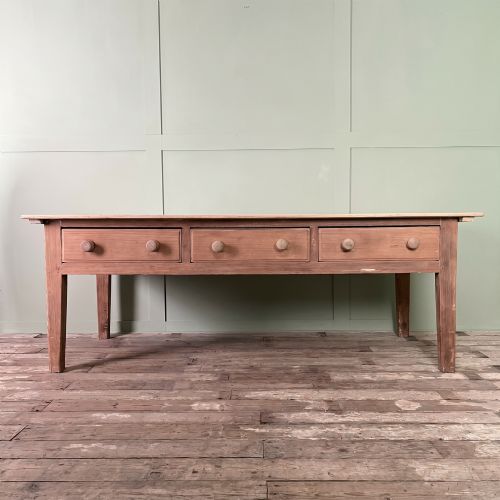


Georgian Pine Server
A georgian pine server brings rustic utility and centuries of character into a kitchen or dining room.
Georgian Pine Server
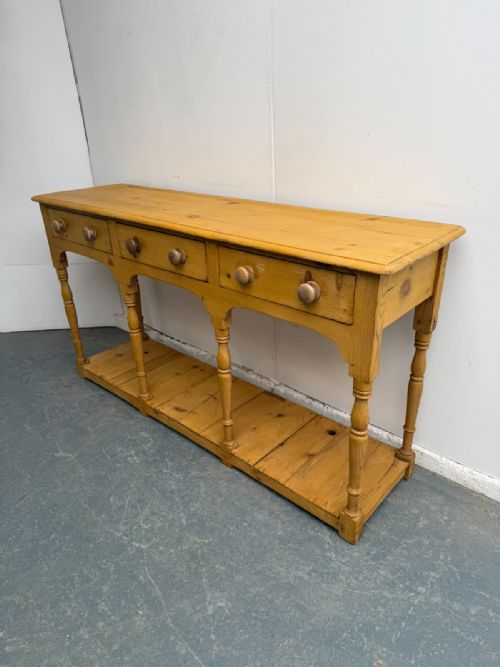
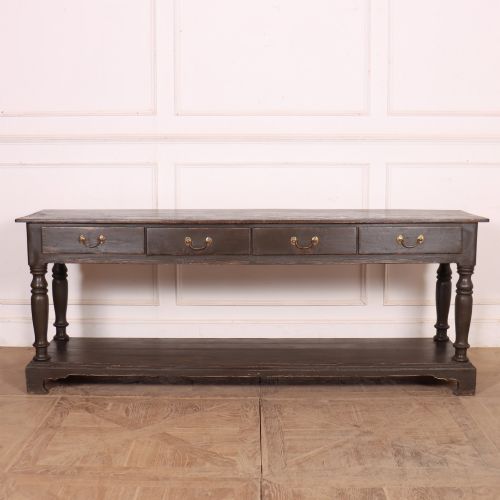
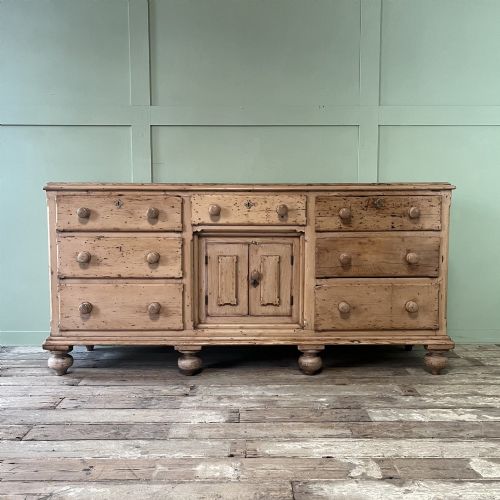
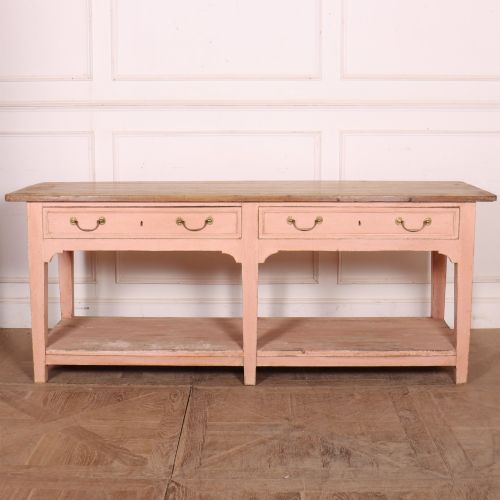
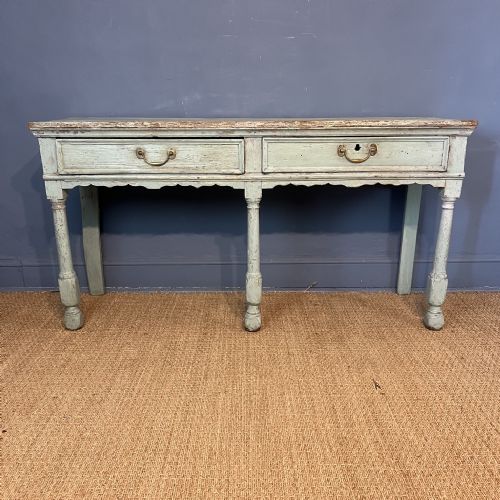
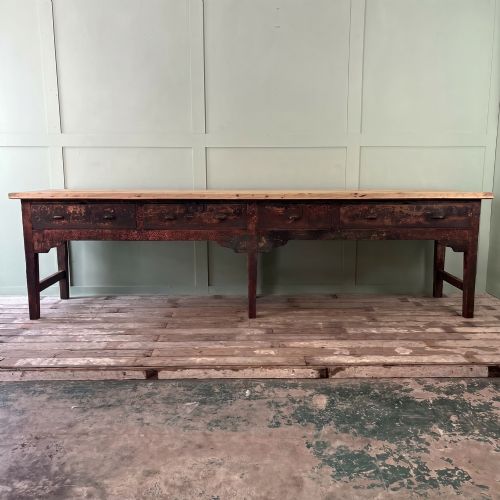
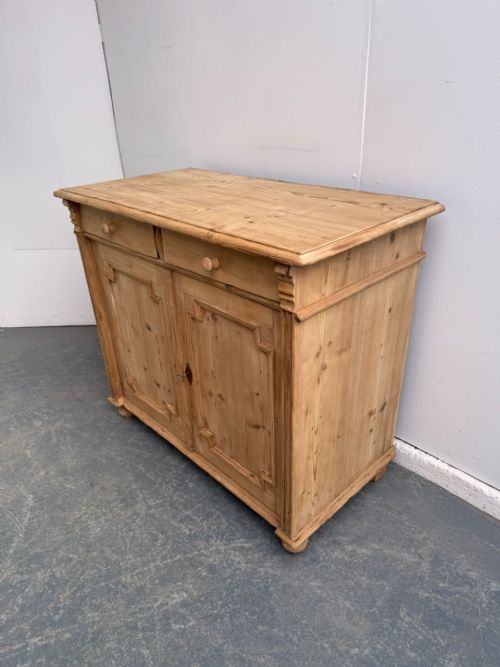
A georgian pine server encompasses robust dresser bases, serving tables, and potboards designed for practical domestic service. You will frequently encounter heavy timber dresser bases and serving tables spanning the eighteenth and nineteenth centuries.
The pieces emerge from English and Scottish country houses and farmhouses, often carrying the marks of daily preparation and storage. Workshops utilised straightforward construction methods suited to hardworking rural environments.
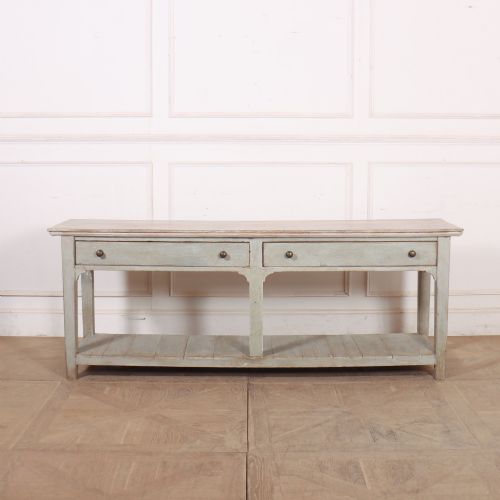
Many examples feature open potboards beneath deep drawers or cupboards, designed to hold earthenware and provisions. Styles range from plain utilitarian forms to George II and Queen Anne country interpretations.
How they were made
Joiners built these servers primarily from solid pine, occasionally combining secondary woods such as sycamore or oak for structural elements. Surfaces were frequently left bare to receive wax or were finished with layers of paint.
Metal fittings, including brass handles and iron hardware, were applied to drawers and doors for everyday handling. Construction relied on sturdy joints and planked tabletops capable of enduring heavy kitchen tasks.
Georgian Pine Server Retail Price Guide 2026
Typical asking prices for georgian pine server among the pieces listed under this phrase on Sellingantiques today, from the lower quarter to the upper quarter. They describe what is for sale here now, not the wider market.
Listings span both the eighteenth and nineteenth centuries, featuring periods such as Georgian, Regency, George II, and Queen Anne alongside rustic country styles.
What varies in quality
The distinction lies in the proportion of the timber, the integrity of the original joints, and the survival of early painted surfaces. Stronger pieces retain their original potboard tiers and undisturbed boarded tops without excessive replacement timber.
Utilitarian items made with finer dovetailing and balanced drawer arrangements command greater regard than heavily altered or reconstructed bases. The depth of the patination on both bare wood and historic paint layers defines the visual weight of each piece.
The Georgian Pine Server Glossary
- Potboard
- An open lower shelf beneath a dresser base traditionally used for storing pots and pans. This lower tier sits close to the floor and is supported by sturdy stiles or legs.
- Dresser base
- The lower portion of a kitchen dresser featuring drawers and cupboards without the upper shelving rack. These tables served as primary workspace and storage in country houses.
- Serving table
- A side table used in dining rooms for presenting food and dishes before or during a meal. They often match the height of sideboard furniture but maintain an open frame.
- Chiffonier
- A low sideboard or cabinet featuring cupboards, enclosed storage, and sometimes small drawers above. This form emerged more prominently during the Regency period.
- Bowfront
- A convex curved front profile applied to cabinets and sideboards to soften rectangular room lines. This shaping requires skilled carpentry to bend or shape the timber and drawers accurately.
Georgian Pine Server: Frequently Asked Questions
What is a potboard base?
A potboard base is a lower storage unit featuring an open bottom shelf beneath the main work surface. This design allowed cooks to stack heavy earthenware pots within easy reach.
Over time, these shelves collected wear from heavy domestic use, making the survival of an original lower board a key indicator of authenticity.
How do I care for painted pine?
Painted pine surfaces require gentle cleaning with a soft cloth and mild soap to preserve historic layers. Avoid harsh chemical solvents that can strip away early paint.
Regular waxing of unpainted timber sections helps maintain the moisture balance of the pine without building up heavy chemical residues.
Are these servers suitable for modern kitchens?
These servers provide practical surface space and generous drawer storage well suited to contemporary dining rooms or kitchens. Their rustic proportions anchor modern spaces with historical warmth.
Buyers should measure floor clearance and check drawer depths to ensure the piece fits intended kitchen layouts.
How can I tell an 18th-century piece apart from a later one?
Eighteenth-century pieces typically display hand-cut joinery, pegged framing, and older timber shrinkage patterns. The construction methods reflect the hand tools used by period country joiners.
Nineteenth-century examples often incorporate machine-sawn elements and different hardware styles, though they maintain similar functional forms.