

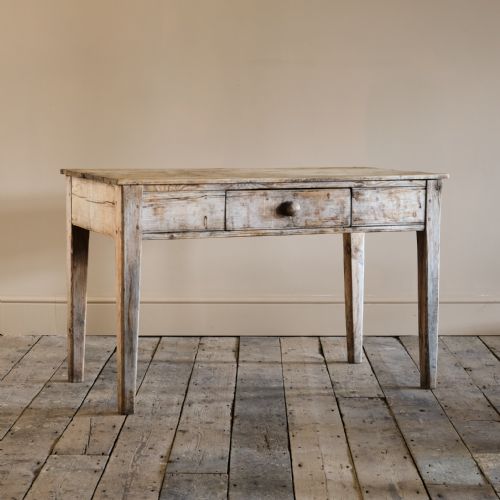

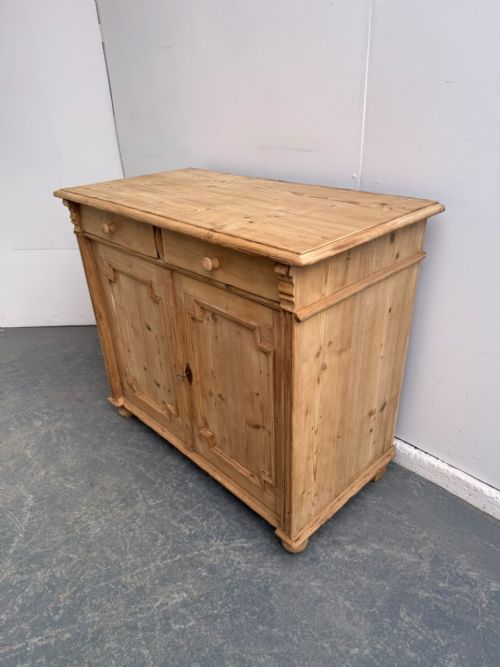

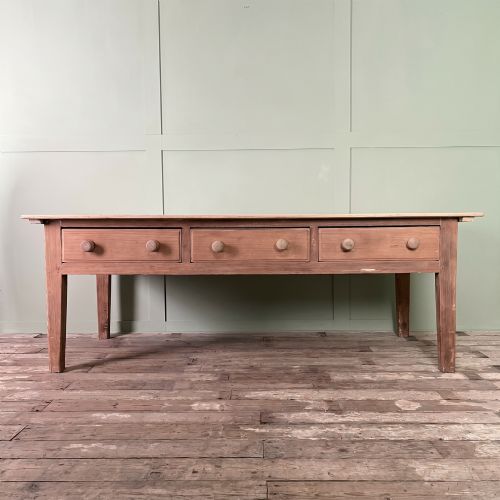
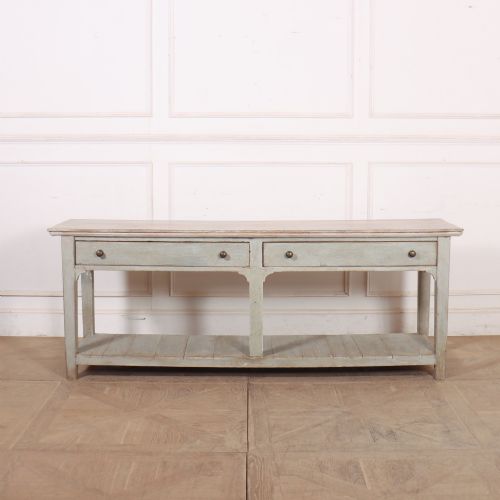


Georgian Pine Kitchen Table
A georgian pine kitchen table brings honest utility and centuries of domestic history straight into the heart of the home.
Georgian Pine Kitchen Table
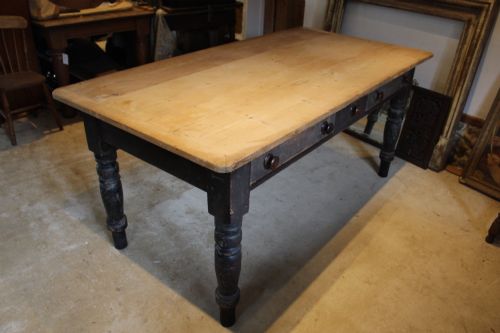
When you search for a georgian pine kitchen table, you are looking at utilitarian furniture built for service in country houses, farmhouses, and sculleries. These tables and related dresser bases come from the eighteenth and nineteenth centuries, spanning regional English, Welsh, and Scottish workshops.
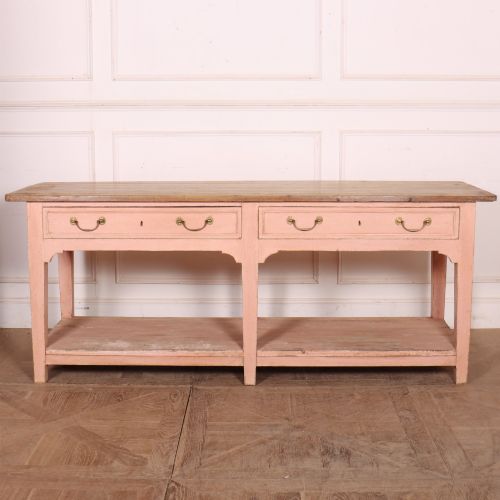
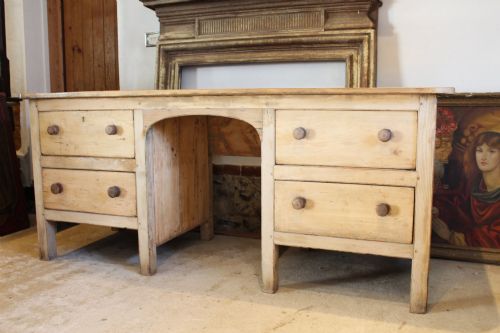
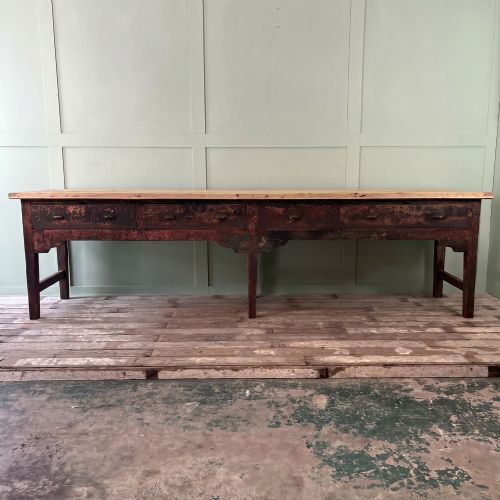
The versions you meet most often on this page include farmhouse dining tables, serving tables, and potboard dresser bases fashioned primarily from solid pine. Many carry traces of their working past in painted finishes, scrubbed tops, and sturdy drawer constructions.
Makers in this tradition built for daily use rather than display, employing robust timbers like sycamore and oak alongside pine. The selection ranges from compact drop-leaf formats to expansive refectory lengths suited to large kitchens.
How they were made
Carpenters constructed these tables using dense pine alongside secondary timbers such as sycamore and oak for high-wear components like table tops and drawer linings. Metal fixings, brass, and iron appeared selectively in hinges, pulls, and structural braces.
Surfaces were frequently finished with layers of paint or left bare to be scrubbed clean after food preparation in dairies and sculleries. Traditional joinery methods held heavy frames together without reliance on modern adhesives.
Georgian Pine Kitchen Table Retail Price Guide 2026
Typical asking prices for georgian pine kitchen table among the pieces listed under this phrase on Sellingantiques today, from the lower quarter to the upper quarter. They describe what is for sale here now, not the wider market.
Some tables retain flour dust embedded deep in the grain from decades of pastry making.
What varies in quality
Quality in these domestic pieces rests on the proportion of original timber retained through generations of heavy use and scrubbing. Tables that preserve their early painted surfaces or patinated bare tops command distinct attention from collectors.
Construction integrity defines the upper tier, where joints remain tight and frames stand true without excessive timber replacement. The balance of regional character and surviving original hardware separates standard utility items from finer examples.
The Georgian Pine Kitchen Table Glossary
- Potboard dresser base
- A low sideboard or table featuring an open lower shelf traditionally used for storing pots and pans. This shelf sits just above the floor, supported by sturdy legs.
- Scullery table
- A heavy utilitarian table designed for washing, food preparation, and messy kitchen tasks. These pieces typically display robust construction and plain pine tops.
- Refectory table
- A long dining table traditionally built for communal dining halls and large country houses. They offer substantial length and generous seating capacity.
- Drop-leaf table
- A table with a fixed centre section and hinged flaps on either side that fold down to save space. This configuration allowed flexible use in smaller domestic rooms.
Georgian Pine Kitchen Table: Frequently Asked Questions
How do I clean a pine table?
Maintenance requires gentle cleaning with a damp cloth and mild soap to protect the historic timber surface. Avoid harsh chemical cleaners that strip the natural patina accumulated over centuries.
Regular application of traditional beeswax helps nourish dry pine and maintains a soft protective layer against daily wear.
Are these tables suitable for dining?
These tables served central roles in historic kitchens and dairies, making them well-suited for modern family dining and kitchen use. Their sturdy construction handles daily meals with ease.
Checking the knee clearance beneath the apron ensures comfortable seating for modern chairs.
What is a potboard base?
A potboard base is a low storage table featuring an open shelf near the floor for heavy kitchenware. This design provides both a working surface above and practical open storage below.
Carpenters built these shelves to bear the weight of heavy earthenware and metal pots.
How do I spot original paint?
Original paint shows natural wear, craquelure, and multiple thin layers rather than a flat modern synthetic coat. Examining edges and protected underside areas reveals the authentic buildup of historic pigment.
Traces of scrubbed pine often peek through where hands and utensils brushed the surface over generations.