


Georgian Piano Stool
A georgian piano stool is a seat built for the keyboard, combining adjustable mechanics and solid timber.

Georgian Piano Stool
A georgian piano stool brings together period timber and mechanical height adjustment designed for the keyboard. You will encounter pieces spanning the Georgian and Regency eras alongside later revivals from the Edwardian period and the twentieth century.
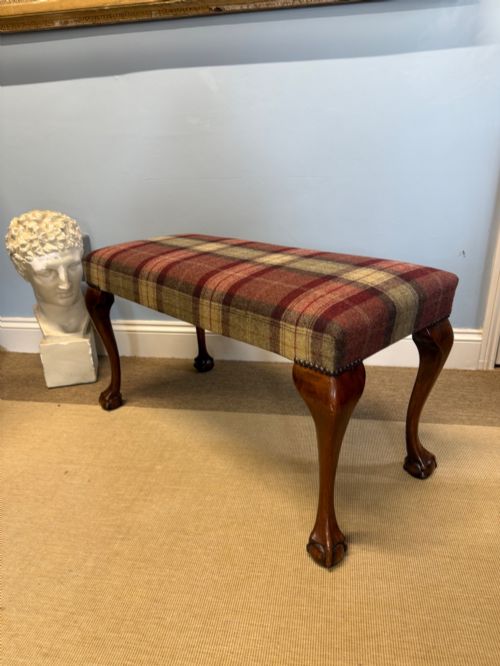
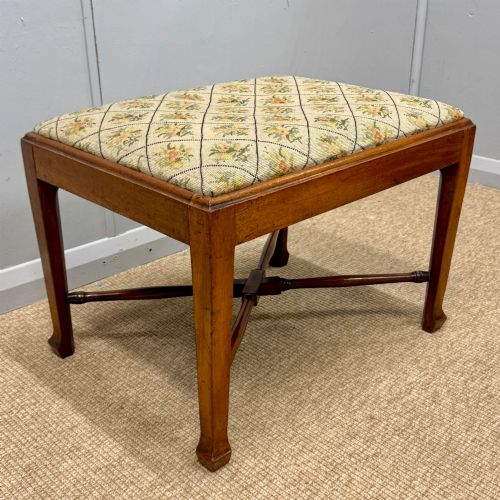
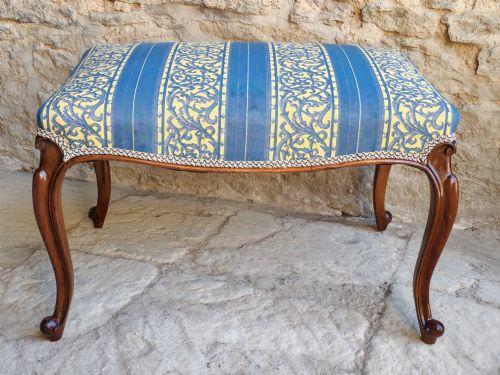
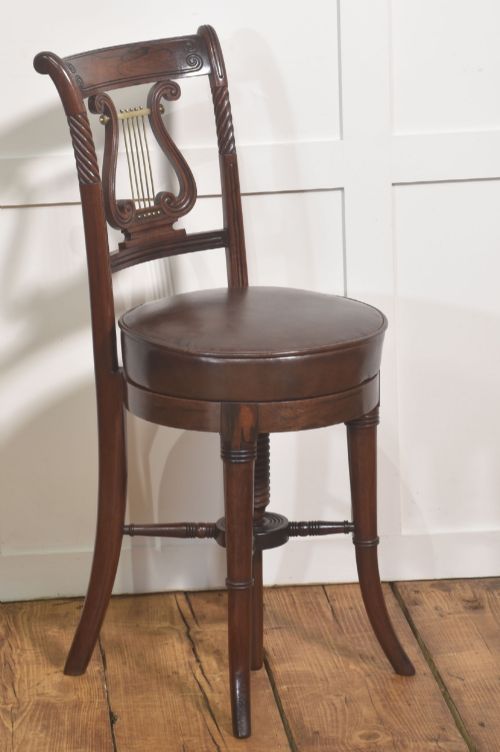
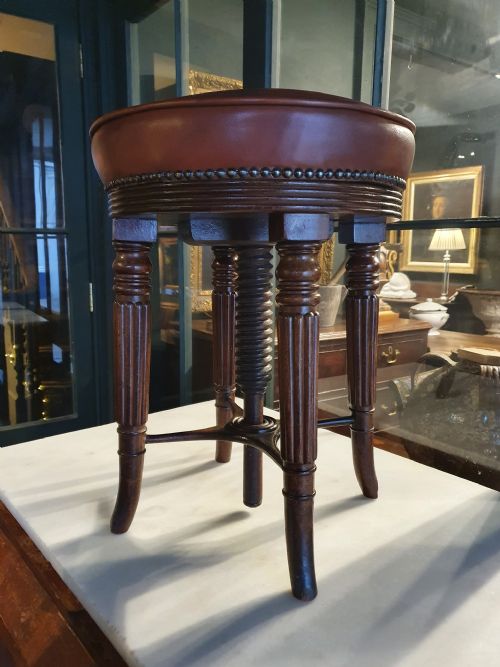
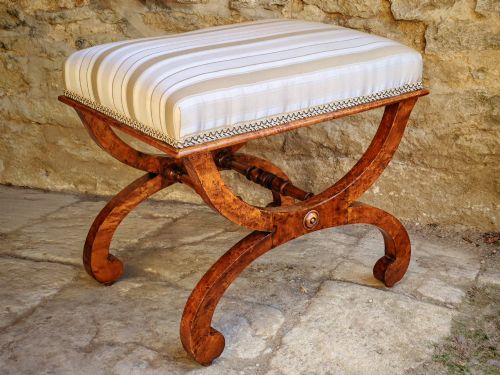
The form appears in revolving music chairs, square stools, and designs featuring cabriole legs or cross stretchers. Mahogany and walnut dominate the selection, often paired with needlework, tapestry, or velvet upholstery.
Makers such as Gillows contributed pieces featuring brass inlay and sophisticated turning, while revival pieces draw on Chippendale and Queen Anne styles.
Materials and construction
Seating surfaces were padded and covered in textiles including wool, velvet, fabric, and hand-worked needlework or tapestry. Adjustable music chairs incorporated mechanical screw threads or revolving mechanisms to alter the seat height.
Georgian Piano Stool Retail Price Guide 2026
Typical asking prices for georgian piano stool among the pieces listed under this phrase on Sellingantiques today, from the lower quarter to the upper quarter. They describe what is for sale here now, not the wider market.
Some nineteenth-century musicians clearly preferred spinning in circles, judging by the number of surviving revolving music chairs.
Judging execution and finish
The standard of timber selection and carving depth separates standard workshop output from exceptional furniture. Crispness in carved acanthus leaves, claw and ball feet, or reeded legs distinguishes finer examples.
The integrity of the mechanical height adjustment mechanism indicates the original grade of manufacture. Smooth operation in revolving music chairs and robust joinery in the underframe define superior surviving pieces.
Gillows
The Georgian Piano Stool Glossary
- Cabriole leg
- A furniture leg that curves outward at the knee and tapers inward toward the ankle, often ending in a pad or claw foot. This profile appears frequently on pieces influenced by earlier aesthetic revivals.
- Cross stretcher
- Wooden members connecting the legs near the base to provide structural rigidity. They often intersect in an X shape beneath the centre of the stool.
- Needlework
- Hand-stitched textile upholstery created with wool or silk yarn on canvas. Many surviving piano stools retain period needlepoint seats depicting floral or geometric motifs.
- Revolving
- A seat mechanism allowing the top to turn through a full rotation. This function is typical of adjustable music chairs and piano stools.
- Regency
- An English design period spanning the early nineteenth century defined by classical revival influences and dark timbers. Pieces from this era often incorporate brass inlay and sabre legs.
Georgian Piano Stool: Frequently Asked Questions
How do I adjust the height?
Many musical stools utilise a central wooden screw mechanism hidden beneath the seat, allowing the top to be wound up or down.
Revolving designs turn on a threaded spindle to achieve the desired playing height.
Are these seats comfortable?
Original padding often consists of traditional stuffing materials beneath wool, velvet, or needlework upholstery.
While firm by modern standards, they provide stable support suited to keyboard practice.
How do I spot a later revival?
Revival pieces from the Edwardian era and the twentieth century replicate earlier Georgian and Chippendale styles using machine-sawn timber and modern adhesives.
Examine the secondary woods and interior framing for signs of twentieth-century manufacturing techniques.
Where should I place it?
These compact seats suit dressing tables, music rooms, or hallways as occasional furniture.
Their decorative needlework tops and turned mahogany legs allow them to function independently of a keyboard.