
Georgian Period Wooden Dresser
A georgian period wooden dresser brings substance and rich timber grain to a room.
Georgian Period Wooden Dresser
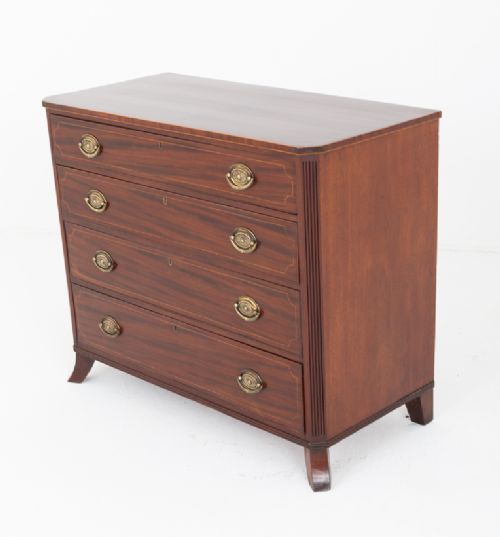
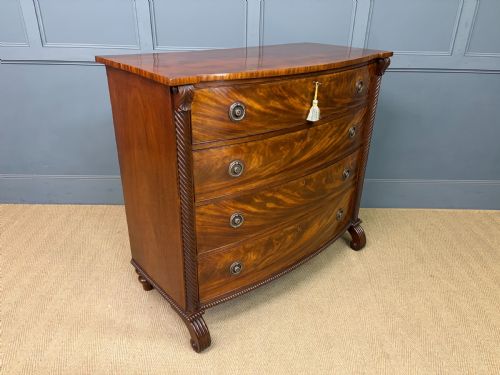
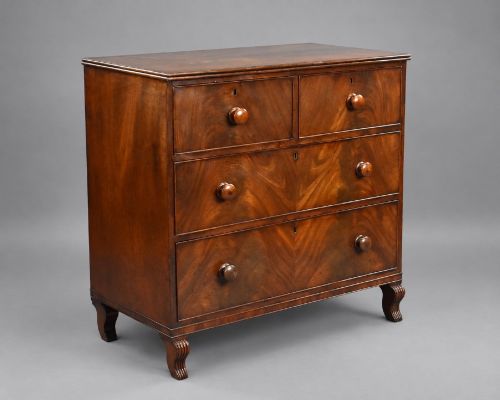
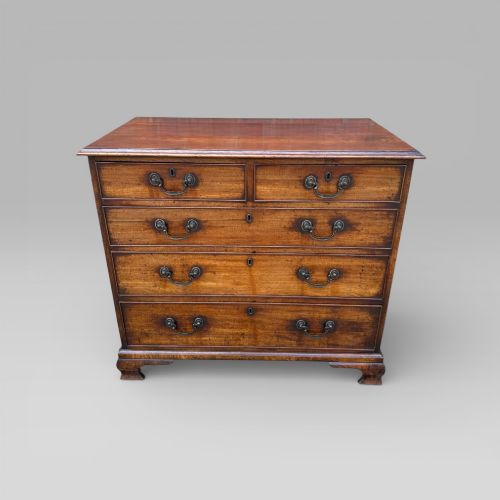
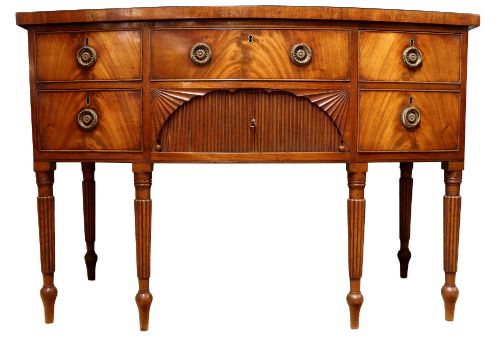
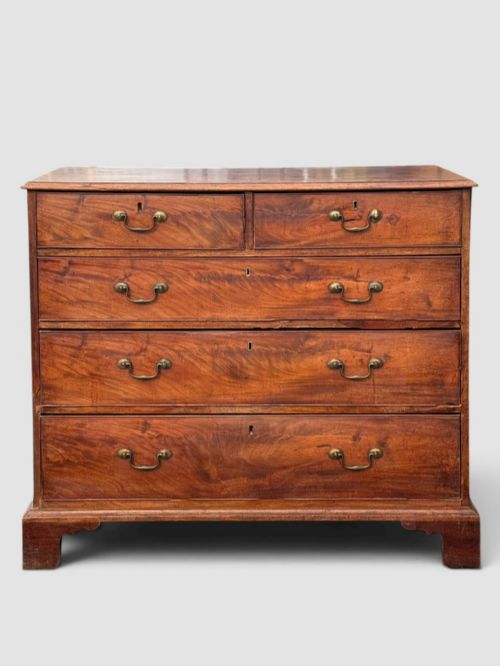
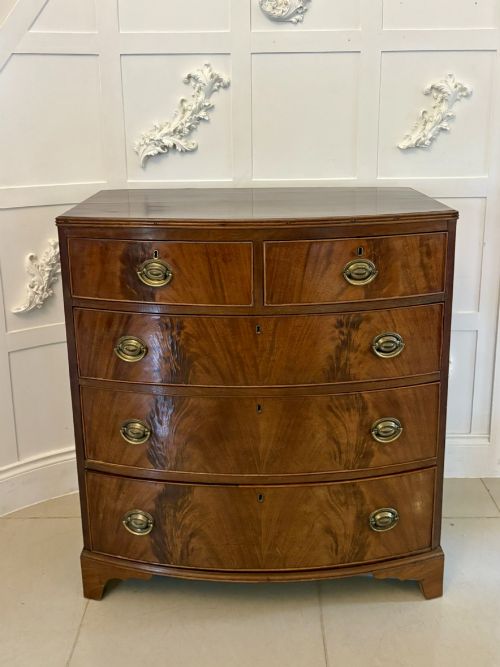
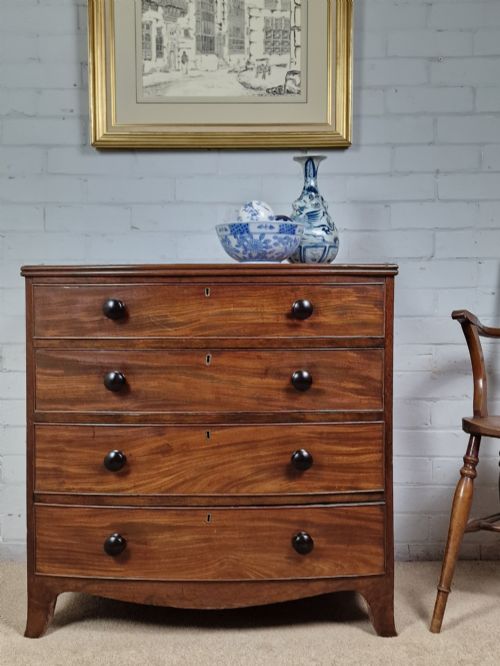
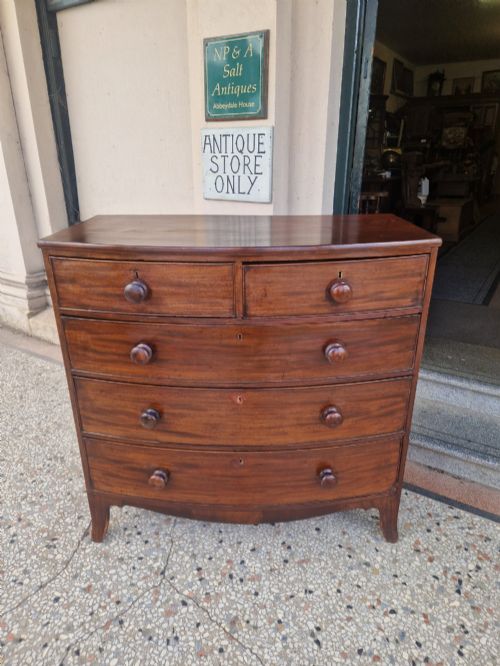
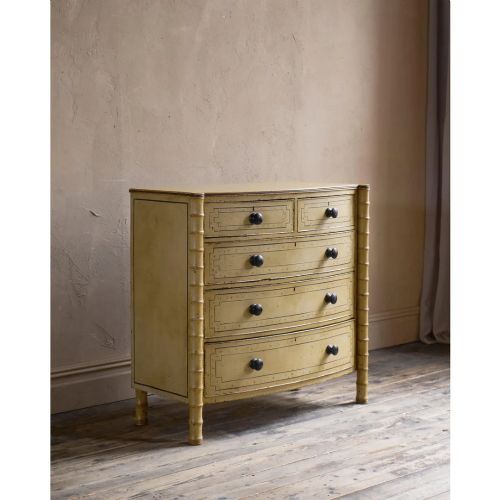
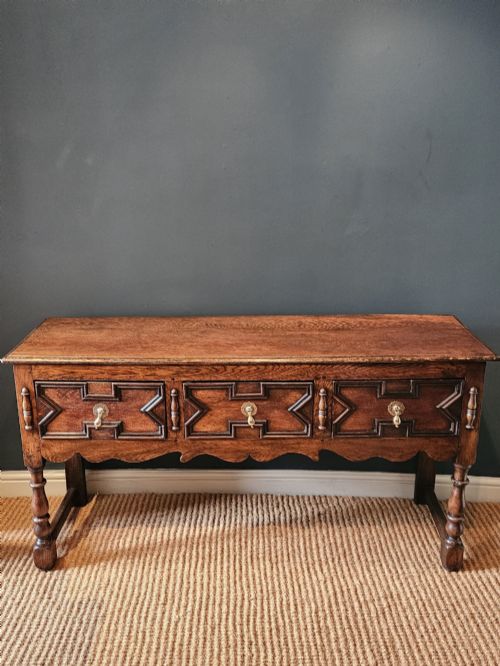
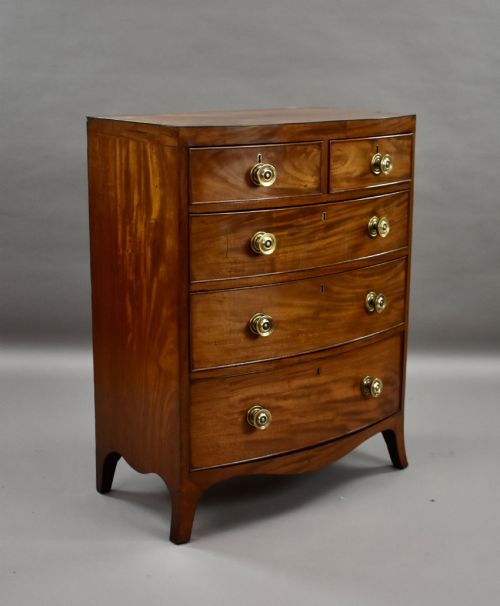
A georgian period wooden dresser encompasses substantial chests of drawers, sideboards, and coffer bases originating from the eighteenth and early nineteenth centuries. The listings show a strong presence of oak and mahogany forms, ranging from simple geometric moulded designs to elegant bow-fronted proportions.
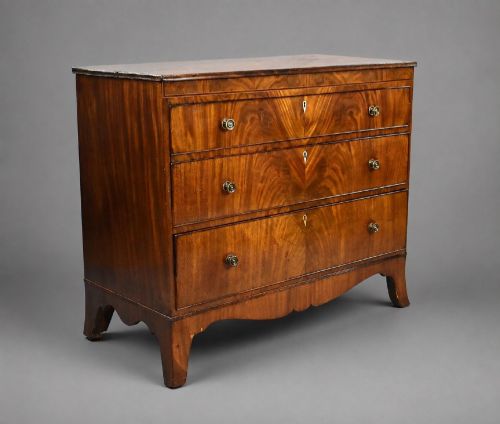
Buyers most frequently encounter mahogany and oak pieces representing the George III and Regency eras. These sturdy items served domestic storage needs across generations, evolving from heavy timber frames to refined veneered finishes with brass handles.
How they were made
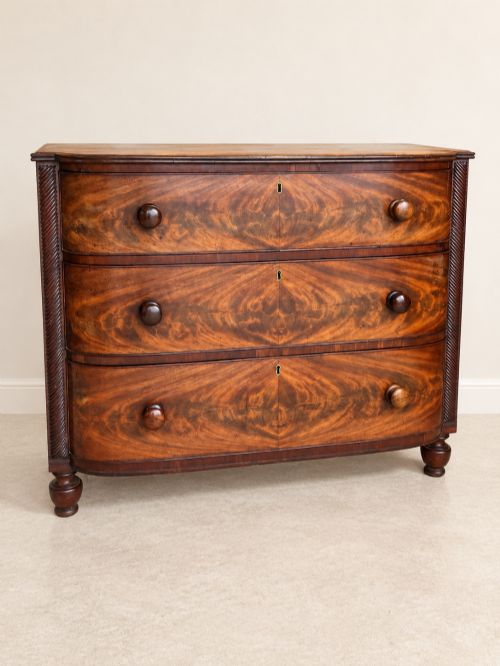
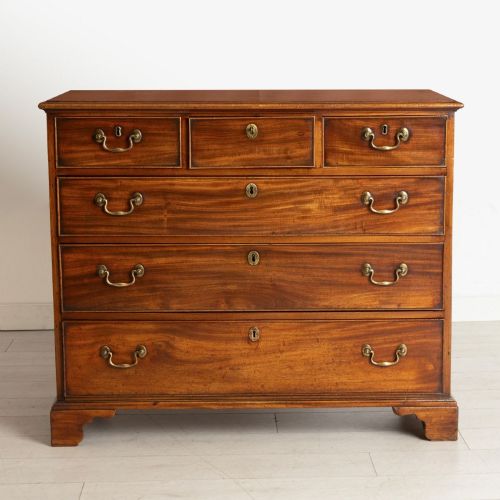
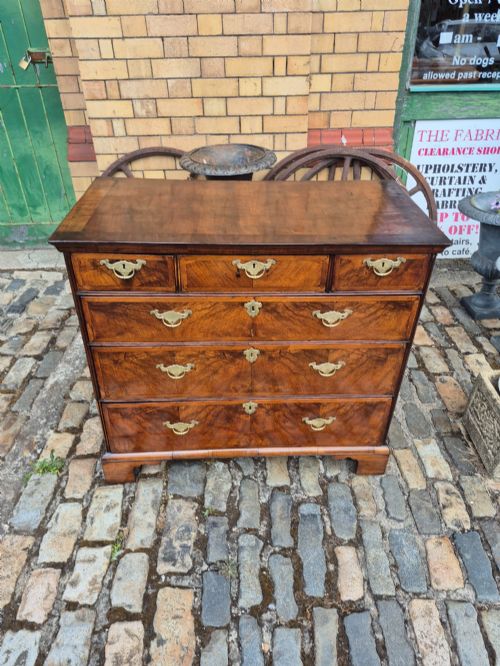
Cabinet makers utilised solid timbers like oak, walnut, and mahogany, often applying flame mahogany veneer over secondary woods to create striking drawer fronts. Iron and brass hardware, including drop handles and escutcheons, secured the construction while adding decorative contrast to the timber.
Joinery techniques relied on traditional dovetailed drawer construction and pegged frames. Carved mouldings, geometric panels, and occasional brass inlay defined the stylistic output of the period workshops.
Periods represented span from the 17th century through the Georgian, Regency, and Edwardian eras.
What varies in quality
The selection of timber grain heavily dictates the visual appeal of a piece, with highly figured mahogany and matched walnut veneers sitting at the upper end of the scale. Plain pine or secondary woods used in less visible areas reflect standard utilitarian production.
Refinement of proportion and subtlety of detail separate standard cabinet work from exceptional examples. Crisp moulding profiles, well-chosen brass handles, and balanced bow-front dimensions demonstrate superior craftsmanship.
J Moorcroft
The Georgian Period Wooden Dresser Glossary
- Bow front
- A convex curved cabinet or chest front popular during the Regency and George III periods. It softens the linear profile of a room.
- Dovetail
- A traditional interlocking woodworking joint used to secure drawer corners. It provides exceptional tensile strength without modern fasteners.
- Veneer
- A thin slice of figured timber applied to a stable secondary wood surface. This technique allows cabinet makers to display expensive grain patterns economically.
- Coffer
- A large wooden chest traditionally used for storage. Early examples often feature heavy oak construction and carved panels.
- Escutcheon
- A protective brass plate surrounding a keyhole. It prevents the surrounding wood from wearing down through repeated use.
Georgian Period Wooden Dresser: Frequently Asked Questions
What is a georgian period wooden dresser?
A georgian period wooden dresser or chest of drawers is a utilitarian storage item made from timbers such as oak, mahogany, and walnut during the eighteenth and early nineteenth centuries. These pieces were built to house household linens and garments.
They reflect the dominant stylistic shifts from solid oak country furniture to refined mahogany urban cabinet work.
How do I identify a georgian piece?
Identification relies on examining timber choices, construction methods, and hardware styles. Look for pegged joints, hand-cut dovetails, and period brass drop handles.
Secondary woods like pine and oak behind mahogany facades further indicate period manufacture.
Where were these pieces used?
These items originated in domestic settings ranging from country farmhouses to urban townhouses. They served as primary storage furniture in bedrooms, hallways, and living spaces.
Their robust construction ensured continuous daily use over centuries.
How do I care for wooden furniture?
Keep wooden furniture away from direct heat sources and drastic humidity changes to prevent timber splitting and veneer lifting. Regular dusting with a dry cloth preserves the finish.
Avoid commercial silicone sprays and harsh chemical polishes.