



Georgian Period Serving Dish
These georgian period serving dish examples bring eighteenth and nineteenth century dining tables alive with hand-painted porcelain, blue and white decoration, and pewter forms.
Georgian Period Serving Dish
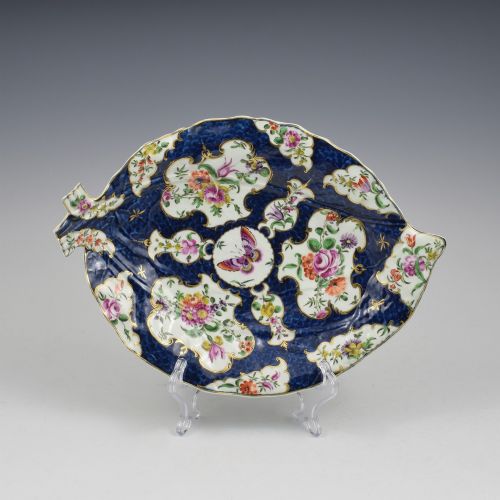
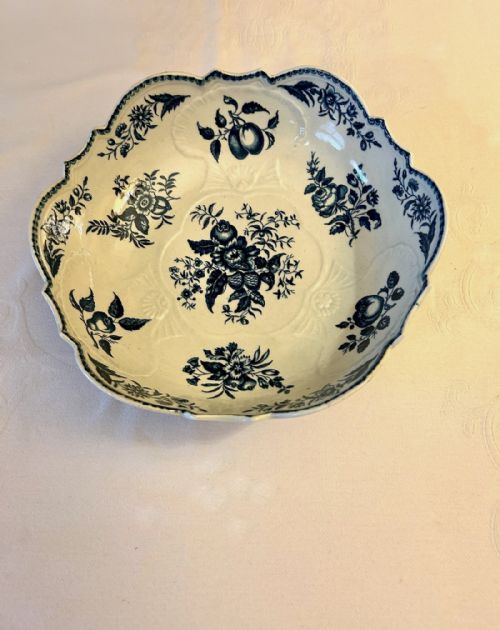
A georgian period serving dish covers practical tablewares designed for presentation, including dessert dishes, platters, sauce tureens, and leaf dishes. These vessels emerge predominantly from the eighteenth century and the Regency era, reflecting the refined dining habits of the period.
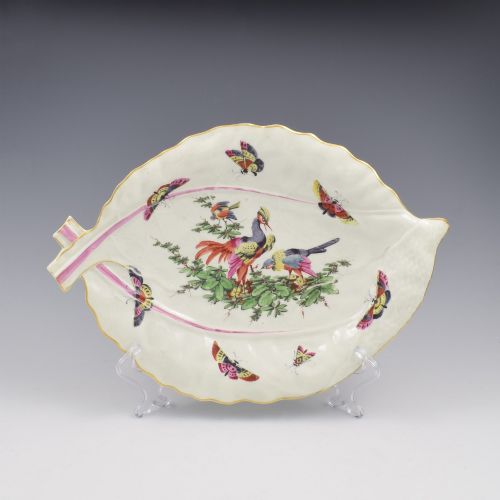
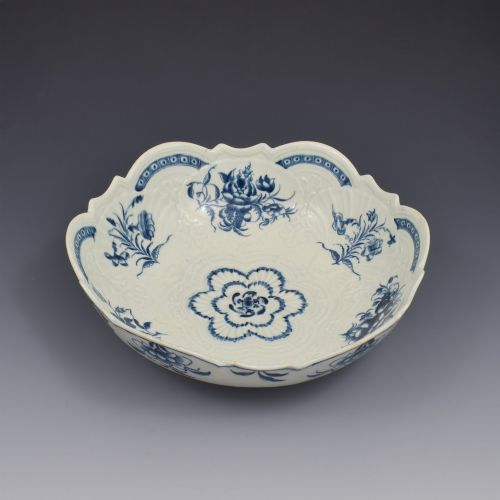
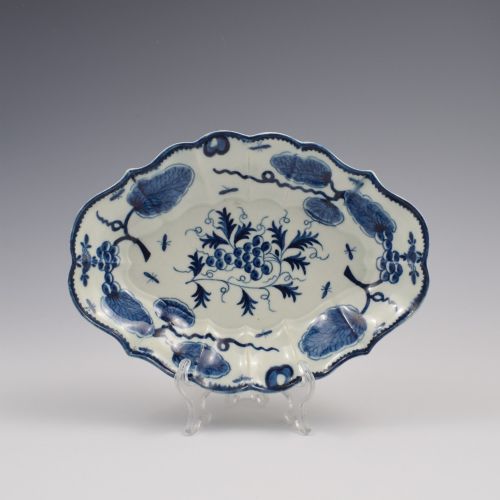
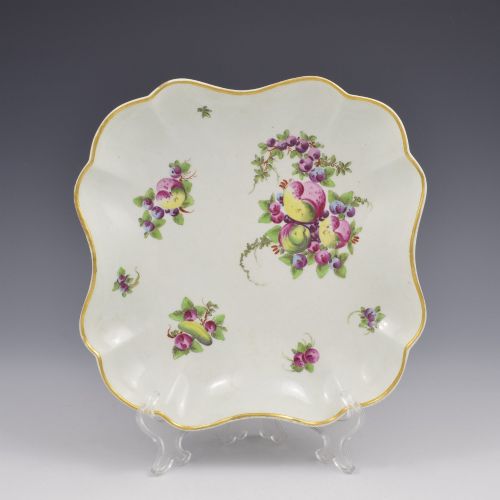
Most pieces encountered on this page belong to the eighteenth century, specifically through factories like Worcester, alongside nineteenth-century productions from Coalport, Ridgway, and Spode. Forms range from square lobed dishes and junket dishes to large moulded platters and covered tureens.
Buyers seeking a georgian period serving dish find a diverse array of utilitarian and decorative items shaped by changing ceramic technologies and artistic influences across the Georgian and Regency eras.
Materials and construction
Techniques combine hand-moulding and throwing with meticulous hand-painting, transfer printing, and gilding. Artisans applied botanical studies, bird motifs, and floral patterns directly onto the ceramic body before firing.
Object types recorded in the inventory include serving dishes, decorative dishes, platters, dessert dishes, sauce tureen, and plates.
Assessing quality in these wares
Quality rests upon the crispness of the moulding, the precision of the hand-painted or transfer-printed decoration, and the preservation of the glaze and gilding. Finer pieces display sophisticated botanical or avian compositions executed by skilled factory hands.
The integrity of the paste, the balance of the form, and the clarity of factory marks or period characteristics distinguish standard domestic items from superior cabinet specimens.
Dr Wall Worcester·Flight Barr And Barr·Coalport·Ridgway·Don Pottery·Spode
The Georgian Period Serving Dish Glossary
- Soft-paste porcelain
- An artificial ceramic composition fired at lower temperatures than hard-paste porcelain. It produces a warm, slightly creamy body commonly found in eighteenth-century English factories.
- Junket dish
- A shallow vessel traditionally used for serving junket, a sweetened curd dessert. These pieces often feature moulded or fluted edges suited to table presentation.
- Sauce tureen
- A covered container designed for holding and serving sauces or gravies at the dining table. They frequently include matching stands and decorative handles.
- Leaf dish
- A serving plate moulded in the naturalistic shape of a leaf. Painters decorated these surfaces with botanical specimens, insects, or birds.
- Gilt
- A thin layer of gold applied to the surface of porcelain or metal. It highlights rims, handles, and painted borders.
Georgian Period Serving Dish: Frequently Asked Questions
How were these serving dishes used?
These vessels served functional roles on formal dining tables, presenting desserts, sauces, meats, and sweet dishes during multi-course meals. Wealthy households utilised them to display wealth and taste through coordinated tableware services.
Over time, many of these utilitarian objects transitioned into decorative display items, valued for their historical connection to Georgian dining rituals and interior decoration.
How do I care for antique porcelain?
Antique porcelain requires gentle hand washing in lukewarm water with mild soap. Avoid soaking pieces, particularly those with soft-paste bodies or delicate gilding.
Keep serving dishes away from direct sunlight, extreme temperature fluctuations, and modern dishwashers to preserve the historic glazes and enamel decorations.
How do I distinguish eighteenth-century pieces from Regency ones?
Eighteenth-century pieces often utilise soft-paste porcelain with painterly underglaze blue, Kakiemon designs, or botanical studies typical of the Dr Wall Worcester period. Forms tend toward organic leaf shapes and scalloped edges.
Regency examples from the early nineteenth century frequently show brighter polychrome palettes, heavy gilding, moulded classical details, and firmer porcelain bodies associated with factories like Flight Barr and Barr.
Are these dishes safe for food use?
While physically capable of holding food, antique pieces often bear historic glaze wear, micro-cracks, and lead-bearing glazes that make daily culinary use impractical. Modern acidic foods can also damage delicate overglaze enamels and gold leaf.
Collectors generally reserve these serving dishes for dry presentation, decorative display, or careful seasonal use rather than everyday dining.