


Georgian Period Oil Artwork
When you search for georgian period oil artwork, you uncover canvas portraits and landscapes rendered in rich oil paint.
Georgian Period Oil Artwork
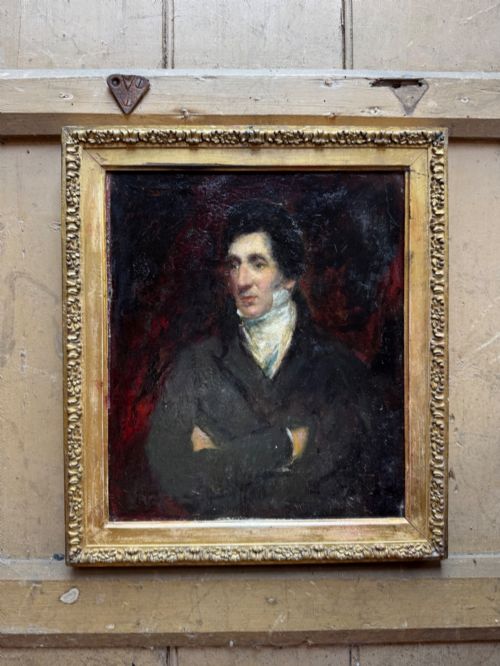
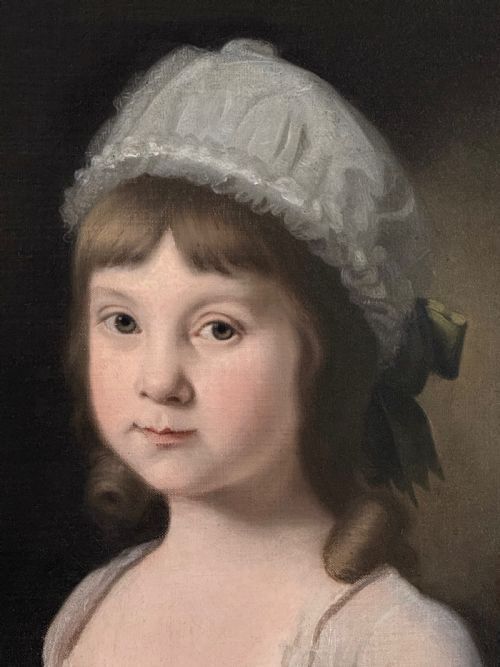
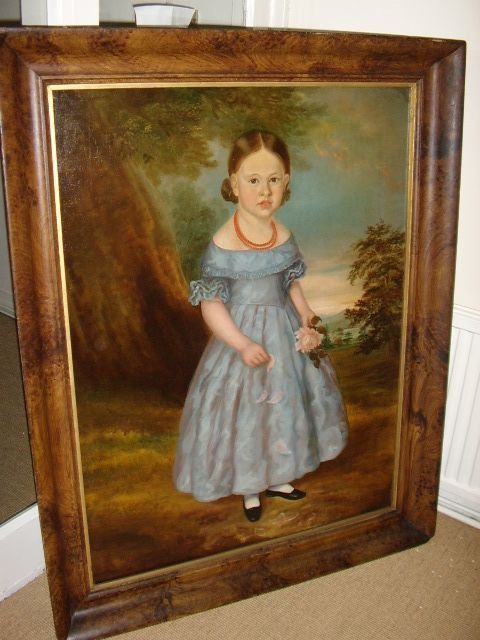
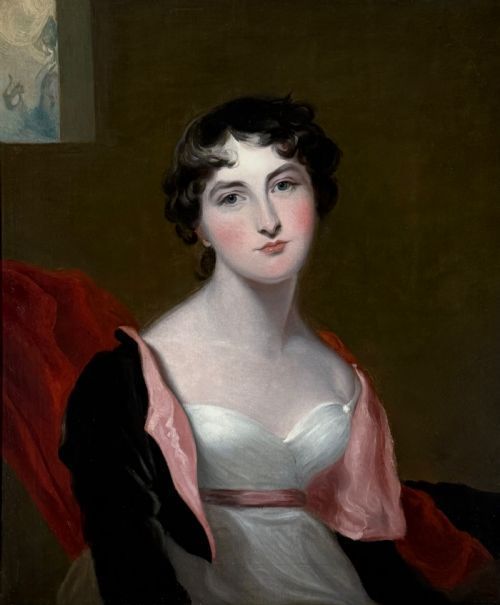
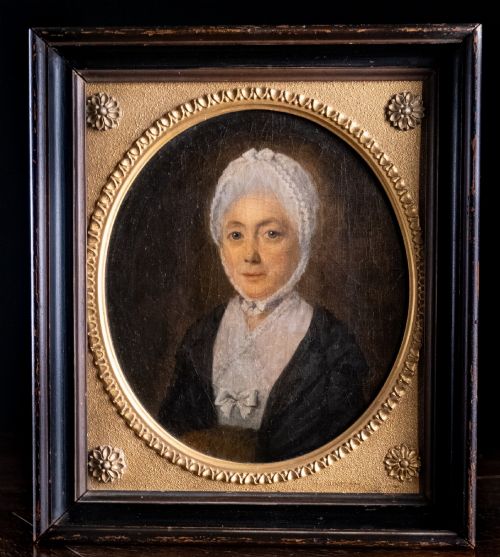
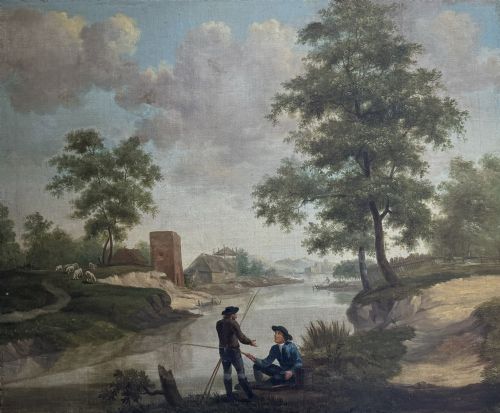
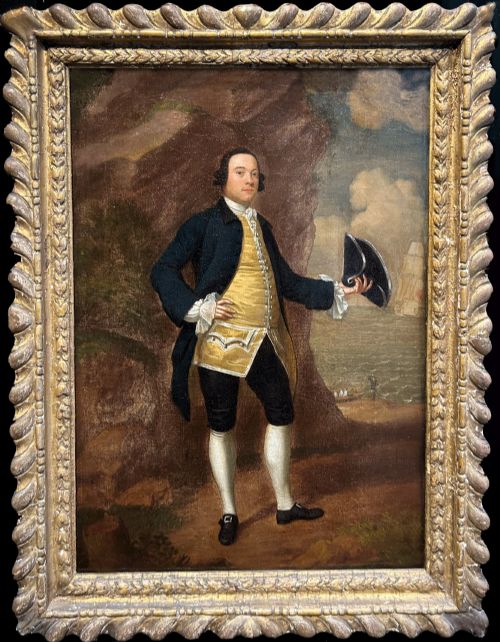
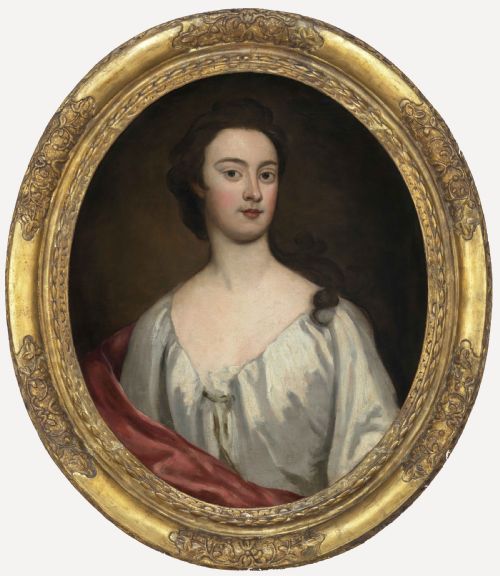
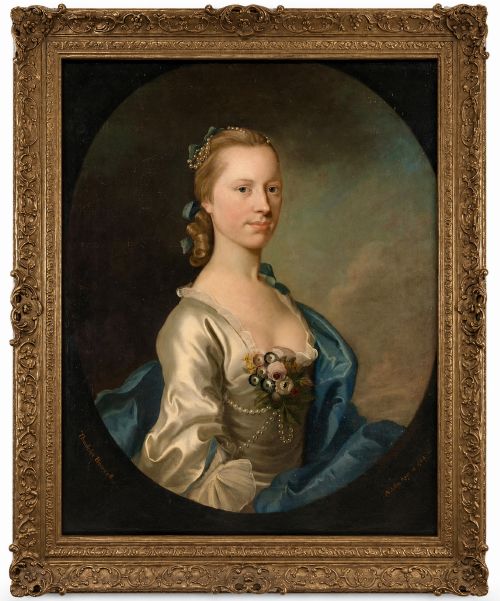
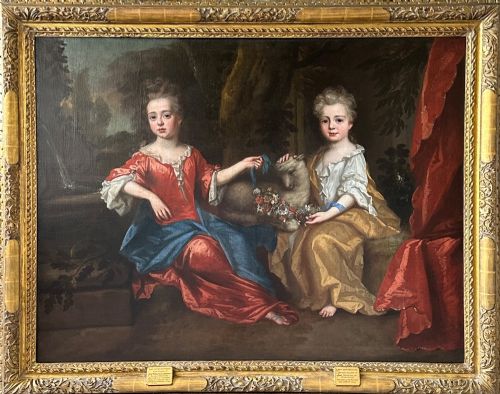
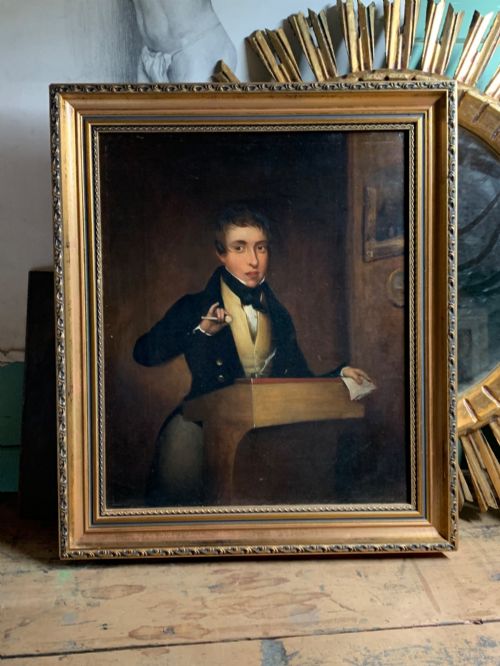
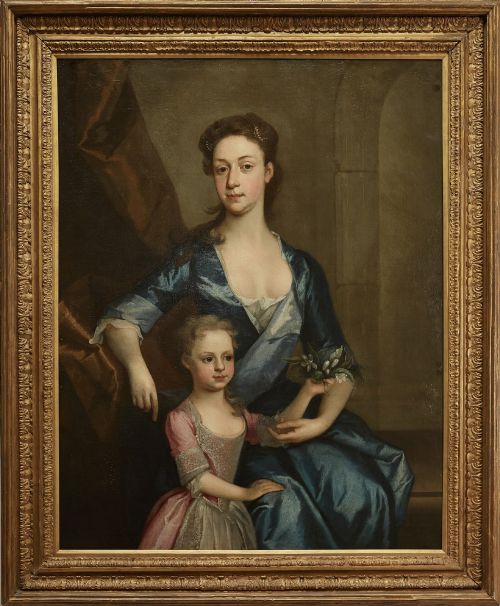
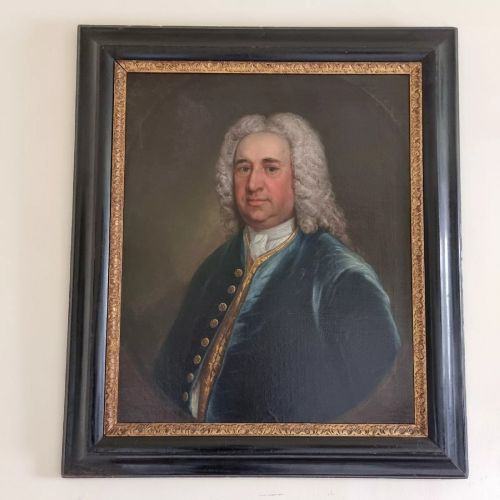
A georgian period oil artwork typically presents portraiture or landscape scenes originating from the eighteenth and early nineteenth centuries. These pieces encompass depictions of nobility, children, gentlemen, and domestic interiors created by British and European hands.
The most common subjects meeting a buyer here are oil paintings on canvas, frequently housed within period giltwood frames. Works span the broader Georgian era, incorporating Regency canvases and English school compositions.
How they were made
Artists built these works using oil paint applied to stretched canvas panels, occasionally utilising wood or copper supports. Pigments were layered to achieve depth in garments, flesh tones, and background details.
Surrounding frames consist of carved wood finished with gold leaf or giltwood, often original to the period of the painting.
Current listings feature oil paintings spanning the eighteenth century, Regency era, and early nineteenth century, executed on canvas and wood panel.
What varies in quality
The sophistication of brushwork and the anatomical accuracy of the figures distinguish studio pieces from provincial naive works. Finer examples capture subtle textures in silk dresses, lace, and facial expressions.
The preservation of the original canvas and the integrity of the giltwood frame influence the overall character of the piece.
Joshua Reynolds·Thomas Lawrence·Francis Hayman·Jeremiah Davison·Allan Ramsay·James Maubert·Joseph Highmore·John Sanderson Wells·John Hamilton Mortimer·Giovanni Paolo Panini·Pierre Gobert·George Morland·Rolinda Sharples·Charles Philips·Philip Mercier·Nathaniel Hone
The Georgian Period Oil Artwork Glossary
- Giltwood
- Wood carved and coated with gold leaf or gold paint to create an ornate frame. This material defines the traditional presentation of eighteenth-century paintings.
- British School
- A term applied to works produced by artists working in Britain whose specific identities remain unrecorded or linked through style. It groups together regional portraits and landscapes of the era.
- Regency
- The period from 1811 to 1820, though often extended in design terms to describe the broader aesthetic of the early nineteenth century. Works from this era display distinct stylistic shifts away from earlier Rococo influences.
- Naive Art
- Painting created by artists without formal academic training, often characterised by flat perspectives and direct charm. These works offer a distinct view of period life compared to formal portraiture.
Georgian Period Oil Artwork: Frequently Asked Questions
Are these paintings on canvas?
Most works utilise oil on canvas, though some examples employ wood panels or copper supports.
Frames are commonly constructed from carved giltwood with gold leaf applications.
How do I identify a portrait?
Portraits from this era depict sitters ranging from young girls to medical doctors, often dressed in period attire such as silk and lace.
Attributions in titles reference specific schools or circles of known artists from the eighteenth century.
What subjects besides portraits appear?
Landscapes featuring classical ruins, coastal scenes with warships, and architectural settings supplement the portrait selections.
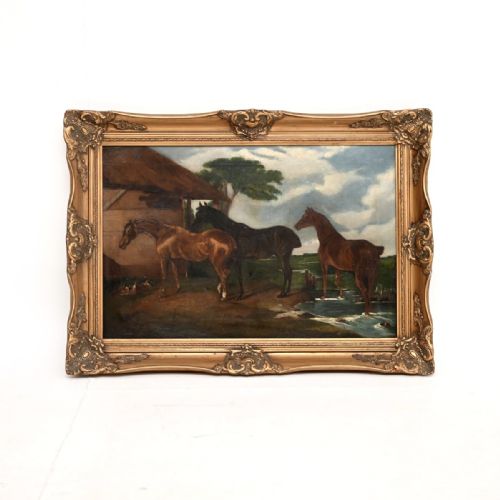
Country house interiors and sporting subjects involving horses or fox hunting also occur.
Do frames come with the art?
Canvases are typically paired with period frames, such as massive giltwood designs that complement the age of the painting.
These surrounds reflect the decorative tastes prevalent during the Georgian and Regency eras.