


Georgian Period Goblet
These pieces of a georgian period goblet bring the weight of eighteenth-century glass to a modern table.
Georgian Period Goblet
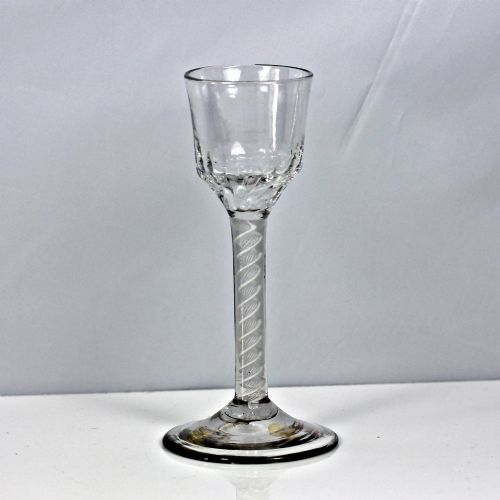
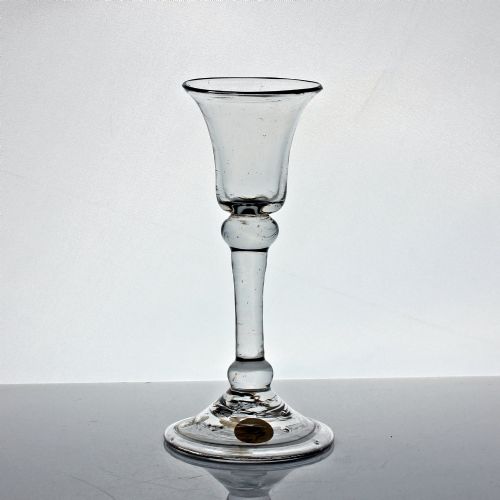
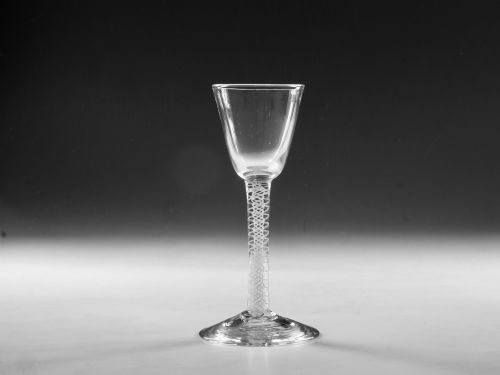
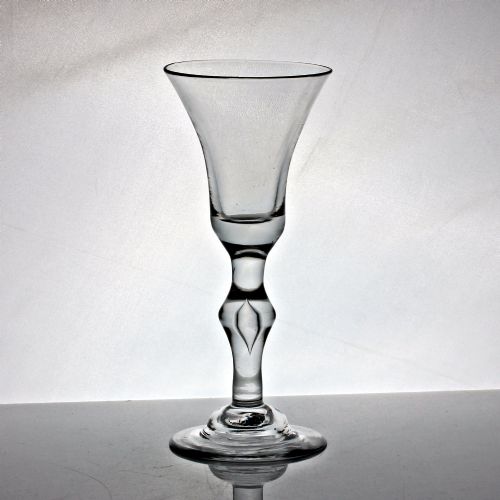
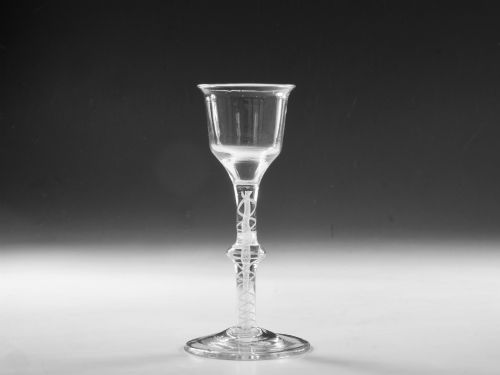
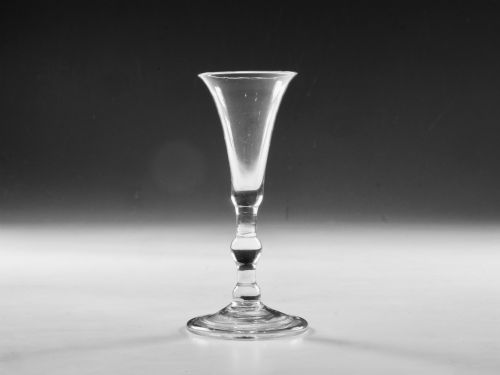
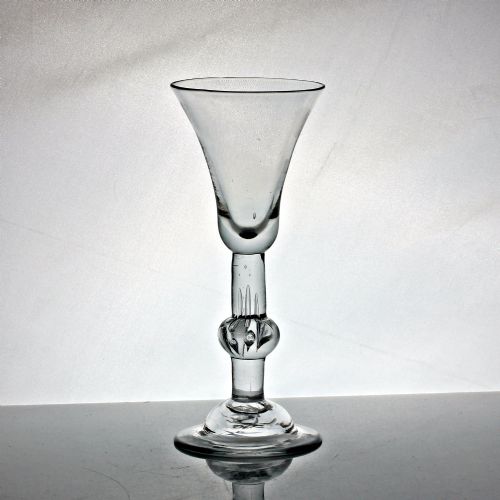
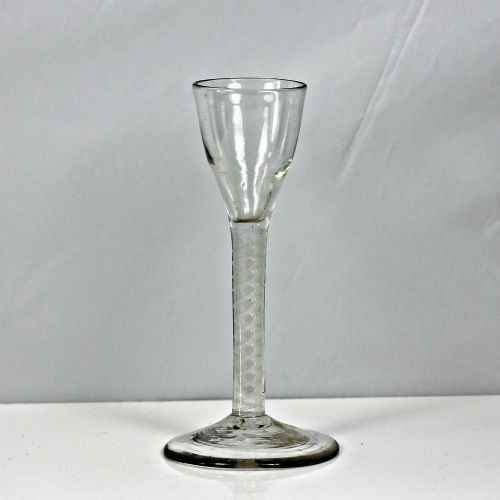
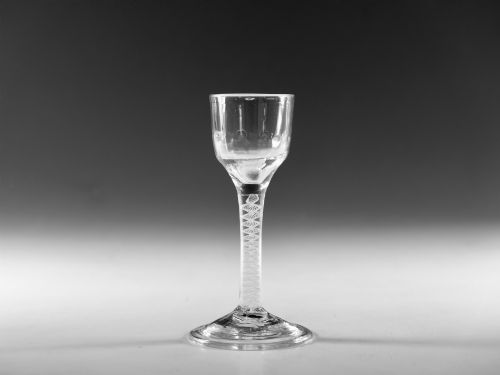
A georgian period goblet sits within a broad family of eighteenth-century and Regency drinkware that includes wine glasses, port glasses, ale glasses, and rummer glasses. When searching this phrase, a buyer encounters forms ranging from heavy baluster and balustroid glasses to fine air twist and opaque twist stems.
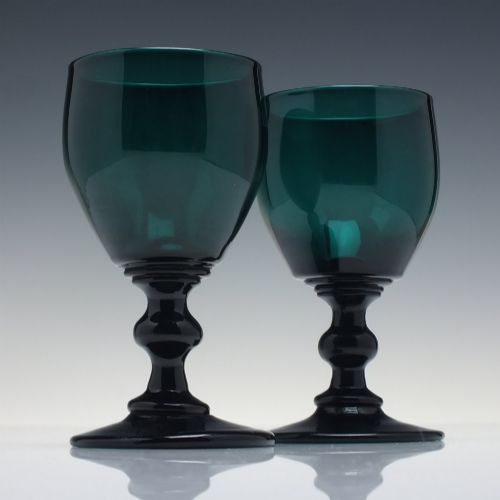
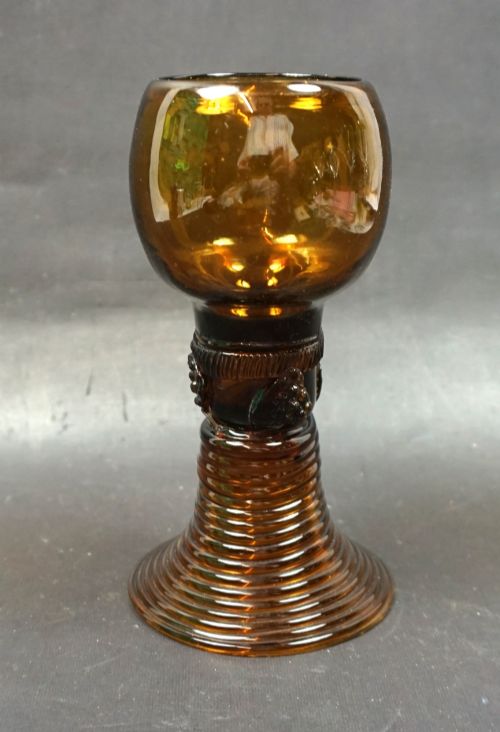
The pieces appearing on this page span the eighteenth and early nineteenth centuries, covering the Georgian and Regency eras. Alongside standard clear lead glass, the selection includes examples in dark amber, peacock blue, and green glass, as well as German Baroque styles like the roemer.
How they were made
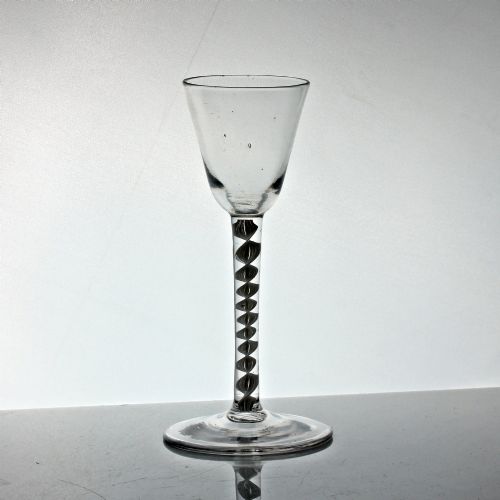
Makers shaped these drinking vessels from lead glass and lead crystal, utilising hand-blown glass techniques that produced varying degrees of clarity. Craftsmen drew out stems and manipulated molten metal to form air twists and opaque twists within the glass.
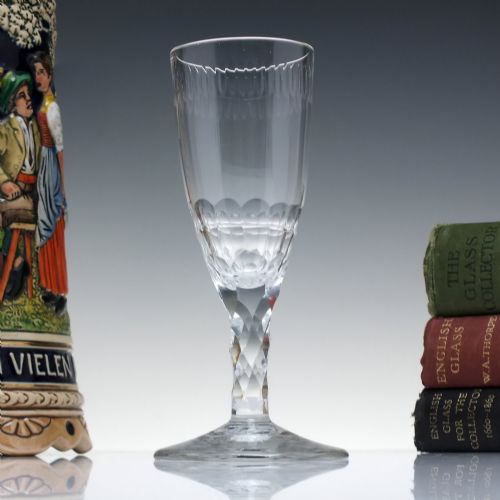
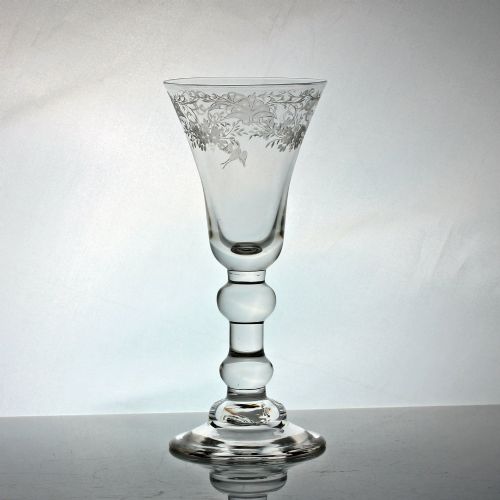
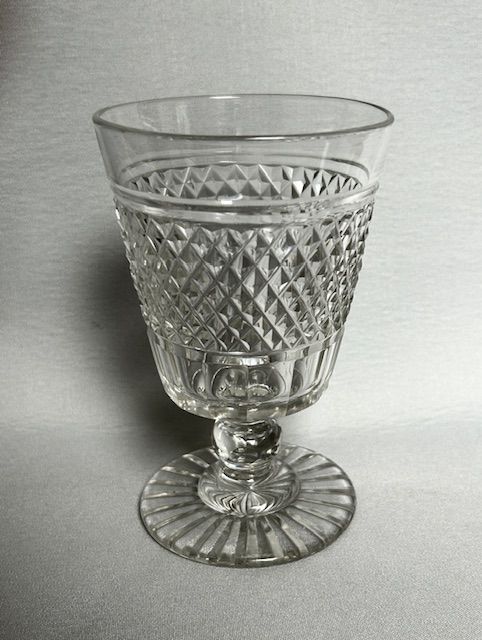
Cutting and engraving surface details required skilled handwork, visible in faceted stems and hobnail cut bucket rummers. Enamel decoration and masonic engraving further personalized specific pieces during the manufacturing process.
Georgian Period Goblet Retail Price Guide 2026
Typical asking prices for georgian period goblet among the pieces listed under this phrase on Sellingantiques today, from the lower quarter to the upper quarter. They describe what is for sale here now, not the wider market.
Some nineteenth-century drinkers apparently needed lemon squeezer bases just to keep their rummer glasses steady after a few rounds.
What varies in quality
Clarity of the metal separates standard utilitarian glass from pieces possessing exceptional optical brilliance. Heavy lead crystal and well-balanced proportions indicate superior handling by the glasshouse.
The Georgian Period Goblet Glossary
- Air twist
- A stem containing elongated bubbles or threads of air pulled into spirals during manufacture. This technique lightened the heavy lead metal while adding decorative movement.
- Opaque twist
- A stem enclosing white or coloured enamel glass threads drawn into spiral patterns. These threads create stark contrast within the clear stem.
- Baluster
- A heavy, thick stem form inspired by architecture, featuring knops and swelling profiles characteristic of early eighteenth-century English glass.
- Folded foot
- A base edge doubled over and flattened underneath to add strength and weight to the vessel. This feature appears frequently on eighteenth-century forms.
- Lemon squeezer base
- A square, moulded foot with indented corners resembling a citrus juicer. It provides stable footing on Regency rummers.
- Roemer
- A continental drinking vessel form with a spherical bowl and coiled foot, often executed in green or amber glass.
Georgian Period Goblet: Frequently Asked Questions
How do I date a georgian period goblet?
Dating relies on combining the form of the bowl, the construction of the stem, and the characteristics of the foot. Early pieces often feature heavy baluster stems, while mid-century examples commonly incorporate air twists or opaque twists.
Later Regency pieces tend toward facet cutting, rummer shapes, and square lemon squeezer bases. Comparing the metal weight and colour further assists in placing a piece within the eighteenth or early nineteenth century.
Were these goblets used for wine?
Eighteenth-century drinking vessels served a variety of beverages depending on their size and bowl shape. Smaller glasses accommodated strong wines like port or sack, while taller or wider vessels held ale, beer, or cider.
Larger rummer glasses handled punches and spirits. Many forms overlap in terminology across the period.
Why do some glasses have pontil marks?
A pontil mark is the rough spot left on the base where the glassblower's pontil rod was snapped off after shaping the vessel. Its presence confirms that a piece was hand-blown rather than machine-moulded.
On finer pieces, makers often ground and polished this mark flat. Unpolished pontils remain common on earlier utilitarian drinkware.