





Georgian Period Gilt Mirror
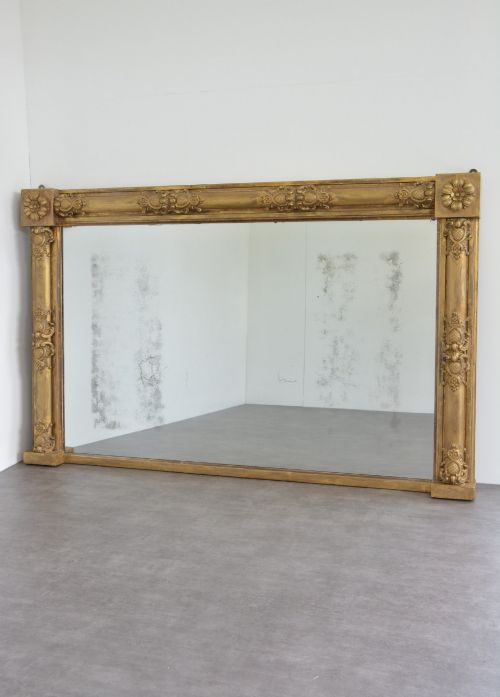
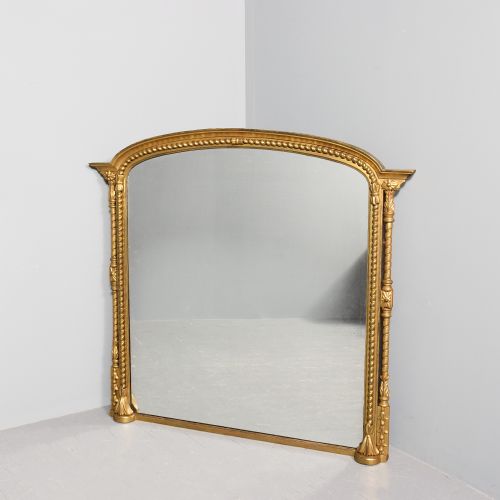
A georgian period gilt mirror brings a bright focal point to a room through carved detail and gilded surfaces.
Georgian Period Gilt Mirror
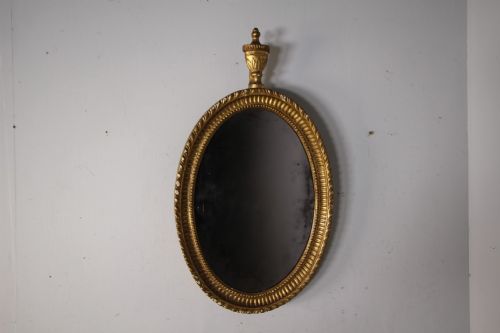
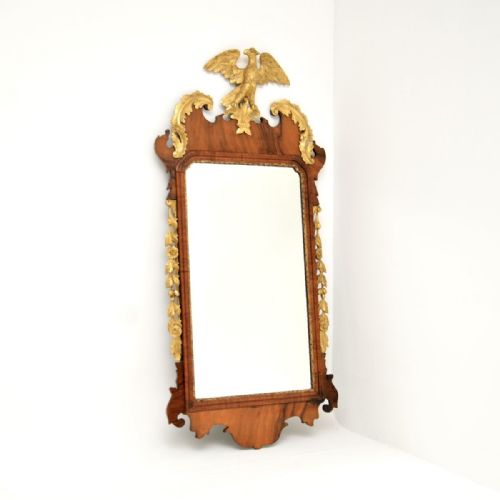
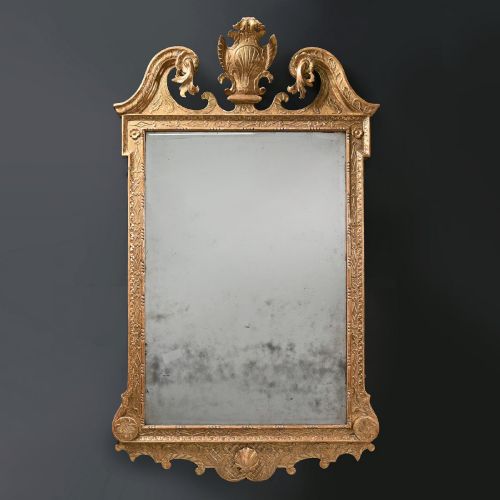
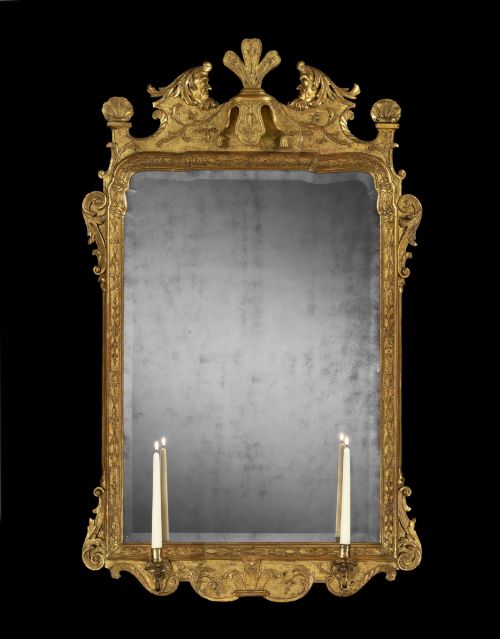
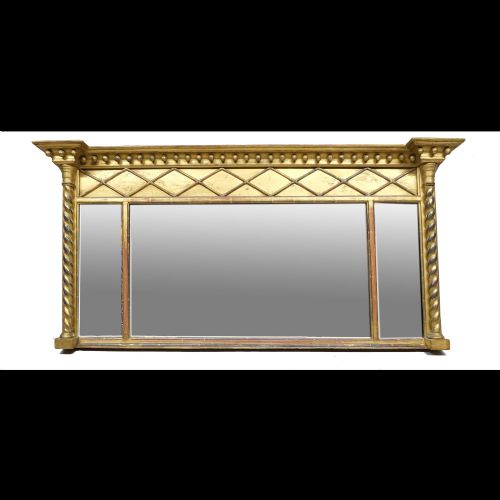
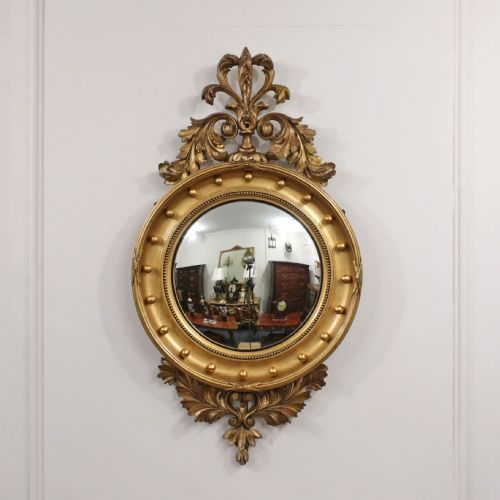
A georgian period gilt mirror is a wall hanging designed to reflect light and ornament a room, drawing on styles from the eighteenth century and subsequent revivals. The listings here present numerous examples, ranging from compact pier mirrors to large overmantel mirrors and circular convex formats.
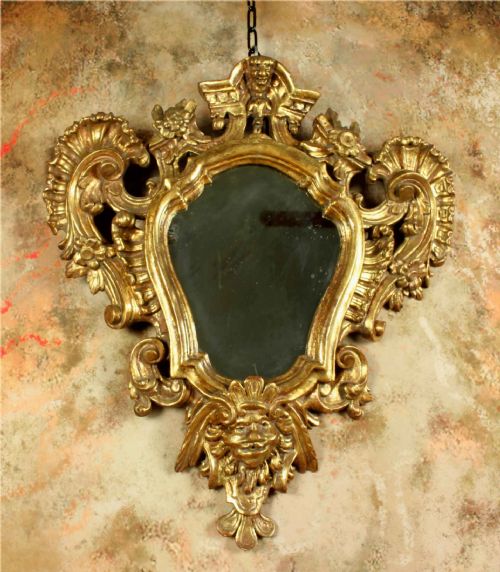
The objects frequently originate from the Georgian era alongside Regency and nineteenth or twentieth century revival periods. Forms include fretwork frames, architectural pier mirrors, and elaborate rococo or neoclassical designs.
Buyers most commonly encounter wall mirrors, overmantel mirrors, and convex mirrors featuring wood, gesso, and glass construction. These pieces serve both functional lighting roles and decorative purposes within domestic interiors.
Materials and construction methods
Makers shaped frames from woods such as mahogany, walnut, sycamore, and ebonised timber, often applying a layer of gesso to create smooth surfaces for carving. Gilding was achieved by applying gold leaf over the prepared gesso base.
Mirrors utilised glass plates, frequently incorporating original mercury plate or lightly foxed mirror glass. Fretwork frames required precise hand cutting of thin wood sheets, while larger overmantel and pier mirrors relied on sturdy joinery to support heavy glass.
Listings feature 18th Century, Regency, 19th Century, and 1920s periods, incorporating materials such as giltwood, gesso, mahogany, walnut, and brass.
Distinctions in quality
Quality rests in the crispness of the hand carving and the depth of the gesso detailing beneath the gold leaf. Superior pieces demonstrate balanced proportions and harmonious ornament, such as intact rococo scrolls or well-rendered architectural elements.
The preservation of original materials, including early glass plates with natural foxing and authentic gilding surfaces, distinguishes finer examples from later replacements.
William Kent·John Belchier
The Georgian Period Gilt Mirror Glossary
- Giltwood
- Wood that has been coated with gold leaf or gold paint. This technique provides a luminous metallic finish characteristic of formal decorative frames.
- Gesso
- A plaster mixture applied to wood frames to create a smooth surface for carving and gilding. It allows for intricate relief ornamentation.
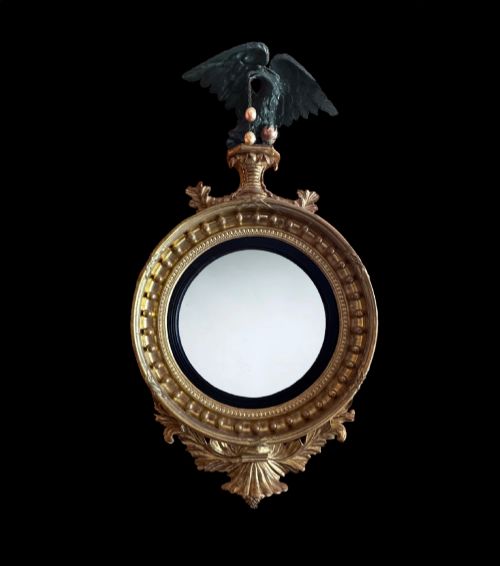
- Convex mirror
- A round mirror with a curved outward glass plate that provides a wide panoramic reflection of the room. These pieces were popular during the Regency period.
- Pier mirror
- A tall mirror designed to hang on the wall space between windows. They often match console tables and amplify natural light.
- Parcel gilt
- Woodwork that is partially gilded with gold leaf while other areas reveal the natural grain of woods like mahogany or walnut.
Georgian Period Gilt Mirror: Frequently Asked Questions
Where should I hang a convex mirror?
Convex mirrors work well in hallways, living rooms, and dining spaces where their curved glass can capture a wide angle of the interior.
Because they concentrate light and reflect the entire room, positioning them opposite a window or light source maximises their visual impact.
How do I clean an antique gilt mirror?
Dusting gently with a soft, dry brush is the safest method for maintaining fragile gesso and gold leaf surfaces.
Avoid using liquid cleaners or chemical sprays on the frame, as moisture and solvents can damage historical gilding.
What is the difference between a pier mirror and an overmantel mirror?
Pier mirrors are traditionally narrow and tall to fit the wall space between two windows. Overmantel mirrors are wider horizontal pieces designed to sit above a fireplace mantel.
Both forms utilise reflective glass to brighten rooms, but their distinct proportions suit different architectural locations.
How can I tell if the mirror glass is original?
Original antique glass often displays minor imperfections, slight distortion, and natural foxing such as dark spots or fading behind the plate. Modern replacement glass typically appears uniform, perfectly clear, and lacks these signs of age.