
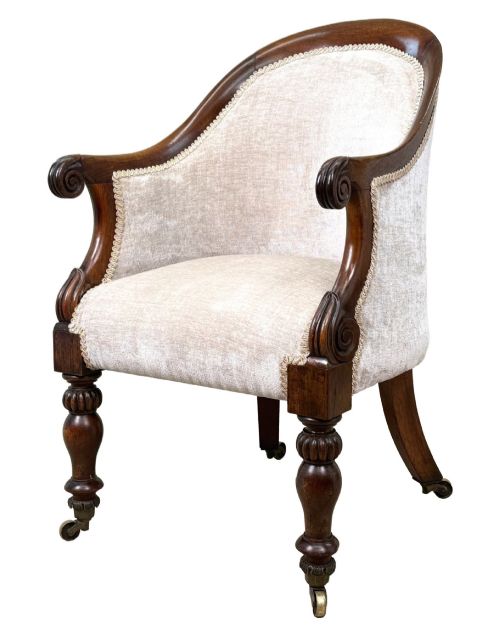
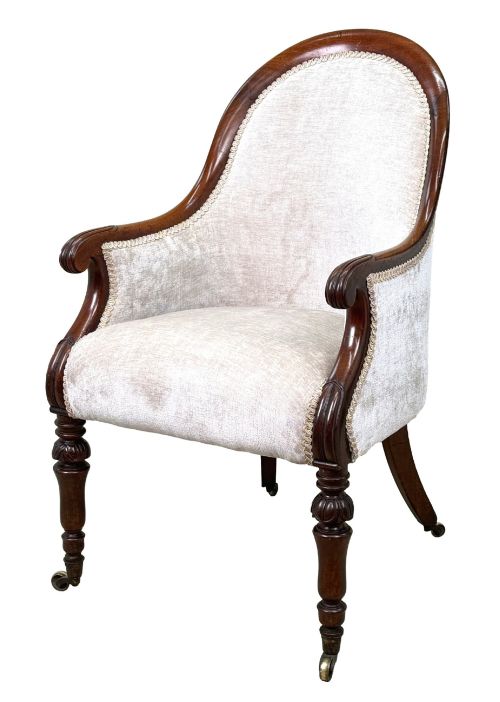
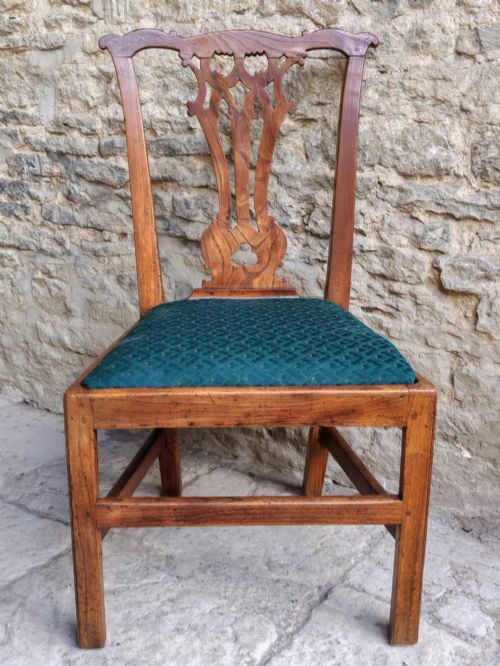
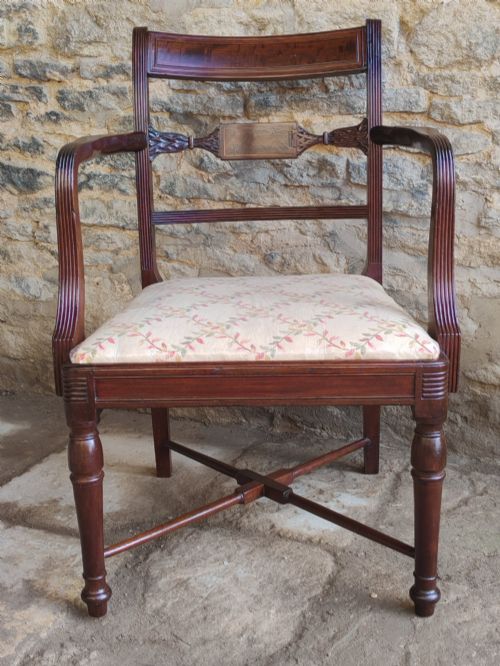
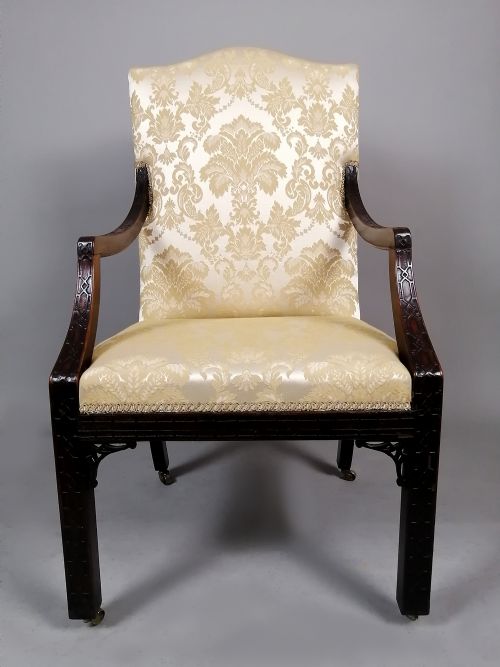
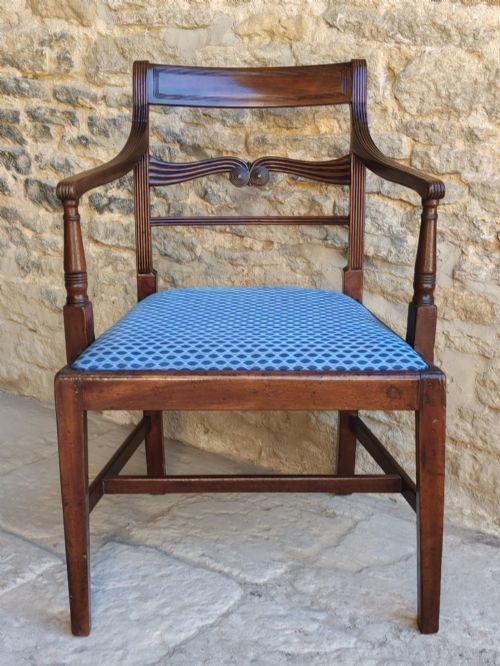
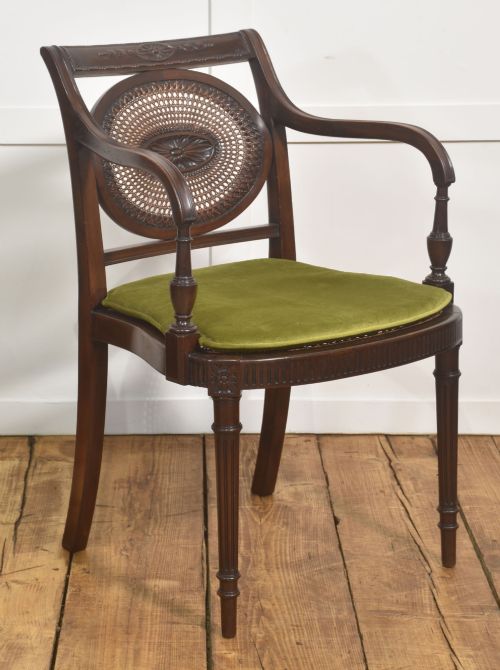
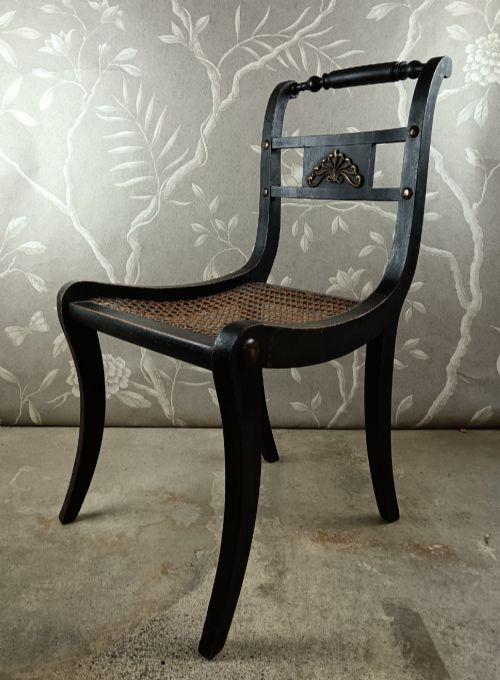
Georgian Period Desk Chair
A georgian period desk chair brings tactile warmth and structural dignity to a study, built for working long hours at a writing surface.
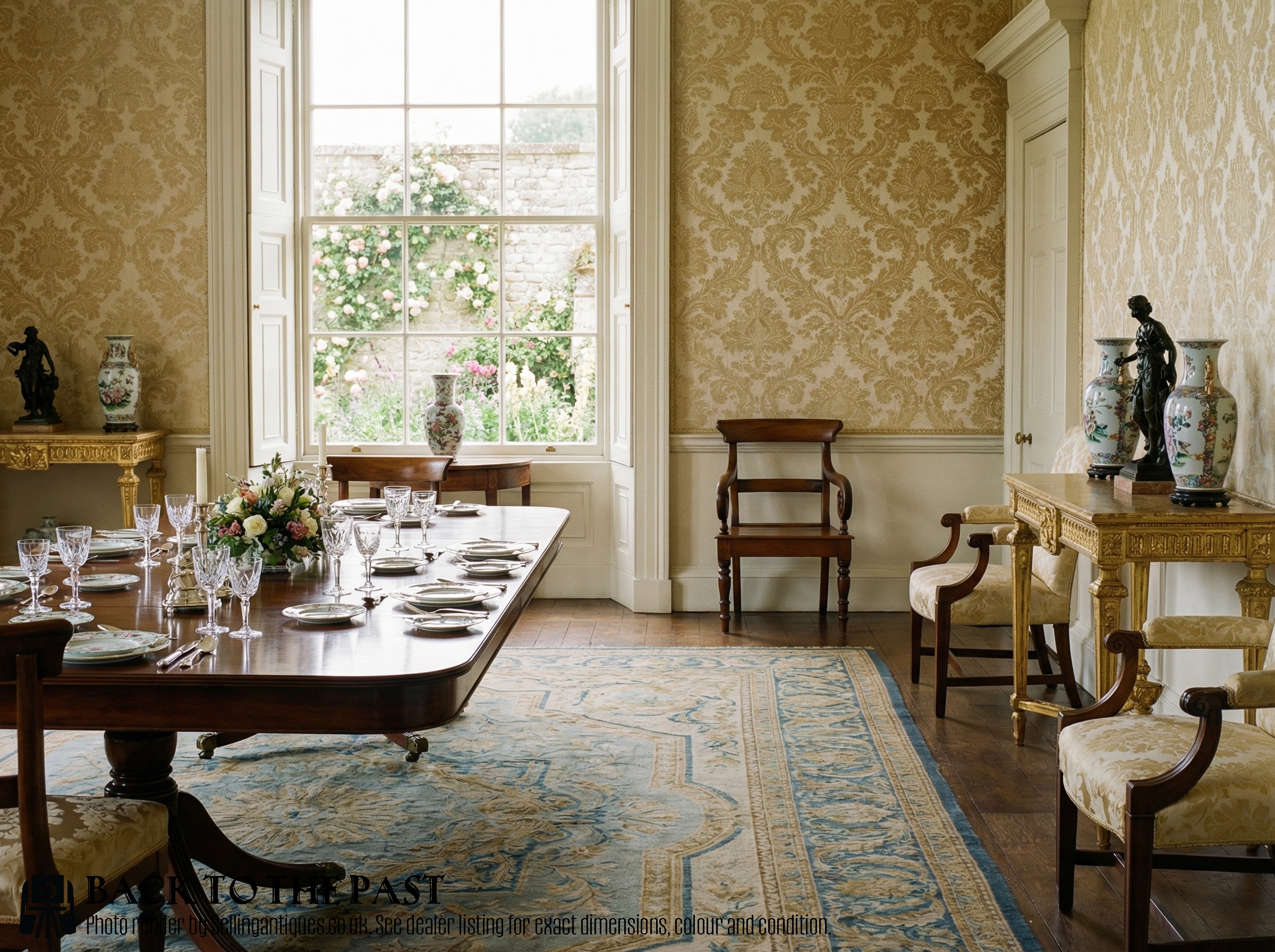
Georgian Period Desk Chair
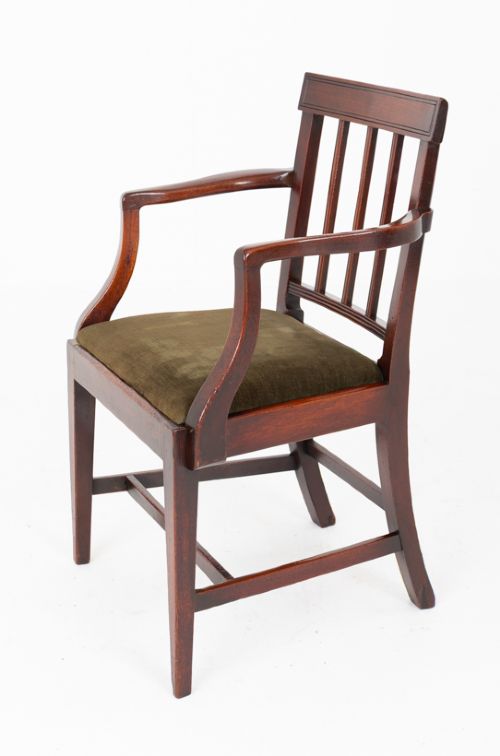
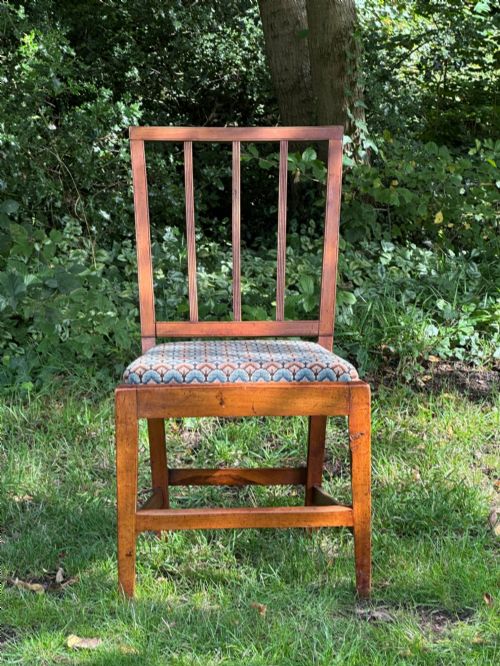
When you search for a georgian period desk chair, you encounter sturdy timber armchairs, carvers, and side chairs shaped across the eighteenth and nineteenth centuries. These pieces derive from regional workshops and urban cabinet makers operating through the Georgian, Regency, and William IV eras.
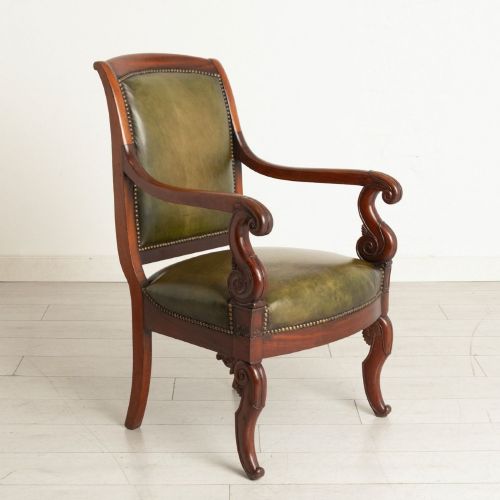
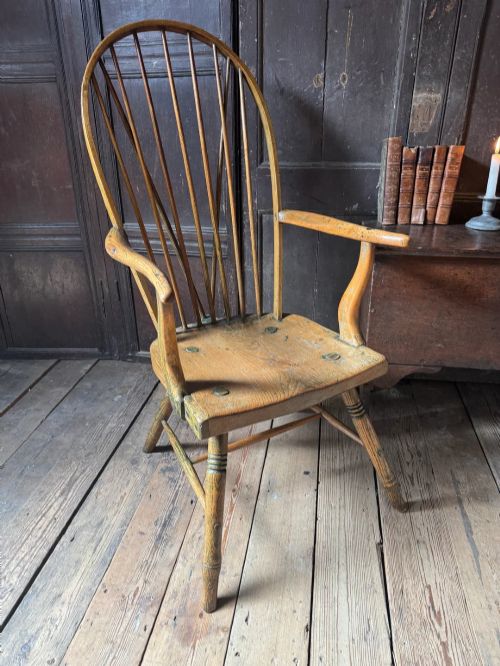
The selections on this page span robust country elm and ash windsors alongside formal mahogany library chairs and rosewood library armchairs. Buyers often meet carver chairs and elbow chairs designed to accommodate writing desks and morning room tables.
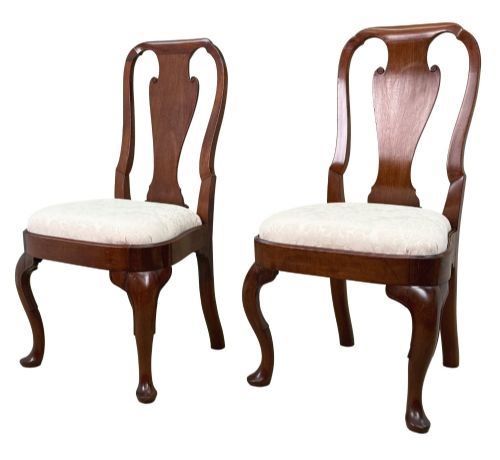
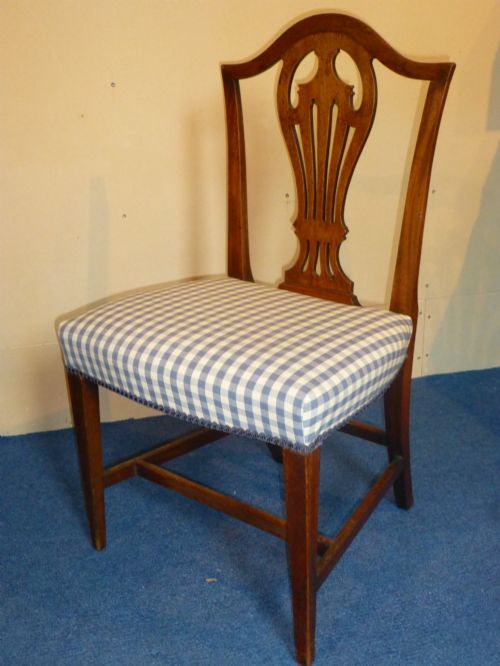
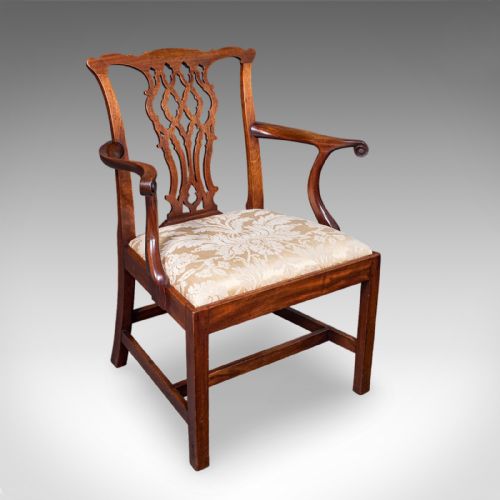
Origin points range from Scottish makers to West Country operations, capturing diverse stylistic turns including Chippendale, Hepplewhite, and Queen Anne influences. The forms bridge domestic utility and formal reception spaces with enduring practical application.
Materials and Construction
Makers shaped these seats primarily from solid hardwoods such as mahogany, walnut, fruitwood, elm, and birch, often incorporating secondary timbers for internal bracing. Frame construction relied on mortise and tenon joints secured by wooden dowels to withstand decades of daily use.
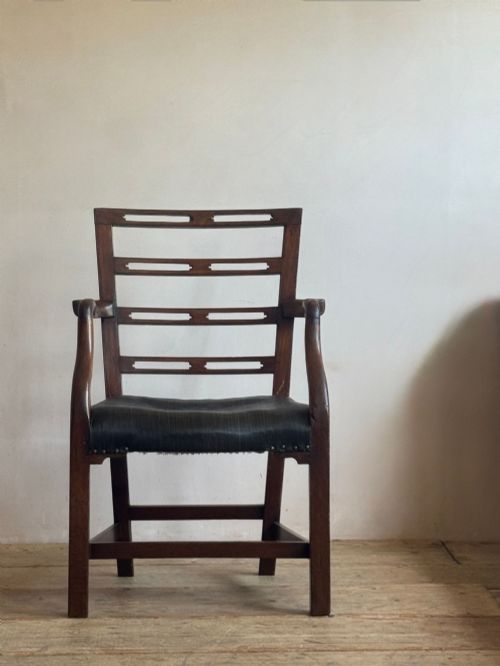
Upholstered variants integrate traditional stuffing secured over webbing, finished with leather, velvet, fabric, or textile covers held by brass tacks. Other examples feature rigid timber seats or cane panels woven directly into the wooden frames.
Listings feature mahogany, elm, fruitwood, oak, and rosewood alongside leather, velvet, and cane upholstery across the eighteenth and nineteenth centuries.
Defining Quality
Excellence in a georgian period desk chair rests on the crispness of hand-carved details, the selection of figured timber grain, and the integrity of the original joinery. Master cabinet makers achieved fluid lines in arm scrolls and back splats that lesser workshops rendered stiffly.
Proportion and stance dictate the visual weight of the chair, separating straightforward utility pieces from sophisticated library seating. The survival of original surface finishes and patination further elevates a piece above those stripped or heavily restored in later centuries.
The Georgian Period Desk Chair Glossary
- Carver chair
- An armchair, often designed with open arms to sit at the head of a table or beside a desk. These pieces match simpler side chairs in a dining or working set.
- Library chair
- A heavy, substantial armchair featuring upholstered armrests and seat pads for prolonged reading and writing. They typically employ mahogany or rosewood frames.
- Splat
- The vertical wooden strip down the centre of a chair back. Cabinet makers shaped these into fiddle, ladder, or pierced ribbon designs depending on the period style.
- Trafalgar leg
- A heavy, reeded or turned chair leg associated with the Regency period. They provide sturdy support for formal library and parlour seating.
Georgian Period Desk Chair: Frequently Asked Questions
How do I identify a Georgian desk chair?
Look for structural characteristics like solid mahogany or elm timbers, traditional joinery, and stylistic markers such as pierced splats or carved cabriole legs.
Compare the proportions and wood patination against known eighteenth and early nineteenth-century design conventions.
Were these chairs originally used at desks?
Many chairs described today as desk chairs functioned historically as library chairs, elbow chairs, or carvers positioned in studies and morning rooms.
Their open arms and sturdy frames suited administrative tasks and reading at large writing tables.
How should I care for leather upholstery?
Maintain leather seat pads by applying appropriate conservation balms to prevent drying and cracking over time.
Keep the chairs away from direct heat sources and strong sunlight to preserve the original surface colour.
Can I use antique chairs daily?
Solid timber construction and sturdy mortise joints allow these chairs to withstand regular everyday use in a modern study.
Check the stability of the frame and joints periodically to ensure safe seating without stressing fragile timbers.