

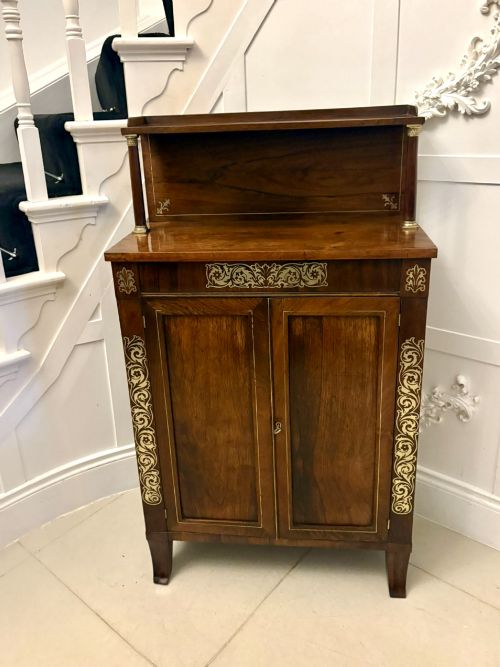
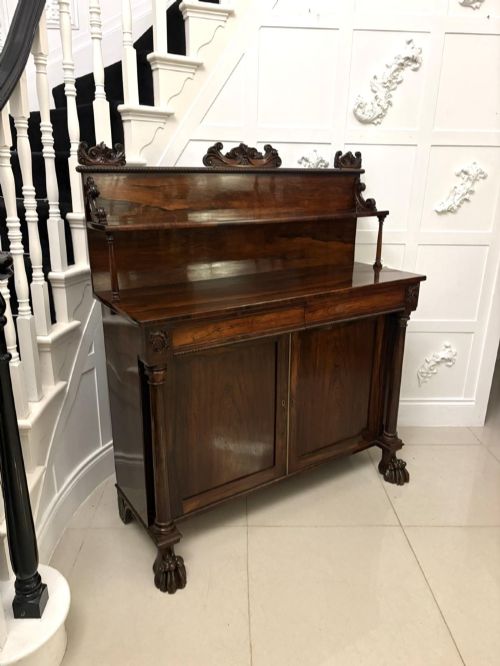
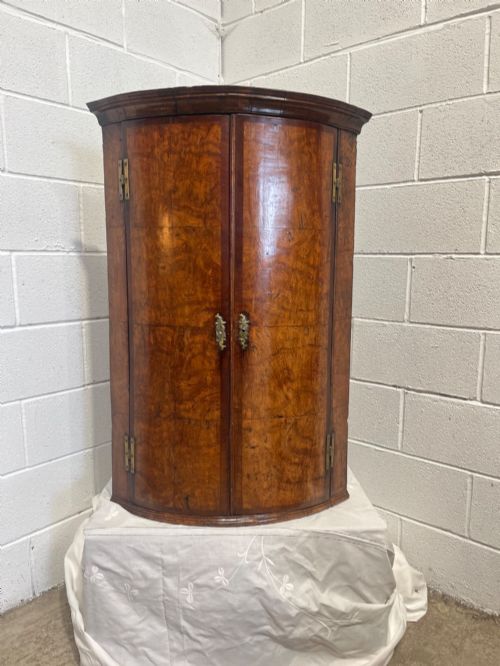
Georgian Period Cupboard
These pieces combine architectural presence with practical storage, offering timeless utility through traditional craftsmanship.
Georgian Period Cupboard
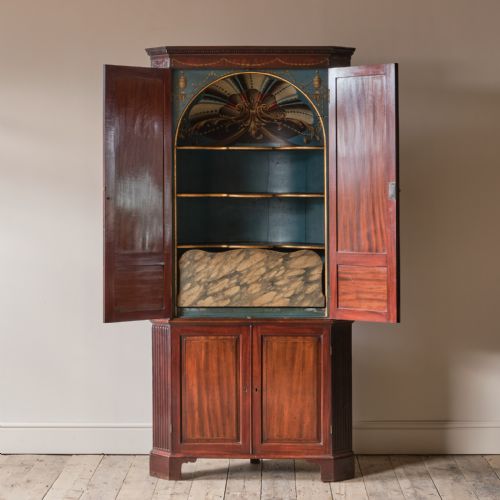
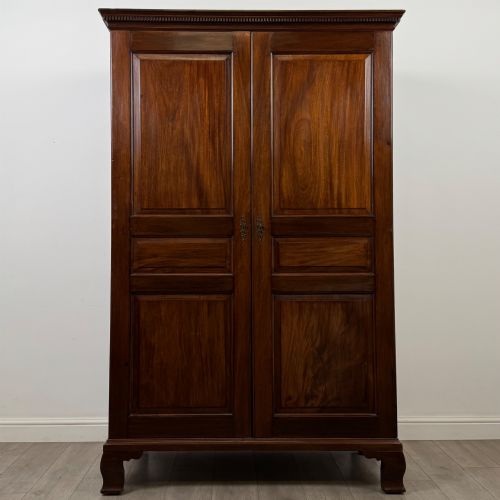
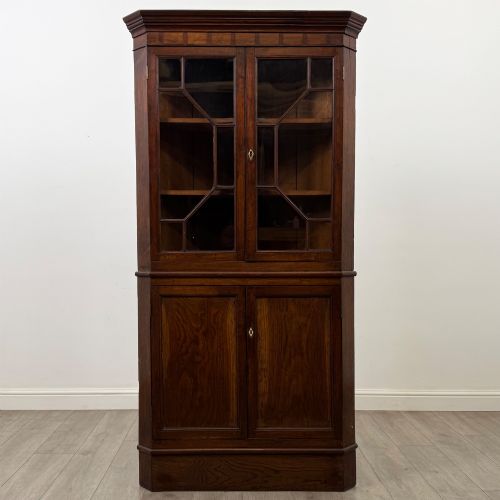
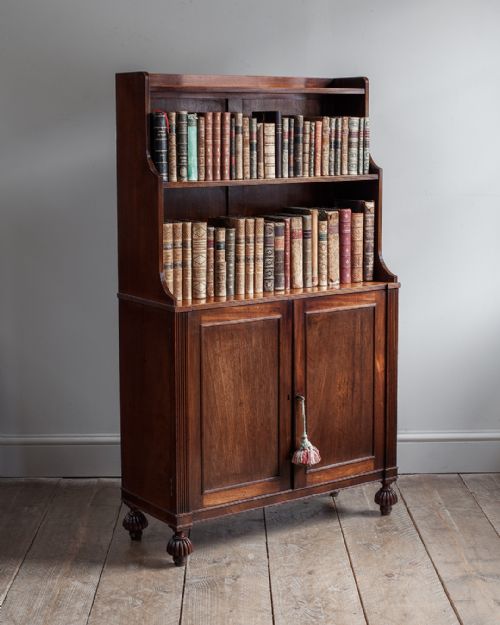
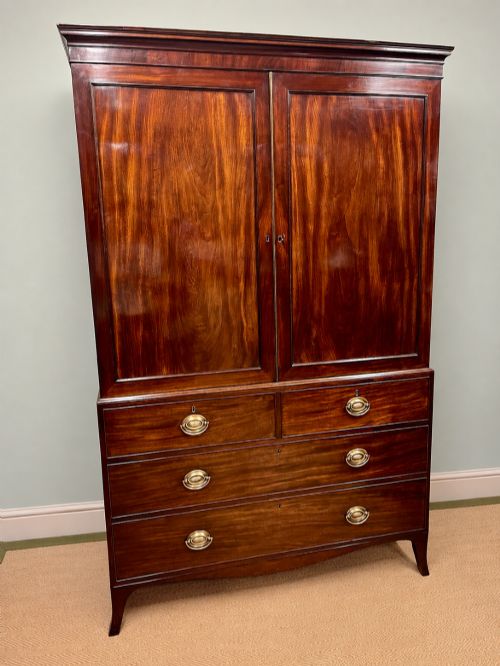
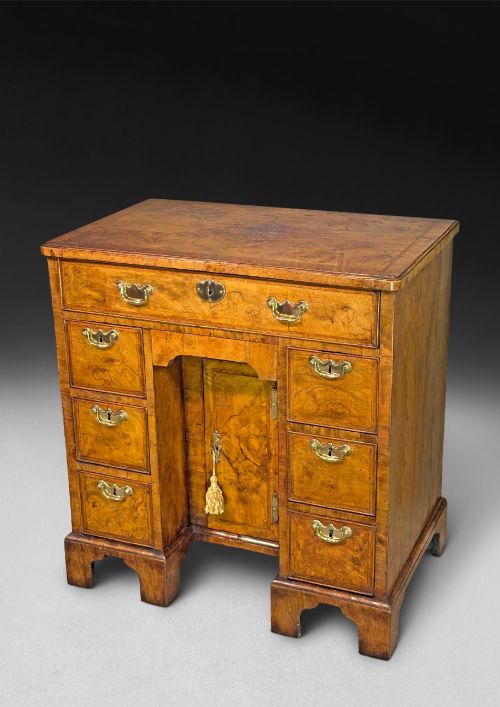
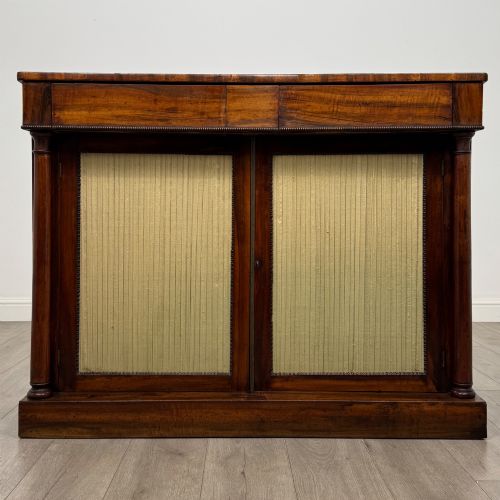
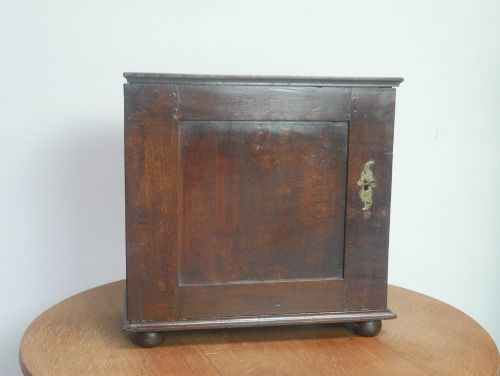
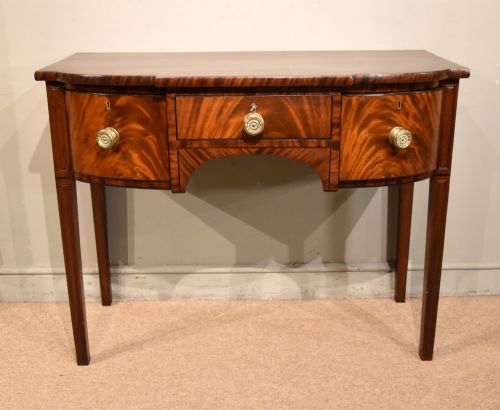
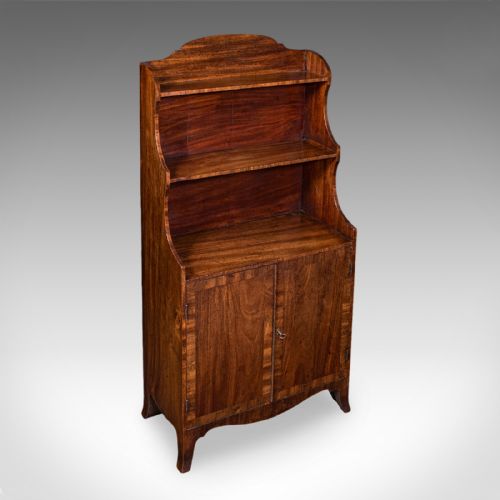
A georgian period cupboard provides structured timber storage spanning corner cabinets, bookcases, side cabinets, and linen presses created during the eighteenth and early nineteenth centuries.
Buyers frequently encounter oak vernacular pieces alongside mahogany and walnut designs reflecting Georgian, Regency, Chippendale, and Sheraton stylistic influences.
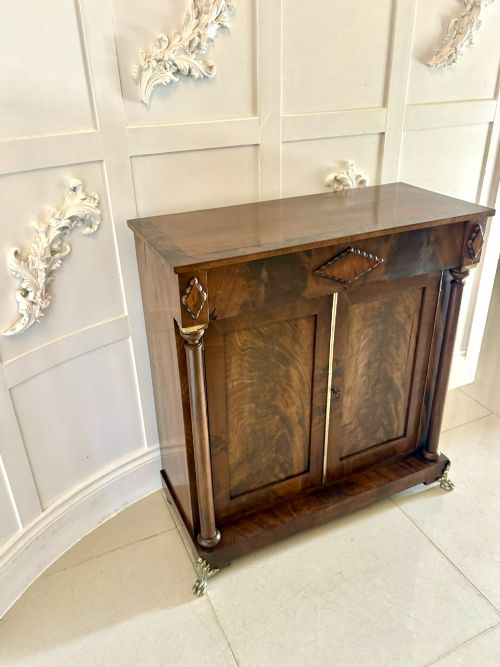
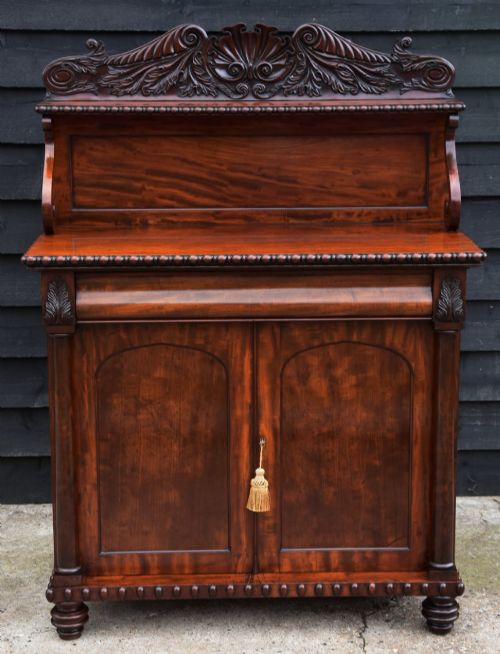
Forms range from wall-hanging spice cupboards and floor-standing corner units to large court cupboards and chiffoniers intended for domestic display and organisation.
Construction and Materials
Cabinet makers utilised solid oak, figured mahogany, walnut, and satinwood, often combining primary display timbers with secondary structural woods like pine.
Surface ornamentation relied on timber selection, brass mounts, glass paneling, and fine inlay work rather than heavy applied decoration.
Listings feature primary materials including oak, mahogany, walnut, satinwood, and rosewood alongside glass and brass elements.
Evaluating Quality and Character
The degree of refinement in timber figure, such as burr oak or figured walnut, separates standard utility furniture from exceptional cabinet work.
Construction integrity shows in traditional joinery methods, original brass hardware, and the preservation of historic surface patination.
Gillows
The Georgian Period Cupboard Glossary
- Chiffonier
- A low sideboard or cabinet featuring shelves or a small superstructure above, popular during the Regency period.
- Linen press
- A tall enclosed piece containing sliding trays or shelves for textiles, frequently set above a chest of drawers base.
- Corner cupboard
- A triangular cabinet designed to fit neatly into room angles, built for wall hanging or floor standing.
- Court cupboard
- A heavy oak storage piece with enclosed upper and lower sections, originating in earlier vernacular traditions.
- Patina
- The surface sheen and mellowing developed by antique timber over centuries of handling and environmental exposure.
Georgian Period Cupboard: Frequently Asked Questions
How do I identify a genuine Georgian cupboard?
Examine the timber species, construction joinery, and ageing characteristics to determine period authenticity. Regional oak pieces often display hand- cut pegs and traditional panel construction.
Familiarity with period proportions and hardware fixing methods helps distinguish original workshop pieces from later reproductions or heavily altered examples.
Where were corner cupboards placed in rooms?
Corner cabinets served to utilise awkward angles in dining rooms, parlours, and bedrooms. Wall-hanging versions saved floor space while storing ceramics or spices.
Floor-standing corner units provided substantial display capacity behind glazed or panelled doors without dominating the main wall area.
What is the difference between a chiffonier and a sideboard?
A chiffonier is typically more compact, often featuring a raised shelf structure on top and enclosed lower storage. They emerged strongly during the Regency era.
Sideboards generally offer a longer rectangular footprint designed primarily for serving food and storing dining room accessories.
How should I care for antique mahogany and oak?
Maintain stable indoor humidity levels and keep wooden furniture away from direct heat sources and strong sunlight. Regular dusting with a soft cloth preserves the finish.
Apply traditional beeswax sparingly to nourish dry timber surfaces and enhance the natural historical patina without creating buildup.