
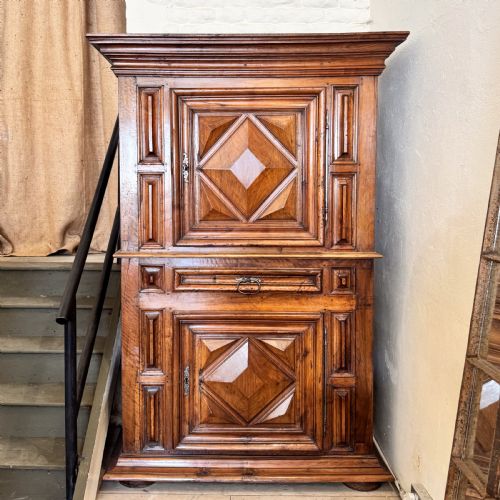
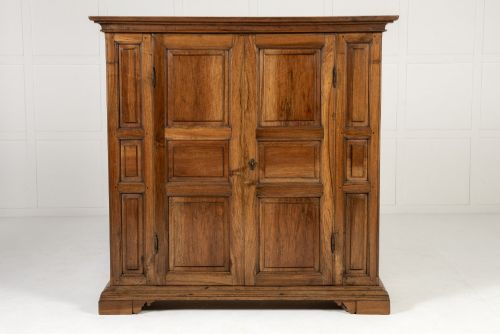


Antique Italian Storage Cupboard
An antique italian storage cupboard brings warmth and grounded utility into a room, offering robust timber construction paired with centuries of regional design.
Antique Italian Storage Cupboard
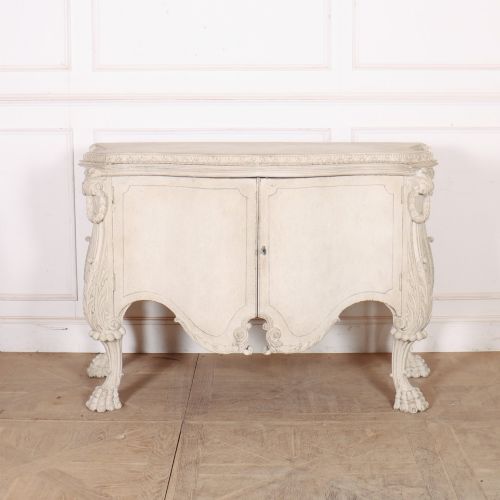
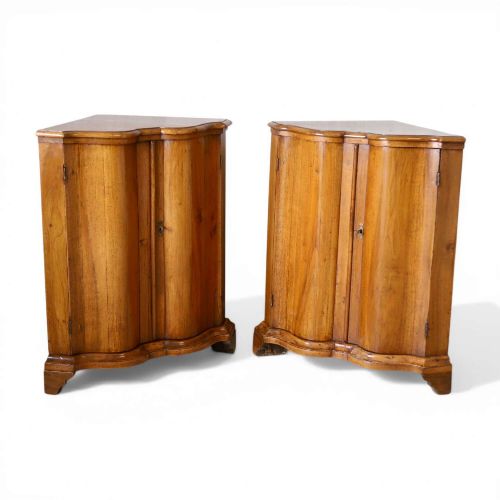
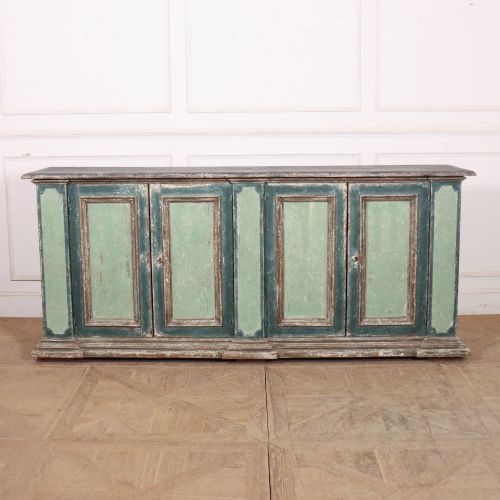
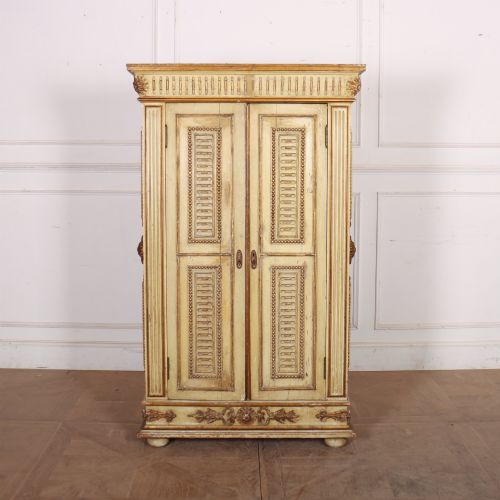
An antique italian storage cupboard encompasses various forms intended for domestic organisation, ranging from corner cabinets and sideboards to large wardrobes and armoires. Buyers searching this phrase encounter pieces spanning from the seventeenth century through the early twentieth century, reflecting diverse regional tastes across Italy.
Walnut is the predominant timber found among these listings, often shaped into stately Baroque or Provincial silhouettes. Alongside walnut, painted wood surfaces, gesso details, and polychrome finishes appear frequently, especially on marriage cupboards and Venetian cocktail cabinets.
Regional variations shape these objects significantly, with Tuscan pedestal cupboards and Venetian pieces offering distinct visual characteristics. Buyers often select between standing corner cabinets, side cabinets, and substantial linen cupboards depending on their domestic storage requirements.
How they were made
Makers utilised solid walnut alongside pine as a structural secondary timber, constructing carcasses with traditional joinery suited to heavy domestic use. Surfaces frequently received hand-carved ornamentation, adding relief work and architectural mouldings to the primary facades.
Painted finishes required the application of gesso and pigments directly to wood bases, creating decorated polychrome or muted painted surfaces. Iron and brass hardware, including hinges and locking plates, provided both functional security and decorative contrast to the timber and painted exteriors.
Listings feature periods from the seventeenth century through the 1930s, constructed predominantly in walnut, painted wood, and pine.
What varies in quality
The sophistication of the carved detail and the integrity of the original timber framing distinguish finer examples from simpler provincial work. Walnut cabinets featuring sculptural Baroque carving or balanced proportions demonstrate superior cabinet-making ambition.
The preservation of original painted surfaces and polychrome decoration alters the character and desirability of decorated cupboards. Intact historical patination across walnut panels and authentic metal mounts indicate a well-preserved piece.
The Antique Italian Storage Cupboard Glossary
- Walnut
- A dense, dark hardwood prized for its rich grain and durability, frequently utilised in Italian cabinet-making. It takes fine carving exceptionally well and forms the primary material for many eighteenth-century pieces.
- Polychrome
- Describes a decorated surface utilising multiple distinct colours, commonly seen on painted wardrobes and marriage cupboards. This technique allowed artisans to introduce pictorial or floral motifs.
- Gesso
- A plaster-like mixture applied to wood surfaces to prepare them for painting or gilding. It provides a smooth ground that accepts fine decorative detail.
- Pedestal cupboard
- A compact storage unit raised on a central base or pedestal, often associated with Tuscan workshops. These forms offer concealed shelving behind a single panelled door.
- Marriage cupboard
- A celebratory painted storage piece traditionally commissioned for nuptials. These examples frequently display heraldic motifs, floral decoration, or regional narrative scenes.
Antique Italian Storage Cupboard: Frequently Asked Questions
How do I clean walnut surfaces?
Dust the timber regularly with a soft, dry cloth to prevent particulate buildup on the carved details. Avoid modern silicone polishes that can degrade historical finishes over time.
Feed the dry walnut periodically with traditional beeswax to maintain the natural lustre and protect the grain. Keep the cupboard away from direct heat sources and strong sunlight to prevent timber splitting.
Can I use a corner cabinet in a small room?
Standing corner cabinets utilise neglected architectural angles efficiently, making them practical for compact spaces. They provide substantial interior storage without projecting deeply into the main floor area.
Measure the vertical height and wall clearance carefully before placement to ensure the cornice and doors clear adjacent mouldings. Their triangular footprint draws the eye upward, enhancing room proportion.
What is a marriage cupboard?
A marriage cupboard is a painted storage piece historically created to mark a wedding union in Italy. These cabinets often feature decorative floral motifs or symbolic imagery reflecting the families involved.
Over generations, these pieces served practical linen storage functions within the household. Today, their decorative painted surfaces make them focal points in contemporary bedroom or living spaces.
How do I distinguish eighteenth-century pieces?
Examine the interior construction, drawer linings, and backboards for hand-cut joints and tool marks consistent with period carpentry. Timber shrinkage and dry patination on internal walnut surfaces offer reliable clues to age.
Stylistic markers such as restrained Baroque or early Neoclassical proportions also help date the work. Compare the hardware fittings and hinge types against known regional examples.