


Georgian Pedestal Cabinet
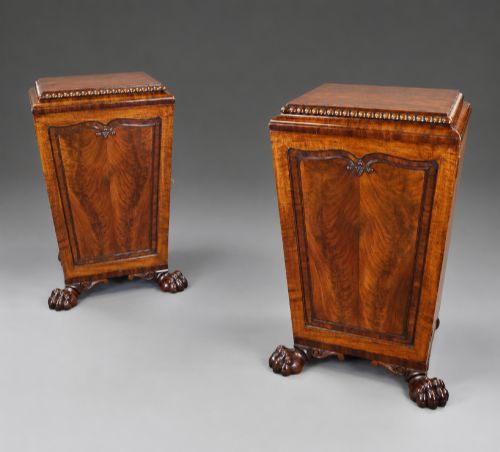
A georgian pedestal cabinet provides compact storage and architectural presence, uniting solid mahogany timbers with classical proportions.
Georgian Pedestal Cabinet
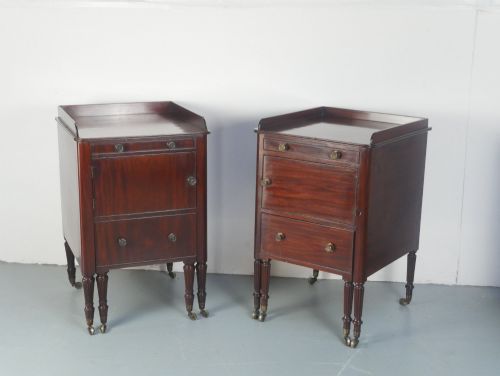
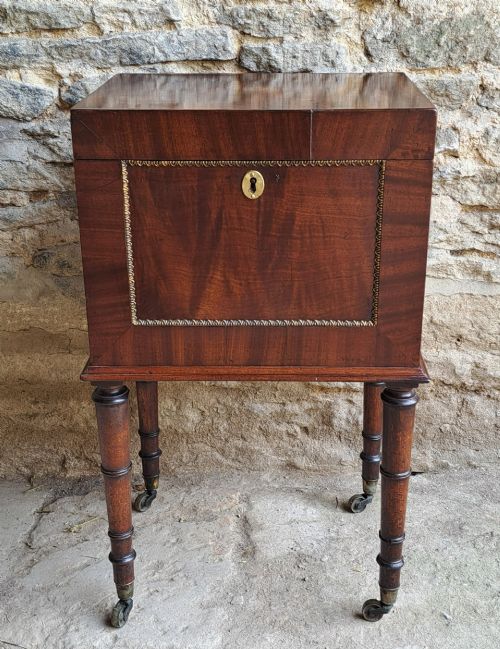
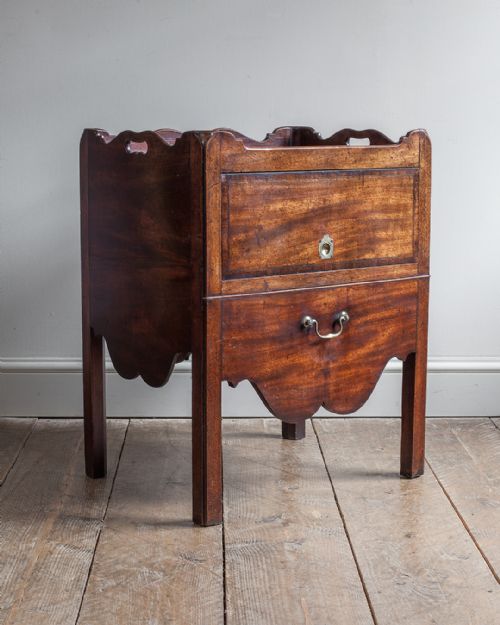
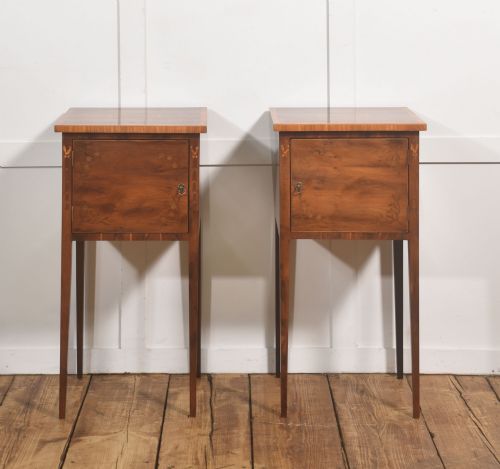
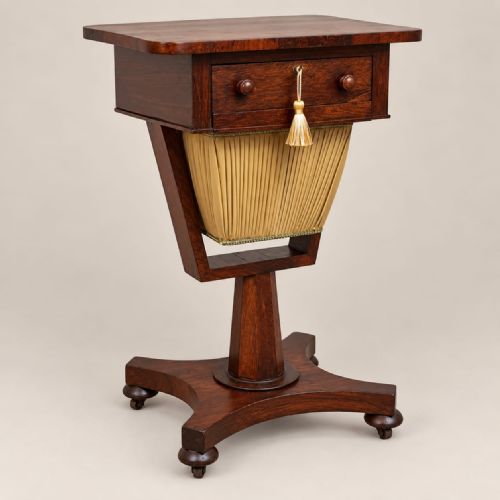
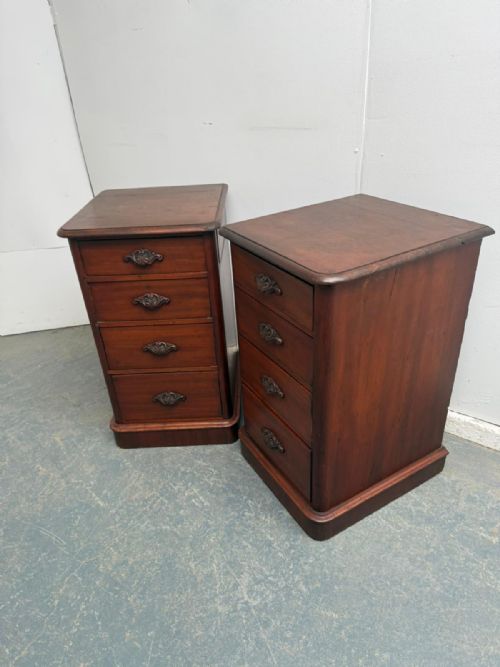
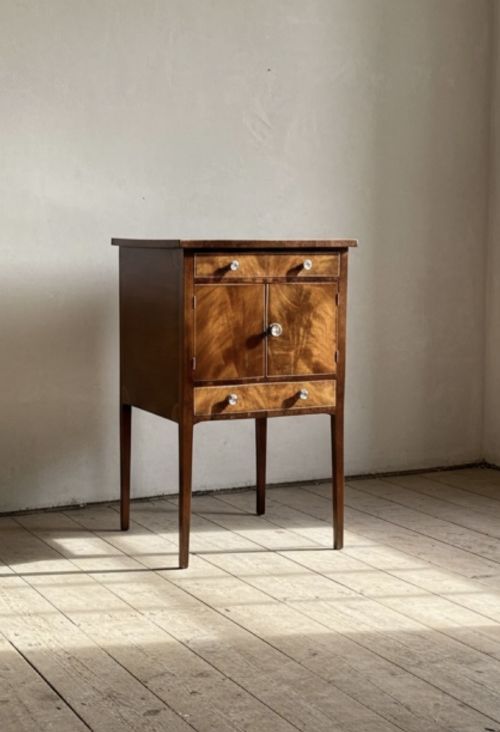
When searching for a georgian pedestal cabinet, buyers encounter robust storage furniture designed to sit beside a bed or within a larger dining and reception space. These pieces typically take the form of bedside cupboards, nightstands, and cylindrical pot cupboards originating from the eighteenth and nineteenth centuries.
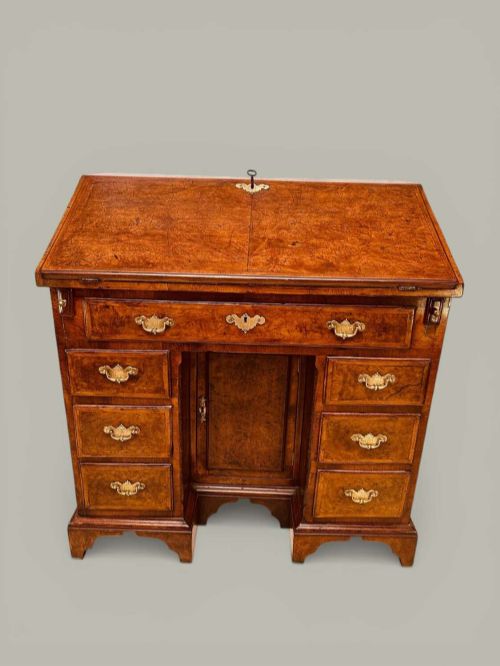
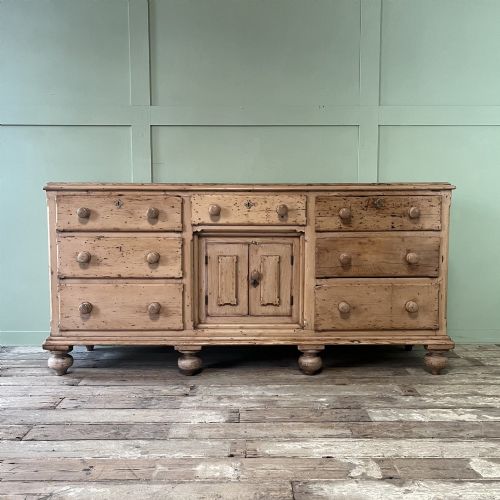
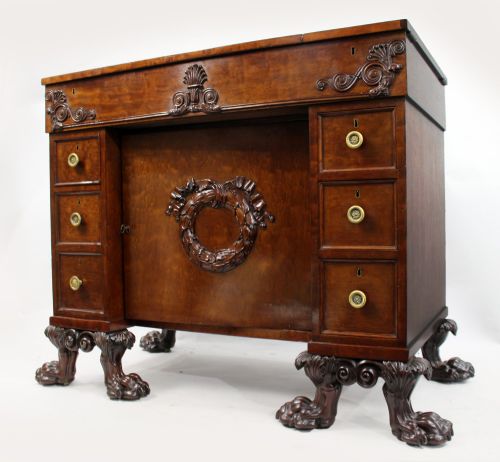
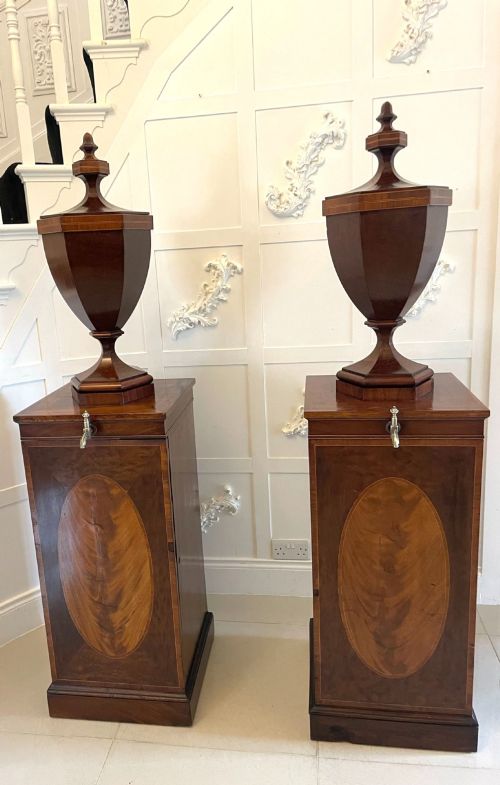
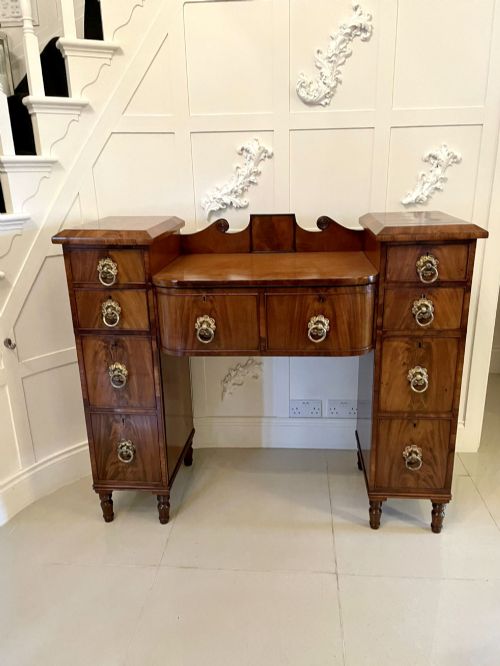
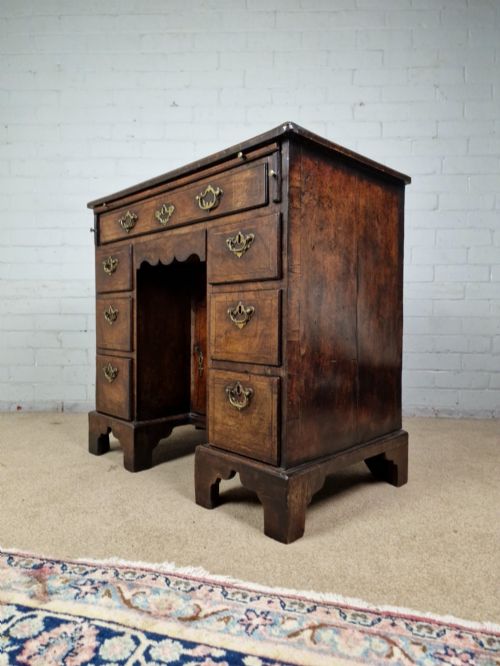
The inventory on this page spans distinct stylistic revivals alongside genuine period examples, incorporating related forms such as kneehole desks, sideboards, and wine urns on pedestal cupboards. Cabinets from the Georgian, Regency, and Edwardian periods appear frequently, reflecting both original manufacture and later revivals inspired by Sheraton and Chippendale designs.
Materials and construction
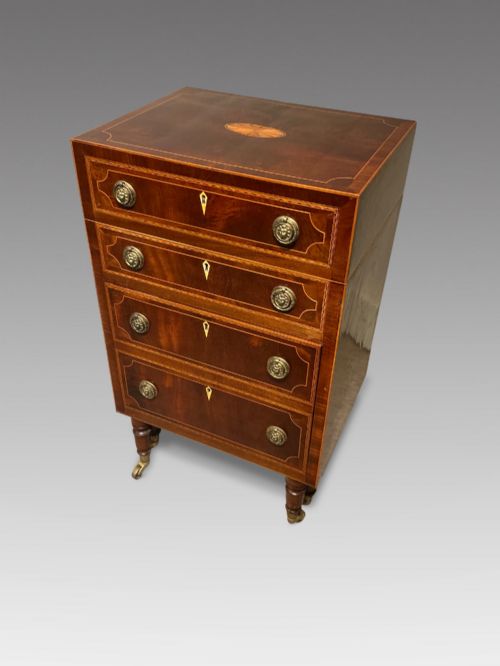
Cabinet makers relied primarily on solid mahogany and flame mahogany veneer, often accented with satinwood inlay, walnut, and fine brass hardware. Timber selection prioritised rich grain figures and deep natural warmth, finished with traditional wax polish to highlight the wood.
Construction techniques involved sturdy carcase building, dovetailed drawer boxes, and precise parquetry or marquetry for decorative surfaces. Many examples incorporate panelled doors, turned legs, and galleried tops designed to secure items safely.
Georgian Pedestal Cabinet Retail Price Guide 2026
Typical asking prices for georgian pedestal cabinet among the pieces listed under this phrase on Sellingantiques today, from the lower quarter to the upper quarter. They describe what is for sale here now, not the wider market.
Listings feature mahogany, satinwood, and walnut timbers across Georgian, Regency, and Edwardian periods.
Indicators of quality
Quality rests upon the crispness of timber figure, the integrity of the original construction, and the restraint of decorative inlay. Pieces displaying matched flame mahogany veneers and subtle brass fittings demonstrate superior cabinet making.
Proportion and surface preservation dictate the standing of individual items. Examples retaining their original timber patination and structural rigidity without excessive restoration command greater appreciation among collectors.
Holland and Sons·Gillows
The Georgian Pedestal Cabinet Glossary
- Flame mahogany
- A highly figured timber veneer prized for its distinctive flickering grain pattern resembling flames. Cabinet makers applied this to prominent door panels and drawer fronts.
- Pot cupboard
- A compact bedside cabinet originally designed to house a chamber pot. These pieces feature an enclosed door and often a galleried top.
- Marquetry
- The art of creating decorative patterns on furniture using thin veneers of different coloured woods. Sheraton Revival pieces frequently display this technique.
- Kneehole desk
- A writing table featuring a central recess for the user's legs, flanked by pedestals containing banks of small drawers. They represent a sophisticated development of the pedestal form.
Georgian Pedestal Cabinet: Frequently Asked Questions
What is a pedestal cabinet used for?
These cabinets serve primarily as bedside storage or compact living room side tables. Their enclosed cupboards and drawers hold night-time essentials while maintaining a tidy surface.
Historically, similar forms functioned as pot cupboards or nightstands in grand Georgian bedchambers. Today, they adapt easily to modern interiors requiring small-scale storage with traditional character.
How do I identify a Georgian piece?
Genuine Georgian pieces exhibit dense mahogany timbers, hand-cut dovetails, and understated classical proportions. Secondary woods like pine or oak often appear inside drawer linings.
Distinguishing original pieces from later Sheraton Revival or Edwardian copies requires examining timber oxidation, tool marks, and construction methods. Revivals often use brighter satinwood or standardised machine-cut joints.
Are these cabinets sold in pairs?
Many bedside cabinets and pedestals appear as matched pairs, which proves desirable for symmetrical bedroom layouts. Single pieces also feature prominently across the collection.
Pairs often show subtle variations in timber grain or dimension if they were assembled as close matches rather than cut from the same tree.
How should I care for mahogany furniture?
Maintain mahogany surfaces by dusting gently with a dry cloth and applying natural beeswax polish sparingly. Avoid placing cabinets near direct heat sources to prevent timber splitting.
Protect the polish from moisture and alcohol by using coasters on tabletops. Regular gentle maintenance preserves the rich colour and historical patination of the wood.