

Georgian Painted Furniture
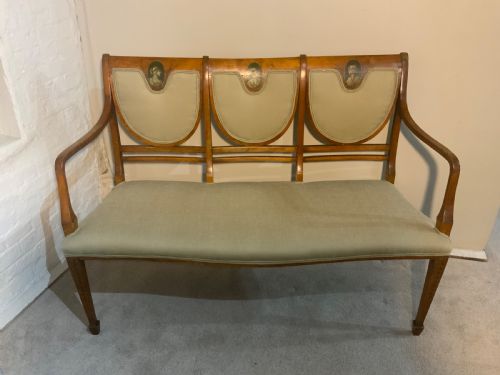
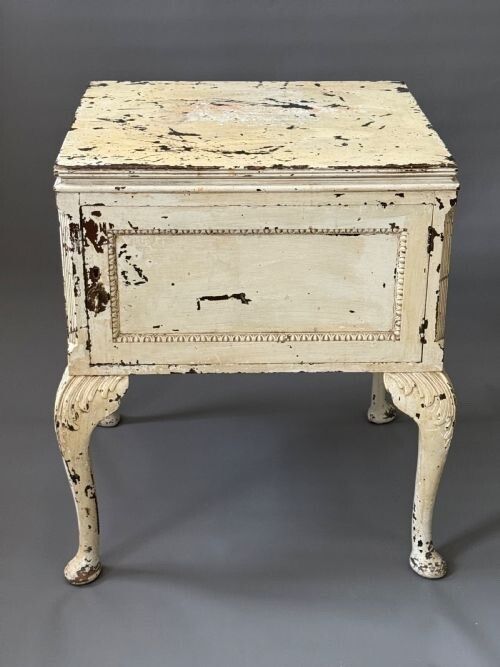
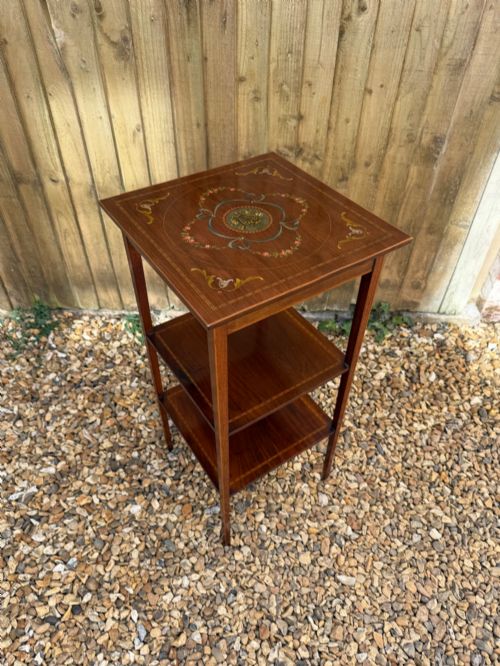
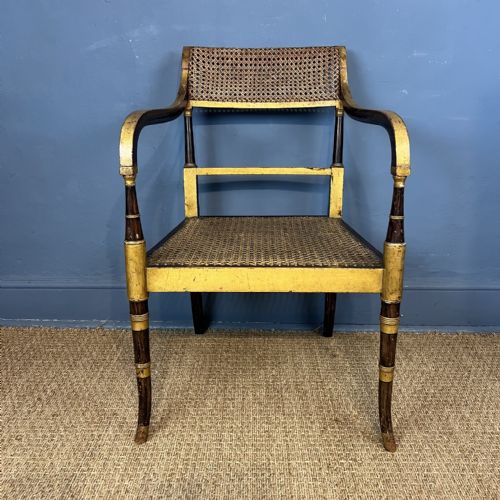
Georgian painted furniture brings vibrant colour and character into a room through surviving pieces executed in pine, satinwood, and mahogany.

Georgian Painted Furniture
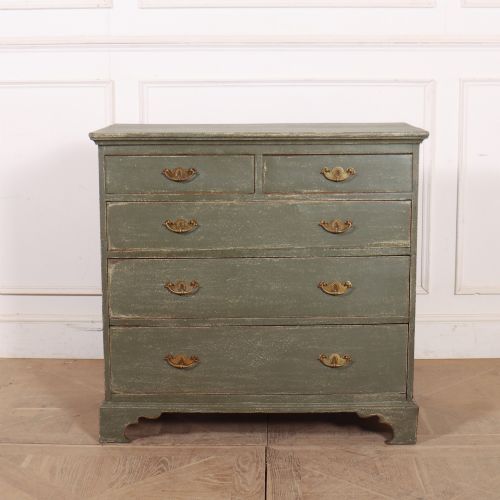
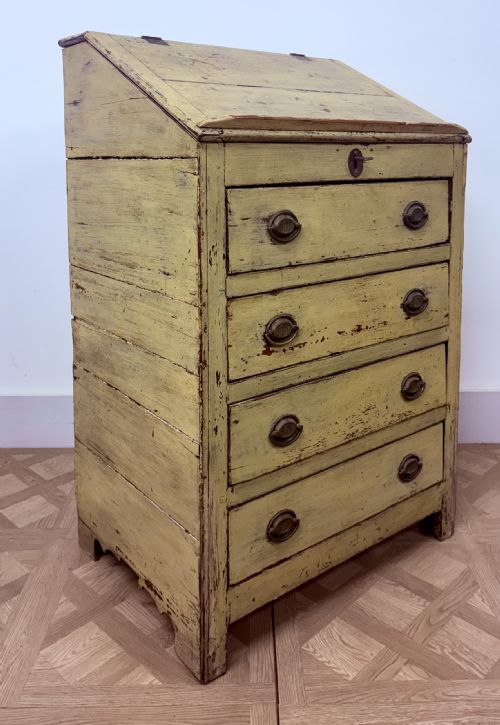
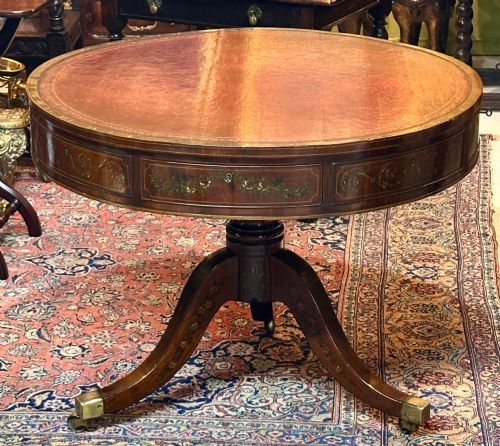
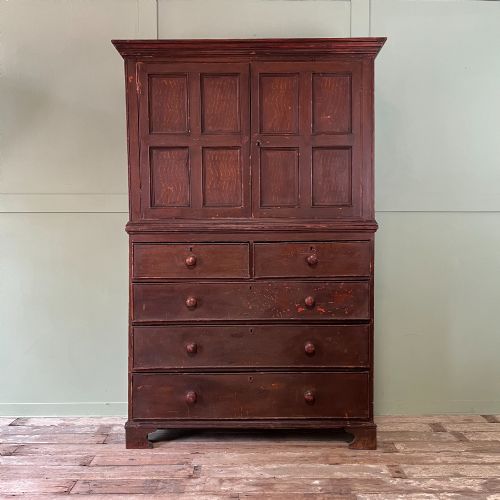
When you search for georgian painted furniture, you encounter a diverse selection of practical domestic forms spanning desks, chests of drawers, armchairs, and dressers. These items originate predominantly from the eighteenth and nineteenth centuries, with later revivals appearing in twentieth-century incarnations.
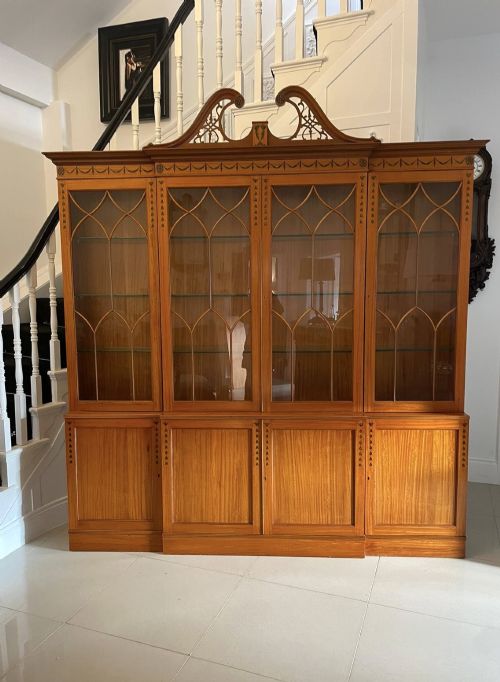
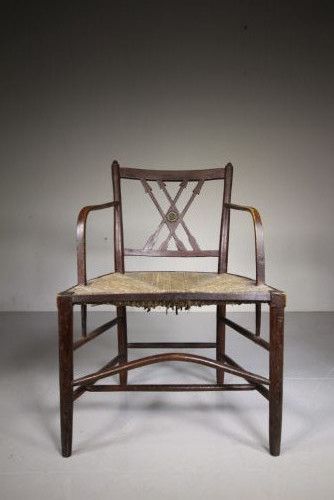
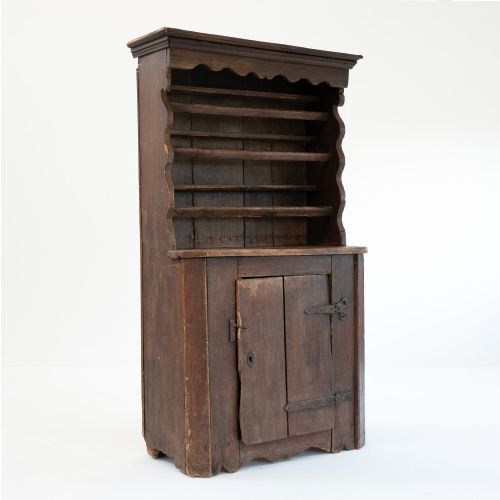
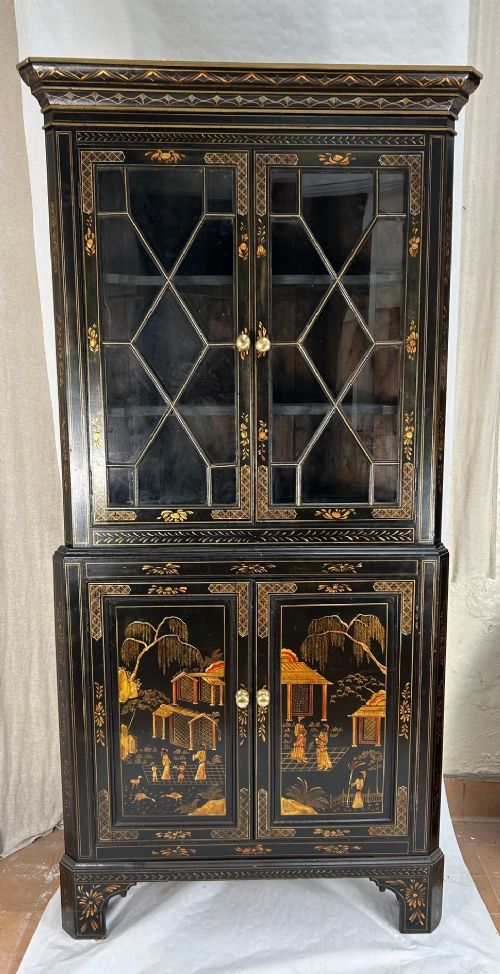
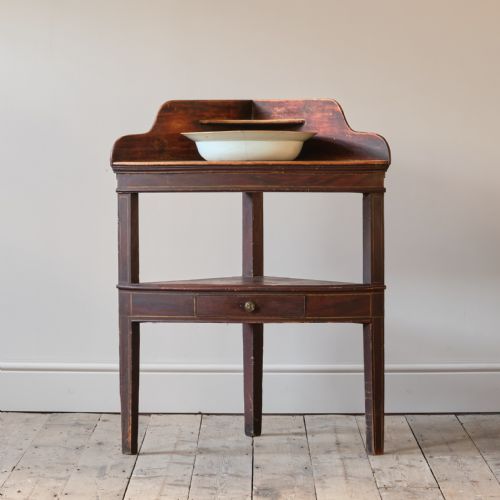
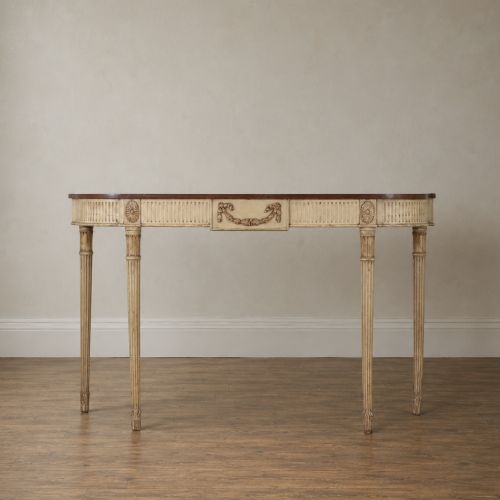
The objects frequently take the form of corner cupboards, bedside cabinets, and side tables, reflecting the practical domestic storage and surface needs of period interiors. Pieces range from grand breakfront display cabinets to provincial farmhouse dressers and washstands.
Regional variations emerge clearly across the selection, encompassing English country pieces, Irish presses, and continental benches. This mix demonstrates how finishing surfaces with paint was practiced across different social strata and geographic areas.
How they were made
Makers utilised primary structural woods such as pine, oak, mahogany, and satinwood, often applying pigmented finishes directly over the timber or over a prepared ground. Brass hardware, glass panes, and parcel gilding frequently complemented the decorated surfaces.
The decorative techniques range from hand-painted floral motifs and strapwork to lacquering in the Chinoiserie taste and simulating exotic timbers like rosewood. Surface decoration was applied either during the original construction or through later decorative campaigns.
Cabinetmaking construction adhered to traditional joinery methods, visible in dovetailed drawer boxes and panelled doors. These sturdy carcases provided stable foundations for intricate paintwork and gilt details.
Georgian Painted Furniture Retail Price Guide 2026
Typical asking prices for georgian painted furniture among the pieces listed under this phrase on Sellingantiques today, from the lower quarter to the upper quarter. They describe what is for sale here now, not the wider market.
Listings feature eighteenth-century and nineteenth-century pieces alongside twentieth-century revivals, constructed from satinwood, mahogany, pine, and oak.
What varies in quality
The distinction between tiers rests upon the preservation of original decorative schemes versus later surface embellishments. Pieces retaining their initial polychrome or monochrome paint layer hold greater historical integrity than those repainted in subsequent eras.
Subtlety of craftsmanship in both the underlying woodwork and the finesse of the brushwork dictates the standing of an item. Refined satinwood pieces with delicate floral details contrast with robust, utilitarian pine furniture intended for provincial houses.
The harmony between form and ornament governs visual success, where structural proportions support the painted or lacquered schemes without appearing cluttered.
Maple & Co.
The Georgian Painted Furniture Glossary
- Satinwood
- A lustrous tropical timber with a fine grain, frequently utilised in high-end cabinetmaking for decorative veneers and painted surfaces. It provides a pale, smooth background that accepts fine brushwork exceptionally well.
- Chinoiserie
- European decorative style inspired by Chinese artistic traditions, characterised by motifs such as figures, pagodas, and landscapes rendered in lacquer. It gained immense popularity during the eighteenth century.
- Potboard Dresser Base
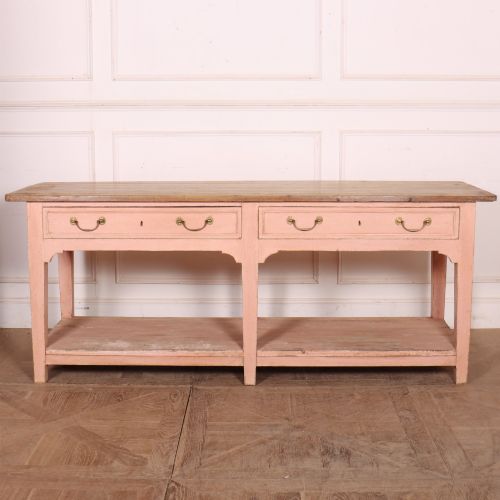
- A kitchen or dining room sideboard featuring an open lower shelf used historically for storing pots and earthenware. These sturdy bases form a staple of vernacular country furniture.
- Parcel Gilt
- Partial application of gold leaf or gilt paint to highlight specific architectural or decorative details, such as mouldings and carved elements. This technique adds contrast against dark or painted timber grounds.
- Breakfront
- A cabinet or sideboard whose central section projects forward from the flanking outer sections. This architectural arrangement creates depth and visual rhythm on large display pieces.
Georgian Painted Furniture: Frequently Asked Questions
How do I identify original paint?
Original painted surfaces show natural craquelure, wear patterns consistent with age, and pigment integration into the wood pores. Examination under magnification often reveals cumulative layers of historical dust and wax.
Later overpainting generally feels uniform, sits heavily on top of earlier finishes, and lacks the integration found in authentic period work.
Where were these pieces used?
Georgian painted furniture served domestic functions across various rooms, from grand drawing rooms and bedrooms to provincial farmhouses and country houses. Smaller items like bedside cabinets and washstands equipped private chambers, while larger dressers furnished kitchens and pantries.
The versatility of painted finishes allowed makers to adapt furniture styles for formal urban townhouses as well as rural retreats.
How do I care for painted wood?
Maintain stable environmental conditions with moderate humidity and protect surfaces from direct sunlight to prevent paint flaking and timber splitting. Dust gently with a dry, soft cloth rather than utilising liquid cleaners.
Avoid abrasive polishes that can lift delicate pigments or modern lacquers. Consult a conservator if structural consolidation or surface stabilization becomes necessary.
What is George III style?
The George III period spans the long reign of the third king, encompassing neoclassical restraint, refined satinwood veneering, and delicate hand-painted ornamentation. Furniture from this era often exhibits classical proportions inspired by architects like Robert Adam.
Later revivals in the nineteenth and twentieth centuries reinterpreted these graceful lines using contemporary materials while retaining the characteristic aesthetic.