


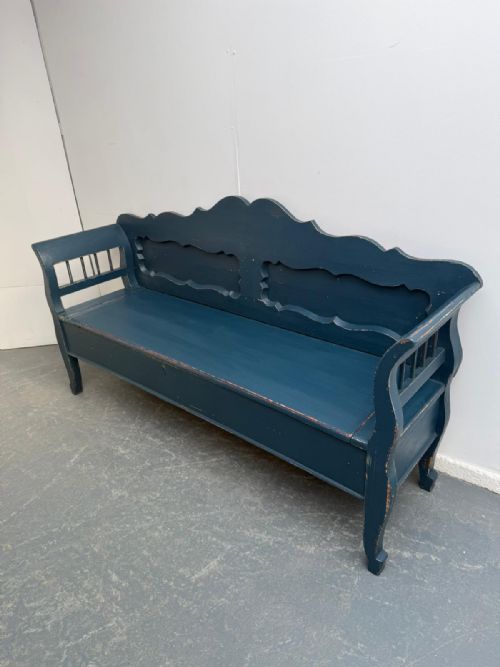
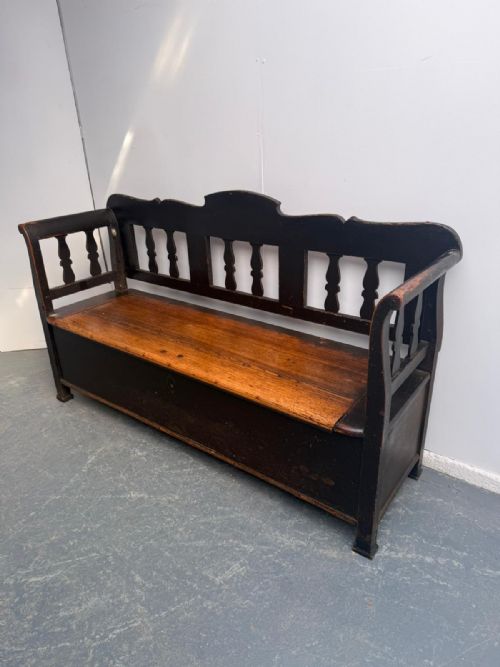


Georgian Painted Bench
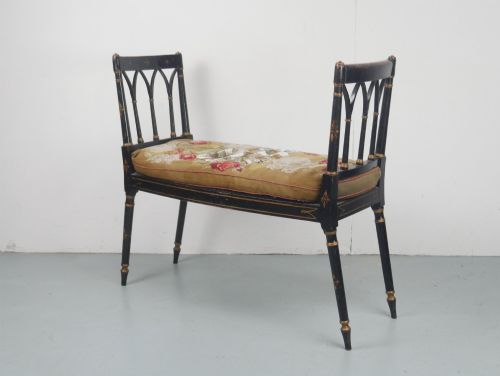
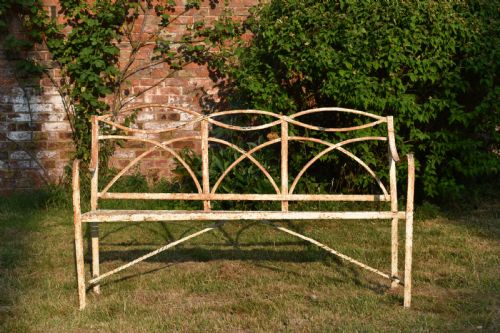
A georgian painted bench brings immediate character to a hallway or garden with its weathered surface and time-honoured proportions.
Georgian Painted Bench
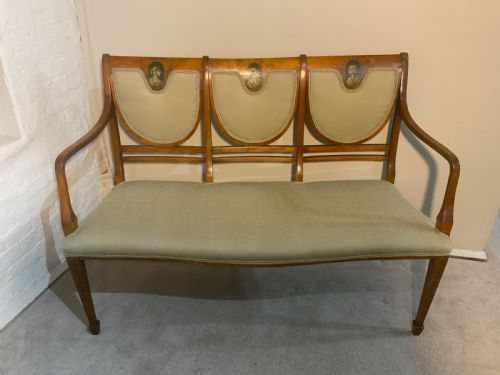
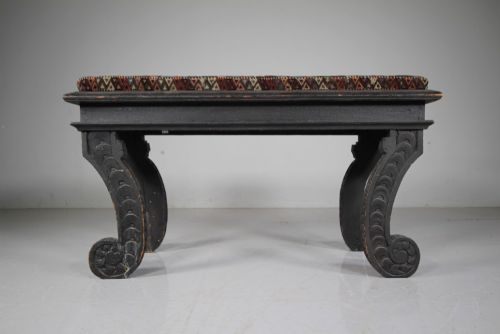
A georgian painted bench encompasses a range of seating forms including settles, tavern benches, window seats and garden benches spanning the eighteenth and nineteenth centuries. You will most frequently encounter pine and oak pieces finished in original painted surfaces, often showing regional English, Welsh or Hungarian folk art traditions.
The utility of these items stretches from high-backed tavern settles designed to block draughts to slender window seats and folding chair tables. Makers utilised native timbers, shaping them into three-seater benches or compact footstools that served practical daily needs in domestic and public spaces alike.
Stylistic influences range from austere vernacular country designs to refined Regency neoclassical strapwork and gilt finishes. This breadth allows the buyer to select between rustic scumble pine surfaces and more formal satin wood or mahogany forms.
How They Were Made
Construction relies primarily on solid pine, oak, and occasionally mahogany, shaped with hand tools into sturdy framing and panel work. Blacksmiths provided essential reinforcement through wrought iron brackets and fastenings, particularly on garden and tavern examples.
Surface finishes are integral to the piece, featuring original paint, scumble glazes, and occasional accents of gold leaf. Upholstered variants incorporate fabric and velvet padding over internal webbing and stuffing.
Georgian Painted Bench Retail Price Guide 2026
Typical asking prices for georgian painted bench among the pieces listed under this phrase on Sellingantiques today, from the lower quarter to the upper quarter. They describe what is for sale here now, not the wider market.
Periods represented stretch from early eighteenth-century tavern benches through Regency neoclassical forms to late Victorian country variants.
What Varies in Quality
The survival of original surface finishes dictates much of the distinction between examples, with untouched historic paint holding greater integrity than later overpainting. Artisanal execution in the timber joinery and the subtlety of folk art detailing also elevate specific pieces.
Proportion and scale influence desirability, particularly in vernacular seating where neat dimensions and balanced arm or back assemblies are sought after. The presence of structural alterations or replaced timber elements modifies the overall character of the piece.
Miles and Edwards
The Georgian Painted Bench Glossary
- Settle
- A wooden bench with a high back, solid arms, and often a storage box beneath the seat, designed to keep out draughts. These pieces were staples in taverns and farmhouse kitchens.
- Scumble
- A decorative painting technique where a translucent glaze is dragged over a base coat to imitate the grain of more expensive woods or create mottled textures. It was widely used on vernacular pine furniture.
- Strapwork
- An ornamental motif composed of flat, interlaced bands resembling leather straps, frequently found on Regency and neoclassical furniture. This detail adds architectural structure to frames and garden benches.
- Curule
- An ancient chair shape featuring two pairs of curved legs crossing in an X-frame. In nineteenth-century interpretations, this form was adapted for luxury footstools and window seats.
- Lambing chair
- A hooded or high-backed wooden armchair, sometimes incorporating a table arm, traditionally used by shepherds or farmers. These vernacular forms provide enclosed seating near hearths.
Georgian Painted Bench: Frequently Asked Questions
How do I identify original paint?
Original painted surfaces display natural craquelure, consistent wear patterns around high-touch areas like armrests, and multiple underlying layers visible through minor losses.
Secondary or modern paint applications often feel uniform, lack historic patination, and sit heavily over the timber grain without proper adhesion.
What is a scumble finish?
A scumble finish is a decorative painting method where a darker translucent glaze is manipulated over a lighter ground colour to simulate richer wood grains or aged patination.
Country makers frequently employed this technique on humble pine furniture to elevate its visual appeal in domestic settings.
Where should I place a settle?
Settles suit hallways, boot rooms, and large kitchens where their high backs and enclosed bases provide both seating and a physical barrier against foot traffic draughts.
Shorter window seats and stools fit well beneath glazing or at the foot of a bed, offering compact seating without blocking light.