

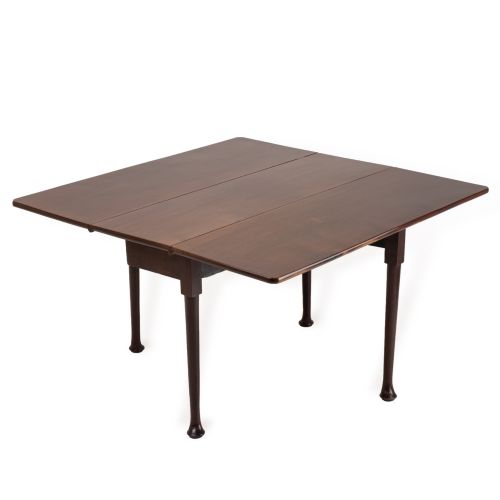
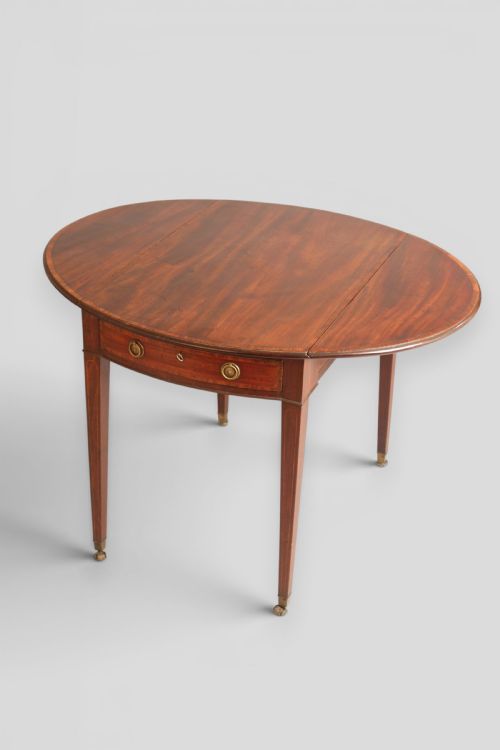

Georgian Oval Drop Leaf
A georgian oval drop leaf table offers folding leaves and versatile space, combining period timber with practical adaptability for modern homes.
Georgian Oval Drop Leaf
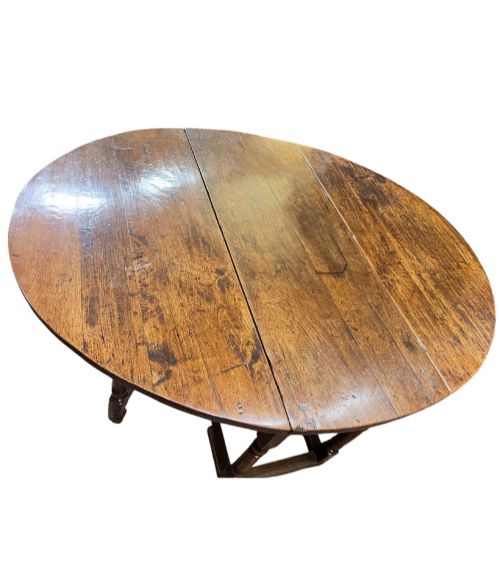
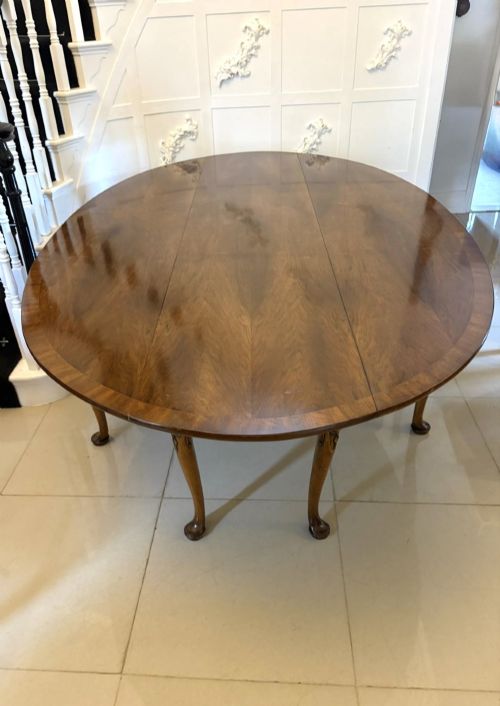
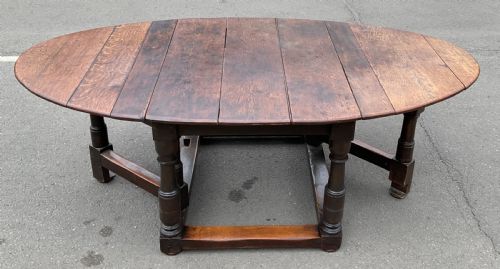
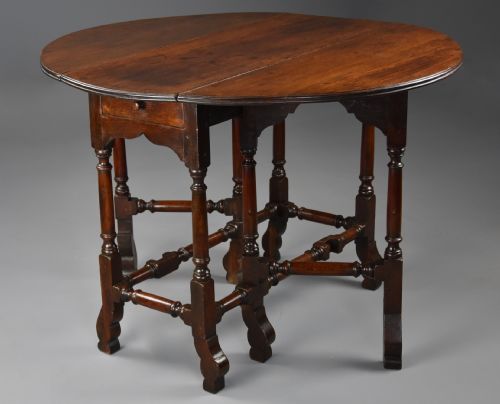
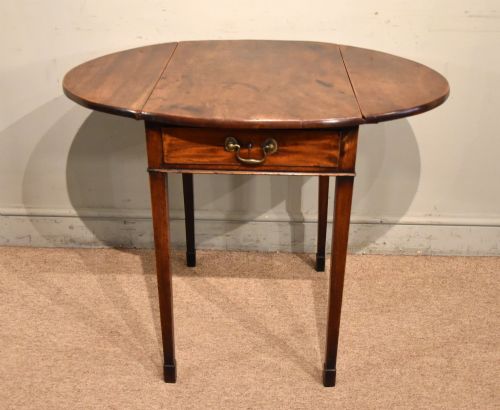
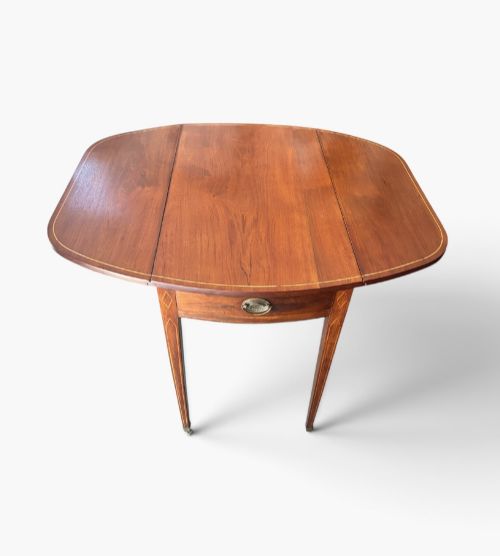
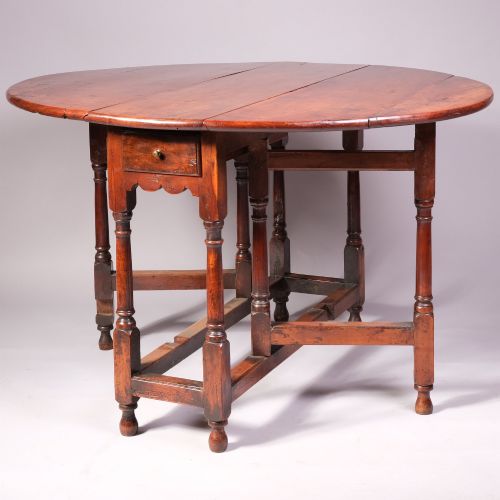
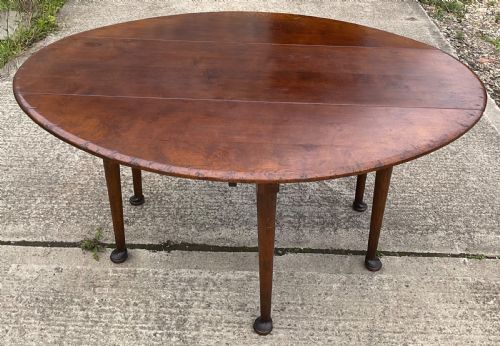
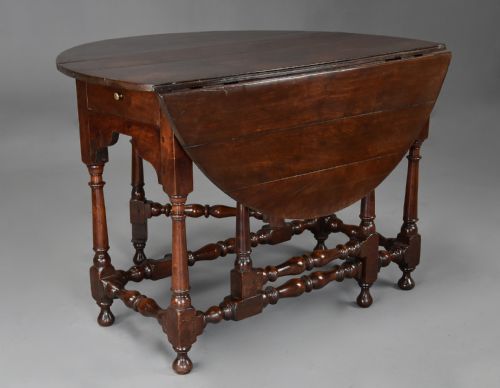
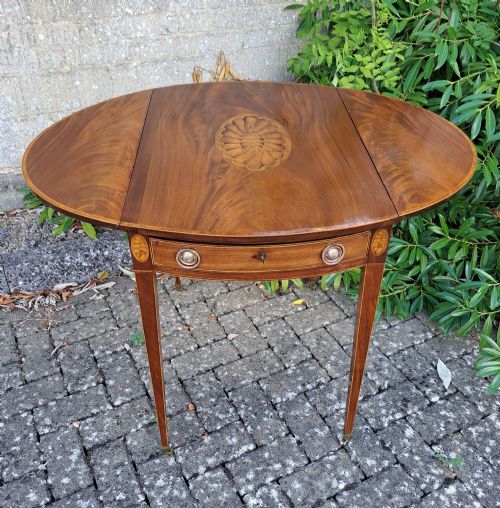
When you search for a georgian oval drop leaf, you encounter tables designed with a central fixed section and hinged flaps that drop down to save space. The pieces on this page span formats ranging from substantial dining tables supported by multiple gate legs to smaller Pembroke and occasional tables featuring inlaid satinwood or mahogany.
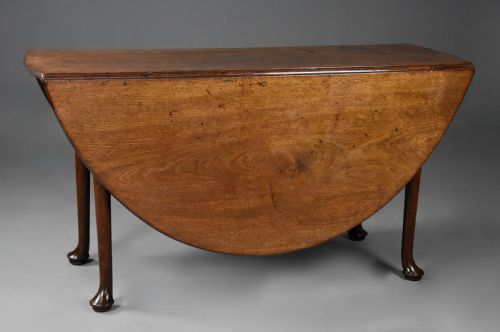
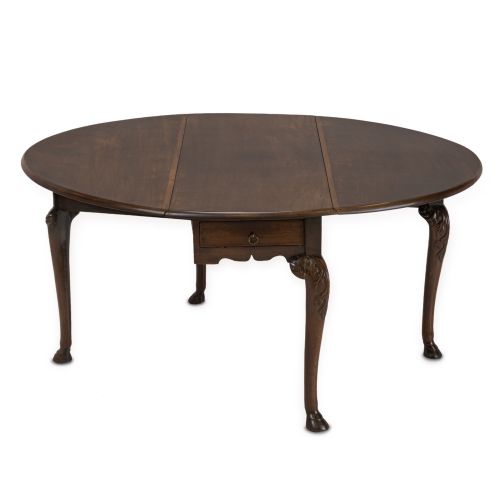
The materials and styles reflect centuries of cabinet making, appearing in solid oak, figured walnut, and Cuban mahogany alongside lighter satinwood bandings. Examples include George II designs with cabriole legs and pad feet, as well as later Sheraton and Regency interpretations equipped with delicate boxwood stringing.
Materials and construction
Cabinet makers relied primarily on dense timbers such as mahogany, oak, and walnut, selecting figured grains for top surfaces and structural hardwoods for the frame. Folding flaps required robust hinge mechanisms and sturdy swing legs, often configured as gate legs that pivoted outward to support the weight of extended leaves.
Surface ornamentation involved intricate techniques like crossbanding, marquetry, and boxwood stringing, particularly on late eighteenth-century satinwood pieces. Joints were typically pegged or dowelled firmly together, while feet finished in pad, hoof, or plain forms to ground the heavy tables securely.
Listings incorporate timber varieties ranging from dense Cuban mahogany and figured walnut to native oak, satinwood, and kingwood.
Markers of distinction
Quality rests heavily on the selection of timber, particularly the depth of figure in the mahogany or walnut and the natural fading achieved over centuries. Pieces displaying rich patination and thick, solid timber tops command greater appreciation than later reproductions or heavily restored surfaces.
Construction details also dictate value, notably the integrity of the pivoting gate mechanisms and the crispness of carved cabriole legs or fine inlaid banding. Balance and proportion remain vital, ensuring the table maintains stability when fully opened or dropped.
The Georgian Oval Drop Leaf Glossary
- Drop leaf
- A table featuring a fixed central section and hinged flaps that lower or rise on supporting legs.
- Gateleg table
- A table with hinged legs that swing outward like a gate to support folding leaves.
- Pembroke table
- A small occasional table characterised by two hinged drop leaves and usually fitted with a drawer.
- Pad foot
- A rounded foot common on eighteenth-century cabriole legs, resting flat on the floor without a separate shoe.
- Crossbanding
- A decorative border of veneer laid with the grain running perpendicular to the main surface.
Georgian Oval Drop Leaf: Frequently Asked Questions
How did people use drop leaf tables?
Households utilised these tables for dining and general tasks, folding the leaves down against the wall when floor space was needed.
They adapted easily to different gatherings, expanding for meals and contracting for daily room circulation.
How do I care for antique mahogany wood?
Maintain the timber by dusting regularly with a soft cloth and avoiding direct exposure to strong sunlight or heat sources.
Apply occasional traditional wax polishes to nourish the surface and preserve the historic patina.
Are these tables suitable for daily dining?
Solid construction from hardwoods like oak and mahogany makes many of these pieces robust enough for regular family meals.
Using heat mats and protective covers prevents water rings and surface scratches on aged timber.
How can I tell oak from walnut?
Oak exhibits a coarse, visible grain structure with characteristic medullary rays, while walnut displays a smoother, darker, and more fluid figure.
Walnut often takes on a warmer, softer tone over time compared to the golden-brown appearance of older oak.