
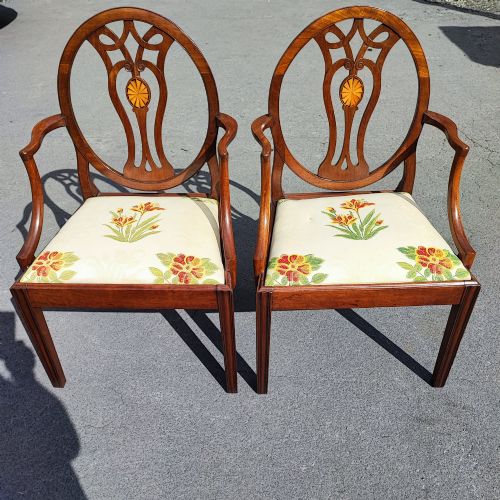
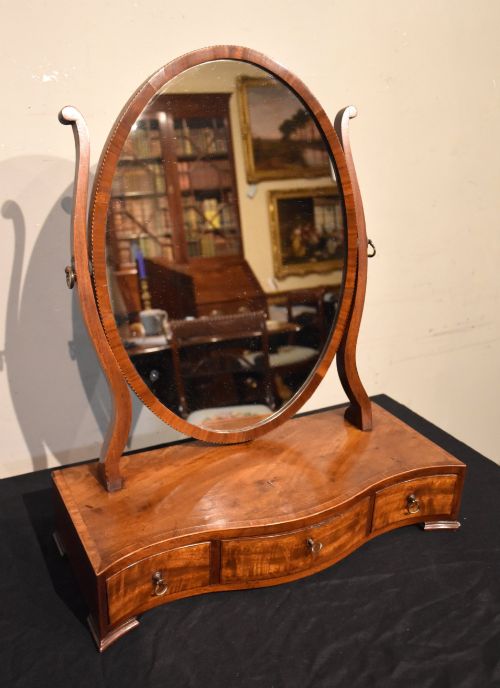
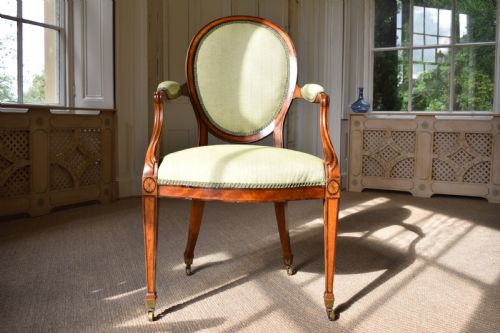
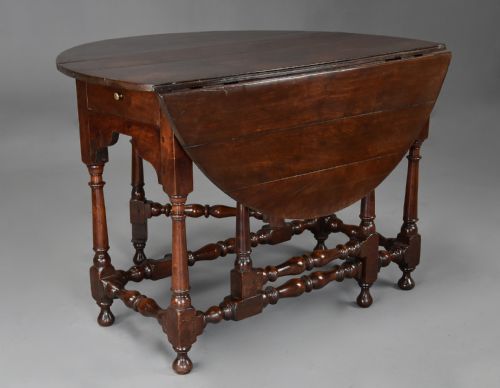






Georgian Oval Desk
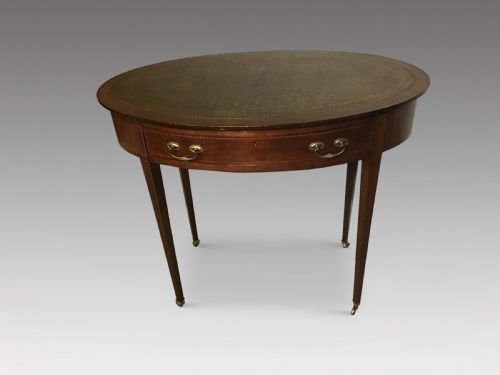
A georgian oval desk brings distinct curved lines and figured timbers to a study, offering a refined workspace shaped by eighteenth and nineteenth-century design.
Georgian Oval Desk
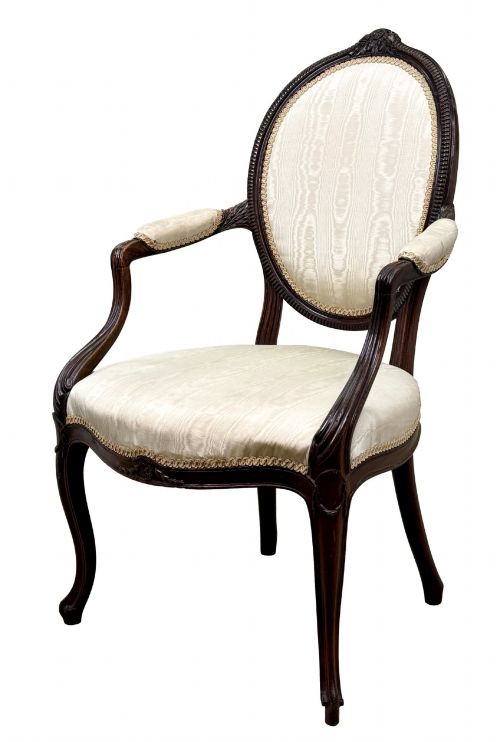
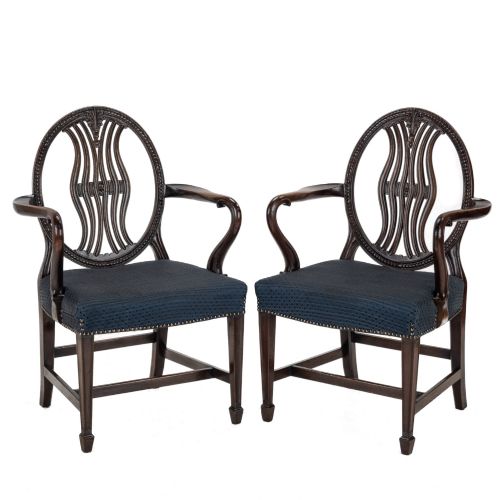
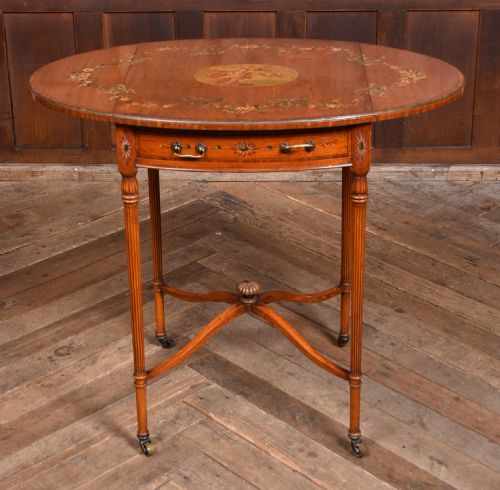
A georgian oval desk typically appears in forms such as writing tables and drum tables, reflecting the domestic and study requirements of the period. The selection on this page demonstrates that while the phrase points directly to curved writing surfaces, buyers frequently encounter related mahogany and satinwood tables, Pembroke forms, and occasional tables dating from the eighteenth century onwards.
The materials span rich dark timbers alongside lighter decorative veneers, often paired with leather writing surfaces. Makers and workshops across the Georgian, Regency, and Edwardian eras adapted the oval format to freestanding desks and drop-leaf tables, ensuring each piece functioned practically while presenting a polished silhouette.
How they were made
Construction relies heavily on solid mahogany and walnut frameworks, frequently finished with satinwood crossbanding and delicate inlay work. Cabinetmakers selected timber figures carefully to accentuate the curved perimeters of oval tops, applying traditional joinery methods that accommodated the expansion and contraction of large writing surfaces.
Secondary details include brass castors, handles, and fitted interiors containing secret compartments or drawers. The incorporation of inset leather or fabric writing panels required precise rebate cutting to ensure a flush, durable working area.
Listings feature mahogany, satinwood, and walnut across Georgian, Regency, and Edwardian periods, encompassing writing tables, Pembroke tables, and drum tables.
What varies in quality
The grade of timber and the ambition of the inlay work largely determine the standing of an individual piece. Superior examples display tightly figured mahogany or meticulously matched satinwood veneers that flow naturally around the curved edges of the top.
Construction depth also dictates distinction, separating standard utility pieces from those featuring complex internal mechanisms, finely turned pedestals, or original brass hardware. The crispness of the carving on leg supports and the retention of a rich, warm patina indicate the level of initial craftsmanship.
The Georgian Oval Desk Glossary
- Crossbanding
- A border of veneer laid perpendicular to the grain of the primary surface. This technique frames the top of a desk and highlights its geometric form.
- Drum table
- A circular or oval freestanding table with a deep frieze containing drawers around the circumference. It typically stands on a central pillar with splayed legs.
- Pembroke table
- A small occasional table with hinged flaps on two opposing sides. These tables offer versatile surface area and were frequently utilised for light writing or needlework.
- Satinwood
- A light-coloured, lustrous timber imported from the tropics. Cabinetmakers used it extensively during the Sheraton and Neoclassical periods for contrasting inlay and veneering.
- Patina
- The deep surface sheen developed through decades of handling, polishing, and natural oxidation. It provides an indication of age and careful maintenance.
Georgian Oval Desk: Frequently Asked Questions
Are these desks comfortable for daily work?
Most antique writing tables and drum desks offer adequate knee clearance and stable surfaces for modern writing tasks. Their ergonomic comfort depends primarily on the height of the frieze drawers and the chair paired with it.
Buyers often measure the floor clearance beneath the drawers to ensure compatibility with contemporary seating. Freestanding oval tables allow flexibility in placement within a room.
How do I care for the leather top?
Leather inserts benefit from occasional treatment with appropriate paste wax or specialised leather dressings to prevent drying and cracking. Keeping the surface free from abrasive objects preserves the gilt tooling.
Direct sunlight can fade both the leather and the surrounding mahogany or satinwood veneer. Using protective pads during heavy writing helps maintain the finish.
How do I distinguish Georgian from later revival pieces?
Original eighteenth-century pieces exhibit construction techniques, timber ageing, and secondary woods consistent with the period of manufacture. Revival pieces from the late nineteenth or early Edwardian eras often show machine-cut elements or uniform interior timbers.
Examining the underside, drawer linings, and hand-cut dovetails clarifies the age of the piece. Cabinetmakers in different eras approached jointing and timber selection with distinct regional practices.
Can I use an oval table as a freestanding desk?
Many oval tables and drum desks feature finished backs and polished pedestals designed to be viewed from any angle in a room. This makes them suitable for placement in the centre of a study rather than against a wall.
Frieze drawers accessible from multiple sides or false drawer fronts maintain the symmetry of the design. Checking the configuration of the pedestals ensures stability when the table stands away from structural walls.