


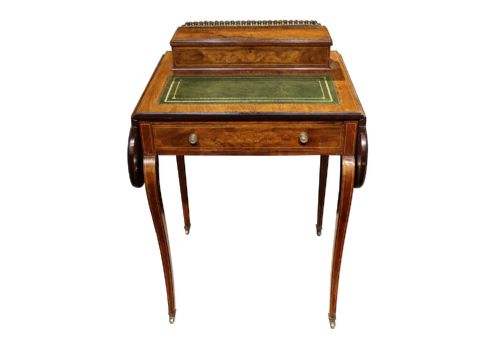
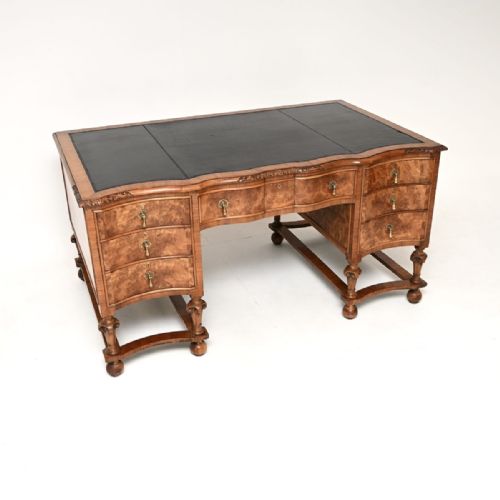
Vintage Leather Table
A vintage leather table brings tactile working surfaces and period timber into a room, combining hide writing panels with mahogany, walnut, or oak.
Vintage Leather Table
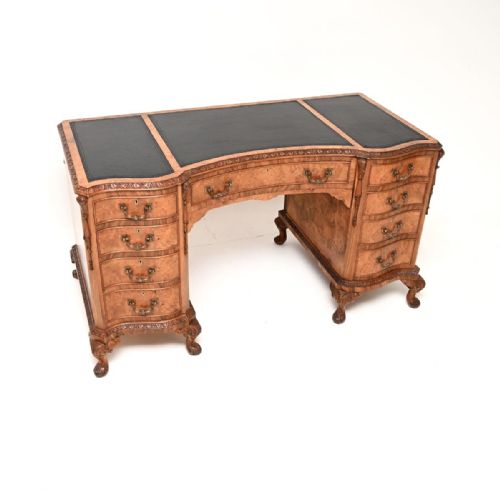
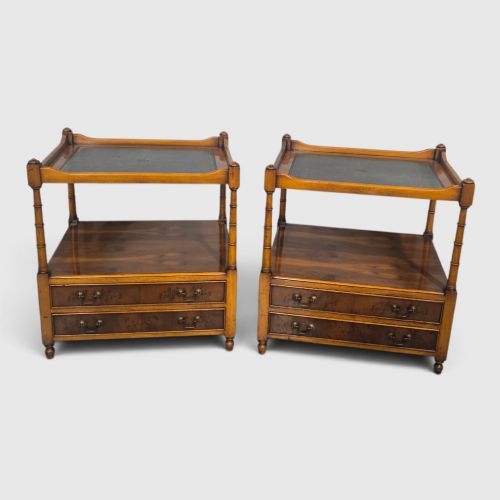
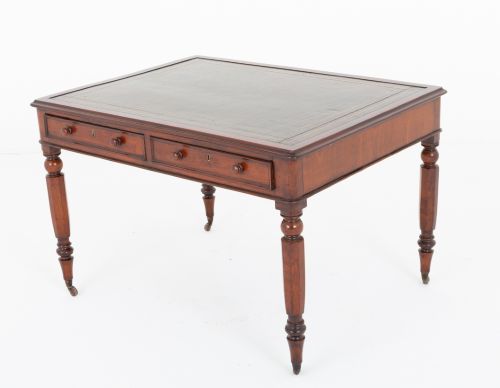
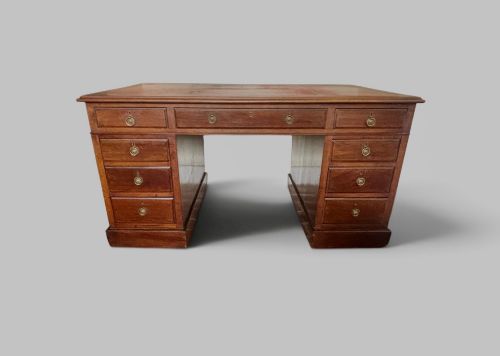
A vintage leather table encompasses pedestal desks, partners writing tables, and occasional furniture constructed across the nineteenth and twentieth centuries. These pieces serve functional workspaces and reception rooms, offering leather inserts bordered by timber frames.
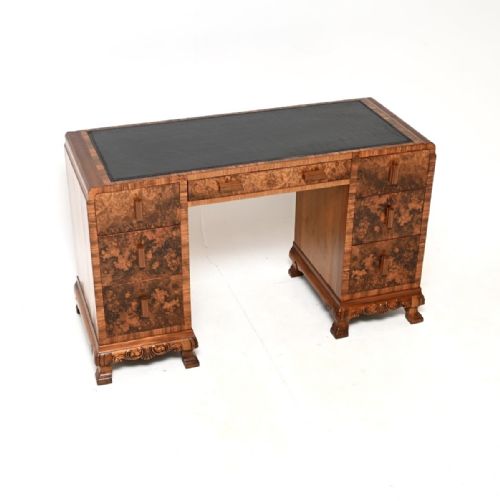
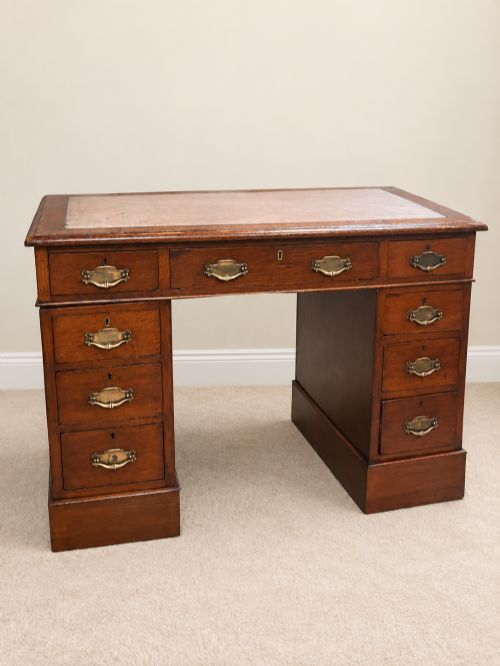
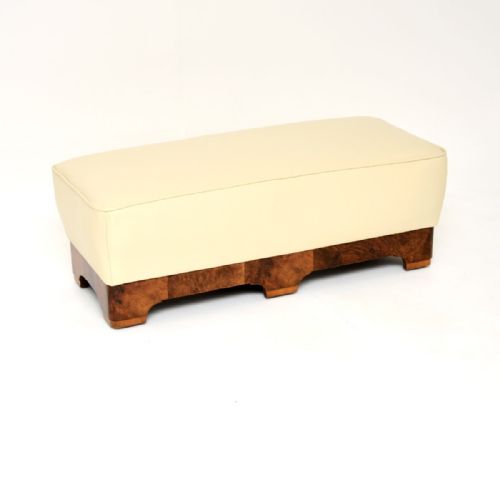
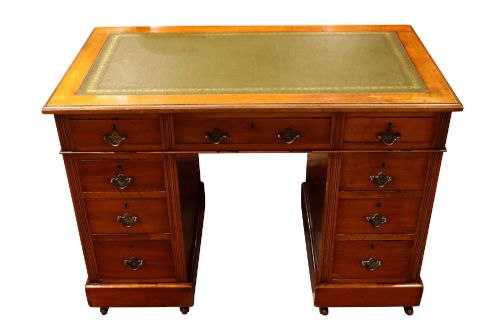
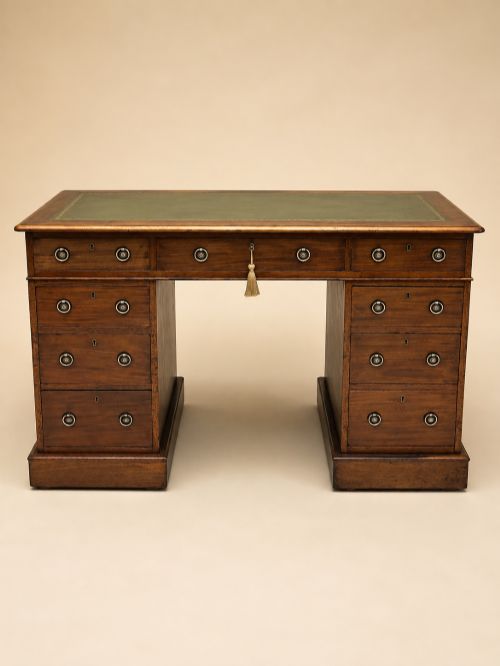
The most common examples on this page are pedestal desks and writing tables originating from Victorian, Edwardian, and Art Deco periods. Buyers encounter variations spanning compact lady's writing desks to large oak bankers and partners tables.
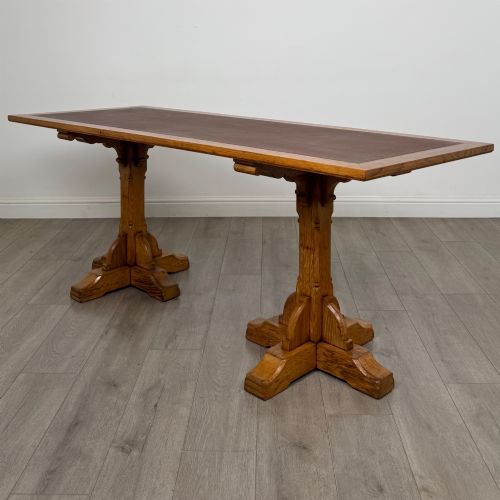
Materials range from traditional mahogany and walnut to burr walnut, rosewood, and oak, frequently paired with tooled leather and brass details. Styles traverse Queen Anne revival, Arts and Crafts, and clean-lined Art Deco forms.
Materials and construction
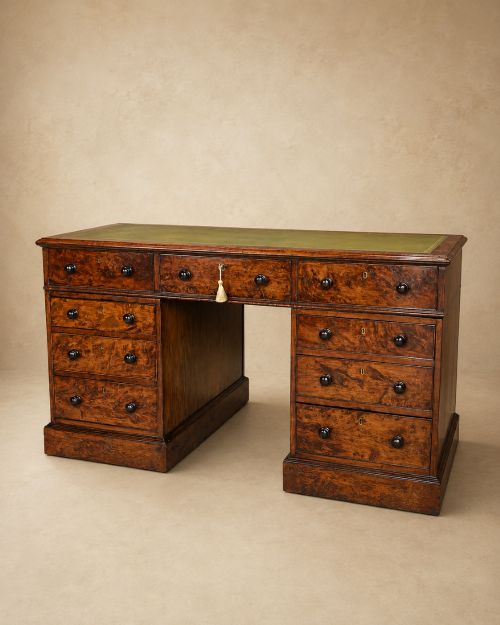
Cabinetmakers utilised dense hardwoods such as mahogany, walnut, and oak to build robust carcases and frames. Burr walnut and satin birch veneers were applied to surfaces to create decorative grain patterns on pedestals and drawer fronts.
Writing surfaces were inset with cattle hide, often decorated with blind or gilt tooling along the borders. Brass hardware, including handles, castors, and keyhole escutcheons, completed the construction of these tables and desks.
Travellers once carried bottled cologne safely inside fitted silver cases while writing letters at portable desks.
Distinctions in construction and finish
The standard of timber selection and veneer matching defines the upper tier of these pieces, alongside the crispness of hand-carved details and inlay work. Superior examples display thoughtful grain continuity across multiple drawers and panels.
The quality of the leather insert and the precision of its tooling separate standard items from finer productions. Integrated drawer linings in secondary woods and original brass hardware further distinguish master cabinetwork.
Maurice Adams·Trollope and sons·Maple and Co
The Vintage Leather Table Glossary
- Partners desk
- A large double-sided desk designed for two people to work opposite each other. These pieces duplicate drawer configurations on both long sides.
- Burr walnut
- A highly figured wood veneer derived from the burl growths of walnut trees. It yields swirling patterns prized for decorative desk and table surfaces.
- Tooled leather
- Leather decorated with heated metallic tools to impress gilt or blind patterns along the perimeter. This treatment defines the writing surface of many period desks.
- Etagere
- A set of open tiered shelves used for display. Examples combine lacquered brass and leather tiers.
Vintage Leather Table: Frequently Asked Questions
How do I care for leather desk inserts?
Clean leather surfaces gently with a soft, dry cloth to remove dust. Avoid harsh chemical cleaners that can strip the original colour and dry out the hide.
Condition the leather periodically with specialised balms to maintain flexibility. Keep the table away from direct sunlight and heat sources to prevent cracking.
What is the difference between a partners desk and a pedestal desk?
A pedestal desk is designed to face a wall, featuring drawers on one side and a modesty panel or open kneehole on the reverse. It accommodates a single user.
A partners desk provides full drawer and cupboard access on both sides, allowing two people to sit opposite each other. These tables are generally larger and finished on all four sides.
How can I date my table?
Examine the secondary woods inside the drawers, construction joints like dovetails, and hardware styles. Hand-cut dovetails typically indicate nineteenth-century or earlier manufacture.
Stylistic markers such as Art Deco geometric lines or Victorian mahogany proportions help narrow the decade. Maker stamps or labels inside drawer boxes offer definitive attribution.
Can these tables be used as dining furniture?
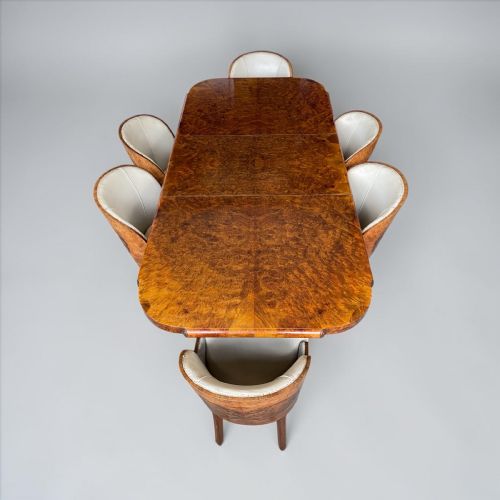
Certain large formats, such as boardroom tables and dining sets, are designed specifically for seating groups. Standard writing tables and pedestal desks have low kneeholes that restrict legroom for dining.
Check the height from the floor to the underside of the central drawer or frieze. Library tables offer better clearance for seating than deep pedestal desks.