
Georgian Octagonal Table
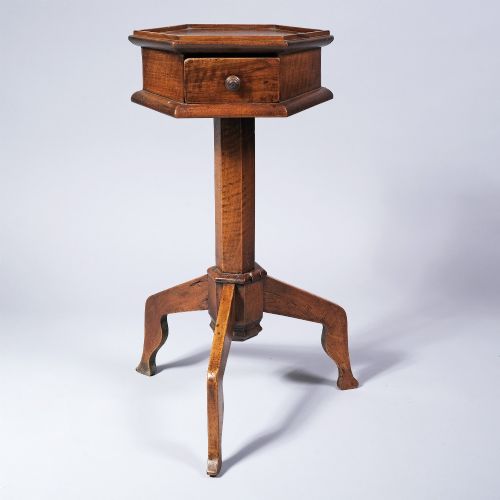
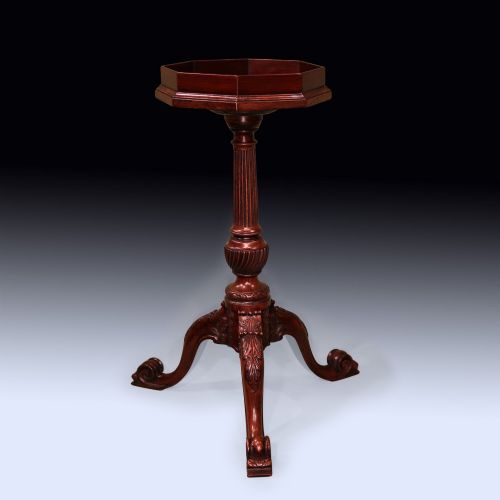
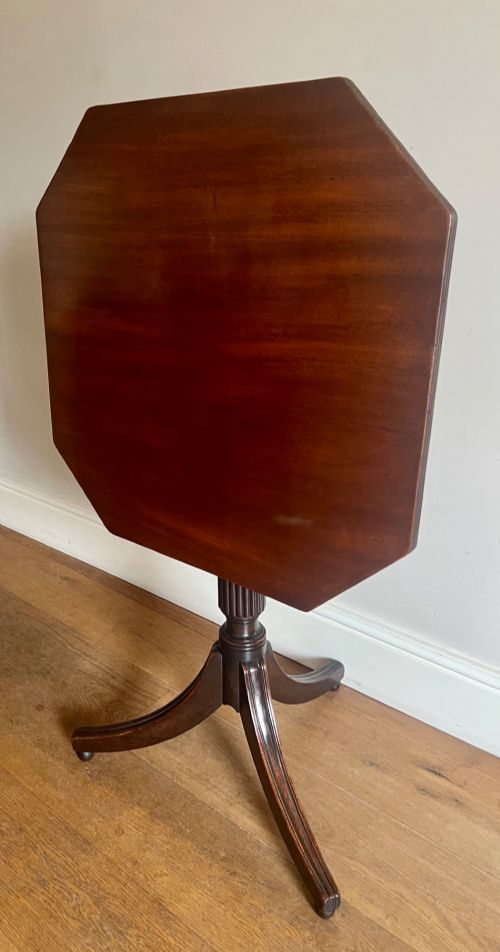
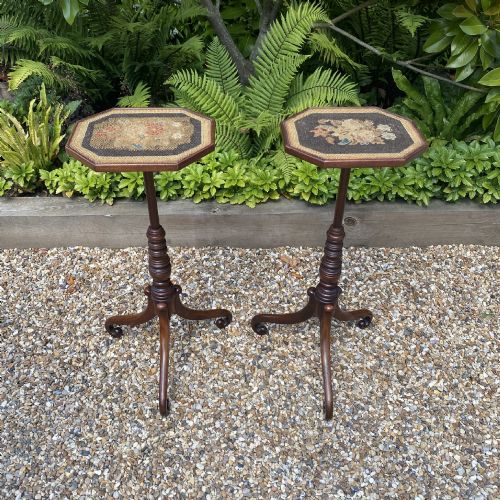
A georgian octagonal table offers a distinctive geometric surface rooted in eighteenth and nineteenth-century cabinetmaking.
Georgian Octagonal Table
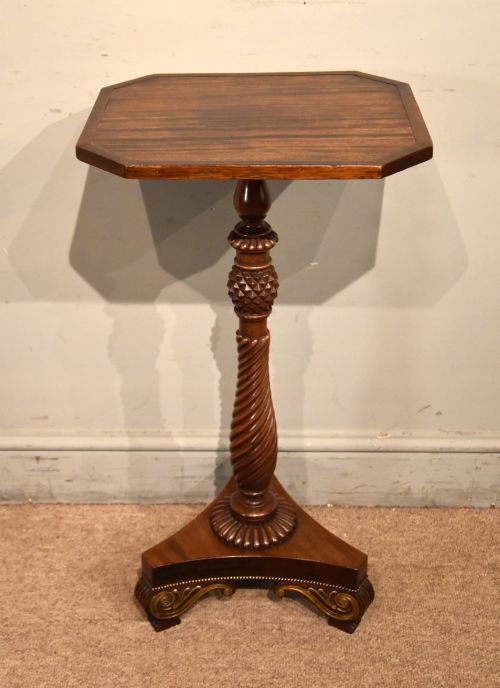
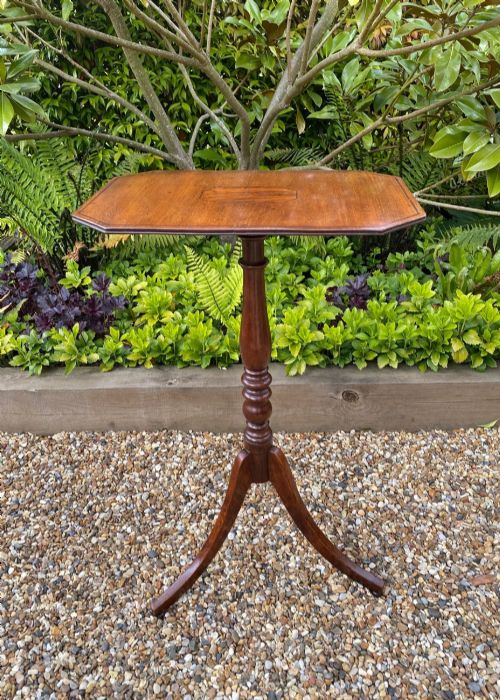
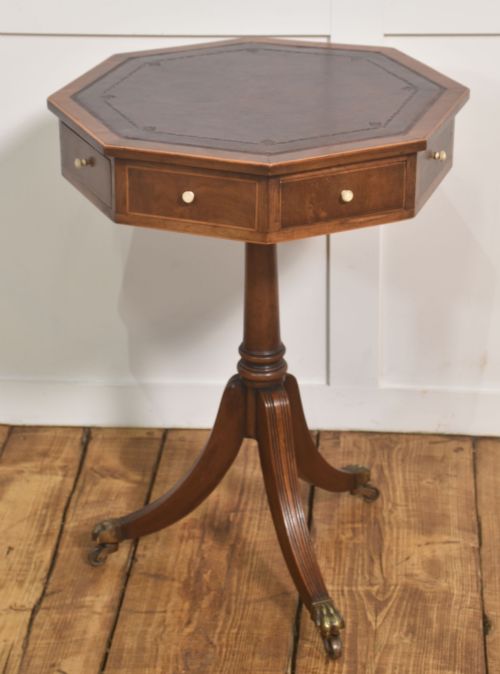
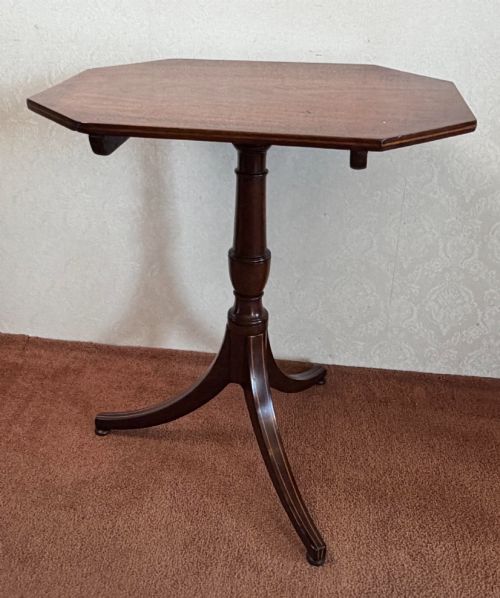
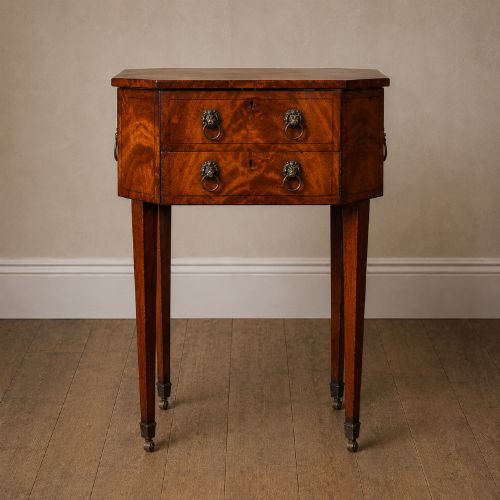
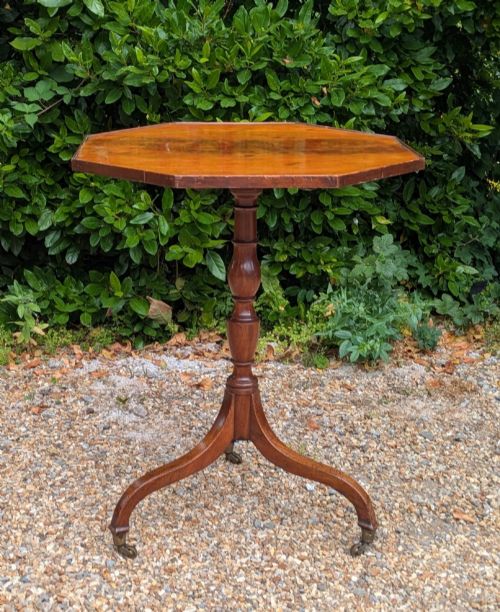
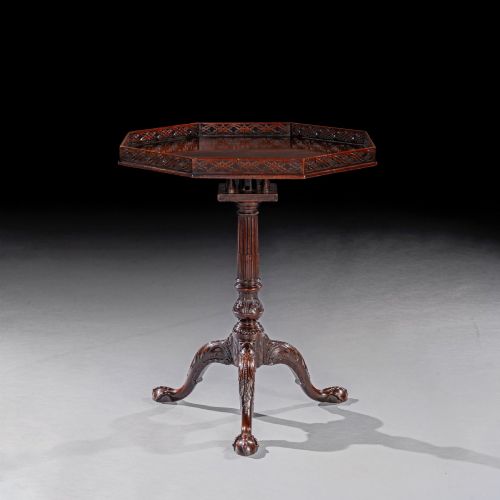
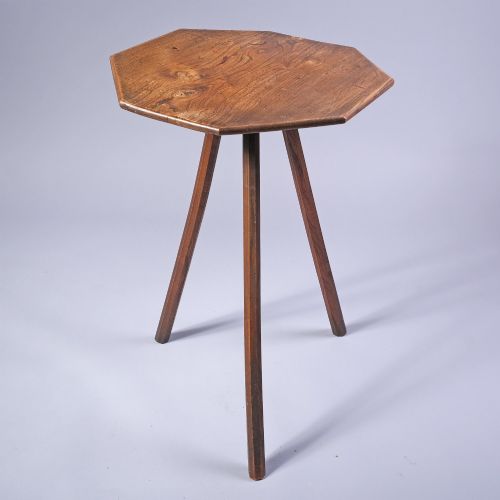
A georgian octagonal table encompasses compact wine tables, lamp tables, and occasional furniture designed with eight-sided tops. These pieces frequently appear in mahogany, oak, and fruitwood across eighteenth and nineteenth-century periods.
Buyers encounter tripod bases, pillar supports, and tilt-top mechanisms built into these geometric forms. The proportions suit side placement beside seating or as freestanding display surfaces.
How They Were Made
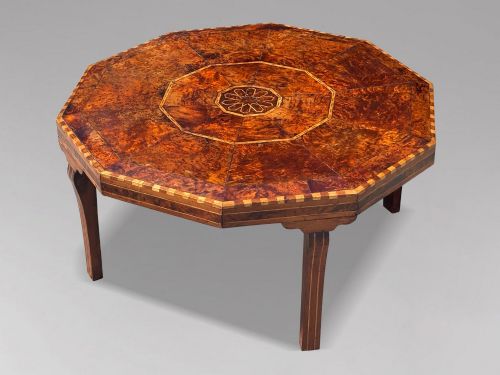
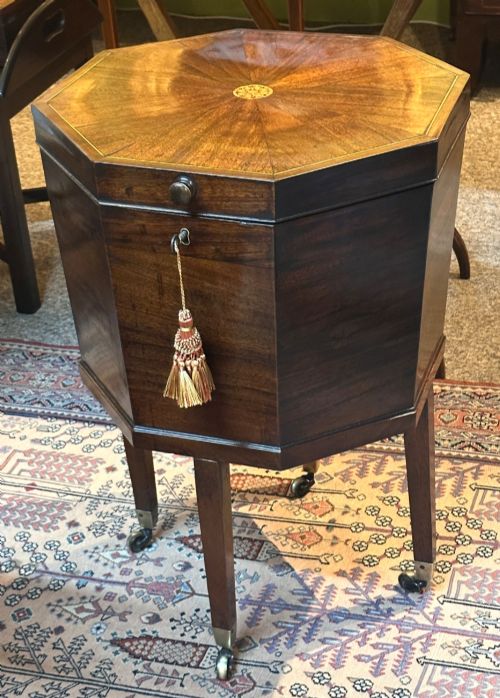
Cabinetmakers utilised solid timbers and veneers including mahogany, satinwood, rosewood, and burr yew, often incorporating boxwood stringing and wood inlay to define the octagonal borders.
Listings feature mahogany, satinwood, walnut, and rosewood across Georgian, Regency, and nineteenth-century periods.
What Varies in Quality
The refinement of the timber grain and the crispness of edge-work distinguish superior examples from standard production. Figured mahogany or intricate satinwood and boxwood inlay indicate higher workshop ambition.
Joinery execution in the tilt-top action and the turning of the central pillar dictate the structural integrity and physical balance of the piece.
David Hennell
The Georgian Octagonal Table Glossary
- Tilt top
- A tabletop hinged to the central pillar so it can pivot vertically when not in use. This mechanism allowed furniture to be stored against walls in period interiors.
- Tripod table
- A small freestanding table supported by three legs radiating from a central column. This construction maintained stability on uneven historical flooring.
- Crossbanding
- A strip of veneer laid around the border of a tabletop with the grain running perpendicular to the centre. It creates a decorative framing effect.
- Boxwood stringing
- A thin inlay line of pale boxwood set into contrasting darker timber. Cabinetmakers utilised this technique to outline geometric shapes.
- Wine table
- A compact table designed to hold glasses and bottles during evening gatherings. These pieces often feature raised edges or small proportions.
Georgian Octagonal Table: Frequently Asked Questions
What rooms suit a georgian octagonal table?
These compact tables function well beside seating or as display surfaces in living spaces and hallways. Their geometric tops fit easily into corners or narrower wall spaces.
The stable tripod or pillar bases allow them to sit firmly without dominating the surrounding furniture arrangement.
How do tilt-top mechanisms function?
A catch beneath the top releases the surface so it pivots flat against the central column. This allowed historical households to clear floor space quickly.
The brass or wooden pivot block requires careful handling to ensure smooth operation over time.
Which woods appear most frequently?
Mahogany forms the majority of surviving examples, often complemented by satinwood, rosewood, or fruitwood details. Inlay work frequently incorporates lighter timbers like boxwood.
Secondary woods such as oak appear in pillar structures and interior framing elements.
How are different periods identified?
Eighteenth-century examples display restrained carving and solid timber construction associated with George III designs. Regency and nineteenth-century pieces introduce rosewood, brass mounts, and revival styles.
Leg profiles, edge mouldings, and inlay patterns provide key indicators of the exact manufacturing era.