
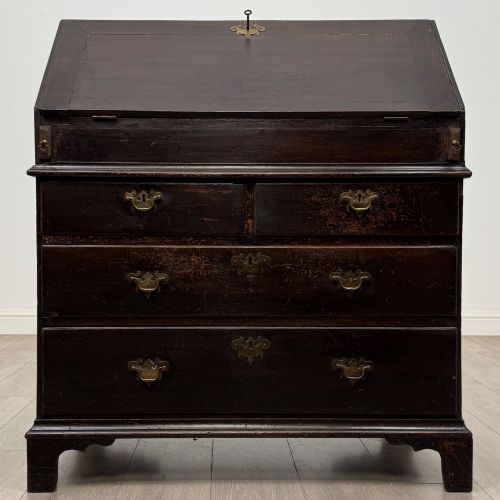
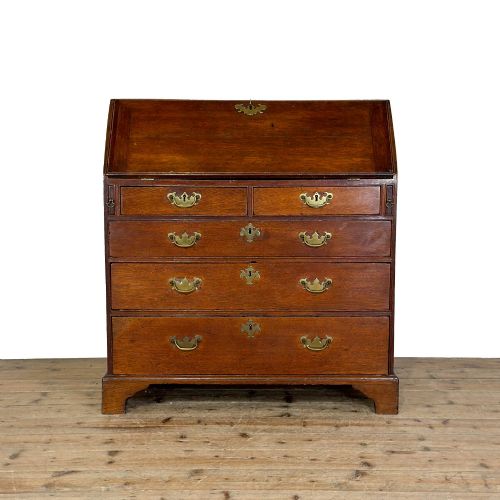
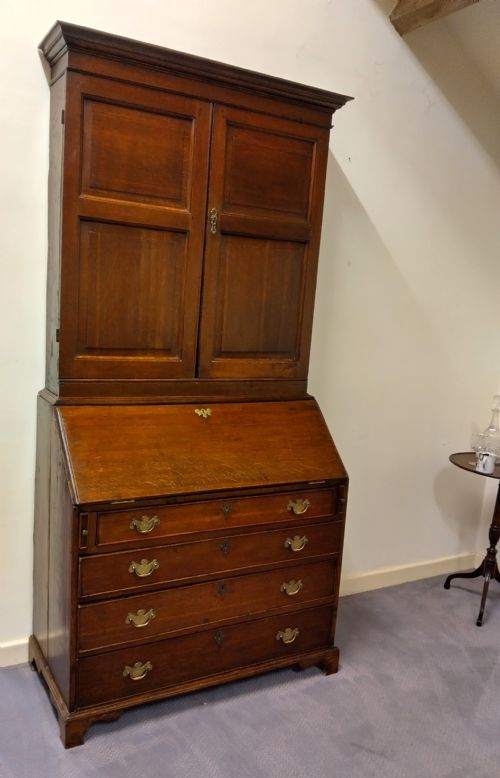
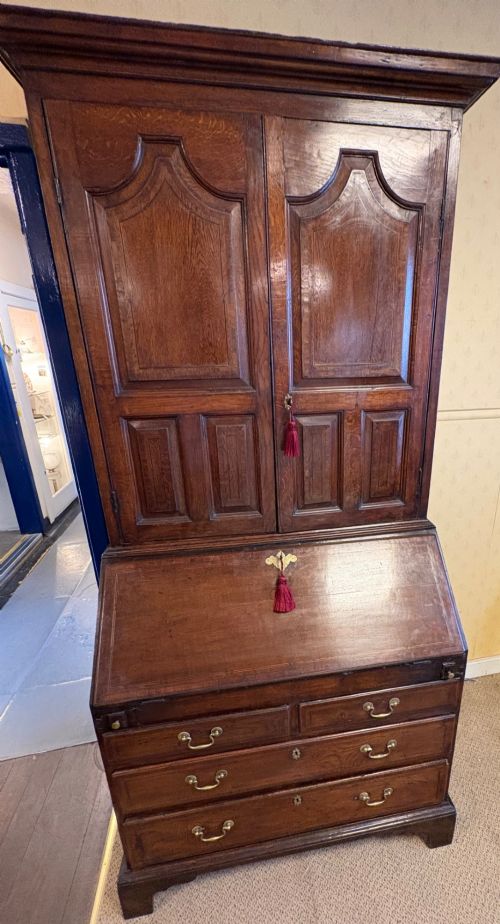


Georgian Oak Bureau Cabinet
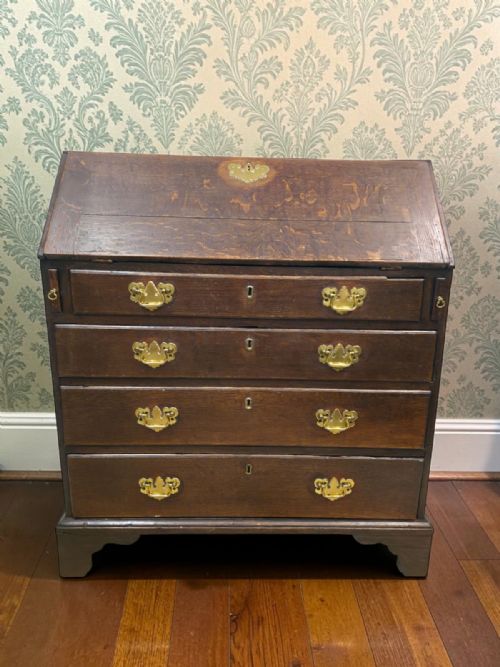
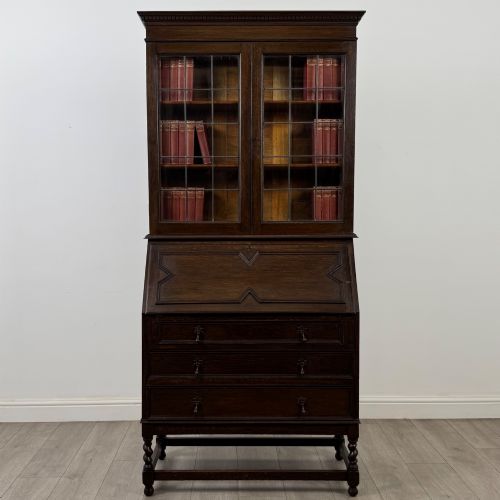
A georgian oak bureau cabinet pairs a drop-front writing slope with a shelved upper bookcase, built to organise correspondence and display books.
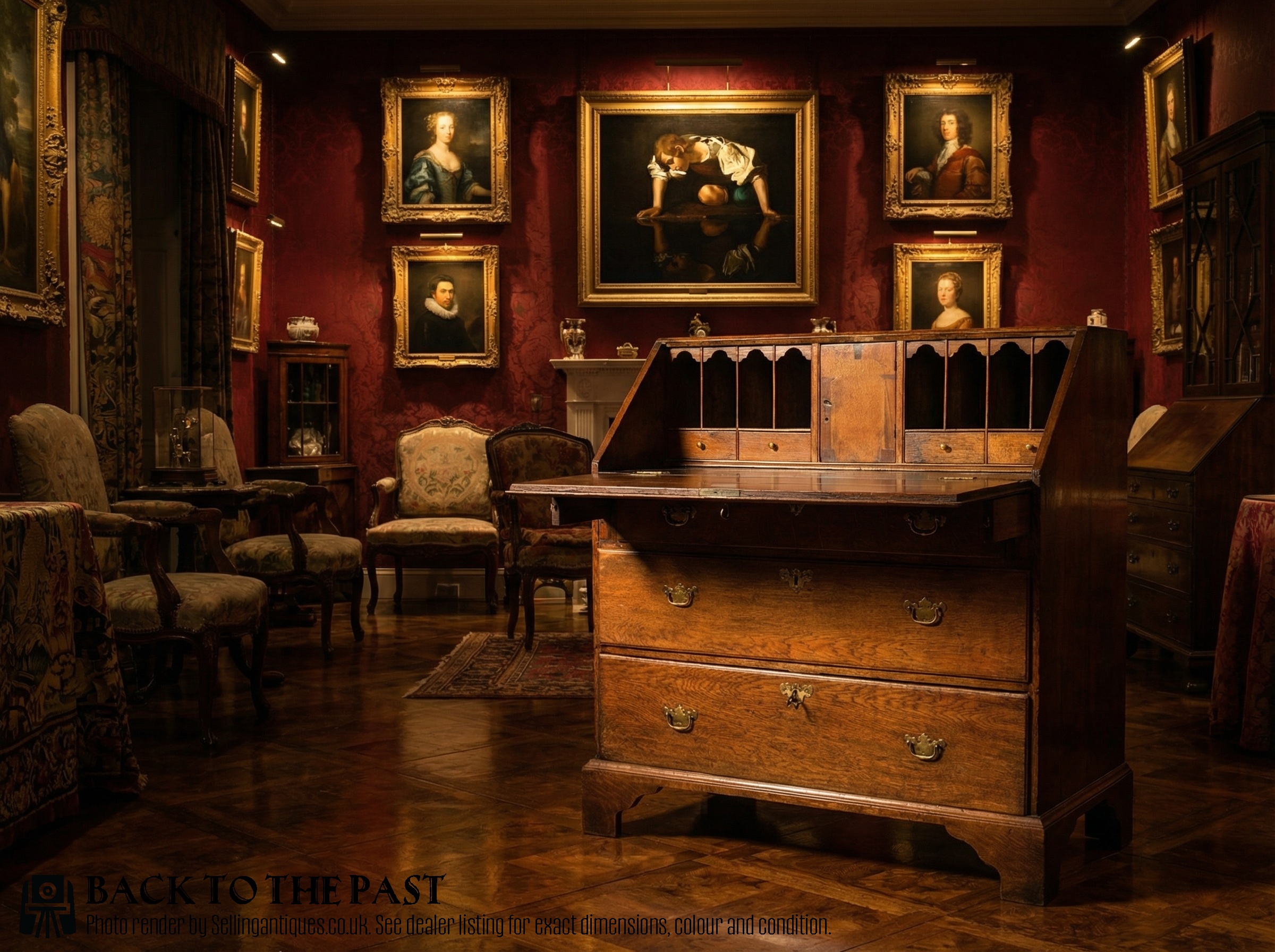
Georgian Oak Bureau Cabinet
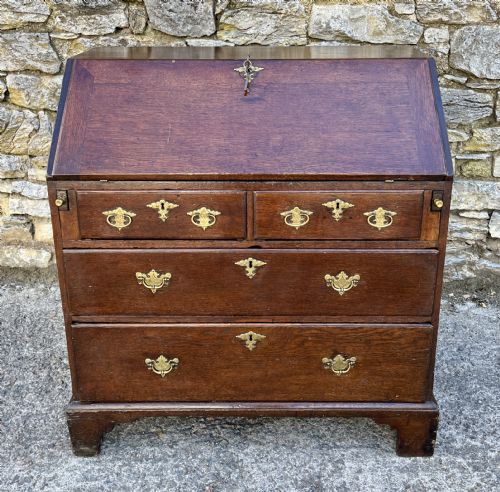
A georgian oak bureau cabinet combines a lower desk section featuring a fall-front writing flap with an upper bookcase enclosed by doors. You will find examples spanning the seventeenth century through to the georgian period, alongside later revivals and adaptations.
The lower section typically contains fitted interior drawers and pigeonholes above graduated external drawers. Pieces range from compact small formats to larger architectural designs originating from English and Welsh workshops.
How they were made
Construction relies heavily on solid oak timbers, occasionally enhanced with wood inlay or paint. Internal components incorporate green baize on writing surfaces alongside brass handles, escutcheons, and glazed panels for the upper doors.
Cabinet makers joined structural elements using traditional framing methods suited to dense hardwoods. Finished surfaces display the natural grain patterns characteristic of vernacular and formal eighteenth-century furniture.
One remarkably forward-thinking seventeenth-century oak bureau bookcase arrived on the market cleverly adapted to house a television.
What varies in quality
Quality rests on the selection of timber figures and the structural integrity of the fall-front writing surface. Superior examples maintain original brass hardware, uncompromised stepped interior compartments, and proportioned cornices.
Later adaptations, such as units altered for modern electronics, differ from pieces retaining their original fitted shelving and drawer configurations. The crispness of carved details and the joinery of the internal pigeonholes further distinguish the cabinet work.
The Georgian Oak Bureau Cabinet Glossary
- Fall-front
- A hinged writing flap that pulls down to provide a horizontal surface for correspondence. It conceals a stepped interior containing small drawers and pigeonholes.
- Bureau bookcase
- A combined furniture form featuring a writing desk base beneath an upper shelving cabinet for books. The top section is enclosed by glazed or solid wooden doors.
- Step-interior
- A tiered arrangement of internal drawers and compartments within the bureau desk. This stepped layout creates a structured filing space for letters and documents.
- Escutcheon
- A protective brass plate surrounding a keyhole on a drawer front or cabinet door. It prevents the surrounding wood from wearing down through repeated use of the key.
- Vernacular
- Furniture made outside metropolitan centres by local tradesmen using regional traditions. These pieces prioritise functional robust construction over high-style ornament.
Georgian Oak Bureau Cabinet: Frequently Asked Questions
How do I date a georgian oak bureau cabinet?
Examine the construction methods, timber selection, and hardware styles to determine the likely period of manufacture. Look at the configuration of the internal drawers and the joinery used on the carcase.
Compare the piece against known vernacular and formal styles from the seventeenth, eighteenth, and early nineteenth centuries. Later revivals often display standardised machine-cut elements that contrast with older hand-planed surfaces.
Were these cabinets made in Wales as well as England?
Welsh workshops produced distinct oak bureau cabinets that often feature characteristic local timber figuring and proportions. Regional cabinet makers adapted standard forms using native woods available to them.
These pieces share the functional fall-front desk and upper bookcase layout while exhibiting subtle regional traits in their mouldings and bracket feet.
What is inside the fall-front of a bureau cabinet?
Opening the drop-front reveals a writing surface lined with wood or baize, set before an arrangement of small drawers and pigeonholes. This interior section provides compartments for storing letters, inkwells, and documents.
More elaborate examples incorporate secret compartments or central doors flanked by stepped tiers of miniature drawers.
Can a bureau cabinet fit into a modern room?
Compact formats and small-scale versions offer functional desk space and vertical storage suitable for everyday interior layouts. The combined footprint of a desk and bookcase minimises floor usage while holding books and papers.
Ensure you check the clearance needed when the fall-front writing flap is lowered for use.